Knowing how to tow a car with another car can help in a roadside emergency, especially when a vehicle will not start or needs to be moved a short distance. Still, this is not something to do casually. Towing with another car requires the right equipment, safe connection points, clear driver communication, and a slow, controlled route.
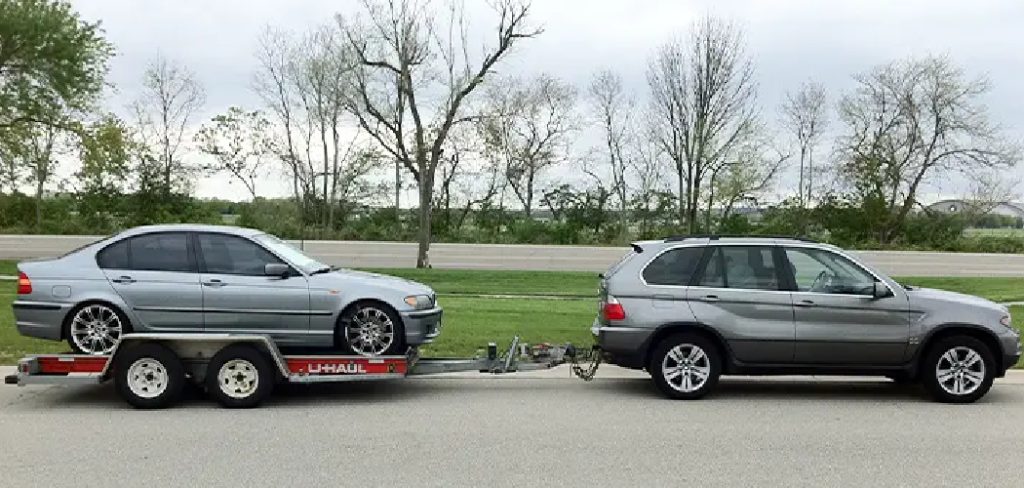
If done the wrong way, it can damage the transmission, brakes, steering, bumper, or frame. It can also create a serious road hazard. This guide explains the process in a beginner-friendly way so you can understand what to check, what to avoid, and when it is smarter to call a professional tow service.
Why Towing A Car With Another Car Requires Extra Care
Towing one vehicle with another puts stress on both cars. The towing vehicle must have enough towing capacity, and the disabled vehicle must still be able to roll, steer, and brake. A tow strap, tow rope, or tow bar must connect only to proper recovery points or a rated hitch, not to plastic bumpers or weak suspension parts. You also need to think about legal requirements, traffic conditions, road slope, visibility, and vehicle weight. Even at low speed, a sudden stop can cause the rear car to hit the front car. Extra care matters because a simple move can turn dangerous if the drivers are not prepared.
Step-By-Step Guide: How To Tow A Car With Another Car
Step 1: Decide If Towing Is Safe And Legal
Before you connect anything, decide whether the situation is safe enough to continue. Check local legal requirements because some areas restrict towing with a tow rope or require specific lights, signs, or equipment. Look at the road surface, traffic, weather, distance, and visibility. This method is best for short, low-speed moves on quiet streets, private property, or safe roadside areas. If you are on a highway, in heavy traffic, on a steep hill, or dealing with a badly damaged vehicle, call roadside assistance. The safest part of learning how to tow a car with another car is knowing when not to do it.
Step 2: Check Vehicle Weight And Towing Capacity
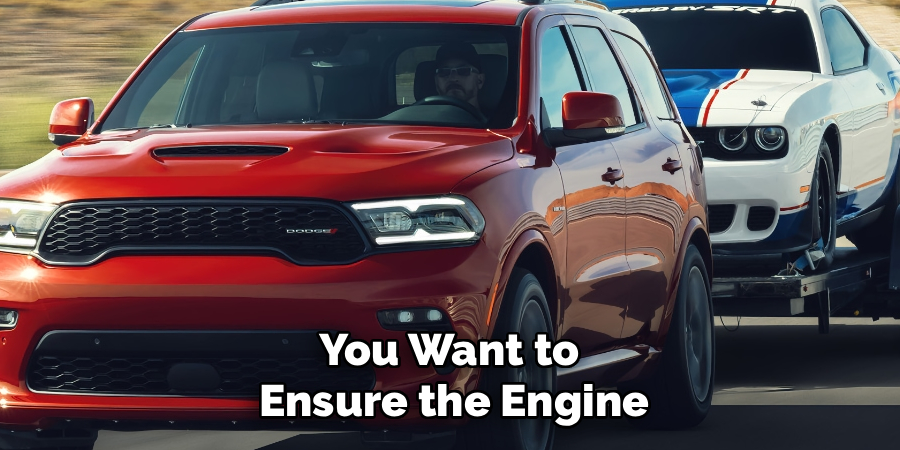
The towing car must be strong enough to move the disabled vehicle without overheating, losing traction, or damaging its drivetrain. Check the owner’s manual for towing capacity and compare it with the vehicle weight of the car being pulled. A small car should not try to tow a heavy SUV, truck, or van. Also consider passengers, cargo, and road slope because extra weight increases stopping distance. The towing vehicle’s brakes will do most of the work, so they must be in good condition. If the numbers are close or uncertain, do not guess. Use a proper tow truck instead.
Step 3: Choose The Right Towing Equipment
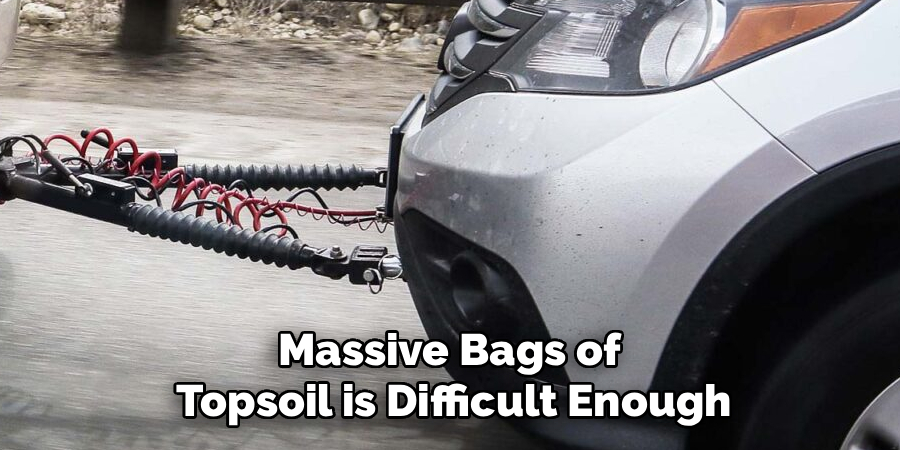
Use equipment designed for towing, not a random chain, thin rope, or household strap. A rated tow strap, tow rope, or tow bar should match or exceed the weight of the disabled vehicle. A tow bar gives better control because it keeps a fixed distance between the vehicles, while a strap or rope requires more careful braking and communication. Inspect the equipment for cuts, frays, rusted hooks, or weak stitching. Do not use damaged gear. The connection should be strong, secure, and short enough to control both vehicles, but not so short that turning becomes difficult.
Step 4: Attach Only To Rated Recovery Points
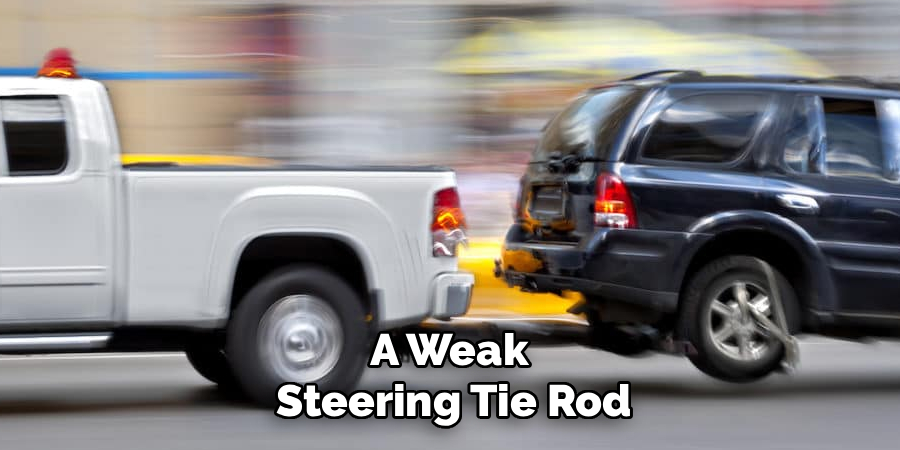
Find the proper recovery points on both vehicles before attaching the tow strap or tow bar. These points may be metal tow hooks, frame-mounted loops, or a rated hitch. Never connect to a bumper cover, axle, suspension arm, steering part, exhaust pipe, or radiator support. Many modern bumpers look strong but hide plastic and thin brackets underneath. A bad connection can rip loose and become dangerous. If you cannot identify the correct attachment points, check the owner’s manual. Make sure hooks face the correct direction and any safety clips are closed before either vehicle moves.
Step 5: Prepare Both Drivers And Vehicles
Both cars need a driver unless you are using approved equipment that does not require one in the rear vehicle. The disabled vehicle should usually be in neutral so the wheels can roll freely. The steering must be unlocked, and the driver in the rear car must be able to steer and brake. Turn on hazard lights if allowed, and use headlights in poor visibility. Agree on simple signals before moving, such as slowing down, stopping, or pulling over. Driver communication is important because the rear driver must react early, especially when using a tow rope or strap.
Step 6: Start Moving Slowly And Smoothly
The towing driver should begin with very gentle acceleration. Sudden movement can jerk the tow strap, damage recovery points, or surprise the rear driver. Take up the slack slowly until the rope or strap becomes firm, then continue forward at low speed. Avoid quick throttle changes, sharp steering, and sudden braking. The rear driver should keep the strap slightly tight by braking lightly when needed. This prevents the disabled car from rolling forward too fast. Smooth movement protects the transmission, hitch, tires, and brakes. It also gives both drivers more time to react to traffic or obstacles.
Step 7: Follow A Short And Straight Route
Choose the simplest route possible. A straight route with low traffic, wide turns, and few stops is much safer than busy roads with intersections, tight corners, or hills. Avoid highways and high-speed roads because towing with another vehicle is difficult to control at speed. Keep the distance short, such as moving the car to a driveway, repair shop nearby, or safer parking area. Signal early and make wide, gentle turns. The rear driver should follow the path of the towing vehicle without cutting corners. If the car starts swaying, bouncing, or pulling sideways, stop and reassess.
Step 8: Stop Safely And Disconnect Carefully
When you reach the destination, slow down gradually and stop on level ground if possible. The rear driver should brake smoothly to keep the strap from going slack and then tightening suddenly. Put both vehicles in park or set the parking brakes before anyone gets out. Check that traffic is clear before disconnecting the tow strap, tow rope, or tow bar. Remove the equipment carefully and inspect both recovery points for damage. If the disabled vehicle has brake, steering, or transmission problems, do not continue driving it. Park it safely and arrange repairs before using it again.
Frequently Asked Question
Is It Legal To Tow A Car With A Rope?
It depends on where you live. Some areas allow rope or strap towing only for short distances, while others require a tow bar, safety chain, warning flag, or working lights. Many places also limit towing on highways or busy roads. Before you try it, check local laws or choose professional roadside assistance. Even if it is legal, you still need proper equipment and safe driving conditions.
Can An Automatic Car Be Towed In Neutral?
Sometimes, but not always. Many automatic vehicles can suffer transmission damage if they are towed with the drive wheels on the ground for too long. The safe method depends on whether the car is front-wheel drive, rear-wheel drive, all-wheel drive, or four-wheel drive. Always check the owner’s manual first. If you cannot confirm the correct method, use a flatbed tow truck to avoid expensive damage.
What Is Better, A Tow Strap Or A Tow Bar?
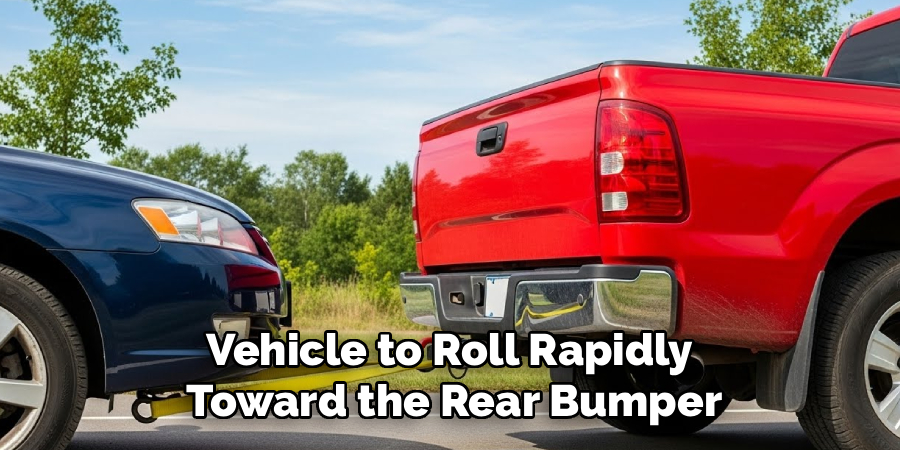
A tow bar is usually safer and more controlled because it keeps a fixed distance between the two vehicles. A tow strap or tow rope can work for very short, slow moves, but it requires more skill from both drivers. The rear driver must brake carefully to avoid running into the front car. For beginners, a tow bar or professional towing service is often the safer choice.
How Fast Should You Drive While Towing Another Vehicle?
Drive as slowly as practical and safe for the area. In most short-distance emergency towing situations, low speed is best because it gives both drivers more time to react. Avoid sudden acceleration, hard braking, and sharp turns. High speed increases stress on the tow equipment and makes the rear vehicle harder to control. If traffic forces you to go faster than feels safe, stop and call for help.
Where Should I Attach A Tow Strap On A Car?
Attach a tow strap only to rated recovery points, factory tow hooks, or a properly rated hitch. These parts are designed to handle pulling force. Do not attach the strap to a bumper, control arm, axle, tie rod, exhaust part, or random hole in the frame. If you are unsure where the recovery point is, check the owner’s manual. A wrong attachment point can break loose and cause damage or injury.
Conclusion
Towing a vehicle with another vehicle can be useful in a short-distance emergency, but it requires planning and caution. You need the right tow strap, tow rope, or tow bar, proper recovery points, enough towing capacity, working brakes and steering, clear driver communication, and a safe low-speed route. You should also check legal requirements before moving the vehicle.
If the road, weather, equipment, or vehicle condition feels unsafe, call a professional. But when the situation is simple and controlled, knowing how to tow a car with another car can help you move a disabled vehicle safely and confidently.

About
Ora Hayes is a distinguished figure in the world of DIY Thecarfixes, with over a decade of expertise in automotive diagnostics and high-performance maintenance. Her professional focus lies in merging mechanical precision with modern digital tools, fostering repair solutions that are both cost-effective and highly reliable. As the author of Thecarfixes, Ora Hayes delves into the art and science of automotive restoration, inspiring car owners and hobbyist mechanics alike.
Education
RMIT University (Melbourne, Australia) Associate Degree in Automotive Engineering — Focus on vehicle dynamics, industry-driven repair protocols, and advanced diagnostics. Gained hands-on experience with traditional mechanical tools and modern ECU remapping software.
Nottingham Trent University (United Kingdom) Bachelor’s in Mechanical Design and Automotive Engineering (Honors) — Specialized in automotive systems with a focus on blending technical engineering with everyday usability. Participated in industry projects, working with leading automotive manufacturers to gain real-world insights into vehicle longevity.
Publications and Impact
In Thecarfixes, Ora Hayes shares her insights on troubleshooting complex engine issues, material durability, and strategies for efficient garage setups. Her writing bridges the gap between professional mechanic knowledge and the home enthusiast’s needs, making it a must-read for both everyday drivers and seasoned gearheads.