Knowing how to check water level in car radiator is a simple maintenance skill that can help you prevent overheating, engine damage, and surprise breakdowns. Your car’s cooling system controls engine temperature by moving coolant through the radiator, hoses, water pump, and engine passages. When the fluid level drops too low, the system may not remove heat properly.
The good news is that beginners can perform this check safely with a little patience and the right steps. The most important rule is to let the engine cool before touching the radiator cap or coolant reservoir. This guide explains what to look for, where to check, when to top up, and how to avoid common mistakes.
Why Checking Radiator Water Level Matters
Your engine creates a lot of heat while running. The cooling system keeps that heat under control by circulating engine coolant, often mixed with antifreeze, through the radiator and engine. If the fluid level is low, the engine can run hotter than normal and may overheat.
A low coolant level can also point to leaks, worn hoses, a failing radiator cap, a bad water pump, or thermostat problems. Checking the coolant reservoir regularly helps you catch small issues before they turn into expensive repairs. It also supports better performance, protects metal parts from corrosion, and helps your vehicle follow its maintenance schedule. For beginners, this is one of the easiest checks to learn.
Step-By-Step Guide: How To Check Water Level In Car Radiator
Step 1: Park On A Level Surface
Start by parking your car on a flat, level surface. This helps you get an accurate fluid level reading from the coolant reservoir or radiator. If the vehicle is parked on a steep driveway or uneven ground, the coolant may shift to one side and make the level look higher or lower than it really is.
Put the vehicle in park, turn off the engine, and set the parking brake. Good lighting also helps, especially if the coolant reservoir is tucked near the side of the engine bay. Take your time and avoid rushing, because cooling system checks are safest when done carefully.
Step 2: Let The Engine Cool Completely
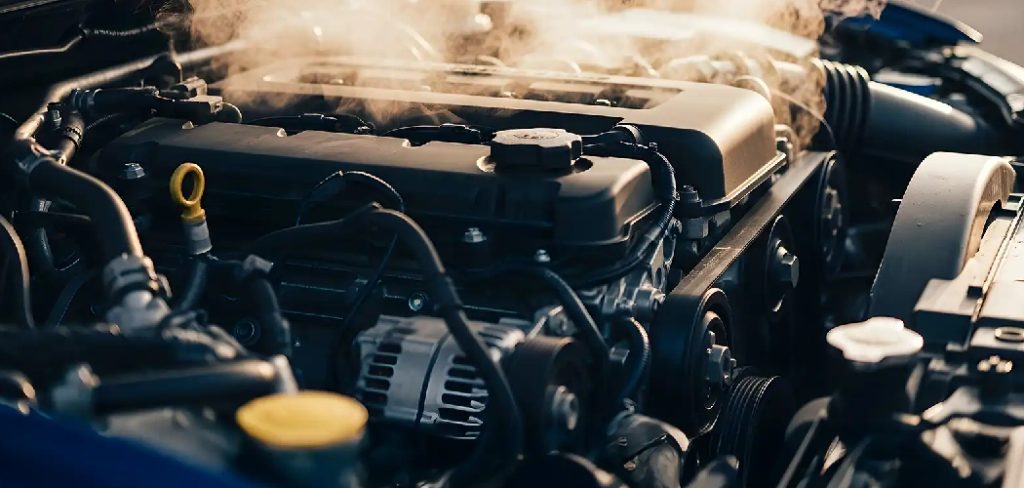
Never remove a radiator cap when the engine is hot. The cooling system can be under pressure, and hot coolant or steam may spray out and cause serious burns. Even if the hood feels only warm, the fluid inside may still be near operating temperature.
Wait until the engine is fully cool before opening anything. For many cars, that means waiting at least 30 minutes to an hour after driving, but longer is safer after a long trip. A cold engine gives you a safer reading and reduces the risk of injury. If you see steam, smell coolant, or notice a warning light, wait longer.
Step 3: Open The Hood And Find The Coolant Reservoir
Open the hood and locate the coolant reservoir, also called the overflow tank. It is usually a clear or semi-clear plastic container near the radiator, often marked with words like “coolant” or symbols related to temperature. Many modern cars rely mainly on this tank for routine level checks.
Do not confuse it with the windshield washer fluid tank. Washer fluid often has a blue cap with a windshield symbol, while the coolant reservoir may have a warning label about pressure or heat. If you are unsure, check the owner manual. It will show the correct location and the type of engine coolant your vehicle needs.
Step 4: Read The Minimum And Maximum Line
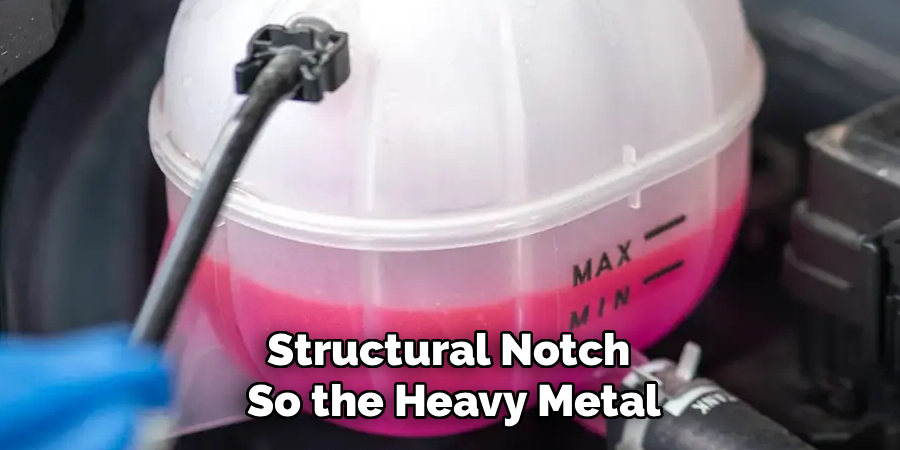
Look at the side of the coolant reservoir for the minimum and maximum line. These markings may say “MIN” and “MAX,” “LOW” and “FULL,” or “COLD” and “HOT.” When the engine is cold, the fluid level should usually sit between the cold minimum and maximum marks.
If the fluid level is slightly below the minimum line, your car may need a top up. If it is far below the line or the tank is empty, there may be a leak or another cooling system problem. Do not ignore repeated low readings. Coolant does not disappear quickly unless something is wrong.
Step 5: Check The Radiator Directly When Needed
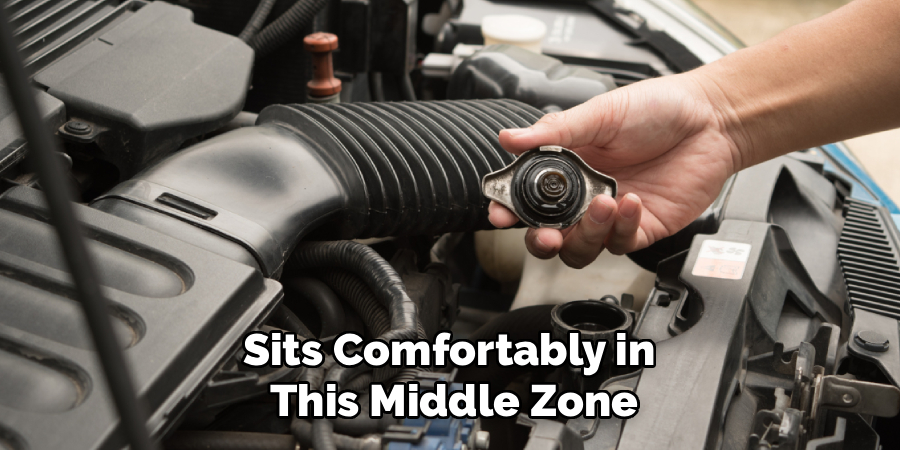
Some older vehicles allow you to check the radiator directly, but only when the engine is completely cold. If your car has a radiator cap, press down gently and turn it slowly only after you are sure there is no heat or pressure in the cooling system. If you feel resistance, hear hissing, or see steam, stop right away.
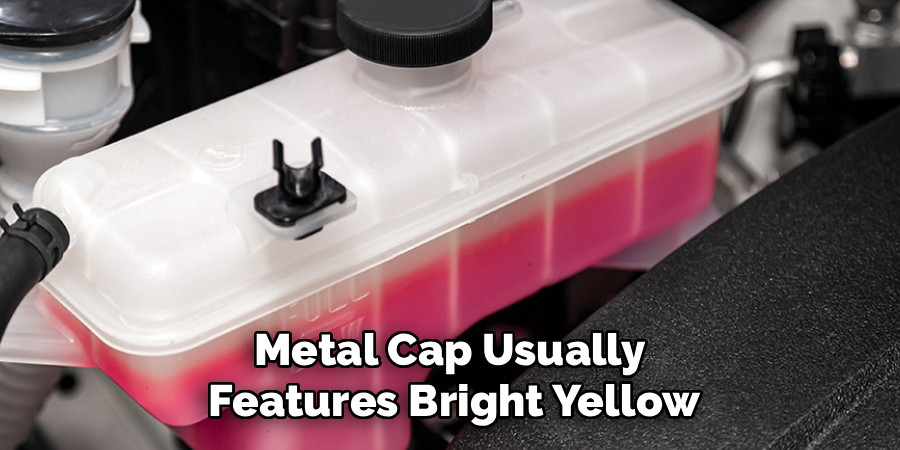
When checking directly, the coolant should usually be near the top of the radiator neck. However, many modern vehicles are designed so you do not need to open the radiator for normal checks. In those cars, the reservoir markings provide the safer and recommended reading.
Step 6: Learn Level In Car Radiator Safely
The safest way to understand how to check water level in car radiator is to treat the cooling system with respect. Coolant may look harmless, but it can be extremely hot, slippery, and toxic. Always check levels with a cold engine, keep your face away from caps, and avoid touching belts, fans, or hot engine parts.
If the level is low, do not pour plain water into the system without thinking about the correct coolant mixture. Many vehicles need a specific antifreeze blend to protect against freezing, boiling, corrosion, and internal damage. Your owner manual is the best guide for the right product.
Step 7: Top Up With The Correct Coolant Mixture
If the coolant reservoir is low, add the correct coolant mixture slowly. Many vehicles use a 50/50 mix of antifreeze and distilled water, but some require a specific formula. Using the wrong coolant can reduce protection, create deposits, or harm seals and internal parts.
Pour only to the recommended mark. Overfilling can cause overflow when the engine warms up and the coolant expands. If you are topping up through the reservoir, replace the cap securely afterward. If your vehicle requires filling at the radiator, follow the owner manual closely. When in doubt, ask a mechanic or auto parts professional before adding fluid.
Step 8: Look For Leaks Around The Cooling System
After checking or topping up, inspect the area around the radiator, coolant reservoir, hoses, water pump, and engine bay. Look for wet spots, crusty residue, colored stains, or a sweet smell. Coolant is often green, orange, pink, yellow, or blue, depending on the type used in your vehicle.
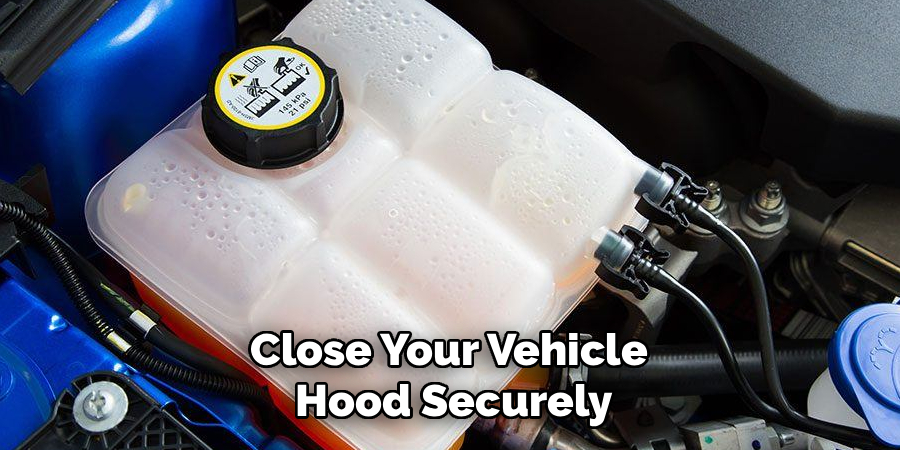
Also check under the car after it has been parked. A small puddle near the front may suggest a leak. Low coolant paired with overheating, a temperature warning light, or bubbling in the reservoir should be taken seriously. Catching leaks early can save the engine from major heat-related damage.
Step 9: Recheck After Driving And Monitor Changes
Once everything is closed and secure, drive normally and watch the temperature gauge. The needle should stay in its usual range. If it rises higher than normal, the warning light comes on, or you smell coolant, pull over safely and turn off the engine.
After the vehicle cools again, recheck the fluid level. A small change may be normal as coolant moves through the system, but a major drop is not. Write down when you topped up and how much fluid you added. This makes it easier to spot patterns and explain the issue to a mechanic if repairs are needed.
Common Mistakes To Avoid
One of the biggest mistakes beginners make is checking the system when the engine is hot. A hot radiator cap can release pressure and cause burns, so always wait for a cold engine. Another common mistake is using the wrong coolant or adding only tap water, which may reduce protection against corrosion and temperature extremes.
Avoid overfilling the coolant reservoir, because fluid expands as the engine reaches operating temperature. Do not ignore leaks, even if they seem small. Also, make sure you are looking at the coolant reservoir, not the washer fluid tank. If you feel unsure, confirm the location and fluid type in the owner manual before adding anything.
Frequently Asked Question
Can I Use Water Instead Of Coolant In My Radiator?
Water can help in an emergency, but it should not be your long-term cooling solution. Engine coolant contains antifreeze and additives that protect against freezing, boiling, rust, and corrosion. Plain water can evaporate faster and may damage internal parts over time. If you add water during an emergency, have the system checked and restored to the proper coolant mixture as soon as possible.
Should I Check Coolant When The Engine Is Hot Or Cold?
You should check coolant when the engine is cold. A hot cooling system may be under pressure, and opening the radiator cap can release steam or boiling coolant. The coolant reservoir may also show different levels when hot because fluid expands. For the safest and most accurate routine check, park on level ground and wait until the engine has fully cooled.
What Happens If The Coolant Level Is Too Low?
Low coolant can cause overheating, poor heater performance, warning lights, and serious engine damage. Without enough fluid, the system cannot move heat away from the engine properly. You may also have a leak in a hose, radiator, water pump, or reservoir. If the level keeps dropping after you top up, do not keep driving without having the system inspected.
How Often Should I Check The Coolant Level?
A good habit is to check the coolant level at least once a month and before long trips. You should also check it if the temperature gauge rises, the heater stops blowing warm air, or you notice a sweet smell near the engine. Your maintenance schedule may recommend specific inspection intervals, so use the owner manual as your main guide.
Why Is My Coolant Reservoir Full But The Radiator Is Low?
This can happen if coolant is not moving properly between the radiator and reservoir. Possible causes include a faulty radiator cap, trapped air, a clogged hose, or a cooling system leak. In some vehicles, checking the radiator directly is not part of normal maintenance, so follow the owner manual. If the radiator is low but the reservoir looks full, have a mechanic inspect the system.
Conclusion
Checking your car’s cooling system is a simple habit that can protect your engine from overheating and costly repairs. Always start with a cold engine, park on level ground, read the coolant reservoir markings, use the correct coolant mixture, and watch for leaks around hoses, the radiator, water pump, and overflow tank.
For the safest results, follow your owner manual and never remove a radiator cap when the engine is hot. Once you know how to check water level in car radiator, you can make this quick inspection part of your regular maintenance routine with confidence.

About
Ora Hayes is a distinguished figure in the world of DIY Thecarfixes, with over a decade of expertise in automotive diagnostics and high-performance maintenance. Her professional focus lies in merging mechanical precision with modern digital tools, fostering repair solutions that are both cost-effective and highly reliable. As the author of Thecarfixes, Ora Hayes delves into the art and science of automotive restoration, inspiring car owners and hobbyist mechanics alike.
Education
RMIT University (Melbourne, Australia) Associate Degree in Automotive Engineering — Focus on vehicle dynamics, industry-driven repair protocols, and advanced diagnostics. Gained hands-on experience with traditional mechanical tools and modern ECU remapping software.
Nottingham Trent University (United Kingdom) Bachelor’s in Mechanical Design and Automotive Engineering (Honors) — Specialized in automotive systems with a focus on blending technical engineering with everyday usability. Participated in industry projects, working with leading automotive manufacturers to gain real-world insights into vehicle longevity.
Publications and Impact
In Thecarfixes, Ora Hayes shares her insights on troubleshooting complex engine issues, material durability, and strategies for efficient garage setups. Her writing bridges the gap between professional mechanic knowledge and the home enthusiast’s needs, making it a must-read for both everyday drivers and seasoned gearheads.