Nothing ruins a great road trip or a daily commute quite like seeing steam billow out from under your hood. Engine overheating remains one of the most common, yet highly preventable, automotive issues drivers face.

When a vehicle overheats, the internal components of the engine expand beyond their design limits. This can warp cylinder heads, blow head gaskets, and cause catastrophic engine failure that costs thousands of dollars to fix. Fortunately, keeping your engine at the perfect operating temperature does not require an advanced degree in mechanics.
This comprehensive guide on how to prevent car from overheating will walk you through exactly how to protect your engine from dangerous heat buildup.
What are the Benefits?
Taking a proactive approach to your vehicle’s cooling system offers several significant advantages. First, you will save a considerable amount of money. Routine maintenance costs a fraction of the price of replacing a seized engine or a blown head gasket.
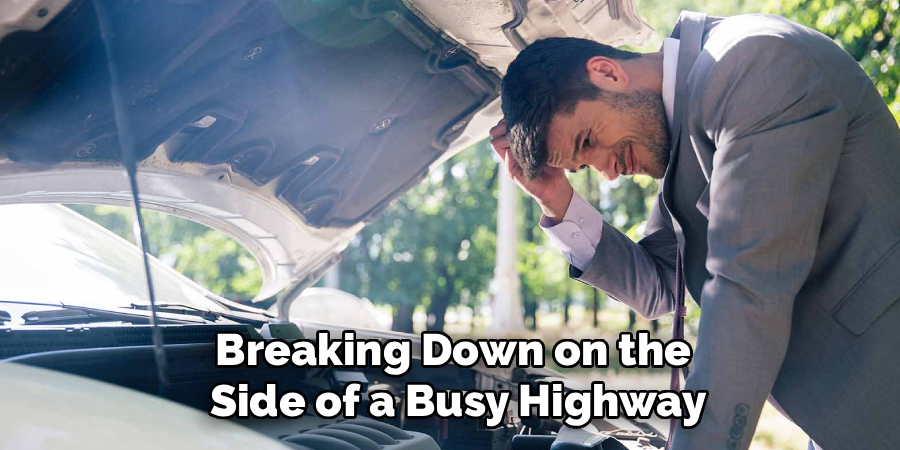
Second, maintaining proper operating temperatures extends the overall lifespan of your vehicle. Parts experience less thermal stress, meaning seals, hoses, and internal metal components last much longer. Third, you gain incredible peace of mind. Knowing your car can handle scorching summer days or long drives across the country removes a major source of travel anxiety. Finally, it ensures your safety. Breaking down on the side of a busy highway or in a remote area puts you and your passengers at unnecessary risk.
What Will You Need?
To properly maintain your cooling system and follow the steps in this guide, gather the following basic items:
- A high-quality flashlight or work light
- Mechanic’s gloves and safety glasses
- The correct type of engine coolant (antifreeze) is specified in your owner’s manual
- Distilled water (if you are mixing your own coolant)
- A clean funnel
- A basic socket set and screwdrivers for minor hose adjustments
10 Easy Steps on How to Prevent Car From Overheating
Step 1: Check Your Coolant Levels Regularly
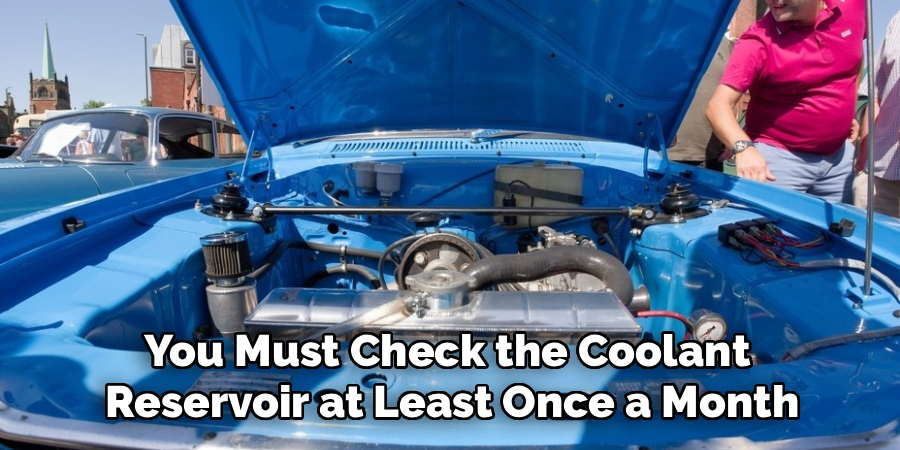
Your coolant is the lifeblood of your engine’s temperature management system. It absorbs extreme heat from the engine block and carries it to the radiator to cool down. You must check the coolant reservoir at least once a month, and always before a long trip. Ensure your engine is completely cold before you open the hood.
Locate the translucent plastic reservoir tank connected to the radiator. You will see lines on the side marked “Low” and “Full” or “Min” and “Max.” If the fluid sits below the minimum line, use your funnel to top it off with a 50/50 mixture of coolant and distilled water. Never open the actual metal radiator cap when the engine is warm, as the highly pressurized, boiling liquid can cause severe burns.
Step 2: Inspect the Condition of Your Belts
The serpentine belt or drive belt plays a crucial role in preventing overheating. This thick rubber belt powers the water pump, which actively circulates the coolant throughout the engine block and radiator. If this belt snaps or slips, the water pump stops turning, and the engine will overheat in a matter of minutes.
Take your flashlight and carefully examine the belt for signs of wear. Look for small cracks, fraying edges, or missing chunks of rubber along the ribbed side. Press down on the belt with your thumb to check the tension; it should feel tight and yield no more than half an inch. If the belt looks brittle or feels loose, replace it immediately to keep your water pump functioning perfectly.
Step 3: Keep an Eye on the Temperature Gauge
Your dashboard temperature gauge is your first line of defense against thermal damage. Get into the habit of glancing at this gauge frequently while you drive, just as you check your speedometer or fuel level. Under normal conditions, the needle should sit roughly in the middle, between the “C” (Cold) and “H” (Hot) markers.
If you notice the needle creeping higher than its usual spot, take it seriously. This slight increase serves as an early warning sign that your cooling system is struggling to keep up with the heat load. Do not wait for the needle to hit the red zone or for a warning light to illuminate before taking action. Early detection allows you to pull over safely and investigate before actual damage occurs.
Step 4: Keep the Radiator Clean and Clear
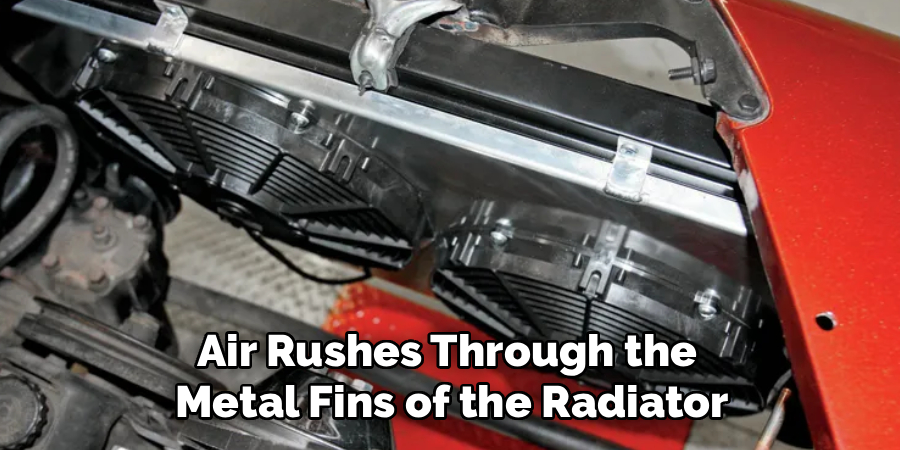
The radiator relies entirely on airflow to dissipate the heat carried by the coolant. As you drive, air rushes through the metal fins of the radiator, cooling the fluid inside. However, these tiny fins act like a net, catching bugs, dirt, leaves, and road debris over time. When the front of the radiator becomes clogged, air cannot pass through, and the engine temperature rises. Every few months, take a close look through your front grille.
If you see an accumulation of debris, use a soft-bristled brush to gently wipe it away. You can also use a garden hose with a low-pressure spray nozzle to wash the debris out from the back of the radiator toward the front. Never use a high-pressure washer, as the intense force will bend the delicate cooling fins.
Step 5: Look for Coolant Leaks Under the Car
A closed cooling system should never lose a significant amount of fluid. If you find yourself constantly topping off the reservoir tank, you have a leak that needs immediate attention. Make it a habit to check the pavement under your parked car. Engine coolant usually looks bright green, orange, or pink, and it has a distinctly sweet smell.
If you spot a puddle with these characteristics, trace it back to the source. Check the thick rubber hoses connected to the radiator, as they can dry rot, swell, or crack over time. Inspect where the hoses clamp onto the metal fittings, as these connection points often loosen due to constant vibration. Fixing a small hose leak now prevents a major loss of coolant while driving.
Step 6: Flush the Cooling System on Schedule
Over time, engine coolant degrades and loses its chemical ability to prevent rust and corrosion. Old fluid can break down and form thick, abrasive sludge inside the engine block and radiator. This sludge blocks the narrow internal passageways, severely restricting the flow of coolant and causing the engine to run incredibly hot.
To prevent this, you must drain the old coolant and flush the entire system according to the timeline in your owner’s manual—typically every 30,000 to 50,000 miles. A proper coolant flush removes the old fluid, washes out scale and rust deposits with a specialized cleaner, and replaces everything with a fresh 50/50 mixture. This simple maintenance task single-handedly restores the efficiency of your vehicle’s entire thermal management system.
Step 7: Test and Replace the Thermostat
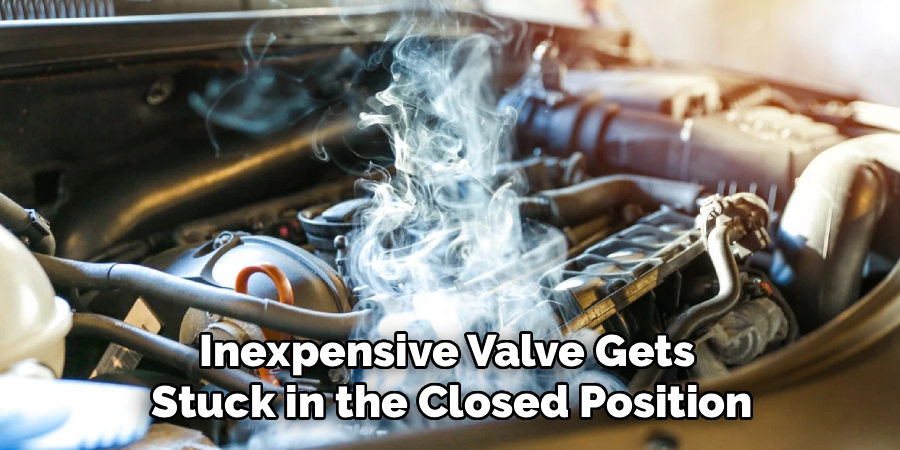
The thermostat acts as a gatekeeper for your engine’s cooling system. When you first start the car, the thermostat stays closed to let the engine warm up quickly. Once the engine reaches its optimal operating temperature, the thermostat opens, allowing coolant to flow into the radiator. If this small, inexpensive valve gets stuck in the closed position, the hot fluid remains trapped inside the engine block, leading to an extremely rapid overheat.
A sticking thermostat often causes the temperature gauge to fluctuate wildly. Because they are mechanical parts subjected to constant extreme heat, they eventually fail. As a preventative measure, many expert mechanics recommend replacing the thermostat every time you perform a routine coolant flush to ensure the system operates flawlessly.
Step 8: Inspect the Water Pump for Signs of Failure
The water pump acts as the heart of your cooling system, forcefully pushing the coolant through the hoses, engine block, and radiator. If the pump’s internal impeller blades erode, or if its bearings fail, coolant will stop circulating. One common warning sign of a failing water pump is a high-pitched whining or grinding noise coming from the front of the engine while it runs.
Additionally, water pumps feature a small “weep hole” near the bottom of the housing. If the internal seals begin to fail, coolant will drip out of this small hole. Grab your flashlight and inspect the area around the water pump. If you see a trail of dried coolant or hear unusual noises, have a professional mechanic replace the pump immediately.
Step 9: Park in the Shade Whenever Possible
While internal mechanical issues cause most overheating problems, external environmental factors play a massive role as well. On a blistering summer day, the ambient heat forces your cooling system to work significantly harder. You can help your vehicle by choosing where you park. Whenever possible, park in a garage, under a carport, or in the shade of a large tree.
Keeping the car out of direct, intense sunlight prevents the engine compartment from baking before you even turn the key. If shade is completely unavailable, utilize a reflective windshield sunshade. While this primarily protects your interior, it also slightly reduces the overall ambient temperature trapped under the hood, giving your cooling system a helpful head start when you begin driving.
Step 10: Use the Heater if Overheating Starts
This final step acts as an emergency preventative measure if you notice the temperature gauge rising while you are stuck in traffic or climbing a steep hill. It sounds incredibly counterintuitive on a hot day, but turning your car’s interior heater to its maximum setting can save your engine. The heater core under your dashboard is essentially a miniature radiator. By turning the heater fan on full blast, you pull a massive amount of heat directly away from the engine block and vent it into the passenger cabin.
Conclusion
Preventing your car from overheating ultimately comes down to basic awareness and consistent routine maintenance.
By keeping a close eye on your temperature gauge and checking your coolant levels frequently, you easily avoid the vast majority of thermal-related breakdowns. Do not wait for a small leak or a worn belt to turn into a catastrophic failure on the highway. Take the time to inspect your system, respect the warning signs your car gives you, and adhere strictly to your fluid flush intervals.
Hopefully, this guide on how to prevent car from overheating has helped you understand the importance of proper cooling system maintenance and given you some practical tips for keeping your car running smoothly.

About
Ora Hayes is a distinguished figure in the world of DIY Thecarfixes, with over a decade of expertise in automotive diagnostics and high-performance maintenance. Her professional focus lies in merging mechanical precision with modern digital tools, fostering repair solutions that are both cost-effective and highly reliable. As the author of Thecarfixes, Ora Hayes delves into the art and science of automotive restoration, inspiring car owners and hobbyist mechanics alike.
Education
RMIT University (Melbourne, Australia) Associate Degree in Automotive Engineering — Focus on vehicle dynamics, industry-driven repair protocols, and advanced diagnostics. Gained hands-on experience with traditional mechanical tools and modern ECU remapping software.
Nottingham Trent University (United Kingdom) Bachelor’s in Mechanical Design and Automotive Engineering (Honors) — Specialized in automotive systems with a focus on blending technical engineering with everyday usability. Participated in industry projects, working with leading automotive manufacturers to gain real-world insights into vehicle longevity.
Publications and Impact
In Thecarfixes, Ora Hayes shares her insights on troubleshooting complex engine issues, material durability, and strategies for efficient garage setups. Her writing bridges the gap between professional mechanic knowledge and the home enthusiast’s needs, making it a must-read for both everyday drivers and seasoned gearheads.