Weather has a way of catching us off-guard, and nowhere is this more apparent than when a sudden windstorm blows through town. If your car is waiting outdoors, exposed and unattended, it becomes a prime target for whatever the breeze happens to pick up. It’s not so much the wind itself that’ll get you—it’s the airborne collection of sticks, flowerpots, and loose odds and ends, each a potential missile waiting to smash your side glass or windshield unexpectedly. So, what’s a car owner to do? Turns out, a little foresight—and a few clever tricks—might save both your wallet and your weekend plans.
Do you need to invest in fancy gear or labor over complex preparations? Not necessarily. Often, simple steps taken at the right moment can be far more effective than anything you find in specialty catalogs. This guide on how to protect car windows from high wind won’t promise miracles, but it will walk you through how such damage occurs and outline a practical process to safeguard your windows the next time the weather report makes you nervous.
How Do High Winds Damage Car Windows?
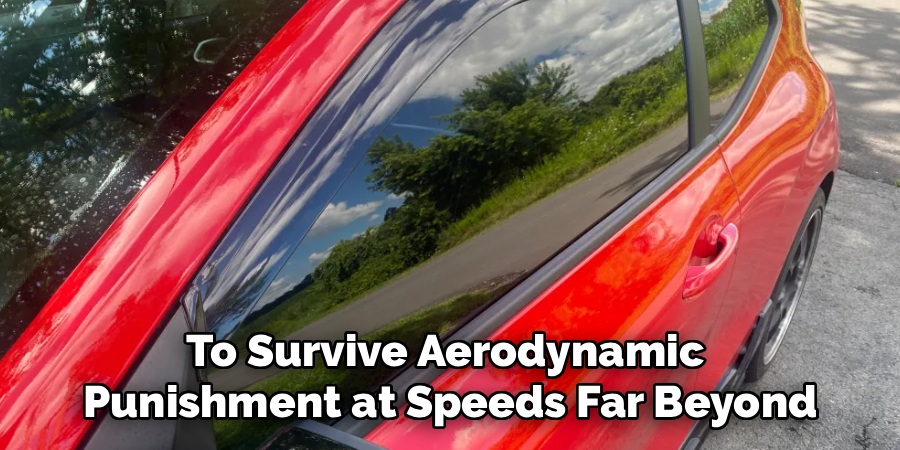
Contrary to what you might expect, high winds almost never break auto glass through sheer force alone. Car windows these days are built tough—engineered, in fact, to survive aerodynamic punishment at speeds far beyond what gusty weather can muster. The real risk lies elsewhere: in garden tools, broken tree limbs, unsecured trash bins—anything with weight and an edge.
The mechanics are simple enough. If a rock or branch, given enough speed by the wind, connects with your glass, the impact can create anything from minor chips to cracks sprawling across the whole pane in seconds. And there’s another catch: storms sometimes trigger abrupt changes in air pressure, which puts extra strain on windows that might already be weakened. A chip you shrugged off last week could turn into an ugly network of cracks overnight.
Tools and Materials You’ll Actually Find Useful
Don’t get drawn in by the latest fad for “storm-ready” gadgets. In most cases, your best allies are items already lying around at home:
- A stack of thick blankets (moving blankets are ideal, but wool quilts or comforters will do)
- Sturdy bungee cords, or in a pinch, heavy rope or ratcheting straps
- Painter’s tape (the automotive-safe variety—sometimes called masking tape; skip anything industrial)
- A car cover, if you have one, that actually fits your vehicle snugly
- Several cardboard boxes, broken down until they’re flat
- Pool noodles—odd as it sounds, these cushion edges better than almost anything else
7 Steps on How to Protect Car Windows From High Wind
Step 1: Find Safer Ground
Above all, where you park matters. With storm winds on the horizon, your first thought should be: Where can I shelter this car? A closed garage, obviously, is first prize. If you don’t have one, try using a building as a windbreak. Just be careful—read the wind direction, and position your car so the building shields it from inbound debris. What seems like a solid tree isn’t always your friend: a heavy branch snapping off during a storm can do more harm than any gust ever could. Power lines, flimsy carports, and construction zones all spell trouble.
Step 2: Cardboard—More Useful Than It Looks
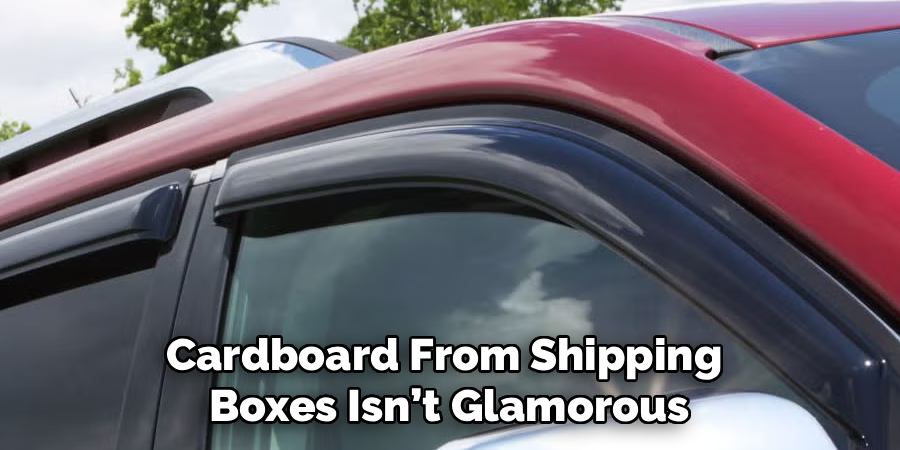
If it’s too late to move the car somewhere safer, time to improvise. Cardboard from shipping boxes isn’t glamorous, but it absorbs shocks surprisingly well. Flatten a few large boxes, cut them to fit the glass areas, and double-check that there aren’t staples or anything sharp to scratch your paint. Fit the cardboard snug against the windshield, back window, and any other glass facing the wind.
The science is dull, but the result is solid: the corrugated middle layer soaks up energy from small debris. A flying pebble might leave a dent in the cardboard and nothing else, which is the best you can hope for sometimes.
Step 3: Layer Up With Heavy Blankets
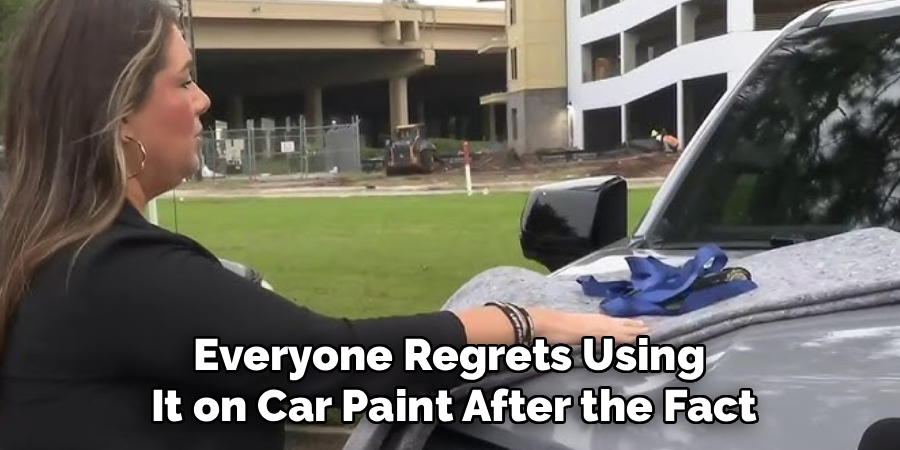
Cardboard’s good for little stuff, but what about heavier, more dangerous objects? Piling a thick moving blanket or quilt over the cardboard, or at least over the windshield area, doubles (or even triples) your protection. Drape the blankets so they reach over the top and down the sides. Try to close the ends of your doors to hold everything in place, especially if you’re worried about gusts ripping them off.
Fabric—especially dense varieties—drastically softens blows from heavier things. Just make sure everything lies flat; bunched-up material leaves gaps for wind to get underneath.
Step 4: Not-So-Glamorous, But Essential—Tie-Downs
There’s little point to all this arrangement if the first blast of wind strips it away. Use bungee cords or good rope to hold the layers tightly against both the glass and the roof. Fasten the hooks to secure, paint-safe areas—under the chassis, inside the wheel wells, or around tow hooks. An “X” configuration, stretching the cords across the windshield and roof, helps press everything down evenly.
A word of warning: if your bungees have metal hooks, protect your paint with rags or plastic. No sense swapping one repair bill for another.
Step 5: Tape Down the Edges
Where does wind get in first? The edges, always the edges. Even a heavyweight blanket can be peeled back by a determined gust if its perimeter is loose. Painter’s tape (the kind designed not to damage car finishes) solves most of this. Run it firmly around the border of your cardboard and blankets, pressing it to clean, dry paintwork. Duct tape or anything harsh is a shortcut to an expensive repaint job; don’t be tempted.
If you’re careful to leave no gaps, this step massively improves your odds of getting through the night with everything intact.
Step 6: The Final Layer—A Fitted Car Cover
If you already own an outdoor car cover that fits well—no, not the baggy old thing you found in the basement—slip it on now as your finish line. Let it encompass the cardboard, blankets, and tape underneath. The cover’s elastic edges will clamp down most of what you’ve set up, and if you fasten a cable or extra strap underneath the car, you’ll be miles ahead of the guy down the street relying only on bungees.
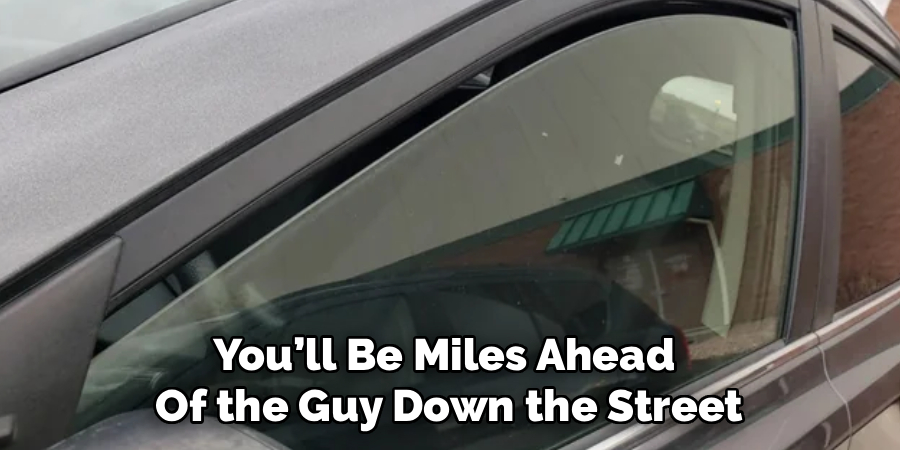
The main role here? Smoothing out sharp corners and sealing everything from high-speed gusts. If nothing catches the wind, nothing can tear your setup apart.
Step 7: Tidy Up Anything the Wind Might Grab
So, your car looks like the world’s most overprotected target. But what about its surroundings? Walk the area. Pick up every flowerpot, garbage bin, forgotten soccer ball, and garden gnome in sight. Anything small and portable is potential ammunition for the storm. If you wouldn’t want it hurled at your windshield, put it somewhere safe indoors.
Frankly, this sort of patrol is usually more effective than any blanket or tape job—cut down the debris, and you cut down your actual risk.
Following these steps on how to protect car windows from high wind and hail should give you peace of mind knowing that your vehicle has the best chance to weather any storm. However, in case of extreme weather conditions, it is always a good idea to have an emergency plan in place.
Common Pitfalls: What (Not) to Do
One of the oldest mistakes in the book is trusting the shade of a large tree. Trees fall, branches snap, and what starts as a clever hiding place quickly becomes a disaster zone. Another blunder? Duct tape.
Everyone has some; everybody thinks it’ll hold through the apocalypse, and everyone regrets using it on car paint after the fact. Last but not least, don’t ignore the edges; if you don’t tape them, your hard work can vanish into the next county.
Context Is Everything: Environmental Details That Matter
Every place has its quirks. Coastal dwellers know salt and sand get everywhere; your protective setup needs to keep abrasive dust off the glass as much as possible, or you’ll face permanent scratches on top of everything else. In the city, keep an eye on construction sites, loose shingles, or anything teetering on a balcony. Urban wind can funnel sharply through alleyways and side streets, intensifying its force right where cars park.
It’s worth tailoring your approach to what’s likely to go airborne in your own neighborhood—one-size-fits-all solutions rarely work for storm prep.
Extra Pointers That Might Actually Matter
If storms are common where you live, it’s not a bad idea to spend a little on a fitted, impact-resistant pad for your windshield—look for versions with real shock-absorbing material, not just thin foam. If you’re actually in your car when the winds hit, pull over safely and turn your nose into the wind; it’s counterintuitive, but this minimizes the area that debris can strike.
And always, always double-check your insurance covers glass damage from the weather, not just collisions. It’s the kind of small-print detail you only remember when it’s too late.
Frequently Asked Questions
Q1: Bubble Wrap—Gimmick or Genuine Help?
Big-bubble packaging can offer a surprising level of cushioning for minor debris, so using it as a base layer isn’t the worst idea. But it tends to blow off if not held down well, and you definitely still need to top it with a blanket or something heavier. Think of it as bonus padding, not standalone armor.
Q2: Tiny Crack—Big Problem?
Sadly, yes. A windshield with an existing chip or small crack is vulnerable. High winds can push that flaw into a major problem quickly, especially when sudden dips in air pressure add stress. That tiny fissure could become a sprawling crack during the next serious storm.
Q3: Insurance—Will They Actually Pay?
If you have comprehensive coverage, you’re typically protected against damage to car glass from severe wind and the flotsam it brings. But don’t take my word for it—read your policy, call your agent, and make sure you know your deductible before weather becomes an issue. Assumptions are free; replacements are not.
Conclusion
Taking action before a storm, even with low-tech materials, pays off. A little effort and careful planning go a long way toward preventing hours (or even days) of hassle after the skies clear. Choose your parking spot with care, keep the tape and blankets handy, and walk your perimeter for forgotten hazards.
With a bit of common sense and a measured approach, you can keep your car’s glass intact—no matter what the forecast threatens. Thanks for reading this guide on how to protect car windows from high wind.

About
Ora Hayes is a distinguished figure in the world of DIY Thecarfixes, with over a decade of expertise in automotive diagnostics and high-performance maintenance. Her professional focus lies in merging mechanical precision with modern digital tools, fostering repair solutions that are both cost-effective and highly reliable. As the author of Thecarfixes, Ora Hayes delves into the art and science of automotive restoration, inspiring car owners and hobbyist mechanics alike.
Education
RMIT University (Melbourne, Australia) Associate Degree in Automotive Engineering — Focus on vehicle dynamics, industry-driven repair protocols, and advanced diagnostics. Gained hands-on experience with traditional mechanical tools and modern ECU remapping software.
Nottingham Trent University (United Kingdom) Bachelor’s in Mechanical Design and Automotive Engineering (Honors) — Specialized in automotive systems with a focus on blending technical engineering with everyday usability. Participated in industry projects, working with leading automotive manufacturers to gain real-world insights into vehicle longevity.
Publications and Impact
In Thecarfixes, Ora Hayes shares her insights on troubleshooting complex engine issues, material durability, and strategies for efficient garage setups. Her writing bridges the gap between professional mechanic knowledge and the home enthusiast’s needs, making it a must-read for both everyday drivers and seasoned gearheads.