Cold mornings can turn a normal drive into a frustrating problem when your vehicle door refuses to move. Learning how to open car door that is frozen helps you avoid broken handles, torn rubber weather stripping, scratched paint, and damaged locks.
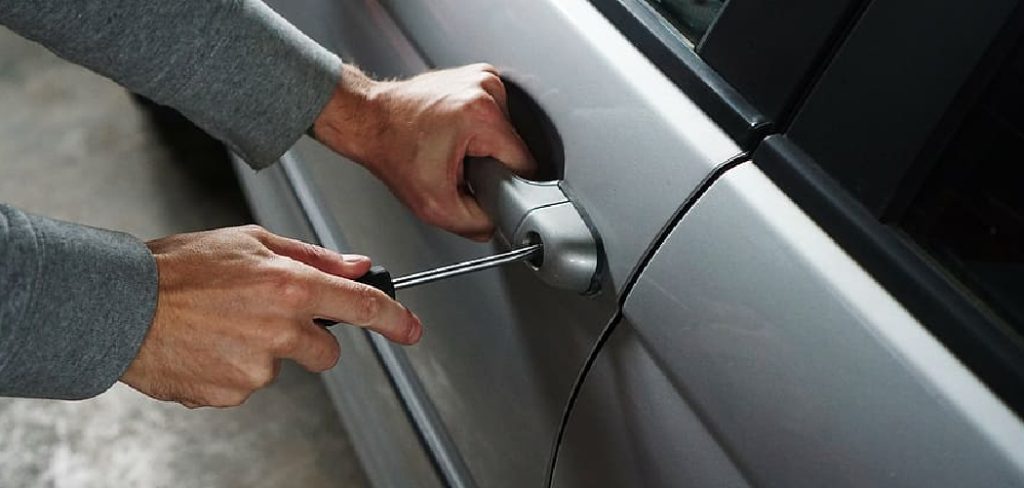
A frozen door usually happens when moisture gets between the door seal and the door frame, then freezes overnight. Sometimes the problem is ice buildup around the edges, while other times the lock cylinder or latch is frozen shut. The good news is that most frozen doors can be opened safely with patience, gentle pressure, and the right method. This guide walks you through each step in a beginner-friendly way so you can get into your car without causing expensive damage.
Why Opening A Frozen Car Door Requires Care
A frozen car door is not just stuck; it may be sealed by ice in several places at once. The rubber weather stripping can freeze to the metal door frame, the lock cylinder can jam, and moisture around the handle can harden into ice. Pulling too hard may rip the door seal, snap a handle, or bend small parts inside the latch. Using boiling water can also crack glass, damage paint, or create more ice once it cools. Care matters because modern vehicles use delicate electronics, key fobs, remote unlock systems, and interior latch parts that do not respond well to force. A slow, careful approach protects the car and gets better results.
Step-By-Step Guide: How To Open Car Door That Is Frozen
Step 1: Check Every Door Before Forcing The Driver’s Door
Start by staying calm and checking all the doors, including the passenger doors and rear doors. Sometimes only one side of the car faces wind, freezing rain, or packed snow, so another door may open more easily. Use your key fob or remote unlock first and listen for the locks to move. If one door opens, climb in carefully and start the car if it is safe to do so. Warm air from the cabin can slowly help loosen ice around the stuck door from the inside. This simple check can save you from pulling too hard on a frozen handle.
Step 2: Remove Loose Snow And Ice Around The Door Frame
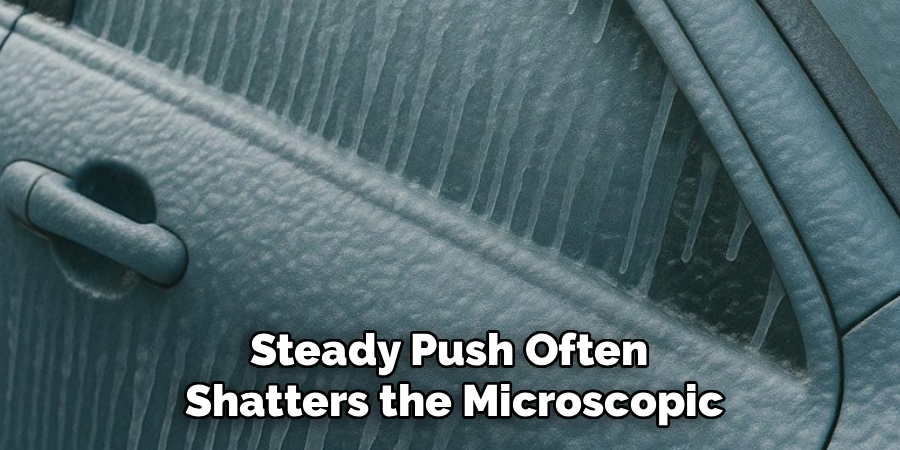
Before you try to open the door again, clear away snow and loose ice from the door frame. Use a scraper, gloved hand, or soft brush to remove buildup around the edges of the door, handle, window, and mirror area. Pay close attention to the gap where the door meets the body of the car. Ice in this area can act like glue between the metal and the rubber door seal. Work slowly so you do not scratch the paint. Removing the outer layer of ice gives the door a better chance to release with less effort.
Step 3: Press The Door Inward Before Pulling It Open
Instead of pulling the handle harder, press the door inward with firm but gentle pressure. This may sound backward, but it can help crack the thin ice layer holding the rubber weather stripping to the door frame. Press near the edges of the door, not on the window glass. You may hear small cracking sounds as the ice breaks loose. After pressing in a few places, try the handle again with steady, controlled force. Do not yank or bounce your weight against the door. Gentle pressure is much safer for the handle, latch, and weather seal.
Step 4: Warm The Door Seal With Safe Heat
If the door still will not open, apply safe warmth around the frozen edges. A hair dryer or portable heat tool can help if you have access to power and can use it safely outside. Keep the warm air moving and do not hold heat in one spot for too long. Focus on the door frame, handle area, and lower edge where moisture often collects. Avoid open flames, heat guns set too high, and boiling water. Too much heat can damage paint, plastic trim, or glass. Slow warming helps soften ice without shocking the surface.
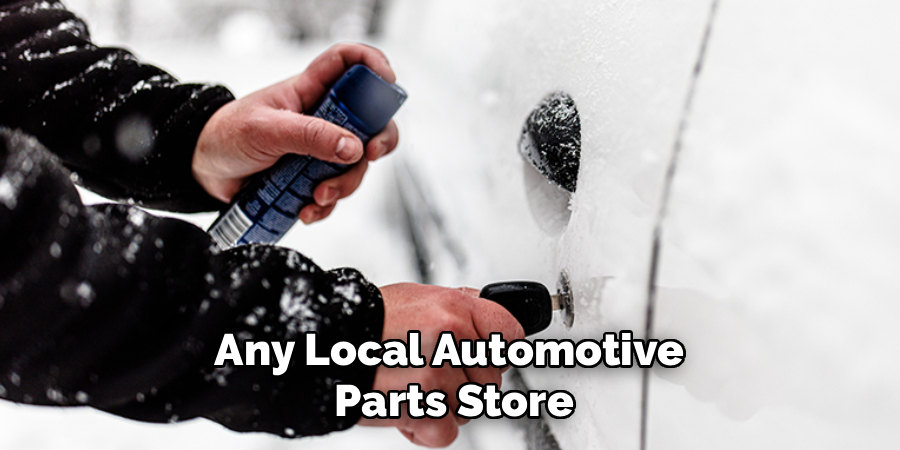
Step 5: Use De-Icer Spray On The Lock And Handle Area
A de-icer spray can be very helpful if the lock cylinder, handle, or latch area is frozen. Spray a small amount into the lock opening if your vehicle has one, then wait a few minutes while it works. If your car uses only a key fob, spray around the handle seams and any visible gaps where ice may have formed. Do not flood the area with too much product. A little patience gives the de-icer time to melt ice buildup. This is also a useful winter car care item to keep at home or in a bag.
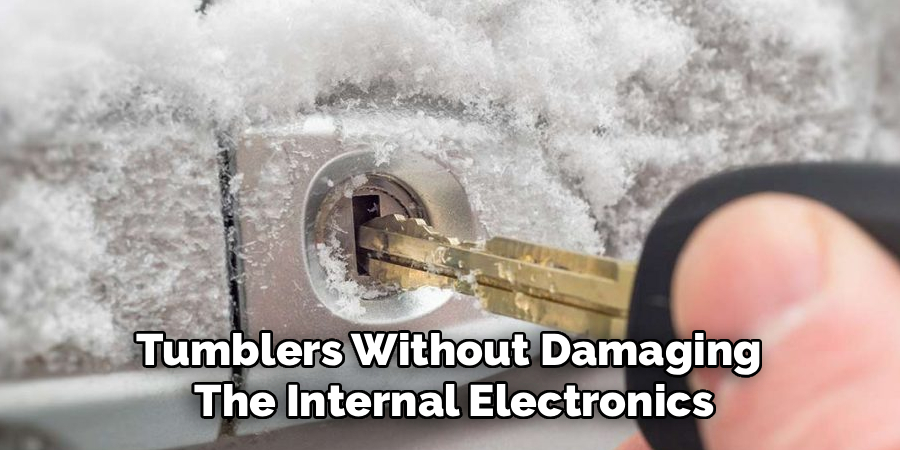
Step 6: Try The Key Or Remote Unlock Again
After warming the area or using de-icer, try unlocking the door again. If your car has a physical key, insert it gently into the lock cylinder and turn it slowly. Never force the key if it will not move, because it can bend or break inside the frozen lock. If you use a key fob, press the remote unlock button and listen carefully for movement. Sometimes the lock mechanism releases after the ice softens, even if the door still needs a little help. This is where patience matters when learning how to open car door that is frozen without damage.
Step 7: Work Around The Door Edges With Gentle Pressure
Once the lock releases, work around the door edges again. Press inward along the top, side, and lower door frame, then pull the handle gently. If one section starts to loosen, do not pull the door open suddenly. Ice may still be holding another part of the rubber door seal. Move slowly and repeat the press-and-release method around the stuck area. You can also tap lightly with the palm of your hand near the frame to break brittle ice. Keep your movements controlled. The goal is to separate the ice, not overpower the door.
Step 8: Start The Car And Prevent Refreezing
After the door opens, start the vehicle if conditions are safe and let the heater run. Warm air inside the cabin helps loosen any remaining ice around other doors and the interior latch. Wipe moisture from the door seal and door frame with a dry cloth. If the rubber weather stripping looks wet, drying it now can reduce refreezing later. Before closing the door again, check that the latch moves normally. A door that opens but will not latch securely should not be ignored. Once everything works, close the door gently and confirm it is fully shut.
Frequently Asked Question
Can I Pour Hot Water On A Frozen Car Door?
It is better to avoid hot or boiling water. Sudden heat can crack glass, damage paint, and make rubber seals age faster. Water can also run into the lock cylinder, handle, or door seal, then freeze again later. If you must use water, use lukewarm water only and dry the area right away. A de-icer spray or warm air is usually safer.
What Should I Do If My Car Key Will Not Turn In The Frozen Lock?
Do not force the key, because it may bend or snap inside the lock cylinder. Warm the key slightly with your hands or use a lock de-icer made for vehicles. Insert the key gently and wait a few seconds before turning. You can repeat the process if needed. If the lock still will not move, use remote unlock if available or call for help.
Why Does My Car Door Freeze Shut Overnight?
Car doors usually freeze shut when moisture gets between the rubber weather stripping and the metal door frame. This moisture may come from rain, snow, car washing, melting ice, or condensation. When temperatures drop, the moisture hardens and seals the door closed. Wind can make it worse by pushing wet snow into small gaps around the door and handle.
How Can I Stop My Car Door From Freezing Again?
Dry the door seals after washing your car or driving through wet snow. You can also apply a rubber-safe silicone protectant to clean weather stripping to help reduce sticking. Park in a garage or sheltered area when possible. Keep a scraper and de-icer nearby, but not locked inside the car. Regular winter car care makes frozen doors much less common.
Is It Safe To Pull Hard On A Frozen Car Door Handle?
Pulling hard is not safe because the handle, latch cable, or plastic trim can break before the ice releases. Many modern handles are not designed to handle heavy force in freezing conditions. Press the door inward first, clear ice around the frame, and use warmth or de-icer. If the door still will not open, it is better to wait or get roadside help.
Conclusion
A frozen car door is annoying, but you can usually open it safely with the right approach. Start by checking other doors, clearing snow and ice, pressing inward, using safe warmth, applying de-icer when needed, and working gently around the door frame. Avoid boiling water, sharp tools, and hard pulling because they can cause more damage than the ice itself.
With patience and basic winter car care, you can handle how to open car door that is frozen with confidence and protect your vehicle at the same time.

About
Ora Hayes is a distinguished figure in the world of DIY Thecarfixes, with over a decade of expertise in automotive diagnostics and high-performance maintenance. Her professional focus lies in merging mechanical precision with modern digital tools, fostering repair solutions that are both cost-effective and highly reliable. As the author of Thecarfixes, Ora Hayes delves into the art and science of automotive restoration, inspiring car owners and hobbyist mechanics alike.
Education
RMIT University (Melbourne, Australia) Associate Degree in Automotive Engineering — Focus on vehicle dynamics, industry-driven repair protocols, and advanced diagnostics. Gained hands-on experience with traditional mechanical tools and modern ECU remapping software.
Nottingham Trent University (United Kingdom) Bachelor’s in Mechanical Design and Automotive Engineering (Honors) — Specialized in automotive systems with a focus on blending technical engineering with everyday usability. Participated in industry projects, working with leading automotive manufacturers to gain real-world insights into vehicle longevity.
Publications and Impact
In Thecarfixes, Ora Hayes shares her insights on troubleshooting complex engine issues, material durability, and strategies for efficient garage setups. Her writing bridges the gap between professional mechanic knowledge and the home enthusiast’s needs, making it a must-read for both everyday drivers and seasoned gearheads.