A blown engine can turn a normal drive into an expensive emergency. The phrase usually means the engine has major internal damage, such as a failed head gasket, cracked block, damaged piston, seized bearing, or loss of compression. Some symptoms look small at first, like smoke, overheating, or rough running, but they can point to serious trouble.
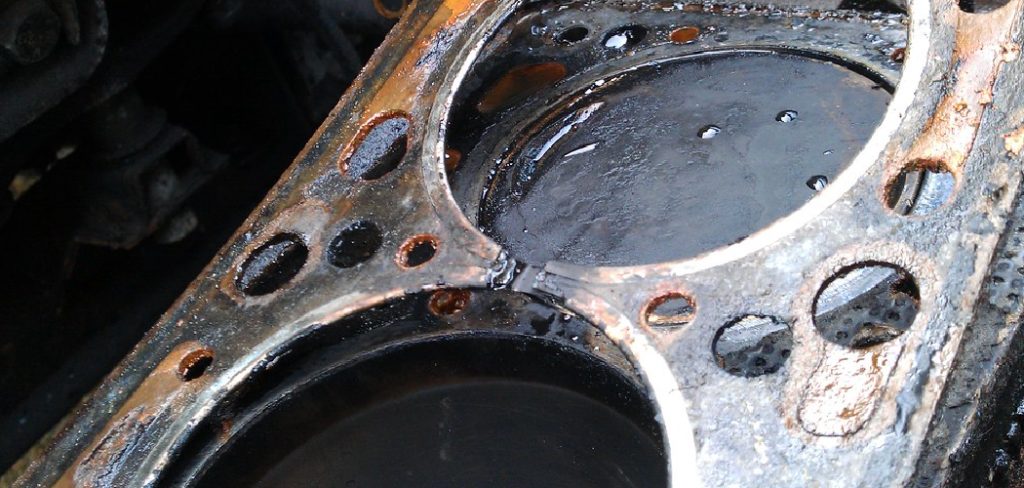
Learning how to know your engine is blown helps you avoid making the damage worse. If you keep driving with severe engine failure, repair costs can rise fast and the vehicle may become unsafe. This guide explains the main signs, what each one may mean, and when to stop driving and call a mechanic.
Why Knowing The Signs Matters
Spotting serious engine trouble early can save money, protect your safety, and help you make better repair decisions. A damaged engine may still start, but that does not mean it is safe to drive. Running it for even a few more minutes can cause more heat, more friction, and deeper internal damage.
Knowing the warning signs also helps you avoid guessing. Smoke, knocking, overheating, leaks, and loss of power each tell a different part of the story. When several signs appear together, you can act quickly instead of hoping the problem goes away.
The main benefit is simple: you can stop driving before a repairable issue becomes a full engine replacement.
Step-By-Step Guide To How to Know Your Engine is Blown
Before you inspect anything, park on level ground and choose a safe location away from traffic. Let the engine cool before touching hoses, caps, or metal parts. Hot coolant and oil can cause serious burns.
This section explains how to know your engine is blown by checking the most common signs in a practical order. These checks do not replace a professional diagnosis, but they can help you decide whether the vehicle needs immediate attention.
Step 1: Check For Heavy Exhaust Smoke
Exhaust smoke is one of the clearest signs of engine trouble. A small amount of white vapor on a cold morning can be normal, but thick smoke that continues after warm-up is not.
Blue smoke often means the engine is burning oil. This can happen when piston rings, valve seals, or cylinder walls wear out. Thick white smoke may mean coolant is entering the combustion chamber, often because of a bad head gasket or cracked part.
Black smoke usually points to too much fuel, but it still needs attention if the engine runs rough or smells strong.
Step 2: Listen For Knocking Or Metallic Sounds
A healthy engine should sound steady. Loud knocking, banging, grinding, or sharp metallic tapping can signal serious internal wear.
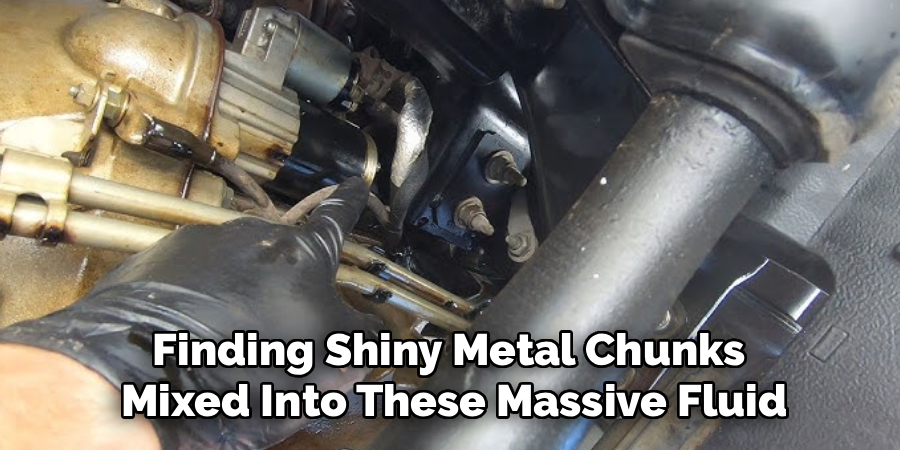
A deep knock from the lower part of the engine may point to worn rod bearings or crankshaft damage. These parts need constant oil pressure. When lubrication fails, metal parts hit harder and wear quickly.
A ticking sound from the top of the engine may come from valve train problems, low oil, or poor oil flow. Do not rev the engine to test the sound. If the noise is loud or sudden, shut it off.
Step 3: Watch The Temperature Gauge
Overheating can damage an engine fast. If the temperature gauge moves into the red zone, pull over safely and turn the engine off. Continuing to drive can warp the cylinder head, damage the head gasket, or crack the engine block.
You may also notice steam, a sweet coolant smell, or a warning light. These signs suggest the cooling system cannot control heat.
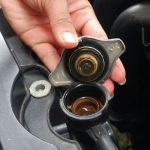
Never open a hot radiator cap. The system is under pressure, and hot coolant can spray out. Wait until the engine cools, then check coolant levels if it is safe.
Step 4: Inspect The Engine Oil
Engine oil should look amber, brown, or dark depending on its age. If it looks milky, creamy, or foamy, coolant may be mixing with the oil. This is a serious warning sign.
Coolant in the oil reduces lubrication. Without proper lubrication, bearings, pistons, and other moving parts can wear or fail quickly. This often happens after a head gasket failure, cracked head, or cracked block.
Check the dipstick and the underside of the oil cap. If you see a milkshake-like residue, avoid driving until a mechanic inspects the engine.
Step 5: Notice Sudden Loss Of Power
Major engine damage can cause weak acceleration, shaking, hesitation, or stalling. You may press the gas pedal and feel the vehicle struggle to respond.
This can happen when one or more cylinders lose compression. Compression is the pressure needed for the engine to burn fuel properly. If a piston, valve, gasket, or cylinder wall fails, the engine may not create enough pressure.
Power loss can also come from fuel, ignition, or sensor issues. Still, when power loss appears with smoke, knocking, overheating, or oil contamination, the risk of severe engine damage rises.
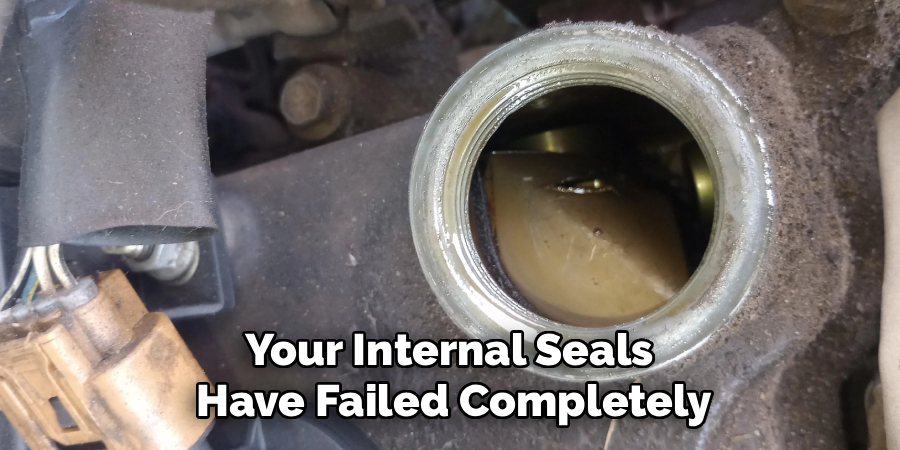
Step 6: Look For Fresh Fluid Leaks
Fresh leaks under the vehicle can reveal important clues. Oil leaks usually look brown or black and feel slick. Coolant may look green, orange, pink, or yellow and often smells sweet.
A large oil leak can starve the engine of lubrication. When oil pressure drops, internal parts can overheat and grind against each other. Coolant leaks can also lead to overheating, which may damage the head gasket or block.
Do not ignore sudden puddles, especially after rough running or warning lights. A leak may seem small, but the damage it causes can be major.
Step 7: Pay Attention To Starting Problems
A badly damaged engine may crank unevenly, crank very slowly, or refuse to start. Sometimes it starts but shakes, stalls, or sounds like it is struggling to turn.
If the starter clicks but the engine does not rotate, the engine may be seized. A seized engine means internal parts may be locked in place because of heat, lack of oil, or mechanical failure.
Starting problems can also come from a dead battery, bad starter, or fuel issue. The full pattern matters. If no-start trouble appears with smoke, overheating, or knocking, treat it as serious.
Step 8: Ask For A Compression Test
A compression test gives a clearer answer than guessing from symptoms alone. A mechanic removes the spark plugs and measures how much pressure each cylinder can hold.
Low compression in one or more cylinders can point to worn piston rings, bent valves, a blown head gasket, or internal damage. A leak-down test can go even further by showing where pressure escapes.
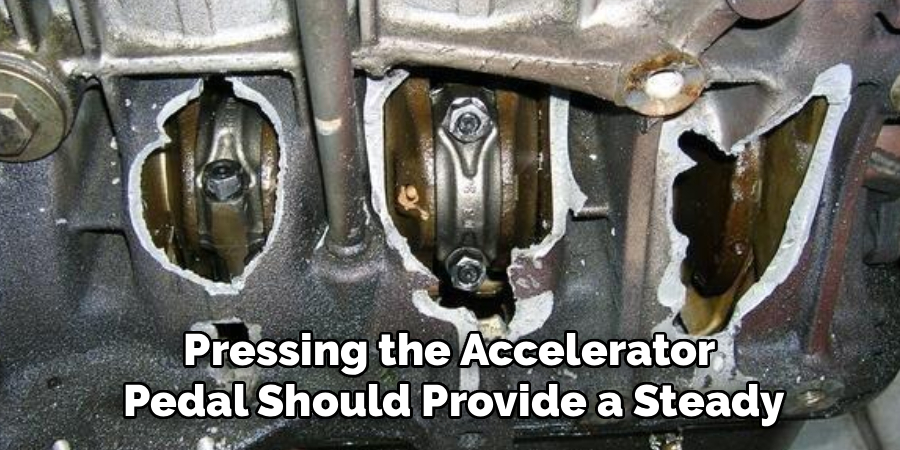
At this stage, how to know your engine is blown comes down to evidence. If several cylinders show poor pressure, repair may be expensive. A professional can help compare repair, rebuild, and replacement options.
Frequently Asked Questions
Can A Blown Engine Still Start?
Yes, a severely damaged engine can sometimes still start. It may run rough, smoke, knock, overheat, or lose power soon after starting. Starting does not mean the engine is healthy or safe to drive. If you notice several warning signs at once, shut it off and arrange an inspection before causing more damage.
Is A Blown Head Gasket The Same As A Blown Engine?
Not always. A blown head gasket is a serious engine problem, but it does not always mean the whole engine is ruined. If caught early, the gasket may be repairable. If you keep driving while the engine overheats or coolant mixes with oil, the damage can spread and lead to full engine failure.
How Much Does Major Engine Damage Cost To Fix?
The cost depends on the vehicle, the damaged parts, and the repair method. A head gasket repair may cost far less than replacing the engine. Rebuilding or replacing an engine often costs much more because the work takes many labor hours, special tools, and careful testing after installation.
Should I Drive With Serious Engine Warning Signs?
No, you should avoid driving if the engine knocks loudly, overheats, smokes heavily, leaks a lot of oil, or shows milky oil. Driving can turn a repairable problem into a total failure. Pull over safely, turn the engine off, and call a tow truck or mechanic for help.
What Usually Causes Severe Engine Failure?
Common causes include overheating, low oil, old oil, coolant leaks, failed timing belts, poor maintenance, and ignoring warning lights. Engines need clean oil, proper cooling, and correct timing to work safely. Small problems often become severe when drivers keep driving after the first signs appear.
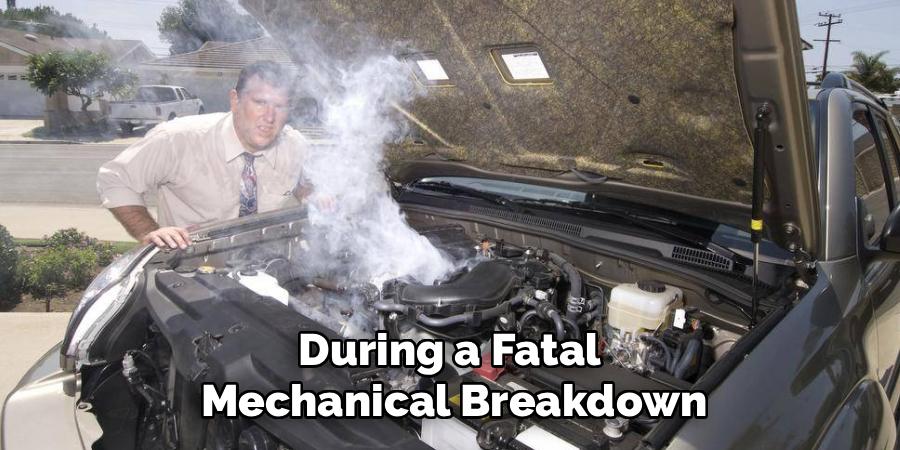
Conclusion
Serious engine problems usually give warnings before total failure. Heavy exhaust smoke, loud knocking, overheating, milky oil, sudden power loss, fresh leaks, and severe starting issues all deserve quick action. A compression test or leak-down test can confirm what is happening inside the engine.
Once you understand how to know your engine is blown, you can make safer and smarter decisions. If several symptoms appear together, stop driving and get a professional diagnosis. Fast action can help limit damage, lower repair costs, and show whether repair, rebuilding, or replacement makes the most sense.

About
Ora Hayes is a distinguished figure in the world of DIY Thecarfixes, with over a decade of expertise in automotive diagnostics and high-performance maintenance. Her professional focus lies in merging mechanical precision with modern digital tools, fostering repair solutions that are both cost-effective and highly reliable. As the author of Thecarfixes, Ora Hayes delves into the art and science of automotive restoration, inspiring car owners and hobbyist mechanics alike.
Education
RMIT University (Melbourne, Australia) Associate Degree in Automotive Engineering — Focus on vehicle dynamics, industry-driven repair protocols, and advanced diagnostics. Gained hands-on experience with traditional mechanical tools and modern ECU remapping software.
Nottingham Trent University (United Kingdom) Bachelor’s in Mechanical Design and Automotive Engineering (Honors) — Specialized in automotive systems with a focus on blending technical engineering with everyday usability. Participated in industry projects, working with leading automotive manufacturers to gain real-world insights into vehicle longevity.
Publications and Impact
In Thecarfixes, Ora Hayes shares her insights on troubleshooting complex engine issues, material durability, and strategies for efficient garage setups. Her writing bridges the gap between professional mechanic knowledge and the home enthusiast’s needs, making it a must-read for both everyday drivers and seasoned gearheads.