If you want your car’s engine to last, or even just run properly, choosing the right oil isn’t something to shrug off. Sure, it’s tempting to grab whatever’s on sale at the store. But that bottle might do more harm than good. Engine oil isn’t just slippery stuff—its whole job is to keep metal bits from grinding into each other, whisk away heat, and, if you’re lucky, delay the next big repair bill.

Mess this up, and you risk sluggish performance, lousy gas mileage, or, in the worst cases, staring at a repair estimate that’s several zeroes beyond what you can live with. Knowing what oil belongs in your car—well, that’s just good sense. In this guide on how to know what oil your car takes, we’ll cover the basics of engine oil and provide some tips on how to choose the right oil for your vehicle.
What is Engine Oil?
Engine oil, also known as motor oil, is a lubricating substance that is used in internal combustion engines to reduce friction and prevent wear and tear on moving parts.
It is typically made up of base oils, additives, and detergents to protect the engine from rust, corrosion, and buildup of debris.
Understanding Viscosity
One important aspect to consider when choosing the right oil for your car is its viscosity. Viscosity refers to how easily a liquid can flow and its resistance to deformation under stress or pressure. In simpler terms, it determines how thick or thin the oil is.
The Society of Automotive Engineers (SAE) has provided a standardized rating system for engine oils based on their viscosity at different temperatures. The numbers in the rating represent the oil’s thickness at cold temperatures (represented by the number followed by a “W” for winter) and at high temperatures (represented by the number after the “W”). For example, an oil with a rating of 5W-30 means that it has a viscosity of 5 at cold temperatures and 30 at high temperatures.
It is important to follow your car manufacturer’s recommended viscosity rating for your specific make and model. Using the wrong type of oil can result in poor engine performance and potentially cause damage to your car’s engine. This is because different engines require different levels of thickness in their oils to operate properly.
Check the Owner’s Manual
Let’s not make this harder than it needs to be. Reach for the owner’s manual—the one that’s gathering dust in your glovebox or lurking as a PDF online. Every manufacturer spells out, with a kind of clinical certainty, precisely which oils are fit for a given engine (sometimes down to the serial number).
It’s all there: viscosity, certifications, maybe even a suggested brand if they’re feeling particular. Lose the book? Most automakers have online manuals now. Finding your answer may take five minutes and exactly zero arguments with a stranger.
7 Simple Step-by-step Guidelines on How to Know What Oil Your Car Takes
Step 1: Locate the Oil Filler Cap Under the Hood
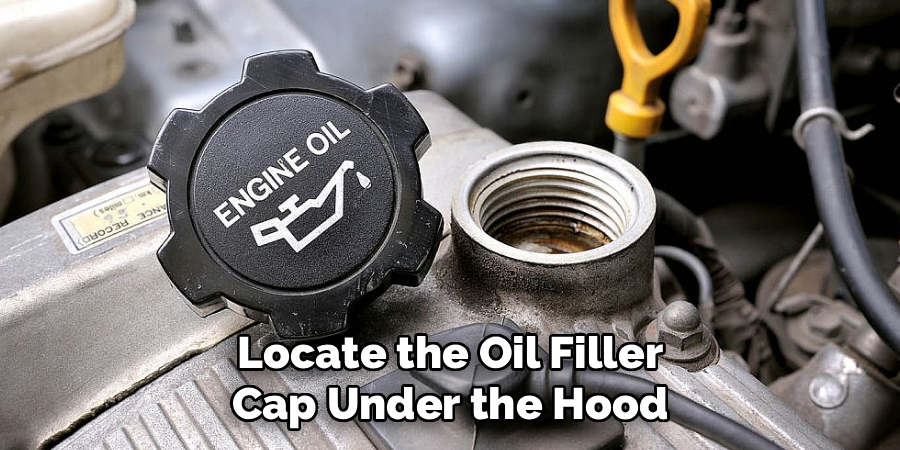
If you pop the hood and squint at the engine, you’ll likely spot the oil filler cap. A lot of manufacturers print the magic numbers right there—5W-20, 5W-30, or maybe 0W-20—plain as day. It’s practical, really: mechanics and forgetful owners alike can’t miss it during top-offs. Unless, of course, the cap is caked with grime or someone swapped it for an aftermarket one years ago. If the label is gone or unreadable, you’ll have to use another tactic.
Step 2: Look Up Your Vehicle Identification Number (VIN)
Here’s a trick: the VIN, usually visible through the windshield or inside the door frame, is like your car’s DNA. Jot it down—it’s 17 characters, so double-check every digit. With that, you can ring up the dealership or use an online decoder to uncover exactly which engine is under the hood. This is key, especially if your model was sold with multiple engines in the same year. Guess wrong and, well, you might end up with something your engine resents.
Step 3: Understand Viscosity Ratings and Climate Needs

“Viscosity” may sound technical, but think of it as the oil’s thickness, and the numbers—something like 5W-30—offer a shorthand for how the oil behaves in cold and warm conditions. The lower the first number, the more willingly oil moves on a frosty morning. Some owner’s manuals include a chart for this very topic, taking regional temperature swings into account. If you’re in southern Arizona, you’re not dealing with the same problems as someone driving through a Minnesota winter. Picking the right viscosity is a balancing act with the weather.
Step 4: Choose Between Synthetic and Conventional
The debate over synthetic versus conventional oil isn’t really a clash of equals. Newer cars, as a rule, expect synthetic—it’s chemically refined, stands up to heat, and breaks down less quickly. There are budget considerations, of course. Conventional oil usually costs less but is a bit needy when it comes to change intervals. Some older engines do fine with the basics; a synthetic blend might be your compromise if you’re pinching pennies. But if your manufacturer insists on synthetic, don’t ignore them. Using cheap stuff instead of what’s specified? That’s asking for sludge in the works and could leave you without warranty coverage.
Step 5: Check for Special API and ILSAC Certifications

There’s more to a bottle of oil than just numbers. Look for the tiny logos and seals from the American Petroleum Institute (API) and the International Lubricant Standardization and Approval Committee (ILSAC). They’re not just decoration; these groups actually test whether an oil will meet up-to-date emissions and efficiency targets. Cars from certain European makers—BMW, VW, Mercedes—take it a step further with unique, sometimes maddening, specification codes. Miss those, and you can damage not just the engine but also sensitive emissions hardware that’s expensive to replace.
Step 6: Use Reliable Online Oil Finder Tools
Stuck at the parts counter and drawing a blank? Most motor oil brands now host searchable “oil finder” tools on their websites and apps. Enter your year, make, model, and engine spec. These databases, if they’re worth their salt, stay updated and spit out the right answer for your situation: viscosity, oil capacity, and the specific product lines that match. Store employees often have access to similar databases—just bring the correct engine info to avoid confusion.
Step 7: Consult a Professional Mechanic or Dealership
It’s perfectly reasonable to ask for help. Mechanics specializing in your vehicle’s brand have seen just about every situation you can think of, plus a few you can’t. They’ll flag whether high-mileage oil makes sense for your aging machine, especially if you haven’t always kept meticulous records. Building trust with a local shop does wonders for long-term car health—the stress of guesswork disappears when you know someone attentive is watching over your investment.

Following these steps on how to know what oil your car takes will not only save you time and money, but also ensure the longevity of your vehicle. It’s important to follow the manufacturer’s recommendations for oil type and change intervals in order to keep your car running smoothly.
Common Mistakes to Avoid
The belief that “oil is oil” is a recipe for headaches. Mixing viscosity grades, except in an emergency, can cause issues down the line. Advice from relatives—well-meaning as it often is—doesn’t always square with modern engineering; thick oil in summer isn’t always what your specific engine needs.
Don’t buy the cheapest oil in the store just to save a few bucks, and always check for the proper certifications. Ignore that oil change light at your own peril—expensive oil doesn’t excuse procrastination.
Signs You Used the Wrong Oil
If the wrong oil goes in, the consequences rarely stay hidden. Maybe you’ll catch a sharp whiff of burning from the engine bay. Thick, persistent smoke from the exhaust sometimes follows.
The engine may develop a noisy, metallic tick, a kind of clatter that hints at unhappy internals. You might also see the check engine light or notice a sharp dip in fuel economy. Any of these symptoms should prompt immediate action before matters get worse.
How Often to Recheck Oil Requirements?
For most, figuring out the correct oil happens when you buy the car. But if you relocate to a place with much hotter or colder weather, or your vehicle’s odometer flips past 75,000 miles, reevaluate.
As engines age, internal gaps become less precise; high-mileage oil—often formulated with conditioners that keep older seals pliable—can sometimes help. Still, don’t switch without reading the manual or checking with a mechanic. It’s easy to misdiagnose, and good intentions don’t protect worn-out seals.
Frequently Asked Questions
Q1: Can I Mix Different Oil Brands Together?
Technically, yes—you can mix brands if the viscosity and certifications match, especially if you’re in a bind. Most major oils are meant to play nicely together. Just keep in mind that mixing does dilute the proprietary blend of additives, possibly dulling some of the product’s benefits. For regular maintenance, pick one brand and stick with it.
Q2: Does Mileage Affect The Type Of Oil I Need?
Yes, it often does. Once you clock more than 75,000 miles, high-mileage oil may be a smart move. These blends contain additives meant to help keep old seals in better shape and can help clean out residue that accumulates after years of driving.
Q3: What Happens If I Add Too Much Oil?
Overfilling isn’t harmless. With too much oil, the crankshaft churns it into a froth, which keeps the pump from working right. In time, this can mean extra heat, blown seals, and damage that’s both preventable and expensive. Stick to the recommended fill level.
Keep Your Engine Running Strong
Getting the oil right is more than checking a box—it’s a real, tangible way to avoid costly repairs and eke out a few extra years from your ride. Whether you’re leafing through the manual, peering at the filler cap, or scrolling through an online database, good information leads to good decisions.
And if uncertainty creeps in, don’t leave it to chance: consult a professional, and take the small step of becoming better acquainted with your vehicle. Start with the glovebox. That manual is waiting for you. Thanks for reading this guide on how to know what oil your car takes.

About
Ora Hayes is a distinguished figure in the world of DIY Thecarfixes, with over a decade of expertise in automotive diagnostics and high-performance maintenance. Her professional focus lies in merging mechanical precision with modern digital tools, fostering repair solutions that are both cost-effective and highly reliable. As the author of Thecarfixes, Ora Hayes delves into the art and science of automotive restoration, inspiring car owners and hobbyist mechanics alike.
Education
RMIT University (Melbourne, Australia) Associate Degree in Automotive Engineering — Focus on vehicle dynamics, industry-driven repair protocols, and advanced diagnostics. Gained hands-on experience with traditional mechanical tools and modern ECU remapping software.
Nottingham Trent University (United Kingdom) Bachelor’s in Mechanical Design and Automotive Engineering (Honors) — Specialized in automotive systems with a focus on blending technical engineering with everyday usability. Participated in industry projects, working with leading automotive manufacturers to gain real-world insights into vehicle longevity.
Publications and Impact
In Thecarfixes, Ora Hayes shares her insights on troubleshooting complex engine issues, material durability, and strategies for efficient garage setups. Her writing bridges the gap between professional mechanic knowledge and the home enthusiast’s needs, making it a must-read for both everyday drivers and seasoned gearheads.