Checking transmission fluid on a BMW is not always as simple as pulling a dipstick, and that surprises many first-time owners. If you searched for how to check transmission fluid in bmw, the most important thing to know is that BMW models vary. Some older vehicles may have a transmission dipstick, but many newer BMWs use a sealed transmission with a fill plug and a temperature-based checking process.
This guide walks you through the safe, beginner-friendly way to understand your BMW’s fluid level, fluid condition, and service needs. You will learn how to prepare the car, identify the correct checking method, inspect for leaks, and know when a professional should handle the job. The goal is simple: help you avoid guesswork and protect your gearbox from damage.
Why Checking BMW Transmission Fluid Matters
Transmission fluid keeps your BMW’s automatic transmission lubricated, cooled, and shifting smoothly. When the fluid level is low, old, contaminated, or leaking, the gearbox may hesitate, slip, jerk, overheat, or make unusual noises. Catching those signs early can help prevent expensive transmission repairs.
This task matters even more because many BMW models use sealed transmissions, which do not have a traditional transmission dipstick. Instead, the fluid level may need to be checked from underneath the vehicle through a fill plug while the car is level, the engine running, and the fluid at a specific service temperature. Because the process is model-specific, checking your BMW owner’s manual or using a qualified technician can save you from overfilling, underfilling, or using the wrong automatic transmission fluid.
Step-By-Step Guide: How To Check Transmission Fluid In BMW
Step 1: Confirm Your BMW’s Transmission Type
Before you begin how to check transmission fluid in bmw, confirm whether your vehicle has a traditional dipstick or a sealed transmission. Many modern BMW models do not include a transmission dipstick under the hood, so do not assume something is missing if you cannot find one. Check the BMW owner’s manual, service information, or a trusted parts database using your model, year, engine, and transmission type. This matters because the checking method can change from one BMW to another. A model-specific procedure helps you avoid opening the wrong plug, using the wrong fluid, or misreading the level.
Step 2: Park On A Level Surface And Prepare Safely
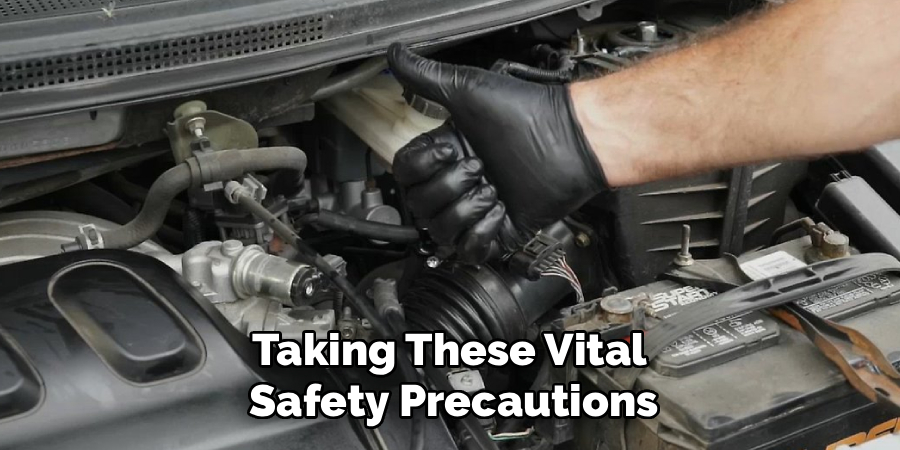
Transmission fluid level must be checked with the vehicle sitting on a level surface. If the car is tilted, the fluid can collect on one side of the transmission pan and give you a false reading. Park on flat ground, set the parking brake, and keep the area well ventilated. If the procedure requires access under the car, use proper lift equipment or professional-grade jack stands on approved lift points. Never crawl under a BMW supported only by a jack. Safety matters because many sealed transmission checks happen while the engine is running and the gearbox is warm.
Step 3: Look For A Transmission Dipstick First
Open the hood and look carefully for a transmission dipstick if your BMW model may have one. It may be located toward the rear of the engine bay, often lower than the engine oil dipstick. Some dipsticks have a colored handle or a cap marked for transmission fluid, but many BMWs will not have one at all. If you find a dipstick, do not pull it immediately without reading the proper checking instructions. Some vehicles require the engine running, the gearbox warmed up, and the gear selector moved through each position before the fluid level gives an accurate reading.
Step 4: Understand The Sealed Transmission Method
If your BMW has a sealed transmission, the fluid is usually checked through a fill plug on the transmission case rather than from the engine bay. This is where beginners need to be careful. The vehicle must often be level, the engine running, and the transmission fluid within a specific service temperature range. A diagnostic scan tool may be needed to monitor that temperature accurately. When the fill plug is removed at the correct temperature, a small trickle of fluid may indicate the level is correct. If no fluid comes out, the level may be low, but the exact procedure depends on the model.
Step 5: Warm The Transmission To The Correct Service Temperature
BMW transmission fluid expands as it warms up, so temperature affects the fluid level reading. That is why many models require checking the level within a defined service temperature range. If the fluid is too cold, you may overfill it. If it is too hot, you may underfill it or burn yourself during the inspection. A diagnostic scan tool is the best way to confirm the temperature because dashboard temperature gauges usually show engine coolant, not gearbox fluid. This step is one reason many BMW owners choose a repair shop for sealed transmission checks.

Step 6: Inspect For Leaks Around The Transmission Pan
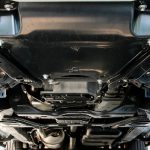
Even if you are not ready to open the fill plug, you can still perform a useful leak inspection. Look under the vehicle for wet spots, reddish or brown fluid, oily residue, or damp areas around the transmission pan, cooler lines, seals, and drain plug area. Automatic transmission fluid can darken with age, so do not rely on color alone. A leak near the pan gasket or fill plug can slowly lower the fluid level and cause shifting problems over time. If you notice fresh fluid on the underbody or garage floor, schedule service before driving long distances.
Step 7: Check Fluid Condition If Access Is Available
If your BMW has a dipstick, wipe it with a clean lint-free cloth, reinsert it fully, then remove it again to inspect the fluid level and condition according to the owner’s manual. Healthy fluid is often clear red, amber, or light brown depending on fluid type and age, but BMW fluids vary. Burnt smell, dark sludge, metal particles, or a gritty feel can point to internal wear or overdue service. If your BMW uses a sealed system, fluid condition is usually checked during service by draining a sample or opening the correct plug under controlled conditions.
Step 8: Finish The Process Without Guesswork
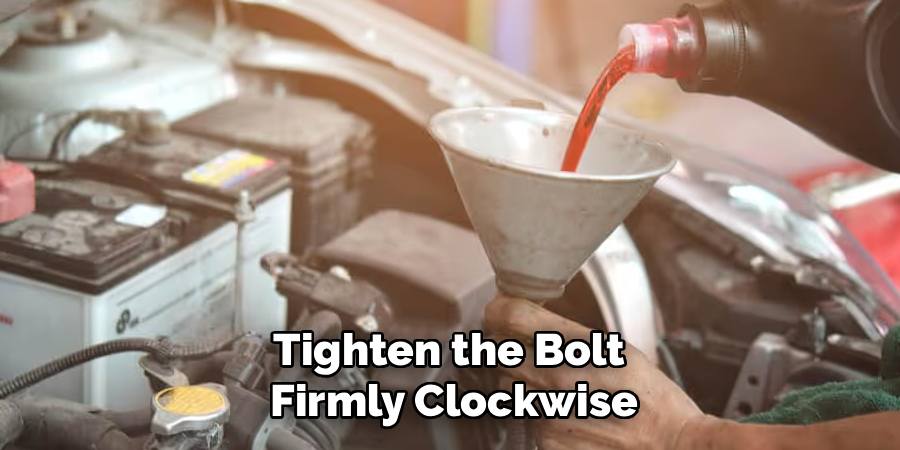
After you understand how to check transmission fluid in bmw, finish by making decisions based on facts, not assumptions. If the vehicle has a dipstick and the reading is slightly low, use only the correct BMW-approved automatic transmission fluid and add small amounts carefully. If it has a sealed transmission, do not randomly add fluid from the top or open plugs without the correct procedure. Too much fluid can foam, overheat, and cause poor shifting. Too little fluid can damage clutches, bearings, and internal components. When the process feels unclear, a professional transmission service is the smarter choice.
Frequently Asked Question
Do All BMW Models Have A Transmission Dipstick?
No, many BMW models do not have a traditional transmission dipstick. Older vehicles may include one, but newer BMWs often use sealed transmissions that require checking fluid through a fill plug underneath the car. This design makes the process more controlled but less beginner-friendly. Always confirm your exact model, year, and transmission type before searching under the hood or adding fluid.
Can I Drive My BMW With Low Transmission Fluid?
Driving with low transmission fluid is risky because the gearbox needs fluid for lubrication, cooling, and hydraulic pressure. Low fluid can cause delayed shifts, slipping, harsh engagement, overheating, or permanent internal wear. If you suspect a low level due to leaks or shifting problems, limit driving and arrange an inspection. Continuing to drive may turn a simple leak repair into a costly transmission rebuild.
What Color Should BMW Transmission Fluid Be?
BMW transmission fluid color can vary by fluid type, mileage, and service history. Fresh automatic transmission fluid is often red, amber, or light brown, but some BMW-approved fluids are different. More important than color alone is condition. Fluid that smells burnt, looks very dark, contains metal particles, or feels gritty may point to overheating or wear. If you see those signs, schedule a professional diagnosis.
Why Does A BMW Transmission Need A Specific Temperature Check?
Transmission fluid expands when it gets warm, so the level changes with temperature. Many sealed BMW transmissions must be checked within a narrow service temperature range while the vehicle is level and often while the engine is running. If you check it too cold or too hot, the reading can be wrong. This is why a diagnostic scan tool is often used during proper BMW transmission service.
Should I Change BMW Transmission Fluid Myself?
You can change it yourself only if you have the correct tools, fluid, lift setup, safety knowledge, and model-specific procedure. Many BMW transmissions require a careful fill process, service temperature monitoring, and sometimes replacement of the transmission pan or integrated filter. Beginners can inspect for leaks and read the manual, but a fluid change is often best handled by a BMW specialist or experienced technician.
Conclusion
BMW transmission fluid checks require more care than many beginners expect, especially on models with sealed transmissions. The key steps are identifying your transmission type, parking on a level surface, checking the correct access point, monitoring service temperature when required, and inspecting for leaks or poor fluid condition.
If you want to learn how to check transmission fluid in bmw, start with your owner’s manual and your exact model information. Take your time, avoid guessing, and ask a professional for help when the procedure requires tools, lift access, or temperature-based service.

About
Ora Hayes is a distinguished figure in the world of DIY Thecarfixes, with over a decade of expertise in automotive diagnostics and high-performance maintenance. Her professional focus lies in merging mechanical precision with modern digital tools, fostering repair solutions that are both cost-effective and highly reliable. As the author of Thecarfixes, Ora Hayes delves into the art and science of automotive restoration, inspiring car owners and hobbyist mechanics alike.
Education
RMIT University (Melbourne, Australia) Associate Degree in Automotive Engineering — Focus on vehicle dynamics, industry-driven repair protocols, and advanced diagnostics. Gained hands-on experience with traditional mechanical tools and modern ECU remapping software.
Nottingham Trent University (United Kingdom) Bachelor’s in Mechanical Design and Automotive Engineering (Honors) — Specialized in automotive systems with a focus on blending technical engineering with everyday usability. Participated in industry projects, working with leading automotive manufacturers to gain real-world insights into vehicle longevity.
Publications and Impact
In Thecarfixes, Ora Hayes shares her insights on troubleshooting complex engine issues, material durability, and strategies for efficient garage setups. Her writing bridges the gap between professional mechanic knowledge and the home enthusiast’s needs, making it a must-read for both everyday drivers and seasoned gearheads.