Correct tire pressure helps your Lexus RX 350 drive smoothly, stop safely, and use fuel efficiently. It also helps your tires wear evenly, which can save you money over time. If you are new to vehicle maintenance, learning how to check tire pressure on lexus rx 350 is one of the simplest and most useful skills you can build.
The good news is that you do not need advanced tools or mechanical experience. With a reliable tire pressure gauge, a few minutes, and the recommended pressure value for your vehicle, you can confirm whether each tire is properly inflated. This guide explains the process in a clear, beginner-friendly way so you can feel confident before your next drive.
Why Checking Tire Pressure On A Lexus RX 350 Matters
Proper tire pressure affects safety, comfort, fuel economy, and tire life. When tires are underinflated, they can create more rolling resistance, which may reduce gas mileage and cause extra heat buildup. Overinflated tires can feel harsh on the road and may wear unevenly in the center of the tread.
For a Lexus RX 350, correct pressure also supports the refined ride quality the vehicle is known for. It helps the tires maintain proper contact with the road, improving handling, braking, and stability. Checking pressure regularly can also help you spot slow leaks before they become major problems. A quick pressure check once a month, and before long trips, is a smart habit for every owner.
Step-By-Step Guide To How To Check Tire Pressure On Lexus RX 350
Step 1: Prepare The Vehicle
Park your Lexus RX 350 on a flat, safe surface before checking the tires. A driveway, garage, or level parking area works well. Make sure the vehicle is turned off and the parking brake is set.
For the most accurate reading, check the tires when they are cold. This means the SUV has been parked for at least three hours or has been driven only a short distance at low speed. Tire pressure rises as the tires warm up, so checking them after highway driving may give you a higher reading than normal.
Step 2: Find The Recommended Tire Pressure
Before you begin, find the correct tire pressure for your specific Lexus RX 350. Open the driver’s door and look for the tire and loading information label on the door jamb. This sticker usually lists the recommended cold tire pressure for the front and rear tires.
This value may differ from the maximum pressure printed on the tire sidewall. Always follow the vehicle label, not the tire’s maximum rating. If you are learning how to check tire pressure on lexus rx 350, this is one of the most important details to remember because the correct number comes from Lexus, not the tire brand.
Step 3: Gather A Quality Tire Pressure Gauge
Use a reliable tire pressure gauge to get an accurate reading. Digital gauges are easy to read, while pencil-style and dial gauges can also work well if they are in good condition. Keep one in your glove box or cargo area so it is always available.
Avoid relying only on the gauge built into an air pump at a gas station. Those gauges can be worn, dropped, or inaccurate from frequent use. A personal gauge gives you more control and helps you track pressure more consistently. If your gauge has not been used in a long time, test it a few times to make sure the readings are stable.
Step 4: Remove The Valve Stem Cap
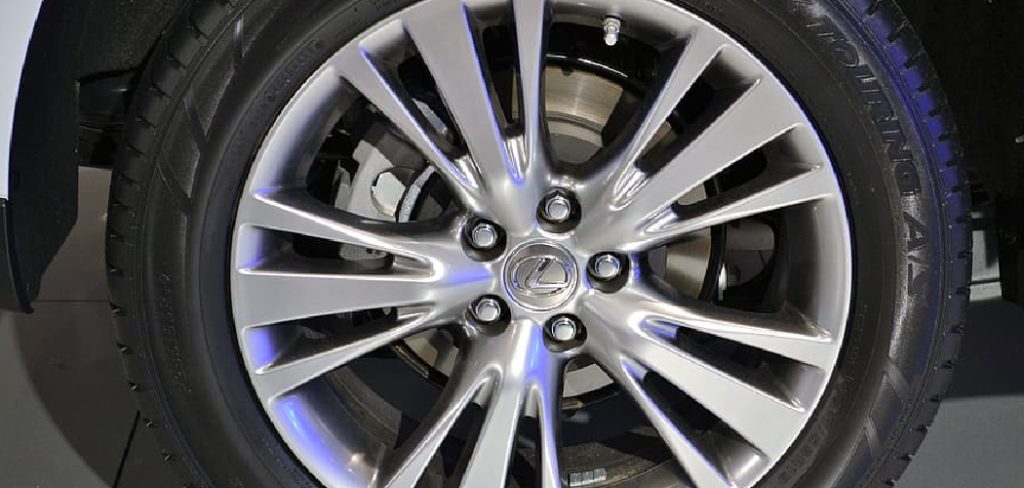
Go to the first tire and locate the valve stem. It is the small rubber or metal stem that sticks out from the wheel. Unscrew the cap by turning it counterclockwise, then place it somewhere safe, such as in your pocket.
Do not lose the cap. It helps keep dirt, moisture, and road debris away from the valve. While the cap does not hold air inside the tire by itself, it protects the valve from damage and contamination. If a cap is missing or cracked, replace it soon with a simple valve stem cap from an auto parts store.
Step 5: Press The Gauge Onto The Valve
Place the tire pressure gauge firmly onto the valve stem. Press straight down so the gauge seals around the valve. If you hear air hissing, the gauge is not seated correctly. Remove it and try again with steady pressure.
Hold it in place for a moment until the reading appears or locks in. A digital gauge will show the number on its screen. A pencil-style gauge will push out a marked stick. A dial gauge will move its needle to the pressure reading. Read the number carefully and compare it with the recommended pressure on the driver’s door label.
Step 6: Adjust The Air Pressure
If the tire pressure is too low, add air using an air compressor. Many gas stations have air pumps, and a portable inflator is also useful to keep at home. Add air in short bursts, then check the pressure again.
If the pressure is too high, release a small amount of air by pressing the center pin inside the valve stem. Use the gauge again after each adjustment. Make small changes instead of releasing too much air at once. Your goal is to match the recommended cold pressure as closely as possible without guessing.

Step 7: Check All Four Tires
Repeat the same process on every tire. Do not assume all four tires have the same pressure. One tire may be lower because of a slow leak, temperature changes, or normal air loss over time.
As you practice how to check tire pressure on lexus rx 350, make it a habit to record or remember any tire that often reads low. A repeated pressure drop can mean a nail, damaged valve stem, rim leak, or other issue. If one tire keeps losing air, have it inspected by a tire professional before it becomes unsafe.
Step 8: Reinstall Caps And Confirm The System
After each tire is set to the correct pressure, reinstall the valve stem caps. Turn them clockwise until they are snug, but do not overtighten them. Once all caps are back on, take a final look at each tire to make sure nothing appears flat, damaged, or uneven.
Your Lexus RX 350 may have a tire pressure monitoring system, often called TPMS. After correcting tire pressure, the warning light may turn off after driving for a short distance. If the light stays on, recheck the pressure or review the owner’s manual for reset guidance. A persistent warning could mean a sensor issue or a tire leak.
Frequently Asked Questions
How Often Should I Check Tire Pressure On A Lexus RX 350?
You should check tire pressure at least once a month and before any long road trip. Tires naturally lose small amounts of air over time, and outdoor temperature changes can affect pressure. A monthly check helps you catch low pressure early, improve fuel economy, and reduce uneven tire wear. It is also wise to check after a sudden temperature drop.
What Is The Correct Tire Pressure For A Lexus RX 350?
The correct tire pressure depends on the model year, tire size, and vehicle setup. The most reliable place to find it is the tire and loading information label inside the driver’s door jamb. Do not use the maximum pressure printed on the tire sidewall as your target. That number is the tire’s upper limit, not the recommended setting for daily driving.
Can I Drive With The Tire Pressure Warning Light On?
You can usually drive a short distance with the tire pressure warning light on, but you should check the tires as soon as possible. The light may mean one or more tires are underinflated, which can affect handling and braking. If a tire looks very low or you feel vibration, pulling, or instability, stop safely and inspect it before continuing.
Should Tire Pressure Be Checked When Tires Are Hot Or Cold?
Tire pressure should be checked when the tires are cold for the most accurate reading. Cold means the vehicle has been parked for several hours or driven only a short distance. As tires heat up during driving, the air inside expands and pressure increases. If you check hot tires, the reading may be higher than the true cold pressure.
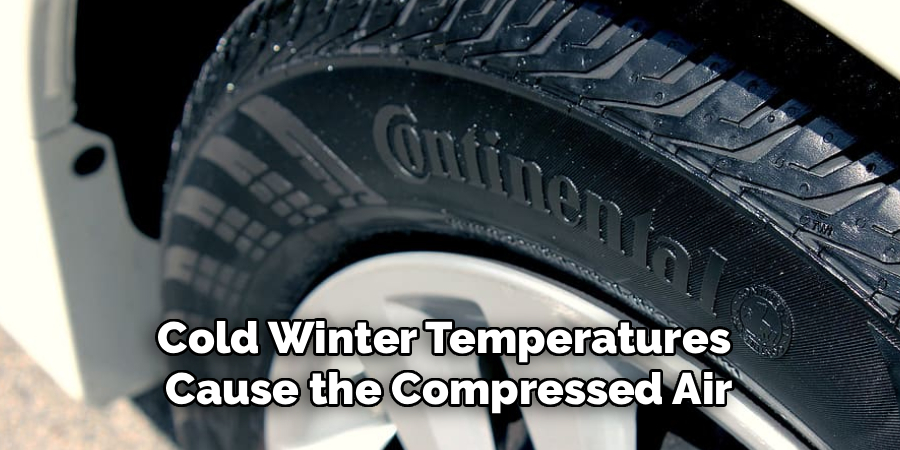
Why Does Tire Pressure Drop In Cold Weather?
Tire pressure drops in cold weather because air contracts as temperatures fall. A sudden cold snap can lower pressure enough to trigger the tire pressure warning light. This does not always mean there is a leak, but you should still check and adjust the tires. Keeping pressure correct during winter helps maintain traction, stability, and tire performance.
Conclusion
Checking tire pressure is a simple maintenance task that supports safety, comfort, fuel efficiency, and long tire life. Start with the recommended pressure on the driver’s door label, use a quality gauge, check the tires when they are cold, and adjust each tire carefully. Do not forget to replace the valve caps and pay attention to any warning lights.
Once you know how to check tire pressure on lexus rx 350, the process becomes quick and easy. Make it part of your monthly routine, especially before long drives or major weather changes, and your Lexus will be better prepared for the road ahead.

About
Ora Hayes is a distinguished figure in the world of DIY Thecarfixes, with over a decade of expertise in automotive diagnostics and high-performance maintenance. Her professional focus lies in merging mechanical precision with modern digital tools, fostering repair solutions that are both cost-effective and highly reliable. As the author of Thecarfixes, Ora Hayes delves into the art and science of automotive restoration, inspiring car owners and hobbyist mechanics alike.
Education
RMIT University (Melbourne, Australia) Associate Degree in Automotive Engineering — Focus on vehicle dynamics, industry-driven repair protocols, and advanced diagnostics. Gained hands-on experience with traditional mechanical tools and modern ECU remapping software.
Nottingham Trent University (United Kingdom) Bachelor’s in Mechanical Design and Automotive Engineering (Honors) — Specialized in automotive systems with a focus on blending technical engineering with everyday usability. Participated in industry projects, working with leading automotive manufacturers to gain real-world insights into vehicle longevity.
Publications and Impact
In Thecarfixes, Ora Hayes shares her insights on troubleshooting complex engine issues, material durability, and strategies for efficient garage setups. Her writing bridges the gap between professional mechanic knowledge and the home enthusiast’s needs, making it a must-read for both everyday drivers and seasoned gearheads.