Discovering that your luxury sport utility vehicle refuses to acknowledge its smart fob often induces immediate anxiety. A completely drained electrical system means the sophisticated door actuators cannot function, leaving you standing helplessly on the pavement. This scenario might suggest a profound failure in automotive engineering to the untrained eye.
However, engineers anticipated this exact vulnerability during the initial design phase. They integrated a mechanical fail-safe hidden just beneath the sleek exterior trim. Knowing exactly how to unlock lexus rx 350 with dead battery represents an essential skill for any owner.
This guide provides a structured, analytical approach to regaining cabin access without inflicting cosmetic damage. We will examine the physical location of the emergency key and the proper technique for removing the protective door handle cap. By following these precise instructions, you can bypass the deactivated digital network and restore power to your vehicle.
Understanding Your Lexus RX 350 Smart Access System
Modern automotive security relies heavily on constant, uninterrupted electrical current. A brief overview of how this system operates under normal conditions may clarify why it fails so spectacularly during a power loss. It appears to indicate a heavy reliance on radio frequency communication.
Electronic Locks vs. Dead Batteries
Your smart fob constantly broadcasts a low-energy radio signal. Receivers embedded inside the car process this signal and trigger the electronic lock actuators when you touch the handle. This seamless interaction requires a healthy 12-volt power source to operate the internal computers.
When the main vehicle battery dies, these electronic modules fall entirely silent. The actuators cannot receive or process any commands from the fob. Consequently, the buttons on your remote become completely useless pieces of plastic.
The Built-in Mechanical Backup
Lexus designers understood the inherent flaws of a purely electronic security grid. Beneath the button-free exterior lies a highly traditional lock and key mechanism. This physical linkage bypasses the deactivated electrical components entirely.
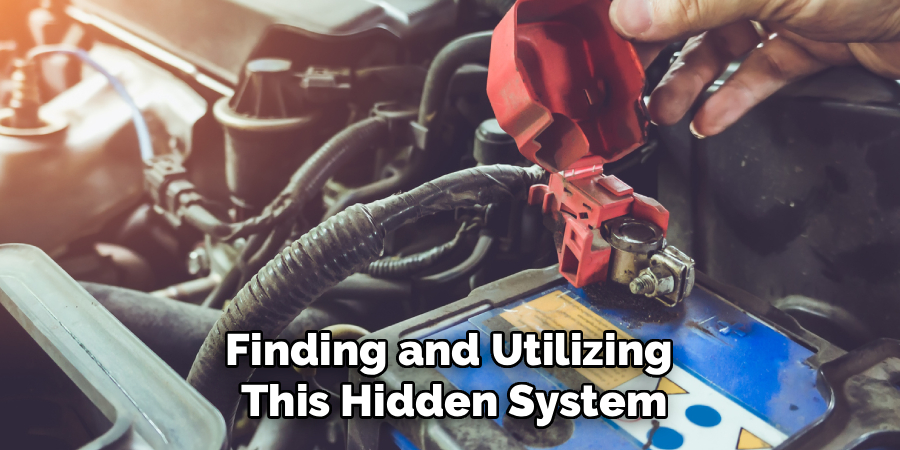
It allows manual access to the cabin regardless of the vehicle’s electrical state. The manufacturer simply concealed this analog hardware to maintain the vehicle’s aesthetic appeal. Finding and utilizing this hidden system remains your primary objective.
Locating the Hidden Mechanical Key
The tool you need to breach the vehicle is actually resting in the palm of your hand. You simply need to extract it from its digital housing. This extraction requires a minor physical manipulation of the fob itself.
Releasing the Key from Your Fob
Examine your smart fob closely under adequate lighting. You should notice a small, textured push-button or a sliding latch located along the bottom edge. Pressing or sliding this mechanism releases the internal catch.
Once released, pull the metal loop located at the top of the fob. A small, emergency mechanical key will slide smoothly out of the plastic casing. This physical key serves as your primary entry tool.
Inspecting the Key Blade
Take a moment to inspect the physical key blade before attempting to use it. Because this emergency tool sits hidden for years, it can sometimes accumulate minor debris or feel stiff. You must ensure the metal surface remains relatively clean.
You will use this sturdy piece of metal to pry away exterior plastic components in the subsequent steps. A firm grip on the small plastic head is necessary. Proceeding with a measured, careful approach prevents accidental damage.
Step-by-Step Guide: How To Unlock Lexus RX 350 With Dead Battery
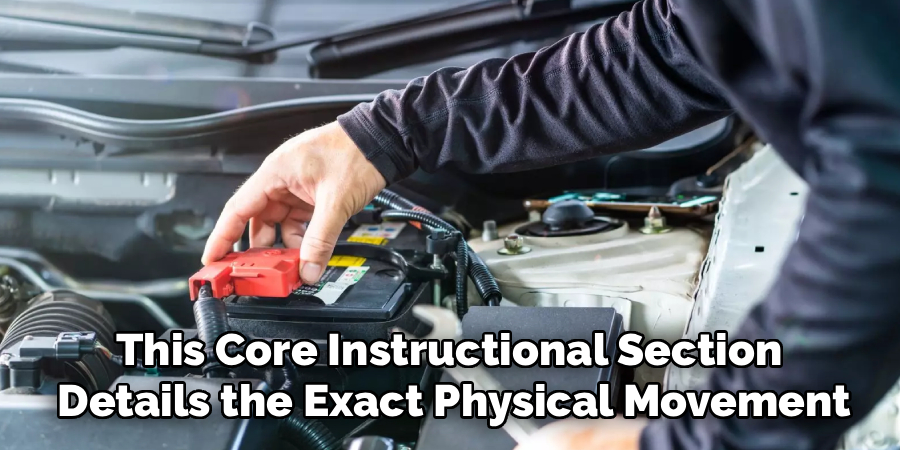
This core instructional section details the exact physical movements required to bypass the electronic locks. Reassure yourself that this process takes only a few minutes when executed patiently. Rushing the procedure might result in scratched paint or broken plastic clips.
Step 1: Locate the Hidden Lock Cylinder
Direct your attention to the driver’s side exterior door handle. You will immediately notice the absence of a visible keyhole. The cylinder actually sits concealed beneath a small plastic cap located on the rear portion of the handle assembly.
This seamless design protects the delicate lock mechanism from adverse weather conditions. It also maintains the smooth, uninterrupted lines of the vehicle’s profile. Removing this cap is your first physical challenge.
Step 2: Remove the Door Handle Cover
Look closely underneath the rear piece of the door handle to find a small, rectangular slot. Insert the tip of your mechanical key gently into this opening. Apply a light, steady upward pressure to unseat the plastic cover.
You must pry outward very slowly to pop the cap off the door. Emphasize extreme patience here to avoid snapping the fragile internal retaining clips. A sudden, aggressive motion could easily gouge the surrounding clear coat.
Step 3: Insert and Turn the Physical Key
With the protective cover removed, the traditional lock cylinder becomes fully visible. Insert your mechanical key entirely into the keyhole until it stops. You might feel a slight resistance if the lock has never been turned before.
Turn the key toward the front of the vehicle to physically disengage the internal locking mechanism. A firm twist usually forces the heavy mechanical linkage to yield. You should hear a dull, physical click indicating success.
Step 4: Open the Door and Access the Cabin
Pull the exterior door handle to open the driver’s door and enter the vehicle. Be aware that the interior dome lights will remain dark due to the depleted battery. The dashboard will also appear completely unresponsive.
Place the small plastic lock cover securely in the center console immediately. Losing this color-matched piece of trim creates an unnecessary cosmetic headache. You can snap it back onto the door handle later.
Step 5: Prepare for the Alarm System
Opening the door mechanically occasionally triggers the vehicle’s security perimeter. If the battery retains a microscopic reserve of power, the horn might begin honking loudly. This startling noise often induces panic in an already stressful situation.
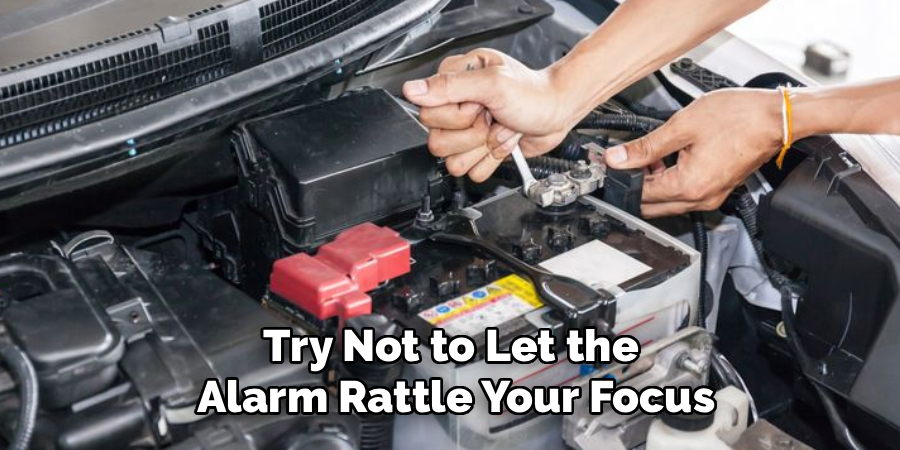
Try not to let the alarm rattle your focus. Holding the smart fob directly against the push-to-start button sometimes pacifies the system. Otherwise, restoring external power via jumper cables will silence the horn shortly.
Accessing the Engine Bay After Unlocking
Gaining entry to the cabin represents only the first phase of your recovery effort. You must now open the hood to access the dead battery. This requires locating the internal release mechanisms.
Pulling the Hood Release Lever
Position yourself in the driver’s seat and look toward the lower left footwell. Locate the primary hood release lever mounted near the plastic kick panel. Grip this lever and pull it firmly toward your body.
You should hear the primary latch pop open at the front of the SUV. Sometimes, a completely dead battery prevents the hood from popping up noticeably. You might need to pull the lever twice to ensure the tension cable releases fully.
Releasing the Secondary Safety Catch
Walk around to the front grille of your Lexus. Slide your fingers under the slightly raised center lip of the hood to locate the secondary safety catch. This metal lever prevents the hood from flying open while driving.
Push the lever upward or to the side, depending on your specific model year. Lift the heavy metal hood simultaneously. The pressurized gas struts should hold the panel securely in the raised position.
Restoring Power by Jumping the Battery
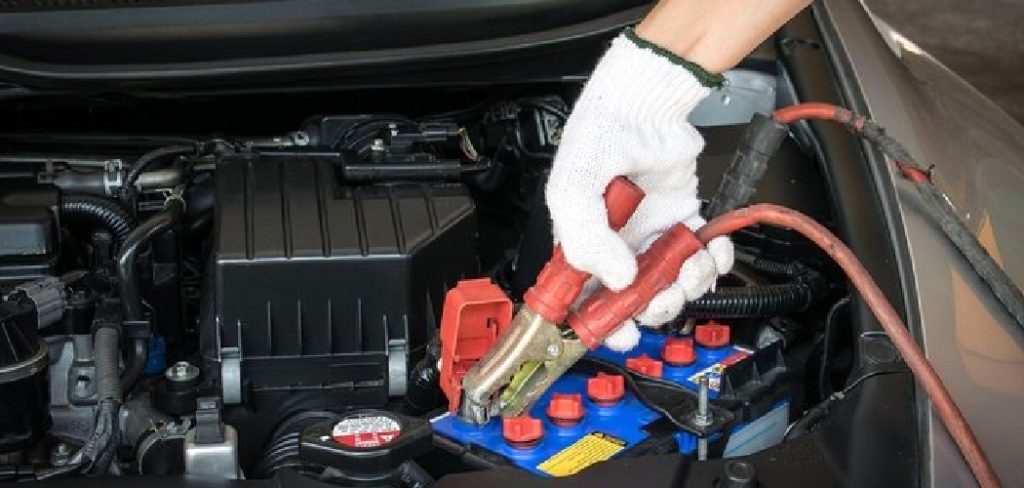
Connecting external power to the vehicle allows the electronic locks and engine computers to reboot. You must execute this electrical transfer with strict adherence to safety protocols. A careless connection could short-circuit expensive control modules.
Connecting the Jumper Cables Safely
Identify the positive and negative terminals on your depleted battery. Connect the red jumper clamp to the positive terminal of the dead Lexus battery first. Attach the opposite red clamp to the positive terminal of the donor vehicle.
Next, secure the black clamp to the negative terminal of the donor battery. Finally, attach the last black cable to an unpainted metal bracket on the Lexus engine block. This grounds the circuit safely, directing any potential sparks away from combustible battery gases.
Starting the Engine and Charging
Instruct the driver of the donor vehicle to start their engine and let it idle. Wait approximately three minutes to allow a surface charge to build. Press the brake pedal in your Lexus and push the start button.
Once the engine fires up smoothly, remove the cables in the exact reverse order of connection. You must leave the Lexus running for at least thirty minutes. The alternator requires this time to push a sufficient charge back into the depleted battery cells.
Why Your Lexus Battery Died Unexpectedly
Understanding the root cause of the power loss prevents the situation from recurring. Modern luxury vehicles consume electricity at a surprising rate. Several distinct variables could explain why your battery drained so completely.
Parasitic Drains and Left-On Accessories
Interior dome lights left in the “on” position represent a frequent culprit. Similarly, a door or liftgate that failed to latch completely will keep the interior circuits awake overnight. These minor oversights drain the voltage slowly over several hours.
Modern automotive computers also continuously draw small amounts of power to maintain memory functions. If the vehicle sits parked for several weeks without starting, these parasitic draws eventually consume the entire reserve capacity. This phenomenon may suggest the need for a trickle charger during long-term storage.
Battery Age and Climate Factors
Extreme environmental conditions drastically reduce lead-acid battery efficiency. Freezing winter temperatures slow the internal chemical reactions, reducing available cranking amperage. Conversely, intense summer heat accelerates the evaporation of internal battery fluids.
A standard automotive battery generally lasts between three and five years. An older battery naturally struggles to hold a deep charge. When the internal lead plates degrade, complete failure becomes a statistical inevitability.
Preventing Future Lockouts
Experiencing a total power failure usually motivates owners to adopt proactive maintenance habits. Implementing a few minor adjustments drastically reduces the probability of getting locked out again. Foresight remains your best defense against mechanical inconvenience.

Routine Battery Testing
You should ideally have your 12-volt battery tested annually by a professional technician. A simple load test determines the actual health of the individual chemical cells. This diagnostic evaluation reveals hidden weaknesses before they manifest as a dead vehicle.
Replacing a marginal battery on your own terms prevents roadside emergencies entirely. It also protects your alternator from overworking itself trying to charge a dying component. Routine observation appears to be the most logical approach to electrical stability.
Replacing Smart Fob Batteries
The smart fob itself relies on a small, replaceable coin-cell battery to transmit its radio frequency. You should proactively change this tiny battery every eighteen to twenty-four months. A strong fob signal ensures reliable communication with the vehicle’s receivers.
Sometimes, a dying fob battery mimics the symptoms of a dead car battery. The vehicle simply refuses to unlock because the fob’s transmission is too weak to reach the antenna. Maintaining fresh batteries in your remotes prevents these frustrating false alarms.
Conclusion
A sudden loss of electrical power does not signify permanent exile from your luxury vehicle. The manufacturer thoughtfully provided a mechanical backdoor for this exact predicament. Learning how to unlock lexus rx 350 with dead battery simply requires utilizing the emergency key hidden inside your fob.
Extracting this key and carefully removing the protective door handle cap grants you immediate physical access. Patience and gentle pressure remain paramount to avoid damaging the exterior paint during this extraction. Once inside the cabin, you can easily access the hood release and jump-start the engine to restore full electronic functionality.
We highly recommend practicing the fob key extraction process in your driveway under low-stress conditions. Familiarizing yourself with the physical mechanics builds necessary confidence. By understanding these failsafe systems, you ensure that a dead battery remains a minor temporary inconvenience rather than a day-ruining catastrophe.

About
Ora Hayes is a distinguished figure in the world of DIY Thecarfixes, with over a decade of expertise in automotive diagnostics and high-performance maintenance. Her professional focus lies in merging mechanical precision with modern digital tools, fostering repair solutions that are both cost-effective and highly reliable. As the author of Thecarfixes, Ora Hayes delves into the art and science of automotive restoration, inspiring car owners and hobbyist mechanics alike.
Education
RMIT University (Melbourne, Australia) Associate Degree in Automotive Engineering — Focus on vehicle dynamics, industry-driven repair protocols, and advanced diagnostics. Gained hands-on experience with traditional mechanical tools and modern ECU remapping software.
Nottingham Trent University (United Kingdom) Bachelor’s in Mechanical Design and Automotive Engineering (Honors) — Specialized in automotive systems with a focus on blending technical engineering with everyday usability. Participated in industry projects, working with leading automotive manufacturers to gain real-world insights into vehicle longevity.
Publications and Impact
In Thecarfixes, Ora Hayes shares her insights on troubleshooting complex engine issues, material durability, and strategies for efficient garage setups. Her writing bridges the gap between professional mechanic knowledge and the home enthusiast’s needs, making it a must-read for both everyday drivers and seasoned gearheads.