Surprisingly, modifying your reliable daily vehicle requires that exact same careful preparation, dedication, and patience. If you have ever wondered how to turbo a honda civic safely, you have discovered the perfect beginner-friendly resource. Just like upgrading from a standard plastic watering can to a highly efficient, high-pressure irrigation system, adding forced induction drastically increases the raw power and efficiency of your favorite compact vehicle.
You absolutely do not need decades of professional mechanical experience to understand the fundamental concepts behind this exciting weekend project. We will guide you through the entire complex mechanical process using familiar, earthy concepts, ensuring you comfortably understand every single component before turning a single heavy wrench. Grab your heavy-duty work gloves, sweep a clean spot in your garage, and let us prepare to cultivate some serious, thrilling horsepower together!
Step-by-Step Guide: How to Turbo a Honda Civic
Step 1: Assess Your Engine Health Like Testing Soil
Before planting delicate seeds, you always test the soil quality to guarantee a healthy harvest. Similarly, before adding forced induction to your vehicle, you must thoroughly evaluate the current internal health of your engine. A worn-out motor simply cannot handle the intense pressure created by a new compressor. Perform a standard compression test on all four cylinders to ensure the internal piston rings remain completely solid. Check your vital fluids, inspect the spark plugs for unusual wear, and replace any cracking rubber belts. Establishing a perfectly healthy mechanical foundation guarantees your exciting new upgrades will perform flawlessly for years.

Step 2: Choose the Right Kit
Selecting the proper mechanical components feels exactly like choosing the right fertilizer for your blooming tomatoes. When purchasing parts, grabbing a comprehensive, pre-assembled package saves beginners massive amounts of frustration. These convenient kits contain the exact exhaust manifold, metal piping, and correct turbine size designed specifically for your exact engine model. Avoid piecing together random, mismatched parts from internet auction sites, as this frequently leads to massive compatibility issues and dangerous exhaust leaks. Investing in a quality, reputable kit ensures all your new metal components fit together smoothly like a perfect puzzle for your garage project.
Step 3: Upgrade Your Fuel Delivery System
Just as a massive, sprawling pumpkin vine requires significantly more water than a tiny succulent, a boosted engine demands a substantially larger fuel supply. The factory fuel pump and standard injectors simply cannot provide enough liquid volume to match the massive influx of dense, compressed air. You must remove the rear passenger seat to access the factory gas tank and install a high-capacity electronic fuel pump. Next, swap out the original engine injectors for larger, performance-grade units capable of spraying a heavy mist of gasoline. Providing adequate fuel prevents your engine from running lean and experiencing catastrophic internal damage.

Step 4: Install the Exhaust Manifold and Turbine
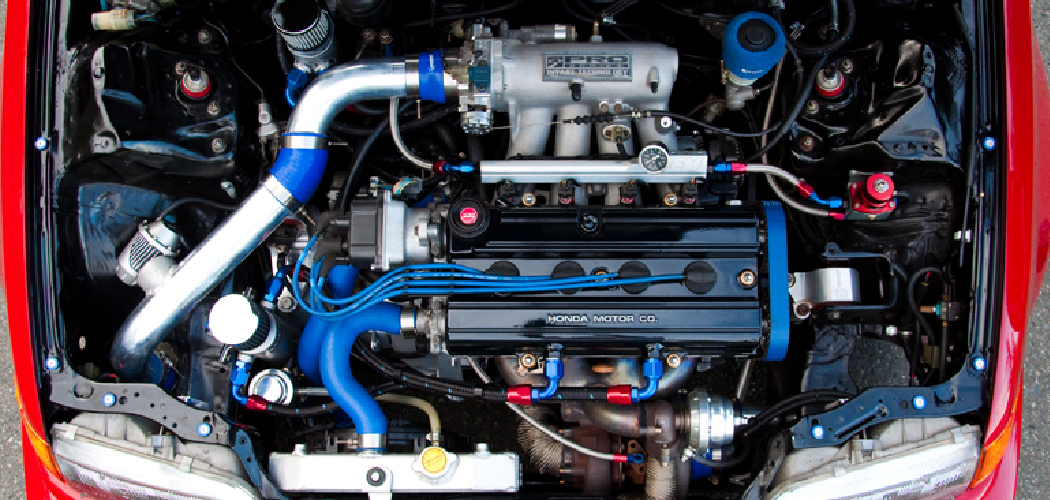
With your fuel system fully upgraded, you can finally plant the main centerpiece of your mechanical garden. Remove the restrictive factory exhaust header and carefully bolt your new, heavy-duty cast iron manifold directly to the engine block. This specialized manifold directs the hot, expanding exhaust gases straight into the heavy metal turbine housing. Lift the heavy compressor unit and secure it tightly to the manifold using thick metal bolts and high-temperature anti-seize paste. This vital component acts exactly like a powerful windmill, using wasted exhaust energy to spin a brilliant metal wheel at incredibly high speeds under the hood.
Step 5: Route the Intercooler Piping Carefully
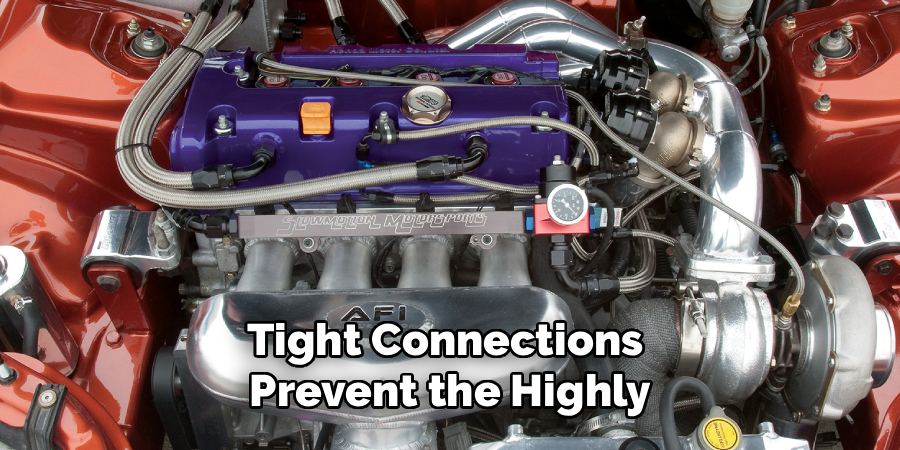
When air gets compressed rapidly, it generates immense amounts of unwanted heat that can wither your engine performance instantly. You must install a large, aluminum intercooler directly behind the front bumper to chill the incoming air charge, acting much like a refreshing shade canopy for delicate ferns. Route the thick, polished aluminum piping from the hot compressor outlet, down through the cooling core, and back up into the engine intake manifold. Secure every single rubber connection joint firmly with heavy-duty metal clamps. Tight connections prevent the highly pressurized air from escaping into the engine bay during heavy acceleration.
Step 6: Tap the Oil Pan for Lubrication
Your newly installed metal turbine spins at tens of thousands of revolutions per minute, requiring constant, heavy liquid lubrication to survive the intense friction. You must carefully drill a small hole directly into the metal oil pan located underneath the vehicle. After tapping the fresh hole, screw a brass fitting tightly into the pan to create a safe return path for the hot liquid. Connect a braided steel line from the bottom of the turbine directly down to this new brass fitting. This vital plumbing ensures the hot oil drains away quickly, keeping the internal bearings perfectly smooth and healthy.
Step 7: Tune the Engine Computer for Optimal Growth
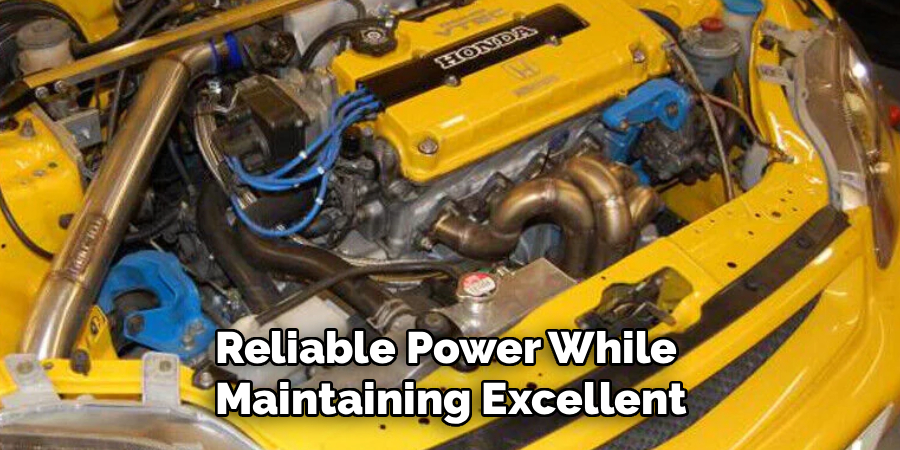
The final, absolute most critical step involves reprogramming the electronic brain of your vehicle. Just as you adjust your automated greenhouse timers for changing seasons, you must rewrite the engine software to understand the newly added forced induction system. Hire a professional automotive tuner to adjust the ignition timing and fuel delivery maps on a stationary testing machine. The factory computer simply does not know how to handle positive manifold pressure safely on its own. A professional calibration ensures your engine runs incredibly smooth, delivering massive, reliable power while maintaining excellent daily drivability for your relaxing weekend commutes.
Frequently Asked Question
Do I Need To Upgrade My Transmission?
Adding significant amounts of horsepower naturally places immense physical stress on your factory transmission and standard clutch assembly.
- For manual vehicles, upgrading to a heavy-duty performance clutch guarantees the extra power transfers smoothly to the wheels without slipping or burning.
- Automatic transmissions may require a secondary external fluid cooler to prevent internal overheating during spirited highway driving or aggressive acceleration.
- Treat these crucial drivetrain upgrades exactly like adding heavy wooden stakes to support a rapidly growing, incredibly fruit-heavy tomato plant safely during a powerful summer storm.
What Is The Best Boost Level For Beginners?
When you first introduce forced induction to a factory engine block, practicing conservative moderation serves as your absolute best long-term mechanical strategy.
- Keeping the internal manifold pressure strictly between six and eight pounds per square inch provides a fantastic, highly noticeable power increase without causing damage.
- Pushing the pressure higher than ten pounds usually requires building the internal engine block with expensive forged metal pistons and thick connecting rods.
- Always start with a relatively low pressure setting to ensure all your newly installed aluminum pipes and vital fluid lines remain completely secure.
Can I Still Pass State Emissions Inspections?
Altering your factory exhaust system and modifying the internal electronic computer frequently impacts your local legal vehicle emission compliance status.
- Many aftermarket cast-iron manifolds completely remove the highly restrictive factory catalytic converters, which instantly fails local visual and digital computer inspections.
- You must carefully research your specific local county regulations before beginning this extensive, highly permanent mechanical modification project in your garage.
- Some premium hardware manufacturers offer specialized, fully emissions-compliant upgrade kits that retain all the necessary environmental protection equipment flawlessly for legal street driving.
How Long Does The Installation Process Take?
Transforming your daily commuter vehicle requires significant patience, specialized heavy tools, and a dedicated, completely clean indoor workspace to succeed.
- A complete beginner should realistically budget at least two full weekends to assemble the heavy hardware and route the complex aluminum plumbing properly.
- Rushing the delicate installation process frequently leads to forgotten metal clamps, dangerous hot oil leaks, or completely crossed vacuum lines.
- Take your valuable time, label every single removed factory bolt carefully, and treat the massive project like a delicate, long-term backyard landscaping renovation.
Should I Upgrade My Brakes And Suspension Too?
Making your compact commuter vehicle accelerate significantly faster means you must also improve its mechanical ability to slow down safely.
- Upgrading to larger, slotted metal brake rotors and highly aggressive ceramic friction pads provides the necessary stopping power to handle your thrilling new speed.
- Installing stiffer aftermarket suspension springs prevents the vehicle chassis from aggressively leaning backward toward the pavement during heavy, rapid acceleration.
- Balancing your significantly increased engine power with equally capable automotive safety components guarantees a highly enjoyable, incredibly safe driving experience on the public roads.
Conclusion
Upgrading your reliable daily driver with an aftermarket forced induction system offers an incredibly rewarding, highly educational mechanical experience. By taking the crucial time to assess your internal engine health, purchasing a comprehensive hardware kit, and securing your aluminum plumbing connections properly, you guarantee fantastic automotive results. You no longer have to settle for slow, uninspiring acceleration when merging onto the busy modern highway.
Understanding exactly how to turbo a honda civic empowers you to completely transform a standard commuter car into a breathtaking, high-performance machine tailored perfectly to your personal tastes. The immense, undeniable pride you will feel when hearing that massive metal compressor spool up for the very first time serves as the ultimate reward for your greasy hands and dedicated hard work. Clean your heavy metal wrenches, double-check those thick silicone hose clamps, and schedule your professional computer calibration today. Your freshly upgraded, beautifully modified vehicle will absolutely deliver massive, reliable power for many thrilling, joyful miles to come!

About
Ora Hayes is a distinguished figure in the world of DIY Thecarfixes, with over a decade of expertise in automotive diagnostics and high-performance maintenance. Her professional focus lies in merging mechanical precision with modern digital tools, fostering repair solutions that are both cost-effective and highly reliable. As the author of Thecarfixes, Ora Hayes delves into the art and science of automotive restoration, inspiring car owners and hobbyist mechanics alike.
Education
RMIT University (Melbourne, Australia) Associate Degree in Automotive Engineering — Focus on vehicle dynamics, industry-driven repair protocols, and advanced diagnostics. Gained hands-on experience with traditional mechanical tools and modern ECU remapping software.
Nottingham Trent University (United Kingdom) Bachelor’s in Mechanical Design and Automotive Engineering (Honors) — Specialized in automotive systems with a focus on blending technical engineering with everyday usability. Participated in industry projects, working with leading automotive manufacturers to gain real-world insights into vehicle longevity.
Publications and Impact
In Thecarfixes, Ora Hayes shares her insights on troubleshooting complex engine issues, material durability, and strategies for efficient garage setups. Her writing bridges the gap between professional mechanic knowledge and the home enthusiast’s needs, making it a must-read for both everyday drivers and seasoned gearheads.