Anyone who’s driven long enough knows this moment: you slip into the driver’s seat, turn your key (or push the button), and instead of a cheerful engine rattle, all you get is a feeble click—or, worse, nothing at all. Most people assume the battery’s the culprit, but things are rarely so simple. If you can figure out whether you’ve got a dead battery or a failing alternator, you’ll probably save yourself not just aggravation but also a decent sum of money and time.

Here, it might be tempting to jump straight into buying new parts or calling for a tow. Wait. Before doing that, it pays—sometimes literally—to get clear on what’s actually happening under the hood. This guide on how to tell if alternator is bad or battery is aims to clarify the distinctions between two key pieces of your car’s charging system: the battery and the alternator. We’ll touch on symptoms, yes, but also step back and suggest a few basic approaches so you can figure some of this out in your own driveway.
How the Battery and Alternator Actually Work?
The electrical life of your car isn’t one of those endless loops of power, however much it might seem that way. The battery does one thing well: it provides the juice necessary for initial engine startup. Once the engine’s running, the alternator takes over, producing electricity to run everything else—your dash cam, the heated seats, the headlights at dusk—as well as gradually refilling the battery for the next time you need to start up.
Disrupt the cycle by letting either component slip, and you’ll find yourself stranded or, at minimum, cursing at a dark dashboard.
What a Dying Battery Looks (and Smells) Like?
Batteries usually don’t give up without a few hints first. Perhaps your engine sounds reluctant as it tries to turn over, dragging rather than firing. Sometimes the battery itself will puff and swell—warped by temperature swings or damage from overcharging.
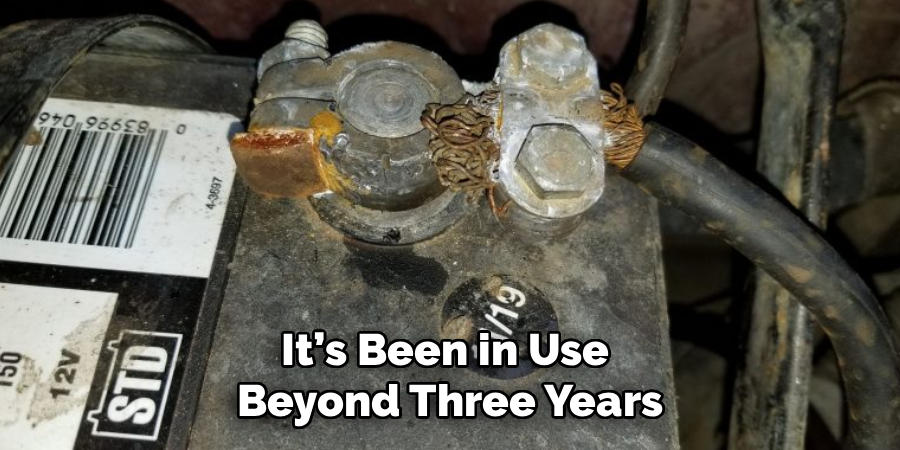
A sharp, sulfurous scent, something reminiscent of week-old eggs gone bad underneath the hood, might greet your nose. That’s leaking battery acid, which is never a good sign. Note the age, too—if it’s been in use beyond three years, fatigue might be the whole explanation.
When the Alternator Starts to Slip?
Alternator trouble is a different animal, often creeping up while the car is actually running. Maybe the battery-shaped warning icon on your dashboard pops up as you’re cruising home from work. Lights may dim or pulse, interiors feeling almost haunted, especially when you fiddle with other electrical features.
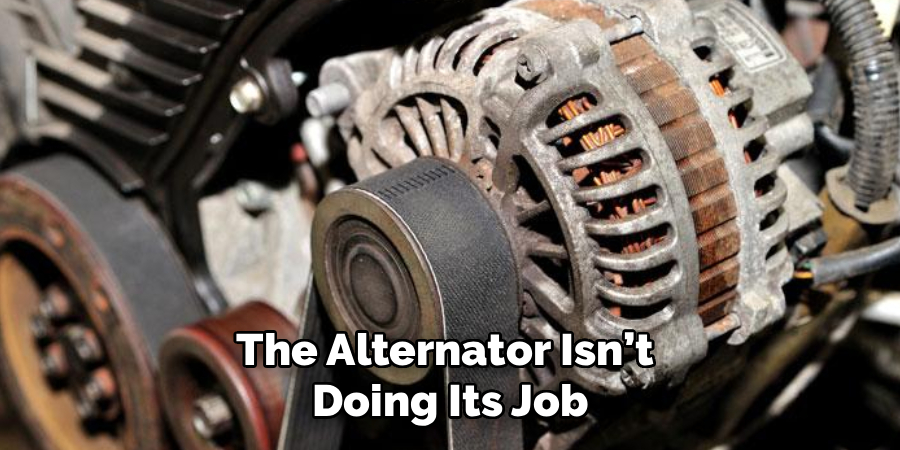
You might hear unfamiliar whines or uncomfortable grinding sounds—these often signal a worn alternator bearing. Here’s another clue: if you jump the car and it fires briefly, only to die the moment you disconnect the cables, odds are the alternator isn’t pulling its weight.
Tools and Other Practicalities
In order to diagnose and repair an alternator issue, there are a few tools you may need. Here are some of the basic ones that any DIY mechanic should have in their arsenal:
Multimeter:
This handy device measures electrical voltages and currents, making it essential for testing the output of your alternator.
Socket Set:
A set of various-sized sockets will come in handy when trying to remove bolts and other components related to the alternator.
Adjustable Wrench:
This can be used to loosen and tighten bolts, nuts, and other fasteners on the alternator.
Battery Terminal Cleaner:
Over time, corrosion can build up on your battery terminals, which can affect the electrical connection. A terminal cleaner tool will help you clean them off for a better connection.
Jack and Jack Stands:
If you need to work under your vehicle while diagnosing or repairing the alternator, it’s important to have a reliable jack and sturdy jack stands to support the weight of your car.
Work Light:
Most likely, you’ll need to do some work in low-light situations. Having a portable work light or headlamp can make all the difference in being able to see what you’re doing.

Gloves:
Working on a car can get messy and greasy, so having a pair of gloves can not only protect your hands but also make clean-up easier. Look for gloves with a good grip and that are resistant to chemicals and oils.
Safety Glasses:
It’s important to protect your eyes while working on a car, especially when dealing with small parts or chemicals. A pair of safety glasses will help prevent any debris from getting into your eyes.
7 Steps on How to Tell if Alternator is Bad or Battery
Step 1: Just Look
Don’t be too quick to start prying or unplugging things. Open the hood, squint at the battery: is there any nasty green or whitish gunk on the terminals? Corrosion can block current altogether, so try not to assume the component itself is dead before cleaning these spots up. Next, grab the battery cables—are they secure? Flick your attention over to the alternator. Check the belt: is it loose, frayed, or AWOL? Sometimes a cheap fix (cleaning, tightening, or replacing a belt) is all you need.
Step 2: Try a Jump-Start
This is about as straightforward as it gets. Hook your dead car’s battery up to a functioning car with the jumper cables. Give it a little time, then see if your vehicle starts and keeps running. If it does, and continues humming along after you remove the cables, the alternator is most likely functioning. If it conks out as soon as the lifeline goes away, the alternator isn’t doing its job. This test doesn’t require much in the way of tools or know-how, and it’s surprisingly telling.
Step 3: Listen Closely
During attempted startup, does the car respond with rapid clicks but no actual cranking? That inability to supply enough juice to the starter motor nearly always implicates the battery. On the other hand, odd noises—with the engine running—can point to the alternator or its belt. High-pitched squeals, a wince-inducing whine, or even a guttural growling often mean the alternator’s internal components are wearing out (or the belt has seen better days).
Step 4: Headlight Test
Sometimes, your headlights can serve as quick diagnostic eyes. Turn them on and point them at a garage door. When the engine idles, do the lights fade or seem lifeless? That suggests an electrical deficit. Now, try tapping the gas; if the lights brighten, your alternator could be lagging at lower engine speeds but revives as the RPMs rise. Lights that stay eternally dim, regardless of what you do, raise questions about both battery and alternator health.
Step 5: Battery Voltage Check
A digital multimeter is your friend here. Switch it to DC volts, make sure the engine is off, and touch the red probe to positive, black to negative. A healthy, ready-to-go battery will read somewhere between 12.4 and 12.6 volts. Dropping below 12 might mean the battery is toast—or at least overdue for a charge. Of course, if recharging brings it right back down again, you’re likely dealing with damaged cells.
Step 6: Alternator Output Test
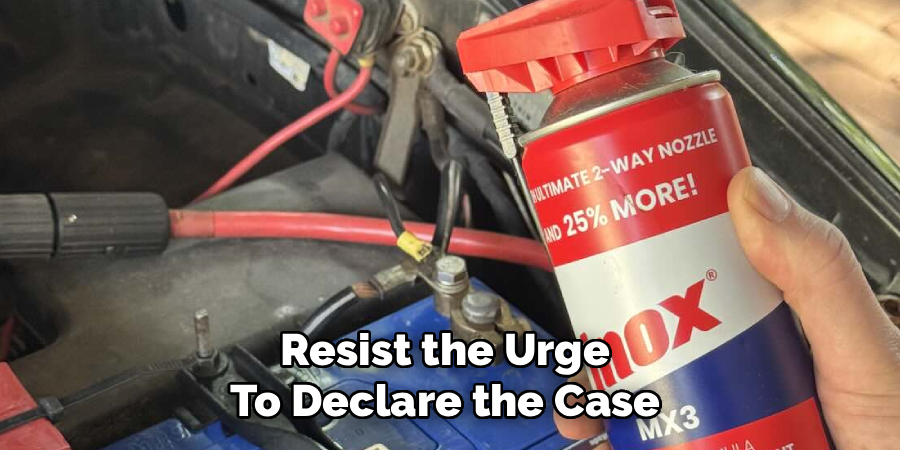
Leave the multimeter hooked up, then ask a friend to start the engine while you watch. As the car fires up, voltage should rise smartly—something in the 13.5 to 14.5 volt range signifies the alternator is sending energy back into the system. If numbers stay flat or drop, you’re probably looking at a bad alternator. Resist the urge to declare the case closed on the first reading; fluctuations can sometimes be tied to wiring or connection quirks.
Step 7: Load Up the Electricals
For a final check, pile on the electrical demands: lights, stereo, air conditioning, wipers—get them all running at once. Observe whether anything starts to falter. If the accessories slow to a crawl or the engine stumbles, your alternator simply can’t keep up. A robust system (well, there’s that word—let’s say sturdy) ought to handle a full load without complaint.
Following these steps on how to tell if alternator is bad or battery, and how to assess a vehicle’s charging system, will give you an idea of its condition. If your alternator is showing signs of failure, it is best to have it checked by a professional mechanic for proper diagnosis and repair. In addition, regular maintenance of your vehicle’s electrical system can help prevent any problems in the future.
When Should You Replace the Battery? The Alternator?
Batteries older than four years, chronically unable to keep a charge, or reading below 12 volts are usually at the end of their reliable lives. They’re a far less expensive fix than an alternator—and one you can often tackle yourself.
Alternators, however, demand attention when the car stalls while driving, the dashboard warning light glows persistently, or the system voltage runs under 13.5 volts. If your vehicle can’t sustain power after a jump and promptly fizzles, the alternator’s almost certainly at fault.
Common Mistakes—Avoid These
It’s easy to fall into old traps. Don’t blame a “dead” battery without checking if the alternator killed it in the first place. Don’t yank off a battery cable while the engine is running—older mechanics used to suggest this, but it now risks zapping sensitive electronics. Filthy battery terminals can imitate other failures; sometimes, the fix is as simple as a wire-brush scrub.
Lastly, never forget to verify the condition and tension of the serpentine belt before shelling out for a new alternator. Double-check your meter isn’t set to AC volts, or your readings could be all over the place.
Keeping Things Running: Maintenance Advice
A bit of maintenance heads off future annoyance. Scrub battery terminals with baking soda and water, paying attention to both cable ends. When you’re changing oil, glance at the alternator belt—does it feel tight or look tired?
Make sure batteries can’t jiggle around, as excessive vibration can ruin their innards. And before you shut down your car, switch off as much as you can; that way, you aren’t layering extra strain on the next startup.
When to Hand It Over to a Mechanic?
If you’ve made it through those steps and are still lost, don’t be ashamed to wave the white flag. Electrical gremlins that resist easy answers—or odd stalling that persists despite testing—are usually best left to professionals.
Lacking the proper gear or feeling uncomfortable around sparks? There’s no shame in letting someone with the right tools take a look. Modern vehicles, festooned with computer modules, won’t always play nice with guesswork.
Frequently Asked Questions
Q1: Can a Good Battery?
It’s possible, yes. A malfunctioning alternator that doesn’t recharge can drain a battery until it’s permanently weakened. Over time, this forces the battery to pick up far more load than it should, leading to deep discharges that destroy its internal components. You might end up needing to replace both parts if the issue goes unchecked for too long.
Q2: Can My Car Run on Battery Alone?
Not for very long. With a dead alternator, your vehicle may limp along for thirty minutes to an hour—maybe even less if you’re blasting the headlights and radio. Once the battery slides below a critical threshold, the fuel system and ignition lose their spark, and that’s the end of the line until you recharge or fix the alternator.
Q3: Battery vs Alternator: Which Is Cheaper to Replace?
No contest here. A typical car battery sets you back $100 to $250 and, for most cars, can be swapped out in ten minutes with basic tools. Alternators are another story; expect to pay $200 to $600 for the part itself, plus labor. Some cars stash the alternator so deep in the engine bay that changing it is a royal pain.
Conclusion
A no-start situation need not descend into chaos and guesswork. Recognize the early signs, keep a multimeter handy, and you’ll usually get to the bottom of things without throwing money at the wrong part.
Next time your car’s engine greets you with silence instead of life, take a breath, follow these steps, and get back on the road with your wallet—and confidence—intact. Thanks for reading this guide on how to tell if alternator is bad or battery.

About
Ora Hayes is a distinguished figure in the world of DIY Thecarfixes, with over a decade of expertise in automotive diagnostics and high-performance maintenance. Her professional focus lies in merging mechanical precision with modern digital tools, fostering repair solutions that are both cost-effective and highly reliable. As the author of Thecarfixes, Ora Hayes delves into the art and science of automotive restoration, inspiring car owners and hobbyist mechanics alike.
Education
RMIT University (Melbourne, Australia) Associate Degree in Automotive Engineering — Focus on vehicle dynamics, industry-driven repair protocols, and advanced diagnostics. Gained hands-on experience with traditional mechanical tools and modern ECU remapping software.
Nottingham Trent University (United Kingdom) Bachelor’s in Mechanical Design and Automotive Engineering (Honors) — Specialized in automotive systems with a focus on blending technical engineering with everyday usability. Participated in industry projects, working with leading automotive manufacturers to gain real-world insights into vehicle longevity.
Publications and Impact
In Thecarfixes, Ora Hayes shares her insights on troubleshooting complex engine issues, material durability, and strategies for efficient garage setups. Her writing bridges the gap between professional mechanic knowledge and the home enthusiast’s needs, making it a must-read for both everyday drivers and seasoned gearheads.