Starting a Porsche Cayenne is simple once you understand the key system, brake pedal sequence, and dashboard messages. Many Cayenne models use a keyless start setup, while some have a slot-style ignition or a removable starter switch depending on model year and equipment.
This guide explains how to start porsche cayenne in a clear, beginner-friendly way so you can avoid confusion, protect the vehicle, and spot common no-start issues early. You will learn where the key fob matters, how to use the brake pedal correctly, what the warning lights mean, and what to do when the vehicle does not respond as expected.
Whether you are driving a newer Cayenne with push-button start or an older model with a slot-based ignition, the basic idea is the same. The vehicle must detect the key, confirm the brake pedal is pressed, check safety systems, and then allow the engine to start.

Why Starting A Porsche Cayenne Correctly Matters
Starting a Porsche Cayenne correctly helps protect the starter system, battery, transmission, and engine. It also reduces stress when the vehicle does not start right away.
A proper start sequence confirms that the key fob is detected, the brake pedal signal is working, and the vehicle is in park or neutral. These checks are important because modern Cayenne models rely on electronic systems before the engine turns over.
Good starting habits also help you notice problems early. A weak battery, key fob issue, brake switch fault, or dashboard warning may appear before a bigger problem develops. When you know the normal process, unusual behavior becomes easier to recognize.
Step-By-Step Guide To How To Start Porsche Cayenne
Step 1: Locate The Key Fob
Start by making sure the key fob is inside the vehicle. In most Porsche Cayenne models with keyless access, the vehicle must detect the fob before it will allow the engine to start. Keep the fob in your pocket, bag, cup holder area, or center console.
If you are learning how to start porsche cayenne, this is the first thing to check. A weak fob battery, blocked signal, or fob left outside the cabin can stop the starting process before anything else happens.
If the dashboard says the key is not detected, move the fob closer to the steering column or center console.
Step 2: Sit Properly And Check The Gear Position
Before starting the engine, sit fully in the driver’s seat and make sure the vehicle is secure. The Cayenne should be in park for normal starting. Some models may also start in neutral, but park is the safest and most common position.
Check that the parking brake is set if you are on a slope. This adds another layer of safety before the engine starts.
Do not press the accelerator pedal during a normal start. Modern fuel-injected engines manage the air and fuel mixture automatically, so pressing the gas pedal is not needed and may confuse the process in some situations.
Step 3: Press The Brake Pedal Firmly
Press and hold the brake pedal before you try to start the engine. This is a required safety step on modern Porsche Cayenne models. The vehicle needs to see a clear brake signal before it will allow the starter to engage.
Use steady pressure, not a quick tap. If the brake pedal feels very hard, press it firmly and hold it while starting. A hard pedal can happen after the vehicle has been parked for a while because vacuum assist may be reduced before the engine runs.
If the vehicle does not respond, a faulty brake light switch can sometimes be the reason.
Step 4: Use The Push-Button Start System
Many newer Cayenne models use a push-button start system. With the key fob inside the cabin and your foot on the brake, press the start button once. The engine should crank and start within a few seconds.
Do not hold the button for a long time unless your owner’s manual says to do so. A normal press is usually enough.
Watch and listen as the vehicle starts. The engine should turn over smoothly, settle into idle, and show normal dashboard activity. If you hear repeated clicking, slow cranking, or no sound at all, the battery or starter system may need attention.
Step 5: Use The Slot-Based Ignition If Equipped
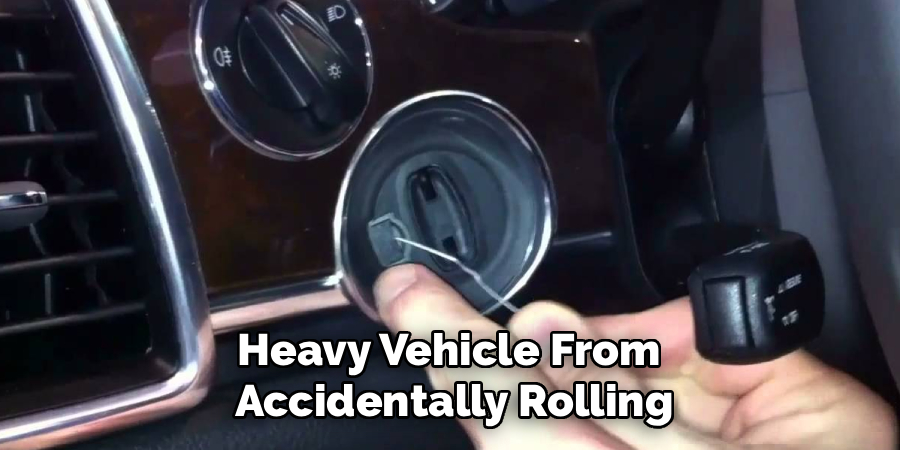
Some Porsche Cayenne models use a slot-style ignition or a fixed starter switch on the left side of the steering wheel, which is a Porsche design tradition. Insert the key or turn the starter switch as your model requires, while keeping your foot on the brake.
The process may feel different from a regular push-button system, but the safety checks are similar. The vehicle still needs the correct key signal and brake input.
Drivers searching for how to start porsche cayenne often get confused because different model years use different ignition layouts. If your Cayenne has a slot, follow the physical key or switch position rather than looking for a center-console button.
Step 6: Watch The Dashboard Indicators
Once you press the start button or turn the starter switch, look at the dashboard. Brief warning lights are normal when the ignition wakes up. They should turn off after the engine starts, except for reminders such as seat belt alerts or parking brake indicators.
Pay attention to messages such as “key not detected,” “depress brake pedal,” “battery low,” or “gear selector not in park.” These messages often tell you exactly what is preventing the start.
If the engine starts but a serious warning remains, do not ignore it. Check the owner’s manual and avoid driving if the warning suggests low oil pressure, overheating, or a major system fault.
Step 7: Start Safely In Cold Weather
Cold weather can make starting harder because battery output drops and engine oil thickens. Make sure unnecessary electrical loads are off before starting, including heated seats, defrosters, and high fan settings if possible.
Press the brake pedal firmly and start the engine as usual. Let the engine settle for a short moment before driving away. You do not need to idle for a long time in most cases, but avoid hard acceleration until the engine warms up.
If the Cayenne cranks slowly in cold weather, the battery may be weak. A battery test can confirm whether it needs charging or replacement.
Step 8: Know What To Do If It Will Not Start
If the Cayenne will not start, stay calm and work through the basics. Confirm the key fob is inside the cabin, press the brake harder, check that the gear selector is in park, and look for dashboard messages.
If the engine clicks or cranks slowly, the battery may be weak. If nothing happens but the lights work, the brake switch, starter circuit, key detection system, or gear selector signal may be involved.
Avoid repeated start attempts if the vehicle clearly has a problem. Repeated cranking can drain the battery further. If basic checks do not help, contact Porsche service or a qualified technician.
Frequently Asked Questions
Why Does My Porsche Cayenne Say Key Not Detected?
This message usually means the vehicle cannot read the key fob signal. The fob battery may be weak, the fob may be too far from the receiver, or another device may be interfering with the signal. Move the fob closer to the steering column or center console and try again. If the message continues, replace the fob battery and check the owner’s manual for the emergency start location.
Can I Start A Porsche Cayenne With A Dead Key Fob Battery?
In many cases, yes. Porsche models often include an emergency method that lets the vehicle read the key even when the fob battery is weak. The exact location can vary by model year, so check your owner’s manual. You may need to hold the fob near a specific area in the cabin while pressing the brake and using the start control.
Why Is The Brake Pedal Hard Before Starting?
A hard brake pedal can be normal after the Cayenne has been parked because the brake booster may not have vacuum assist before the engine starts. Press the pedal firmly and keep steady pressure while starting. If the pedal stays unusually hard after the engine runs, or if braking feels unsafe, stop driving and have the brake system inspected.
What Does It Mean If The Engine Clicks But Will Not Start?
Clicking often points to a weak battery, loose battery connection, or starter-related issue. The dashboard lights may still turn on because they need less power than the starter motor. If the engine does not crank strongly, try a proper battery test or jump start only if it is safe and approved for your model. If clicking continues, professional diagnosis is needed.
Should I Warm Up My Cayenne Before Driving?
You should let the engine stabilize briefly after starting, especially in cold weather, but long warm-up idling is usually not necessary. Drive gently until the engine reaches normal operating temperature. Avoid hard acceleration, high RPM, and heavy loads right after startup. This habit helps oil circulate, reduces wear, and gives the engine and transmission time to warm naturally.
Conclusion
Starting a Porsche Cayenne correctly comes down to a few simple habits: keep the key fob in range, press the brake pedal firmly, confirm the vehicle is in park, use the correct ignition style for your model, and watch the dashboard messages.
When you understand how to start porsche cayenne, you can handle normal starts with confidence and respond better when something goes wrong. The next time you get in, follow the sequence calmly and check any warning message before driving away.

About
Ora Hayes is a distinguished figure in the world of DIY Thecarfixes, with over a decade of expertise in automotive diagnostics and high-performance maintenance. Her professional focus lies in merging mechanical precision with modern digital tools, fostering repair solutions that are both cost-effective and highly reliable. As the author of Thecarfixes, Ora Hayes delves into the art and science of automotive restoration, inspiring car owners and hobbyist mechanics alike.
Education
RMIT University (Melbourne, Australia) Associate Degree in Automotive Engineering — Focus on vehicle dynamics, industry-driven repair protocols, and advanced diagnostics. Gained hands-on experience with traditional mechanical tools and modern ECU remapping software.
Nottingham Trent University (United Kingdom) Bachelor’s in Mechanical Design and Automotive Engineering (Honors) — Specialized in automotive systems with a focus on blending technical engineering with everyday usability. Participated in industry projects, working with leading automotive manufacturers to gain real-world insights into vehicle longevity.
Publications and Impact
In Thecarfixes, Ora Hayes shares her insights on troubleshooting complex engine issues, material durability, and strategies for efficient garage setups. Her writing bridges the gap between professional mechanic knowledge and the home enthusiast’s needs, making it a must-read for both everyday drivers and seasoned gearheads.