Operating a standard transmission often presents a surprisingly steep learning curve for modern drivers. Moving backward, in particular, tends to induce a unique brand of performance anxiety. You might find yourself dreading tight parking spots or sloped driveways simply because you fear the engine will sputter and die.
We understand the distinct frustration of jerky movements in front of impatient onlookers. Automotive mechanics can feel intimidating when you are actively trying not to hit a concrete pillar. Learning how to reverse a manual car without stalling remains an essential skill that transforms a nervous operator into a confident driver.
This guide breaks down the exact physical mechanics behind backing up smoothly. We will explore how the friction plates interact in reverse gear and why the bite point dictates your success. By following these highly specific directions, you could effectively eliminate the guesswork and protect your transmission from premature wear.
Understanding the Bite Point
Before you shift into gear, it is crucial to understand the friction zone, often called the bite point. This is the precise moment when the engine connects to the transmission, allowing energy to transfer to the wheels. Mastering this connection is vital for smooth and controlled movement. You can identify the bite point by a slight drop in engine noise, often paired with a subtle pull forward or backward as the clutch engages.
Why the Bite Point Matters
Understanding the bite point eliminates the jerks and stalls caused by poor clutch control. It also helps reduce wear on your transmission and clutch plates, ultimately prolonging your vehicle’s lifespan. Spending time practicing this engagement allows you to instinctively manage your car’s movements, ensuring smoother starts and stops.
Practicing in a Controlled Environment
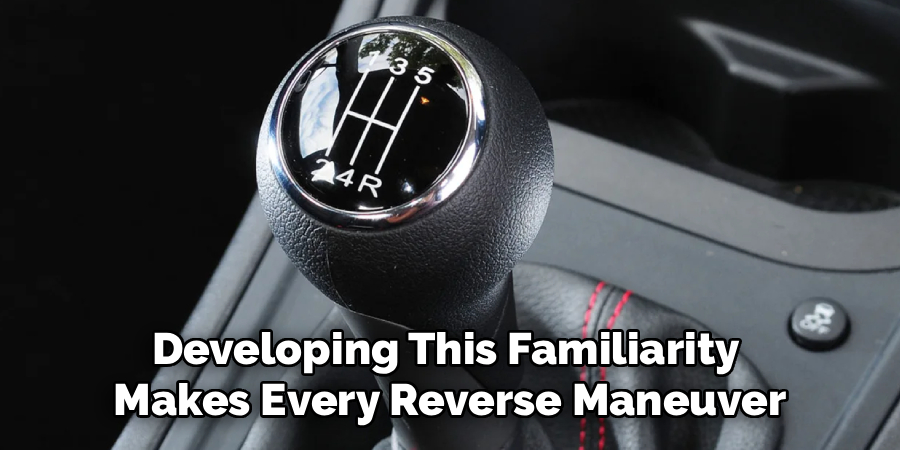
To become proficient, we recommend finding a flat, open parking lot for practice. With the engine running, press and release the clutch pedal gradually until you feel the bite point engage. Repeat this motion several times to get acquainted with how it feels in your specific vehicle. Developing this familiarity makes every reverse maneuver more predictable and seamless.
Why Reversing Feels Different Than First Gear
Why Does Reversing Feel Different Than First Gear?
Many drivers frequently wonder why backing up feels significantly trickier than pulling forward into traffic. The answer lies within the specific gear ratios inside your transmission. The reverse gear is typically designed with a much “taller” ratio compared to first gear. This mechanical difference makes the engine inherently want to move the car faster when fully engaged in reverse.
Managing Reverse Gear for Control
Releasing the clutch pedal completely while in reverse can cause the vehicle to shoot backward at an uncomfortable speed, which can be both unsafe and stressful. Experienced drivers often avoid fully releasing the clutch when backing up.
Instead, they hover around the bite point, allowing controlled slipping of the friction plates. This technique provides precise control over the car’s movement, enabling safe and deliberate repositioning, like inching into a parking space without risking your vehicle or others nearby.
How to Reverse a Manual Car Without Stalling: Step by Step Guide
Understanding the internal mechanics provides a solid foundation, but you must eventually translate that theory into physical muscle memory. This primary guide details exactly how to reverse a manual car without stalling. Follow these precise physical instructions carefully to build your coordination.
Patience arguably serves as your most valuable diagnostic tool here. Rushing the footwork almost guarantees you will abruptly kill the engine.
Step 1: Position Your Body and Check Surroundings
Begin the sequence by ensuring your immediate environment is completely clear of obstacles. Turn your upper body physically to look out the rear window. You must maintain this twisted posture while keeping your left foot hovering lightly over the pedals.
Relying solely on backup cameras or side mirrors often leaves dangerous blind spots unchecked. We suggest putting your right arm behind the passenger seat to anchor your torso comfortably. This specific posture allows you to see clearly behind the bumper while maintaining precise leverage over the steering wheel.
Step 2: Depress the Clutch and Select Reverse Gear
Press the left pedal firmly all the way to the floorboards. Keep your right foot pressed heavily on the brake pedal so the chassis does not roll unexpectedly. Shift your gear stick deliberately into the reverse position.
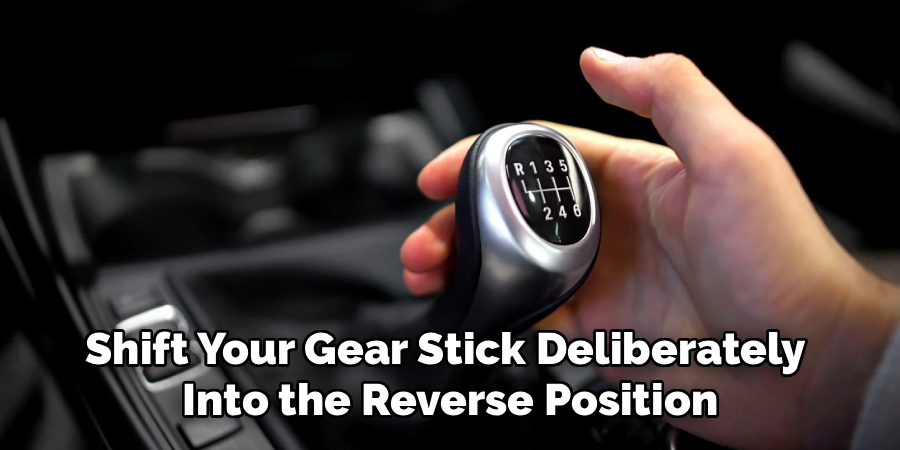
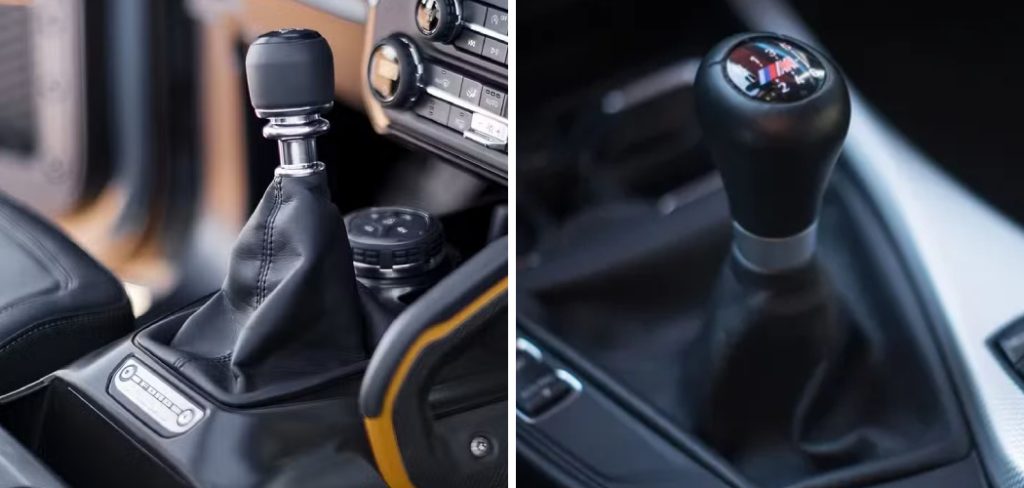
Depending on your specific vehicle model, shifting backward might require a unique physical motion. You might need to push the stick downward, pull up a plastic collar on the shaft, or move it forcefully to the far right. Ensure you feel the mechanical linkage fully engage to avoid awful grinding noises when you apply power.
Step 3: Find the Bite Point Slowly
Keep the vehicle locked in place with the foot brake. Begin slowly lifting your left foot off the floorboard with absolute control. Pay close attention to the subtle vibrations radiating through the chassis.
Stop lifting your leg the exact moment you feel the car desperately wanting to move backward. Keep your foot completely frozen in this elevated position. You have successfully located the friction zone.
Holding this exact position is critically important. Letting the pedal rise any further without adding fuel will immediately stall the engine.
Step 4: Add Slight Throttle for Control
If you happen to be parking on a perfectly flat surface, the bite point alone might provide enough kinetic energy to roll backward. To prevent a stall completely, however, you generally need to add a fractional amount of gas. Move your right foot swiftly from the brake to the accelerator pedal.
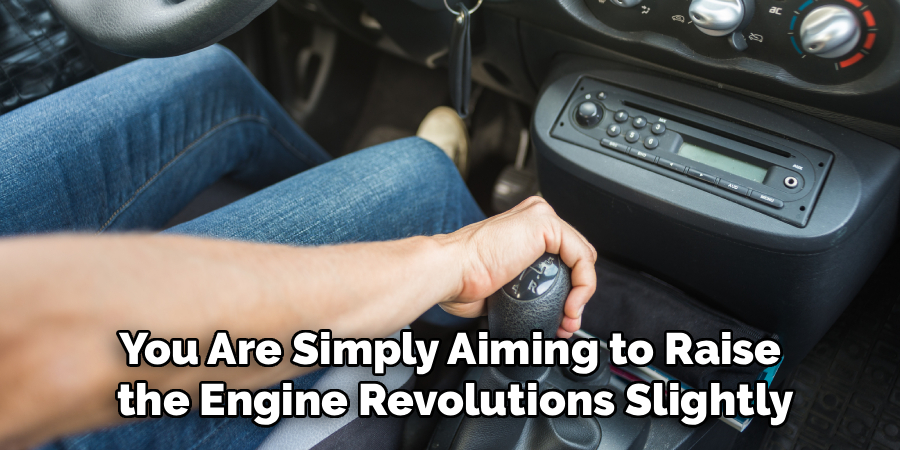
Press the gas down very gently. You are simply aiming to raise the engine revolutions slightly above their idle state. This minor injection of fuel gives the motor enough rotational strength to pull the heavy steel chassis without bogging down.

Step 5: Control the Speed Using Only the Clutch
This phase represents the most critical part of the entire maneuver. You should never use the gas pedal to dictate how fast you travel backward. Keep your throttle input incredibly steady and light.
Press the clutch inward a millimeter to slow your momentum. Let the pedal outward a millimeter to increase your reversing speed. Riding the friction zone in this highly deliberate manner grants you total authority over your velocity.
Step 6: Brake Smoothly and Disengage
You must eventually stop the vehicle safely without killing the motor when you reach your desired parking depth. Quickly push the left pedal completely back to the floorboards. This action severs the mechanical connection to the engine instantly.
Simultaneously move your right foot off the accelerator. Apply gentle, steady pressure to the brake pedal until the tires stop rolling. Once the chassis comes to a complete halt, shift the stick back into neutral and engage the parking brake firmly.
Common Mistakes When Driving Backward
Even drivers with years of experience occasionally struggle with moving a standard transmission backward. Analyzing frequent anatomical errors helps you recognize bad habits before they become permanent neurological pathways. Avoiding these specific pitfalls drastically reduces your chances of stalling.
A failed maneuver usually stems from panic rather than a lack of actual skill.
Releasing the Clutch Pedal Too Fast
The most frequent reason engines die abruptly involves dumping the left pedal too quickly. When a driver panics or rushes the maneuver, their leg naturally wants to lift entirely away from the floor. Because the reverse gear ratio is inherently aggressive, a fast release dumps a massive mechanical load onto the engine all at once.
This sudden kinetic burden stops the internal crankshaft instantly. You must train your leg muscles to pause and hold tension. Imagine balancing a delicate glass of water on your left knee while operating the machinery.
Keep your heel securely anchored to the floor mat if your anatomy allows it. Pivoting your ankle rather than lifting your entire upper leg gives you significantly finer control over the heavy spring tension.
Over-Revving the Engine
Fear of stalling frequently leads drivers to overcompensate by using far too much throttle. Pushing the gas pedal heavily while hunting for the bite point causes the engine to roar aggressively. This excessive friction burns the clutch plates rapidly.
Burning the friction material creates a distinctly foul smell in the cabin. It also leads to incredibly expensive mechanical repairs down the road. Furthermore, accidentally releasing the left pedal while the engine is revving high will launch the car backward violently.
Practice listening to the subtle engine notes. You only need a barely perceptible increase in fuel to keep the motor running smoothly. A light, respectful touch on the accelerator remains all that is required for a safe maneuver.
Safety Tips for Reversing a Manual Vehicle
Staying safe while maneuvering backward requires more than just mechanical footwork. You must stay acutely aware of your shifting environment while simultaneously managing the vehicle’s transmission. These targeted safety strategies ensure you protect yourself and surrounding pedestrians.
Parking lots are dynamic environments. Children, shopping carts, and other distracted drivers appear without warning.
Mastering Mirror Use and Blind Spots
Twisting your body physically gives you the best direct view of the area directly behind your bumper. You still need your side mirrors, however, to track the lateral dimensions of your car. Check your side mirrors frequently to monitor how close your paint is getting to neighboring parked cars.
Manual vehicles tend to roll slightly in the wrong direction during the brief transition from the brake to the gas pedal. Keeping a constant visual check on your immediate surroundings ensures you catch any unexpected rolling instantly. Always pause your backward movement completely if a pedestrian enters your peripheral vision.
Dealing with Inclines and Slopes
Backing up a steep, angled driveway represents the ultimate test of stick-shift control. Gravity actively works against your efforts, making the heavy vehicle desperate to roll forward into the street. To handle this topographical challenge safely, you should utilize your handbrake.
Keep the handbrake lever pulled firmly upward while you find the friction zone with your left foot. Apply a steady amount of gas with your right foot. Once you feel the suspension straining backward against the emergency brake, slowly release the hand lever downward.
This specific technique holds the car steady while your feet manage the complicated pedal work. It completely eliminates the stressful, dangerous rollback. Mastering the handbrake technique guarantees safe reversing on virtually any sloped surface you encounter.
Building Confidence Through Practice
The Importance of Hands-On Practice
Reading about pedal control differs significantly from executing it in a moving car. To build confidence and refine your skills, find a large, empty parking lot, preferably on a quiet weekend morning.
Dedicate at least thirty minutes to practicing reverse maneuvers into designated parking spaces. Allow yourself the freedom to stall the engine deliberately a few times. These intentional missteps will help you identify the mechanical limits of the car, teaching you how to regain control in similar situations.
Reducing Stress to Improve Learning
Practicing in a low-pressure environment removes the anxiety caused by traffic or impatient drivers. This relaxed setting allows your leg muscles to adjust, improving coordination and reducing errors. Gaining proficiency with a manual vehicle happens through consistent physical repetition. Over time, this practice will make footwork increasingly intuitive. When confronted with a real-world scenario, your movements will feel natural, and confidence will follow.
Conclusion
Mastering the mechanical art of moving backward safely provides a massive boost to your overall driving confidence. We have explored the underlying importance of holding the friction zone with absolute precision. Managing your engine speed gently prevents the violent lurching that terrifies most novice operators.
Stalling is rarely a mechanical failure; it is simply a matter of broken pedal harmony. This temporary lack of coordination appears easily fixed with patience and highly deliberate leg movements. Remember that you almost never need to let the pedal all the way out when parking.
Small, tightly controlled anatomical adjustments are the absolute key to maneuvering successfully. Knowing exactly how to reverse a manual car without stalling changes driving from a stressful chore into a highly rewarding, tactile experience. Take these precise techniques out to an empty lot, practice your footwork repeatedly, and you will soon navigate the tightest urban parking spots with absolute mechanical authority.

About
Ora Hayes is a distinguished figure in the world of DIY Thecarfixes, with over a decade of expertise in automotive diagnostics and high-performance maintenance. Her professional focus lies in merging mechanical precision with modern digital tools, fostering repair solutions that are both cost-effective and highly reliable. As the author of Thecarfixes, Ora Hayes delves into the art and science of automotive restoration, inspiring car owners and hobbyist mechanics alike.
Education
RMIT University (Melbourne, Australia) Associate Degree in Automotive Engineering — Focus on vehicle dynamics, industry-driven repair protocols, and advanced diagnostics. Gained hands-on experience with traditional mechanical tools and modern ECU remapping software.
Nottingham Trent University (United Kingdom) Bachelor’s in Mechanical Design and Automotive Engineering (Honors) — Specialized in automotive systems with a focus on blending technical engineering with everyday usability. Participated in industry projects, working with leading automotive manufacturers to gain real-world insights into vehicle longevity.
Publications and Impact
In Thecarfixes, Ora Hayes shares her insights on troubleshooting complex engine issues, material durability, and strategies for efficient garage setups. Her writing bridges the gap between professional mechanic knowledge and the home enthusiast’s needs, making it a must-read for both everyday drivers and seasoned gearheads.