The EPC light can feel confusing when it appears on your dashboard, especially if your car suddenly loses power, idles roughly, or responds slowly to the accelerator. EPC usually stands for electronic power control, and it often relates to the throttle system, brake switch, sensors, wiring, or engine management controls. If you are searching for how to reset epc light, the most important thing to know is that resetting it should come after diagnosis, not before.
This guide explains what the warning means, how to check common causes, and when it is safe to clear codes. You will learn a practical process that helps protect your vehicle and avoid guessing.
Why The EPC Light Matters
The EPC light matters because it often signals a fault in a system that affects power, throttle response, braking signals, or engine control. When the light comes on, your vehicle may limit performance to prevent damage or reduce safety risks. This can feel like sluggish acceleration, reduced engine power, or an unstable idle.
Taking the warning seriously helps you find the real cause before it becomes a larger repair. A simple issue, such as low battery voltage, a blown fuse, or a loose connector, may be easy to fix. Other causes, such as throttle body faults or pedal sensor problems, need careful testing. Diagnosing the issue first helps you avoid clearing the light only to have it return.
Step-By-Step Guide To How to Reset Epc Light
Step 1: Read The Warning Signs
Start by paying attention to what the vehicle is doing when the EPC light appears. Notice whether the engine runs rough, the accelerator feels delayed, the idle speed changes, or the vehicle enters reduced power mode. These details help narrow the cause.
Also note when the light appears. It may come on during startup, while accelerating, after braking, or while driving at steady speed. If the check engine light appears with it, that is also important. Do not ignore flashing warning lights, severe shaking, stalling, or sudden loss of power. In those cases, stop driving when safe and get professional help.
Step 2: Understand What EPC Means
EPC usually means electronic power control. It is linked to systems that help manage throttle response, engine power, and related control signals. On many modern vehicles, pressing the accelerator does not move a simple throttle cable. Instead, sensors, wiring, control modules, and an electronic throttle body work together.
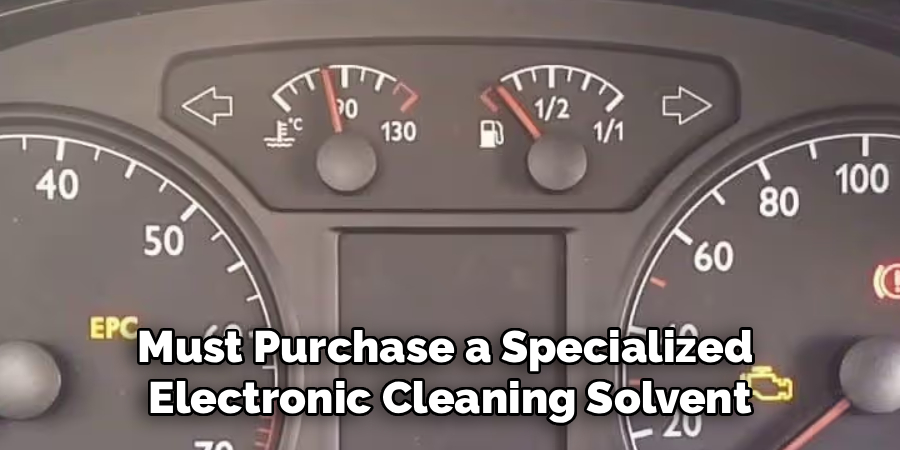
Because the EPC system depends on many parts, one warning light can have several possible causes. A problem may come from the accelerator pedal sensor, throttle body, brake light switch, battery voltage, wiring, fuses, or engine control system. Understanding this prevents one common mistake: replacing parts before testing them.
Step 3: Scan For Diagnostic Trouble Codes
Use an OBD-II scanner that can read engine and manufacturer-specific codes when possible. A basic scanner may show general codes, but some EPC-related faults may require a more advanced scan tool. Read all stored, pending, and permanent codes before clearing anything.
Write down the codes and freeze-frame data. Freeze-frame information can show vehicle speed, engine load, temperature, and other conditions when the fault was recorded. This helps you see whether the issue happened during startup, acceleration, braking, or normal driving. If you clear codes too early, you may lose clues that make the repair easier.
Step 4: Check Battery Voltage And Fuses
Low voltage can cause confusing warning lights, including EPC-related faults. Test the battery with a multimeter before assuming a major part has failed. With the engine off, a healthy fully charged battery is often around 12.6 volts. With the engine running, charging voltage is commonly around 13.5 to 14.8 volts, depending on the vehicle.
Inspect related fuses after checking the battery. Look for blown fuses that control engine management, throttle control, brake lights, or sensor circuits. Replace a blown fuse only with the correct rating. If the new fuse blows again, there is likely a short or wiring issue that needs proper diagnosis.
Step 5: Inspect The Brake Light Switch
A faulty brake light switch can trigger EPC warnings on some vehicles because the computer relies on brake pedal signals for throttle and safety control. Check whether the brake lights turn on and off normally when you press and release the pedal. If they stay on, fail to light, or work only sometimes, the switch or its adjustment may be a problem.
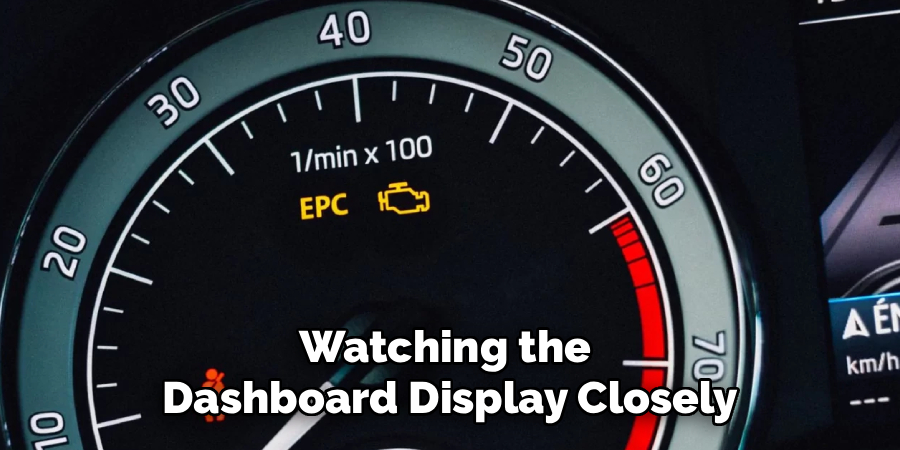
Do not assume the switch is good just because one brake light works. Check all rear brake lights, including the high-mounted light if equipped. If the brake signal does not match pedal movement, a scan tool can often confirm whether the computer sees the switch changing correctly.
Step 6: Check The Throttle Body And Pedal Sensor
The throttle body controls airflow into the engine, while the accelerator pedal sensor tells the computer how much power you are requesting. If either part sends incorrect or inconsistent signals, the EPC light may turn on and the vehicle may limit power.
Inspect the throttle body area for loose connectors, damaged wiring, heavy carbon buildup, or signs of tampering. Some throttle bodies can be cleaned, but use the correct cleaner and follow the service procedure for your vehicle. The accelerator pedal sensor should not be guessed at. If codes point to pedal position issues, live data testing can confirm whether the readings are smooth and consistent.
Step 7: Look For Wiring And Connector Problems
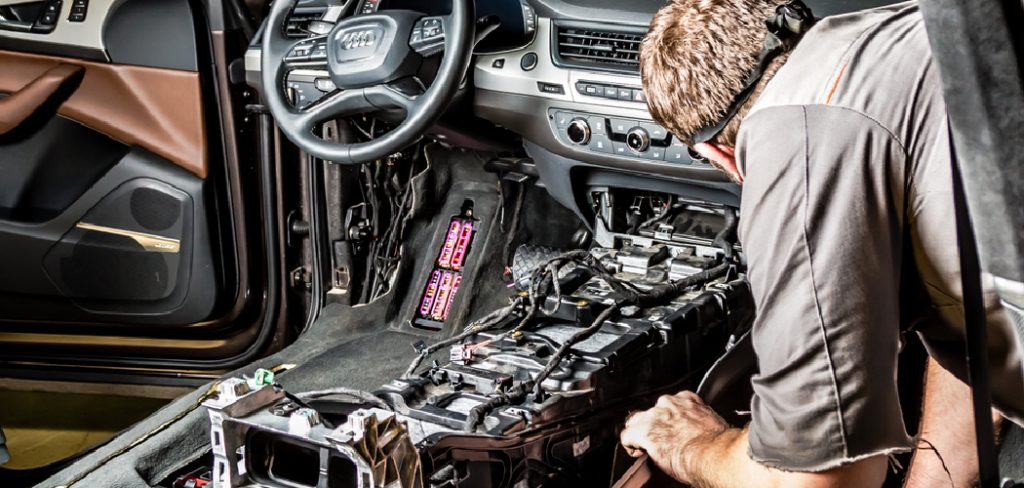
Electrical issues are common because EPC-related systems depend on clean signals. Inspect connectors around the throttle body, accelerator pedal, brake switch, battery, fuse box, and engine control module area if accessible. Look for loose plugs, broken locks, corrosion, oil contamination, pinched wires, or rodent damage.
Do not pull hard on wiring harnesses. Instead, check gently and make sure connectors are fully seated. If a connector has green corrosion, bent pins, or moisture inside, it can cause intermittent faults that appear and disappear. Wiring problems can be hard to find, so consider a qualified technician if the fault returns after basic checks.
Step 8: Clear Codes After Repairs
In practice, how to reset epc light should mean clearing the warning after the cause has been fixed. Once you repair the issue, use a scan tool to clear the stored codes. Then restart the vehicle and watch the dashboard. If the light stays off, take a careful test drive and monitor how the engine responds.
If the light returns right away, the fault is still present. If it returns after several miles, the problem may be intermittent or only appears under certain conditions. Do not keep clearing the warning without more testing. Recheck the codes and compare them with your earlier notes.
Frequently Asked Questions
Can I Drive With The EPC Light On?
You may be able to drive a short distance if the vehicle feels normal, but it is not wise to ignore the light. The EPC warning can involve throttle response, engine power, or brake signal issues. If the car loses power, shakes, stalls, or feels unsafe, stop driving when possible and arrange an inspection before continuing.
Will Disconnecting The Battery Reset The EPC Light?
Disconnecting the battery may turn the light off temporarily, but it does not fix the cause. It can also erase useful diagnostic data and may reset radio, window, or computer settings. If the fault is still present, the warning will likely return. A scan tool is a better option because it lets you read codes before clearing them.
What Is The Most Common Cause Of An EPC Light?
There is no single cause for every vehicle, but common issues include throttle body problems, accelerator pedal sensor faults, brake light switch issues, low battery voltage, blown fuses, and wiring faults. The best starting point is a code scan. Symptoms and live data can then help confirm which part or circuit needs attention.
Is The EPC Light The Same As The Check Engine Light?
No, they are not exactly the same, though they can appear together. The check engine light covers many engine and emissions faults. The EPC light is more focused on electronic power control and related systems, such as throttle control or pedal input. When both lights appear, scanning all stored codes is especially important.
How Much Does It Cost To Fix An EPC Light?
The cost depends on the cause. A fuse, loose connector, or brake light switch may be affordable, while a throttle body, wiring repair, or control system issue can cost more. Diagnostic time also affects the final price. Paying for proper testing can save money because it prevents replacing good parts by guesswork.
Conclusion
The EPC light should be handled as a warning that needs diagnosis, not as a light to simply switch off. Start by noting symptoms, scanning trouble codes, checking battery voltage and fuses, inspecting brake light switch operation, reviewing throttle and pedal sensor concerns, and looking for wiring or connector damage. After the repair is complete, clear the codes and confirm the vehicle drives normally.
If the warning returns, the underlying problem still needs attention. Learning how to reset epc light the right way helps you protect your vehicle, avoid unnecessary parts replacement, and drive with more confidence.

About
Ora Hayes is a distinguished figure in the world of DIY Thecarfixes, with over a decade of expertise in automotive diagnostics and high-performance maintenance. Her professional focus lies in merging mechanical precision with modern digital tools, fostering repair solutions that are both cost-effective and highly reliable. As the author of Thecarfixes, Ora Hayes delves into the art and science of automotive restoration, inspiring car owners and hobbyist mechanics alike.
Education
RMIT University (Melbourne, Australia) Associate Degree in Automotive Engineering — Focus on vehicle dynamics, industry-driven repair protocols, and advanced diagnostics. Gained hands-on experience with traditional mechanical tools and modern ECU remapping software.
Nottingham Trent University (United Kingdom) Bachelor’s in Mechanical Design and Automotive Engineering (Honors) — Specialized in automotive systems with a focus on blending technical engineering with everyday usability. Participated in industry projects, working with leading automotive manufacturers to gain real-world insights into vehicle longevity.
Publications and Impact
In Thecarfixes, Ora Hayes shares her insights on troubleshooting complex engine issues, material durability, and strategies for efficient garage setups. Her writing bridges the gap between professional mechanic knowledge and the home enthusiast’s needs, making it a must-read for both everyday drivers and seasoned gearheads.