Automotive interiors inevitably succumb to daily friction and severe solar degradation. Faded or torn upholstery frequently suggests a broader timeline of mechanical neglect. The cabin environment directly dictates your physical comfort during long commutes.
Many enthusiasts assume that textile restoration requires an expensive professional shop. This specific skill appears to intimidate casual driveway mechanics. However, modern automotive manufacturing techniques rely heavily on standardized clips and rings.
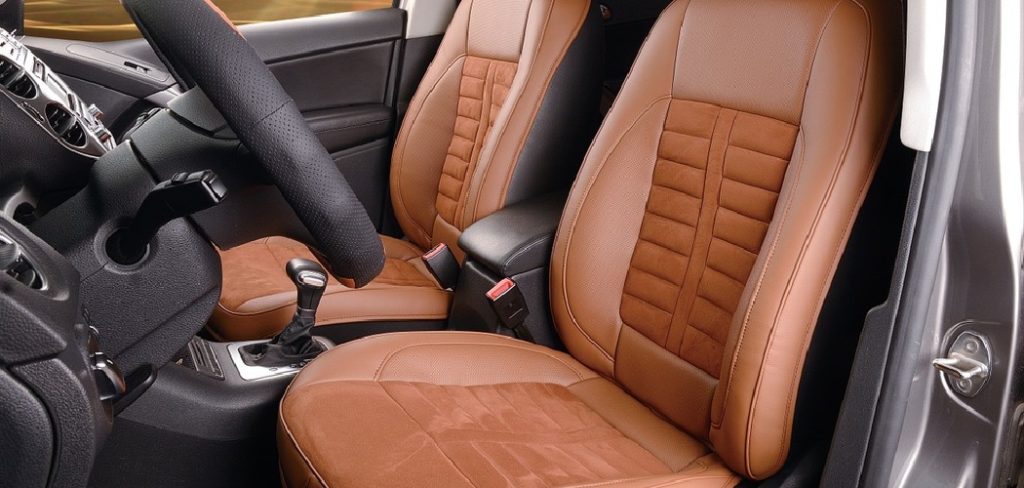
This standardization makes the replacement process surprisingly logical. Knowing exactly how to recover car seats could potentially transform your driving environment entirely. Approaching this project with academic patience usually yields impressive, factory-grade results.
A calculated effort easily replaces the need for blind brute force. We will examine the physical dismantling of the heavy steel frame alongside the intricate alignment of fresh textiles. You can restore your vehicle’s cabin independently without paying exorbitant labor rates.
Understanding Automotive Upholstery Materials
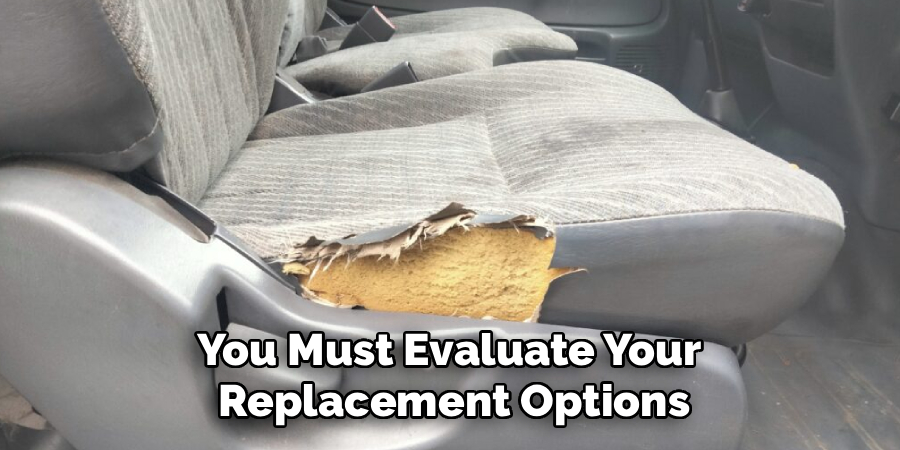
Selecting the appropriate fabric dictates the long-term viability of your interior restoration. Factory materials endure extreme thermal shifts and continuous physical abrasion. You must evaluate your replacement options with an analytical mindset rather than purely aesthetic preferences.
Choosing poorly could lead to premature tearing or severe color fading. The synthetic compounds available today often rival traditional hides in durability. Understanding the base chemistry of these textiles helps you make an informed financial decision.
Synthetic Versus Natural Fibers
Organic leather commands a premium price while offering distinct tactile advantages. It breathes naturally but requires continual conditioning to prevent brittle fracturing over time. Vinyl and polyurethane alternatives may suggest a more pragmatic approach for daily drivers.
These synthetic polymers resist moisture naturally and frequently outlast organic hides under harsh solar exposure. They also stretch much more predictably during the installation process. This predictability proves highly valuable for amateur trimmers navigating complex, curved seat contours.
Foam Degradation Over Time
The structural foam hidden beneath the fabric dictates overall passenger comfort. This underlying polyurethane matrix physically breaks down into fine dust after years of localized pressure. Ignoring a collapsed bolster almost certainly ruins the fitment of your newly installed covers.
You should anticipate patching or replacing damaged foam sections during this physical transition. Pouring money into premium vinyl covers serves no purpose if the seat framing sags beneath your weight. A solid, rebuilt foundation ensures a tightly tailored final appearance.
Essential Tools
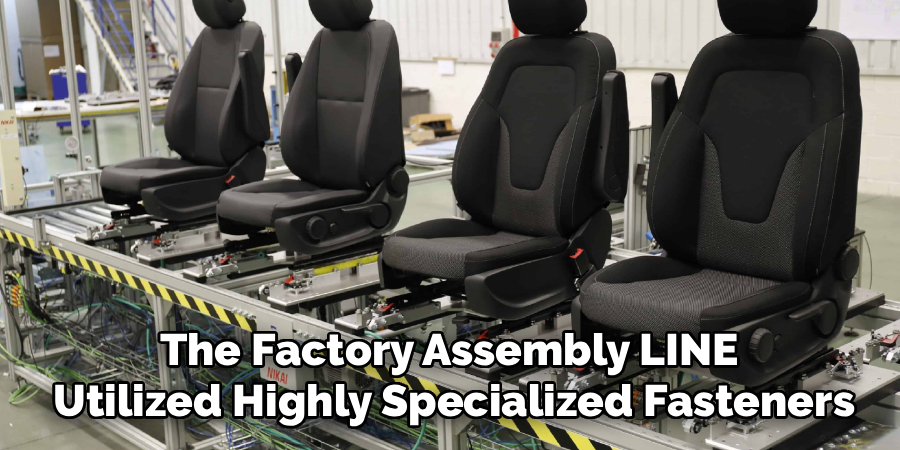
Attempting automotive upholstery work without specific hardware frequently leads to deep frustration. The factory assembly line utilized highly specialized fasteners to anchor the tensioned fabric. Replicating this tension requires acquiring the correct mechanical implements.
Generic garage tools rarely suffice for this particular discipline. You will bend standard pliers and dull your basic utility knives rapidly. Procuring the right instruments appears to indicate a higher probability of overall success.
Hog Ring Pliers And Fasteners
Hog rings act as the primary structural anchors for automotive textiles. These thick metal loops bite through the fabric channels and clamp directly onto steel rods embedded within the foam. Standard needle-nose pliers simply cannot compress these rings with sufficient mechanical force.
You must procure spring-loaded hog ring pliers to ensure the metal bites down completely. The grooved jaws hold the ring securely while you navigate blindly inside the dark seat cushion. A loose hog ring will eventually detach, causing your new cover to shift and wrinkle unpredictably.
Precision Cutting Instruments
Manipulating raw material demands exact, clean incisions around seatbelt receivers and headrest posts. A dull blade easily snags synthetic threads, causing highly visible tearing. Utilizing fresh razor blades or professional tailor shears yields a much safer outcome.

Clean cuts prevent the internal seams from unraveling under subsequent tension. You should swap your razor blades frequently, the moment they encounter physical resistance. Sharp edges glide through thick automotive vinyl without distorting the surrounding material.
How To Recover Car Seats: The Disassembly Process
Extracting the furniture from the cabin represents the initial physical hurdle. Trying to stretch tight vinyl while crouching inside a cramped doorway introduces unnecessary mechanical difficulty. You must isolate the component on a well-lit, stable workbench.
Bringing the seat inside your garage protects the exposed electronics from sudden weather changes. It also allows you to manipulate the heavy frame from multiple advantageous angles. Careful extraction prevents collateral damage to your door panels and center console.
Removing The Seat From The Chassis
Disconnect the negative battery terminal before touching any wiring underneath the cushions. Modern seats house complex airbag sensors and delicate heated element circuits. Triggering an airbag accidentally could potentially cause severe physical harm.
Unbolt the heavy floor brackets using a heavy-duty metric socket set. Carefully extract the heavy assembly through the widest available door opening. Ask a friend to assist with the lifting, as these metal frames often weigh more than fifty pounds.
Stripping The Old Fabric
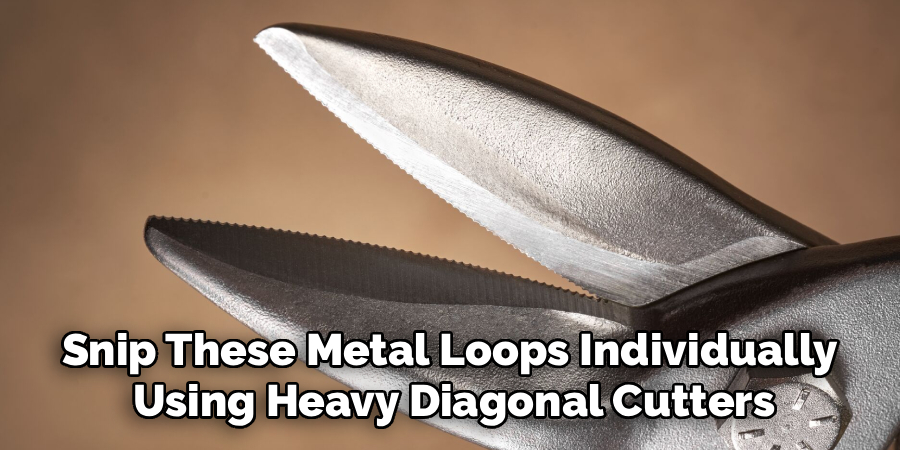
Begin peeling the perimeter edges by unhooking the plastic J-clips secured to the lower metal pan. You will encounter dozens of rusty hog rings as you peel the material upward. Snip these metal loops individually using heavy diagonal cutters.
Documenting the location of each anchor point with photographs could save you hours of confusion later. The factory installed those rings in highly specific locations to maintain uniform tension. You will need to replicate that exact anchoring map during the final reassembly.
Inspecting And Repairing The Foam Base
Stripping the old cover reveals the raw, unvarnished state of your interior foundation. Crumbling yellow dust pooling near the metal springs generally indicates severe structural fatigue. You simply cannot stretch a new cover over a totally collapsed frame.
The tight dimensions of the replacement material demand a plump, fully intact cushion. Failing to address foam damage results in baggy, loose upholstery. This specific preparatory stage dictates the professional quality of your final result.
Evaluating Structural Integrity
Press your palm firmly into the side bolsters and the center cushion. The material should rebound instantly rather than holding the physical indentation. If the metal frame protrudes through the padding, you face a serious structural deficit.
You must glue fresh high-density foam over the exposed steel. This padding prevents the sharp metal edges from slicing your new upholstery from the inside out. Use an aerosol automotive contact adhesive to bind the new foam blocks securely to the original base.
Applying Steam To Rejuvenate Foam
Compressed polyurethane foam frequently responds well to intense thermal hydration. Passing a commercial garment steamer slowly over flattened areas forces hot moisture into the crushed cellular structure. This physical reaction causes the foam to expand and regain its original factory volume.
Allow the revived cushion to dry completely before applying any synthetic adhesives or fabrics. Trapping water beneath the new vinyl cover invites mold and mildew into your cabin. A thoroughly dried cushion guarantees a hygienic, long-lasting seating environment.
Installing The New Upholstery
Putting the puzzle back together requires methodical, symmetrical stretching. Automotive fabrics are sewn slightly smaller than the foam base to ensure a remarkably tight fit. This dimensional tension makes the installation process highly demanding.
Rushing this phase usually results in crooked seams and uncomfortable pressure points. You must coax the fabric over the foam gradually. Utilizing a heat gun on a very low setting occasionally helps relax the stubborn vinyl.
Aligning The Seams And Bolsters
Turn the new seat cover inside out, much like preparing to put on a tight sock. Align the topmost seams directly with the upper corners of the headrest area. Roll the heavy material downward slowly.
Ensure the internal listing channels perfectly match the steel rods buried in the foam. Misalignment at the top will magnify exponentially by the time you reach the bottom edge. Periodically step back to verify the vertical seams track perfectly straight down the center.
Securing The Perimeter With Hog Rings
Anchor the central seams first before pulling the outer edges tight. Compress your fresh hog rings through the fabric loops and onto the metal frame. Work symmetrically from the center outward to push any visual slack toward the edges.
Once the center holds firm, stretch the heavy vinyl down over the lower metal pan. Snap the long plastic J-clips securely onto the sharp metal lip. You might need to use your entire body weight to compress the lower springs enough to latch the final clips.
Conclusion
Breathing new life into a dilapidated cabin alters your daily driving experience fundamentally. The physical transformation from cracked leather to pristine synthetic vinyl often revitalizes the entire vehicle. A methodical approach to dismantling the frame prevents broken sensors and damaged interior plastics.
We have explored the necessity of specialized pliers, the science of foam recovery, and the mechanics of tensioned fabrics. Understanding exactly how to recover car seats empowers you to bypass expensive professional upholstery shops entirely. You can tackle this tactile restoration with academic precision, resulting in a tightly tailored, highly comfortable automotive interior.

About
Ora Hayes is a distinguished figure in the world of DIY Thecarfixes, with over a decade of expertise in automotive diagnostics and high-performance maintenance. Her professional focus lies in merging mechanical precision with modern digital tools, fostering repair solutions that are both cost-effective and highly reliable. As the author of Thecarfixes, Ora Hayes delves into the art and science of automotive restoration, inspiring car owners and hobbyist mechanics alike.
Education
RMIT University (Melbourne, Australia) Associate Degree in Automotive Engineering — Focus on vehicle dynamics, industry-driven repair protocols, and advanced diagnostics. Gained hands-on experience with traditional mechanical tools and modern ECU remapping software.
Nottingham Trent University (United Kingdom) Bachelor’s in Mechanical Design and Automotive Engineering (Honors) — Specialized in automotive systems with a focus on blending technical engineering with everyday usability. Participated in industry projects, working with leading automotive manufacturers to gain real-world insights into vehicle longevity.
Publications and Impact
In Thecarfixes, Ora Hayes shares her insights on troubleshooting complex engine issues, material durability, and strategies for efficient garage setups. Her writing bridges the gap between professional mechanic knowledge and the home enthusiast’s needs, making it a must-read for both everyday drivers and seasoned gearheads.