Let’s set the scene: You’re behind the wheel, maybe impatiently checking the clock or nervously feeling the pressure from the car behind you. Then it happens—the engine ignores your key, the lights die, and you’re stuck. For many, it’s a frustrating, occasionally embarrassing ordeal. Whether you’re blocking traffic on a busy street or simply unable to leave your own driveway, moving a car that won’t cooperate can feel impossible. Still, the ability to do so may, at times, spare you a migraine—or worse, a call from the police to tow your unmoving vehicle.
What follows isn’t some grand secret or mystical ritual. Instead, it’s a practical walk-through—how to avoid smashing your car, injuring yourself, or testing the limits of physics because you took a shortcut. I’ll outline the safety basics, a reality check on what equipment you’ll want, and why you might reconsider moving the car at all under certain conditions. In this guide on how to move a dead car, you’ll learn about the steps involved in safely moving a car that won’t start.
Safety Precautions Before Moving a Dead Car
Let’s not be glib about this: There’s real risk in shifting a stalled car, especially anywhere near moving vehicles or hilly terrain. Before you consider shoving it out of the way or hitching it for a tow, stop and survey your situation. If you’re on a city street or even a country road with regular drivers passing by, your best friends are your hazard lights. Get them on quickly—yes, even if it’s daylight. If you own reflective triangles, now would be the time to fish them out of the trunk. Road flares? Use with care, and only if they won’t create a bigger hazard.
A few words for those on an incline: Don’t. Gravity isn’t your buddy, and neither is the surprising weight of a car that starts to roll the wrong way.
Think carefully about who’s helping. Even with flat land and good weather, pushing two tons of steel is no small ask. If your helper wheezes on the walk from the front door to the mailbox, maybe don’t press them into service. Good shoes, nothing loose that could snag, and gloves aren’t optional for anyone who values their hands and feet. Rain, ice, and snow? Don’t be the cautionary tale. Sometimes, waiting for professional help is the only reasonable answer.
Identify the Cause (Quick Check)
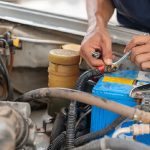
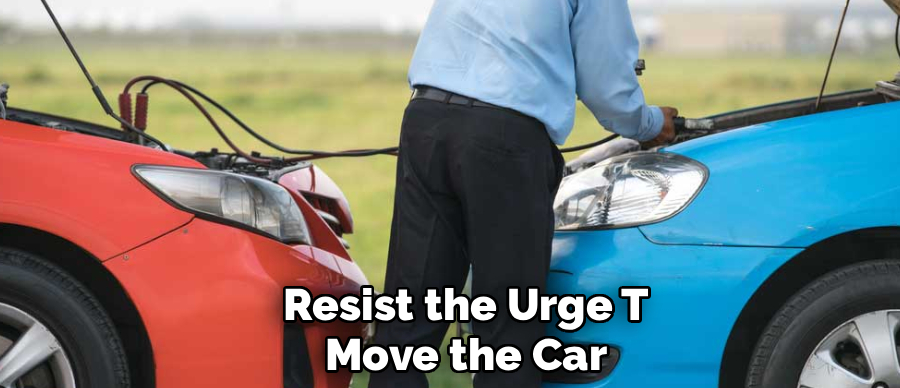
Before you exert yourself (and your friends), try to figure out why the car won’t budge. Sometimes, especially with older batteries, it’s a problem that’s quickly resolved with a set of jumper cables and a willing passerby. Listen as you turn the key: Quick, repetitive clicks? The battery is likely flat—again, a jump-start might do the trick. Are dashboard lights totally dead, or is the silence complete? That could mean more than just a weak battery—corrosion or loose wires can be the culprit.
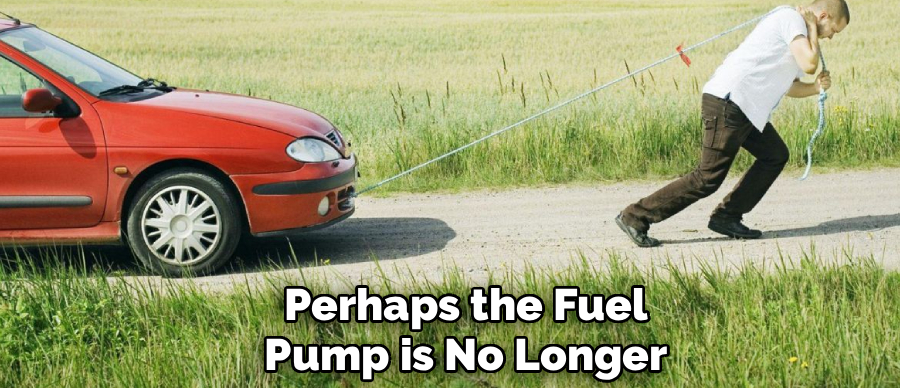
Of course, engines that crank and fail to catch might suggest you’ve run dry on gas, or perhaps the fuel pump is no longer with us. If, instead, there’s a nasty grinding sound, try not to flinch: Starters die, too. Sorting through these details will spare you (and everyone else) the wasted effort of relocating a car that could be fixed in minutes. But let’s not sugarcoat: Sometimes, the only option is moving it a few yards to await a tow.
Tools & Equipment You May Need
Aside from your basic knowledge and problem-solving skills, you may also need a few tools and equipment to help you determine the cause of your car engine troubles. Here are some of the most common tools that every car owner should have to perform basic troubleshooting:
- OBD-II Scanner
- Multimeter
- Spark Plug Wrench
- Oil Filter Wrench
- Jack and Jack Stands
7 Simple Step-by-step Guidelines on How to Move a Dead Car
Step 1: Assess the Scene and Find Backup
Before enthusiasm gets the best of you, pause. Trace out your plan: Where will the car go? Are there hidden potholes, dips, or debris on the route? A flat destination is ideal—not just for you, but for whoever comes with the tow afterward. Don’t bet on brute force to get you over a curb or through ankle-deep mud. That rarely pans out.
Help is non-negotiable. Pushing a sedan seems possible with two or three strong folks; a pickup or SUV, not so much. Make sure someone is assigned to sit in the driver’s seat—they’ll need to steer and work the brakes. The rest should anchor themselves firmly behind the car, shoulder to trunk (never to glass or taillights).
Step 2: Shift Into Neutral
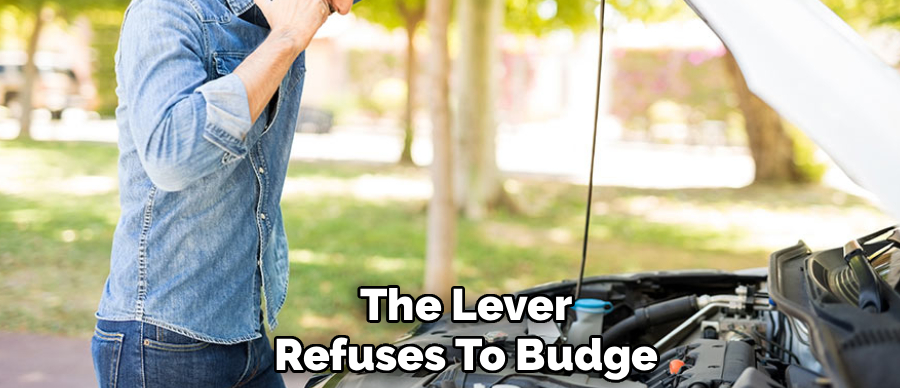
For all the physics at play, one thing matters here: The wheels have to roll. Key in the ignition, turn to “On” or “Accessory.” The wheel should unlock now, and you should be able to shift into “Neutral.” If you press the brake and the lever refuses to budge, don’t panic. Some cars—particularly newer automatics—trap the lever in “Park” if the battery’s dead. Dig out your manual, or look for a small plastic plug near the gear shifter. Underneath is a release slot. Pop the cap, poke a key or pen inside, and you should be able to move the shifter with a bit of patience.
Step 3: Release the Parking Brake
Obvious, but often skipped in the stress of the moment. Whoever’s in the driver’s seat needs their foot pressed firmly on the main brake. Release the handbrake (or the electric equivalent). At this point, the car is one bad decision away from rolling on its own—so do a final check of who’s ready and where everyone stands.
Test the grade: The driver should slowly ease off the brake. If the car moves instantly or looks prone to rolling, a rethink may be in order.
Step 4: Assign the Driver to Steering (and Braking)
Steering a car without engine power can feel like wrestling a bear. Power steering won’t help; all muscle. The same goes for brakes—the pedal stiffens significantly, so the person at the wheel must keep this in mind and be capable of applying serious force to stop the car. Roll the window down—shouting or hearing instructions is far easier without glass in the way.
Step 5: Line Up, Communicate, and Push (or Tow)
Communication is underrated. Pushers should grip the solid parts—trunk or steel bumper, never the easily shattered plastics. Glass, too, has no place here. Once everyone agrees they’re ready, the driver counts down: three, two, one. Then, the brakes are off, and with some collective grunting, the car starts moving. The first shove is the worst. The rest, assuming the terrain complies, is a manageable trudge.
Momentum helps, but don’t lose sight of your surroundings. Keep the pace to a brisk walk at most; this isn’t a race, and losing control is easier than you might expect.
Step 6: Keep Moving, Adjust As Needed
Once rolling, small obstacles can become large problems. Anticipate upcoming turns; steering is slow, and adjusting late means you’ll end up off course. The driver should warn—shout, don’t just gesture—if something changes. If the car picks up speed, don’t risk injury by trying to hold it back by hand; rely only on the brakes.
Step 7: Secure the Car—For Good This Time
Once the vehicle settles into its target spot, hold it in place with the brake. Immediately reapply the parking brake. Shift back into “Park” or first gear if it’s a manual. The pushers can safely step away. If the ground isn’t perfectly level, wedge something—a brick, a block, or a chock—under the wheels for extra insurance. Only once you’re absolutely certain the car won’t budge should everyone step away and call a towing service.
Following these steps on how to move a dead car will ensure the safety of both the pushers and the vehicle. Remember to always prioritize personal safety and precautionary measures when dealing with a dead car.
When to Call for Professional Help?
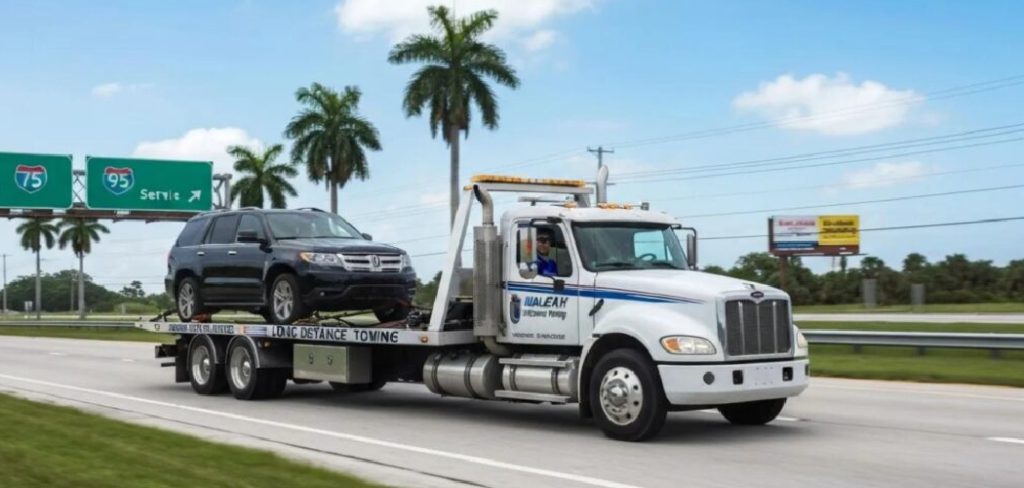
There are moments when wisdom lies in standing still. If you’re on a freeway, especially near a bend or crest where drivers might not see you, resist the urge to move the car. Stay buckled up, hazards on, and call for help immediately.
Similarly, if the car’s straddling a hill or won’t steer at all, let professionals with winches and warning lights handle it. There’s no badge of honor for risking injury or your life.
Common Mistakes to Avoid
Too many people learn the hard way—it only takes one person to lose control of a rolling car for disaster to strike. Never try pushing a car solo, unless you’re certain it’s absolutely safe. Avoid fragile body parts—side mirrors, plastic fenders, and taillights are both expensive and surprisingly breakable.
People underestimate stiff brake pedals on dead cars as well, often panicking and compounding an already stressful situation. Most mishaps, though, are the result of poor communication. Talk first, act second.
After Moving the Car
So, you’ve managed the move. What next? Priorities shift quickly: Make sure hazards are still flashing. Call for a tow sooner rather than later; letting the car sit for days is rarely wise. Use your phone to look up quality repair shops—don’t just trust the nearest place.
Do not, unless you have mechanical training or genuine know-how, attempt repairs beyond the most basic. Modern engines are complicated beasts.
Frequently Asked Questions
Q1: Can I Move A Dead Car By Myself Without Any Help?
Frankly, it’s rarely safe. Not only do you need a driver at the wheel to steer and brake, but trying to push and direct the car from outside isn’t practical—or safe. Too many end up with a runaway car or, worse, an injury.
Q2: Does A Dead Car Steer And Brake Normally?
Not at all. Without engine power, both steering and braking become a full-body workout. Turning the wheel will tax your shoulders, and you’ll have to stomp the brake pedal hard to achieve even a gentle stop.
Q3: What Should I Do If The Car Is Stuck On An Incline?
Fight the urge to test your strength. Hills are dangerous, and physics cares little for your intentions. Keep the parking brake engaged, use wheel chocks if you feel safe leaving the car, and call someone with the proper equipment—a flatbed, a winch, and the experience for this exact scenario.
Final Thoughts And Next Steps
The realities of dead batteries, failing alternators, or sudden breakdowns are not just bad luck; they’re part of every driver’s experience sooner or later. Knowing your limits—and those of your helpers—could be the difference between a quick solution and a day full of regret. Don’t discount the value of preparation: routine checks, an emergency kit in the trunk, and a little practice with those “just in case” tools.
There’s no harm in letting professionals handle what you can’t. Above all, no amount of convenience is worth your safety, or that of those around you. When in doubt? Wait it out and call for a tow. Thanks for reading this guide on how to move a dead car.

About
Ora Hayes is a distinguished figure in the world of DIY Thecarfixes, with over a decade of expertise in automotive diagnostics and high-performance maintenance. Her professional focus lies in merging mechanical precision with modern digital tools, fostering repair solutions that are both cost-effective and highly reliable. As the author of Thecarfixes, Ora Hayes delves into the art and science of automotive restoration, inspiring car owners and hobbyist mechanics alike.
Education
RMIT University (Melbourne, Australia) Associate Degree in Automotive Engineering — Focus on vehicle dynamics, industry-driven repair protocols, and advanced diagnostics. Gained hands-on experience with traditional mechanical tools and modern ECU remapping software.
Nottingham Trent University (United Kingdom) Bachelor’s in Mechanical Design and Automotive Engineering (Honors) — Specialized in automotive systems with a focus on blending technical engineering with everyday usability. Participated in industry projects, working with leading automotive manufacturers to gain real-world insights into vehicle longevity.
Publications and Impact
In Thecarfixes, Ora Hayes shares her insights on troubleshooting complex engine issues, material durability, and strategies for efficient garage setups. Her writing bridges the gap between professional mechanic knowledge and the home enthusiast’s needs, making it a must-read for both everyday drivers and seasoned gearheads.