Let’s be honest: there’s never a convenient time for your car to break down. One minute, you’re on your way somewhere with the music up; the next, you’re staring at a dashboard full of warning lights or listening to a suspicious clunk that immediately sours your plans. It happens. Stressful? Absolutely. But knowing what to do—step by step on how to get your car towed to a mechanic—can turn a potential fiasco into a minor detour.
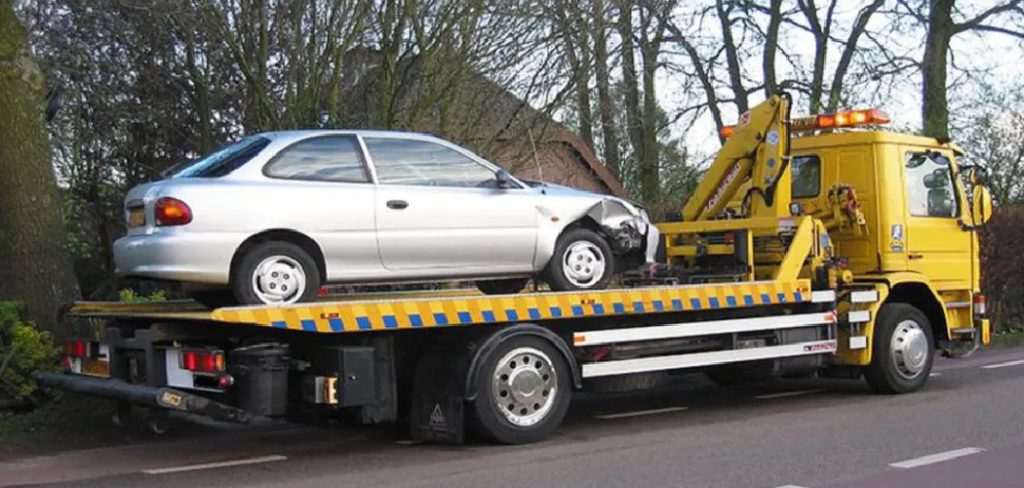
Handling this kind of crisis takes a cool head. Suddenly, you’re juggling phone calls—insurance, roadside assistance, the repair shop itself. It can get confusing fast, and the missteps aren’t always cheap. A little preparedness, though, goes a surprisingly long way. Navigating the process with care not only minimizes out-of-pocket expenses but also helps you avoid mishaps that could leave your car worse off than it started.
Assess the Situation First
Put down your phone for a second. Before you dial anyone, take stock of your environment and the car’s condition. Is traffic zipping past your door? Flip those hazard lights on straight away—make yourself visible. If your car can limp off the main road, aim for a shoulder, parking lot, or even a wide driveway, anything to get clear of flowing traffic. Maybe that’s not possible and you’re marooned in a live lane.
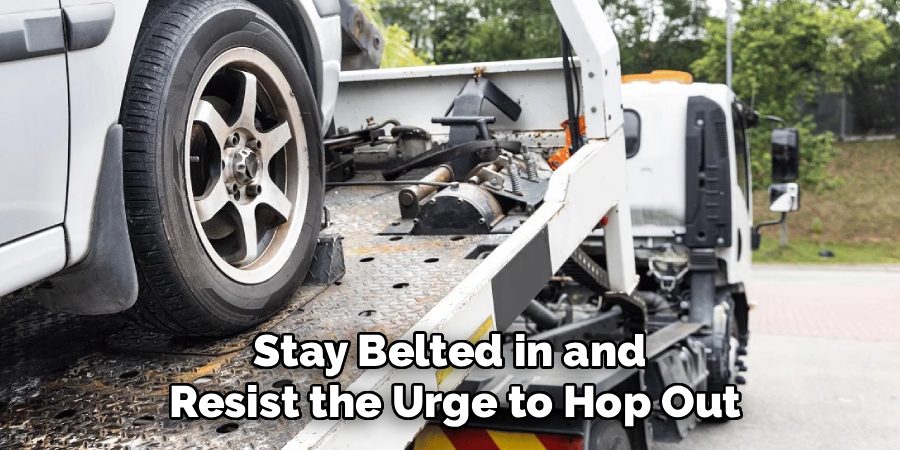
In that case, stay belted in and resist the urge to hop out, at least until you’re sure it’s safe. Smoke from under the hood? Strange lights flashing? These are things the dispatcher will want to know, so get a read on them. If you have to get out, do it away from traffic—climb over to the passenger side if needed.
7 Step-by-step Guidelines on How to Get Your Car Towed to a Mechanic
Step 1: Find a Safe Place to Wait
Your first concern isn’t the car. It’s you and any passengers. Once you’re clear of traffic (or as much as you can be), the safest bet is often to stay put, doors locked, hazard lights blinking. Rear-end collisions aren’t rare when a car is stranded roadside, so keep those seatbelts fastened—yes, even when stopped. Different scenario: there’s smoke or the acrid smell of leaking fuel. In that case, don’t hesitate—get everyone well away from the vehicle, beyond guardrails or up an embankment if possible.
Visibility is your friend here. Flares or reflective triangles, if you have them, can be life-saving, especially at night or in bad weather. Toss them far enough back to give other drivers plenty of warning.
Step 2: Gather All the Car’s Vital Details
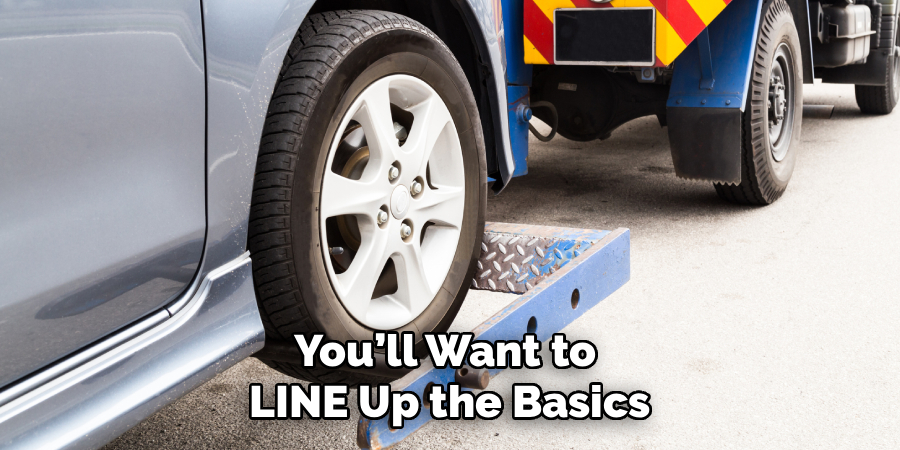
Before you call the cavalry, you’ll want to line up the basics. Tow truck dispatchers deal in specifics: exact make, model, year, and color, sure, but also the license plate and the type of drive system. For instance, towing an all-wheel-drive SUV with the wrong equipment can turn a simple breakdown into a transmission nightmare.
Location presents its own challenges. It’s rarely enough to say “near exit 9.” Think landmarks, street names, mile markers, or—in a pinch—drop a pin in your phone’s map and read off the coordinates. Little details reduce how long you’re stuck waiting and avoid mix-ups that, in the heat of the moment, can feel endless.
Step 3: Contact Roadside Help or Your Insurance
People often overlook benefits they’re already paying for. Your insurance card, credit card perks, or wireless provider might include towing, though the fine print is easy to forget. Check those first—using them can keep you from shelling out for a tow you could’ve had covered.
Speak carefully with the assistance agent. Explain not just where you are, but any weird noises or dashboard lights the car gave off. They’ll usually assign a towing company to your case, sometimes with direct billing, so you won’t pay upfront —it depends on the details. It never hurts to confirm the company name and how long you’ll wait, so you’re not left guessing who’s actually coming.
Step 4: Decide Where Your Car Should Go
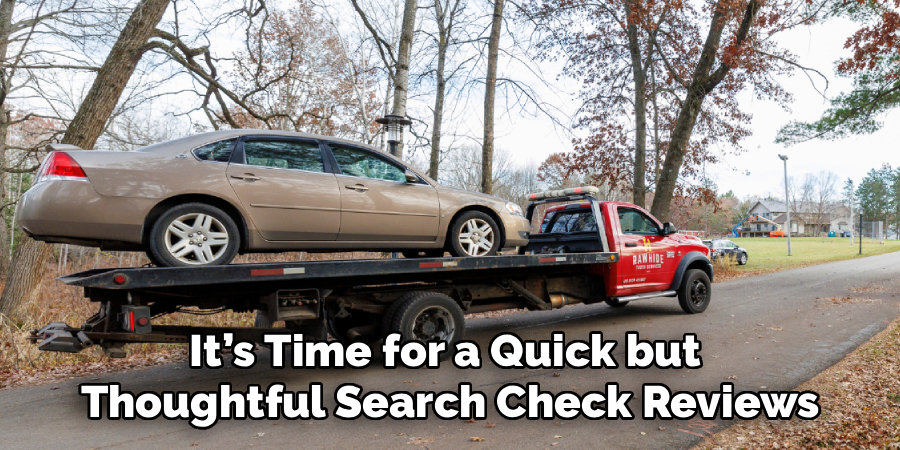
No trusted mechanic on speed dial? It’s time for a quick but thoughtful search—check reviews, recent customer complaints or praise, and ask about pricing transparency. If a shop sounds right, ring them up. Make sure the shop is open and taking drop-offs (some books fill up fast). Give them a quick rundown of what’s wrong and explain that a tow truck will be bringing your car over. Some repair shops have preferred towing partners; it’s possible you’ll get a discount by going with their recommendation.
Step 5: Calling the Tow Truck Company
No roadside coverage? No problem—just a bit more legwork. Hunt for reputable local towing outfits—user ratings and availability into the wee hours count for a lot. When you reach the dispatcher, rattle off all the specifics you’ve gathered.
Clarity on costs is critical. Ask outright what they’ll charge. Most tows break down into a hookup fee and a per-mile rate, but that can vary. Some drivers want payment in cash, others are fine with cards. Get all this sorted before your ride shows up—nothing is more frustrating than confusion at drop-off.
Step 6: Prepare the Vehicle for Towing
Now’s the time to sweep through the car—grab wallets, anything irreplaceable, important paperwork, and don’t forget the trunk. It’s a sad reality, but things sometimes disappear; neither the tow truck company nor the repair shop usually takes responsibility for lost items.
Snap a few photos of your car’s exterior, especially if it’s in decent shape. Odd as it may sound, documentation can keep you covered if the situation sours and the car comes back with a new dent or scratch. And, if you can reach it safely, release the parking brake. It makes the driver’s job both easier and safer.
Step 7: Keep in Touch with the Mechanic
As soon as the tow truck driver heads for the repair shop, let the mechanic know when to expect your car. If you’re riding along, mention when you’ll arrive so you can handle check-in and paperwork on the spot.
Can’t follow in the tow? You’ll want to give the shop a careful list of symptoms and, crucially, your wishes for diagnostics. Be clear that you expect a call with an estimate before any work is begun—a little proactive communication guards your bank account against surprise repairs.
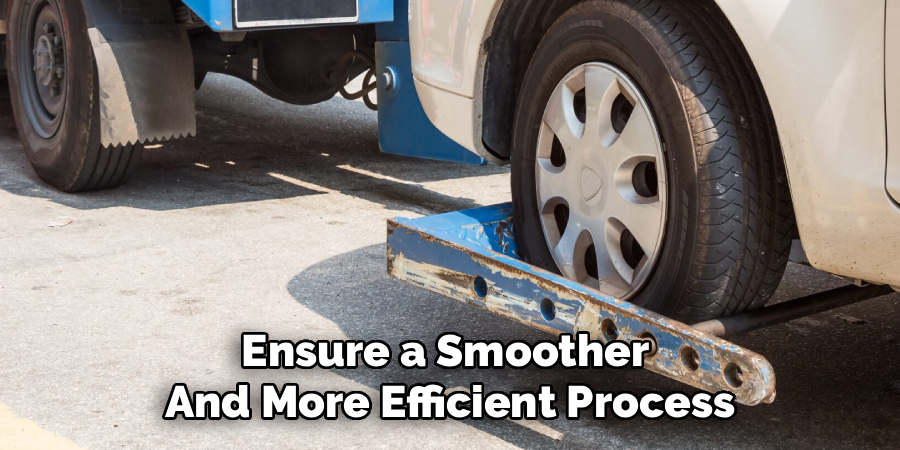
Following these steps on how to get your car towed to a mechanic will ensure a smoother and more efficient process. Additionally, it is important to maintain open communication with the mechanic and clearly express your expectations for diagnostics and cost estimates before any work is started.
Common Mistakes to Avoid
Here’s something that catches many off guard: those random tow trucks that just happen to arrive seconds after a breakdown. These operators aren’t always looking out for you; some charge jaw-dropping fees and won’t release your vehicle until you cough up the cash.
Always cross-check that the truck matches the company you called, or that your insurance dispatched. Leaving a vehicle on the highway unattended? That’s almost a guaranteed way to find it gone—law enforcement may tow it as a hazard.
Emergency Tips
You hope you’ll never need them, but a compact roadside kit is one of those things you’ll be glad to have—until you don’t. Jumper cables, triangles, a solid flashlight with batteries, and first-aid essentials.
Winter brings its own headaches: keep a blanket, spare gloves, and water in the trunk, just in case hours tick by while you wait for a rescue. A portable phone power bank, always charged, is another simple insurance against a dead battery at the wrong moment.
Prevent Future Breakdowns
If there’s a way to avoid drama by paying attention to routine maintenance, it tends to be worth it. Oil changes, tire rotations, topping off fluids—these aren’t just chores. They’re how you catch problems before you end up on the shoulder calling for a tow. Warning lights matter. Don’t let them blink for weeks.
Once a year, get someone trustworthy to look over brakes, battery, and belts; sometimes what seems minor today turns into a big, inconvenient failure tomorrow.
Frequently Asked Questions
Q1: How Much Does A Tow Usually Cost?
Estimates vary, but you’re often looking at anywhere from $75 to $125 for a standard local tow. Most outfits bill a base hookup charge, maybe $50, then add $2 to $5 for every mile. Special circumstances—big vehicles, winching jobs, late-night tows—inflate that bill quickly.
Q2: Can I Ride In The Tow Truck With My Car?
Typically, yes. One or two people can usually join the driver, assuming the cab has seatbelts for everyone. Company policy and insurance restrictions can alter that, so when you’re on the phone to arrange pickup, it’s smart to ask specifically.
Q3: Does My Insurance Cover Towing Fees?
Don’t count on it by default. Regular liability or comprehensive policies don’t always include towing unless you’ve added roadside coverage to your plan. If you’re hit by another driver and need a tow, their insurance may pay for it—but check the policy details regardless.
Wrapping Up Your Towing Experience
No one likes calling for a tow, but there’s no reason it needs to spiral into chaos. By knowing what to expect—evaluating the scene, contacting help, choosing a trustworthy shop, and keeping the lines of communication clear—you’re far better positioned to handle the ordeal with minimum fuss.
A little foresight and staying cool under pressure can turn a major inconvenience into nothing more than a brief detour. Thanks for reading this guide on how to get your car towed to a mechanic.

About
Ora Hayes is a distinguished figure in the world of DIY Thecarfixes, with over a decade of expertise in automotive diagnostics and high-performance maintenance. Her professional focus lies in merging mechanical precision with modern digital tools, fostering repair solutions that are both cost-effective and highly reliable. As the author of Thecarfixes, Ora Hayes delves into the art and science of automotive restoration, inspiring car owners and hobbyist mechanics alike.
Education
RMIT University (Melbourne, Australia) Associate Degree in Automotive Engineering — Focus on vehicle dynamics, industry-driven repair protocols, and advanced diagnostics. Gained hands-on experience with traditional mechanical tools and modern ECU remapping software.
Nottingham Trent University (United Kingdom) Bachelor’s in Mechanical Design and Automotive Engineering (Honors) — Specialized in automotive systems with a focus on blending technical engineering with everyday usability. Participated in industry projects, working with leading automotive manufacturers to gain real-world insights into vehicle longevity.
Publications and Impact
In Thecarfixes, Ora Hayes shares her insights on troubleshooting complex engine issues, material durability, and strategies for efficient garage setups. Her writing bridges the gap between professional mechanic knowledge and the home enthusiast’s needs, making it a must-read for both everyday drivers and seasoned gearheads.