Every time I glance up at the fuel pump’s blinking green display, I wince. Gas prices shift with the wind—or at least, that’s how it feels—so saving a little at the pump has become less a quirk and more a necessity.
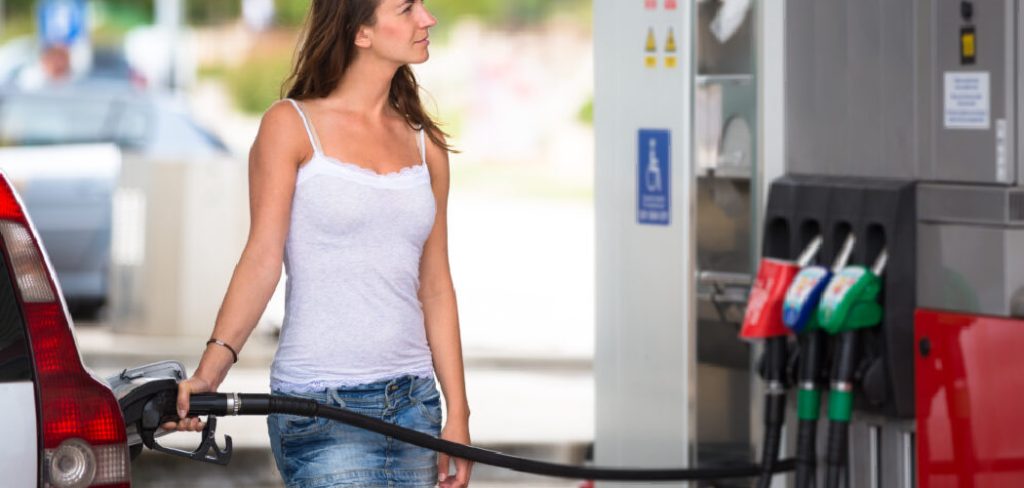
No need to overhaul your life or empty your wallet on the latest hybrid, though. Small changes—nothing radical—can genuinely stretch each gallon further, while a few care routines might even coax better performance out of that well-loved (or stubborn) engine. In this guide on how to get better fuel mileage, we’ll break down the key factors that affect your car’s fuel efficiency and provide practical tips for keeping those gas costs under control.
What Affects Fuel Mileage?
The recipe for fuel mileage rarely has a single culprit. It’s a stew of machine quirks, weather moods, and how we ourselves behave behind the wheel. An engine left neglected, for instance, will often guzzle fuel and offer little in return. Something as minor as an old spark plug or a clogged air filter can upset the delicate balance, quietly sapping your tank as you go about your week. Even basic things like the grade of oil or whether you’ve kept up with regular tune-ups shape your mileage more than you might suspect.
But that’s just beneath the hood. Step outside and you notice other culprits: roof carriers, those bins or bikes perched drag-inducingly overhead, or windows down on the highway, chugging air and robbing efficiency. Hauling around last season’s camping gear? That weight costs you at every stoplight and merge. And—though few like to admit it—how we drive is rarely blameless. Jerky acceleration and hard stops burn gas faster than most drivers realize, bleeding energy away with every hasty maneuver.
7 Simple Step-by-step Guidelines on How to Get Better Fuel Mileage
Step 1: Maintain Proper Tire Pressure
Most drivers, myself included, have at some point shrugged off a low tire warning. Yet poorly inflated tires mean extra drag, so you end up paying with both gas and rubber. The solution is generally as tedious as it is effective: grab a decent tire gauge and check at least monthly—ideally, before starting out in the morning when temperatures and pressures are at their lowest. Those small numbers glued to the inside of your car’s door are there for a reason; inflating to that exact figure, nothing more or less, can nudge your mileage in the right direction, sometimes by several percent. The benefit isn’t life-changing, but it’s real, and over a year, it adds up.
Step 2: Adopt Smooth Driving Habits
Few of us set out to drive like racecar drivers. Still, the temptation to stomp the gas at green lights or slam on the brakes when a car cuts in can be overwhelming. But each dramatic acceleration or abrupt stop wastes more fuel than most realize. Engines work the hardest when moving a stationary car, so rapid starts dump extra gasoline into the mix—largely out of panic, not necessity.
Shifting your approach—easing into acceleration, planning further ahead, keeping a steady distance—allows gears to shift more gently and the engine to catch its breath. You’ll find, given time, that coasting to stops or moving with traffic minimizes those inefficient stops and starts. There’s good evidence that smoother driving, especially during heavy commutes, could bump up your fuel economy significantly—sometimes by 10, 20, or in luckier cases, over 30 percent.
Step 3: Remove Excess Weight From Your Vehicle
We’ve all treated our cars like rolling closets—those gym bags, crates, or old books riding in the trunk are easy to ignore. Yet every extra pound makes the engine work harder, silently stealing efficiency with each trip. Even more, in smaller cars, a hundred pounds can chip away at your economy by a percent or more.
It’s worth dedicating a weekend morning to emptying the trunk and backseats, keeping only what you actually use. Temporary roof racks or boxes for vacations? If you’re not on the road with them, take them down. The improvements are subtle—your car may not suddenly leap forward at green lights—but over months, the savings and eased wear on your engine are hard to deny.
Step 4: Reduce Engine Idling Time
There’s an oddly persistent belief that idling—that is, letting your engine run when parked—is better than shutting off and restarting. In reality, idling drinks fuel for zero return. Whether you’re waiting to pick someone up or warming the car midwinter, you’ll find idling eats up a substantial amount of gas—occasionally as much as half a gallon an hour, depending on your make and model.
A minute or more? That’s your cue to kill the ignition. For modern cars, gone are the days when you needed a prolonged warm-up. Just drive gently at first and let the heat build as you go. Small actions add up; if nothing else, your bank balance may thank you after a month of skipped idling.
Step 5: Keep Up With Regular Maintenance
It’s tempting to let routine maintenance slide—money saved, for now, feels good. Yet, neglecting basic care for air filters, fuel filters, and spark plugs can take a heavier toll over time, degrading both fuel economy and reliability. Wrong oil viscosity? Even that slows engine movement, creating friction and, in turn, dampening both performance and efficiency.
Try following your manufacturer’s recommended service schedule without exception. Have filters swapped on cue, plugs updated when needed, and only pour in the oil specifically called for in the manual. Incidentally, an unchecked oxygen sensor—a surprisingly common failure—can wreck efficiency; correcting it sometimes claws back a staggering amount of wasted fuel. Maintenance doesn’t garner accolades, but its impact is measurable, persistent, and often underappreciated.
Step 6: Use Air Conditioning Wisely
Few things sap engine power more than maxed-out air conditioning on a blistering day. The compressor runs off the engine itself, so turning up the cool inevitably costs in mileage. In city traffic, using the AC liberally can cut efficiency by a noticeable margin.
There’s a tradeoff to be made. At low speeds, windows down usually doesn’t do much harm. On the highway, though, open windows upend the car’s aerodynamics; oddly enough, the drag wastes more fuel than running moderate AC. The answer isn’t to sweat through summer, but to be strategic. Reserve cold air for high speed and flip off the compressor when possible around town.
Step 7: Plan Your Trips and Combine Errands
Engines are notoriously inefficient during cold starts. Taking multiple short, separate trips may mean the motor never reaches its best, using up more fuel than a single continuous run. Most emissions and waste occur while things are cold.
Before heading out, map your errands. Grouping tasks into one loop instead of scattering them across hours reduces drive time, fuel waste, and, arguably, stress. Avoid peak congestion if you can, and choose routes with fewer stops. These tweaks, though simple, can free up time as well as gas—two things always in short supply.
Following these steps on how to get better fuel mileage can also help the environment. By using less fuel, you are reducing your carbon footprint and contributing to a healthier planet.
Seasonal Fuel Mileage Tips
With each change in weather comes a fresh batch of complications. When it’s cold, engine oil thickens, resisting movement until thoroughly warmed up; meanwhile, tire pressures dip and rolling resistance rises. Even the air grows denser, making your car’s passage less graceful. Parking inside, checking tires as temperatures change, and keeping idling minimal help matters.
Heat isn’t much kinder. While warm engines like to run, summer’s real challenge is relentless AC use and, all too often, a car weighed down with vacation luggage. Try parking in the shade, not only for your own comfort but also to reduce how hard your air conditioner needs to work. When a trip ends, removing that payload from the roof or rack spares you both fuel and future effort.
Common Mistakes to Avoid
Some habits, though unintentional, quietly sabotage fuel economy every day. Resting a foot lightly on the brake pedal can make the car labor harder, unnoticed. That glowing check engine light—easily ignored—might indicate emissions system trouble, eroding performance behind the scenes. Hitting hills hard, instead of building momentum in advance, forces extra fuel use. Excess speed does too, thanks to dramatically increasing wind resistance. Oh, and for the record, buying premium gasoline for a car designed for regular is more for peace of mind than performance—your wallet notices the difference, your car most likely doesn’t.
When Poor Mileage Means Repairs Are Needed?
Now and then, all the tricks and tweaks in the world won’t explain a sudden, severe drop in mileage. If you notice your gas needle falling faster than usual, something deeper may be wrong. A bad oxygen sensor is often a likely suspect, sending erroneous data to the computer and leading to wild over-fueling. Leaky or malfunctioning fuel injectors can cause rough idling and visible waste. Worn spark plugs miss their mark, failing to ignite all that expensive gas. Sometimes, a caliper sticks and drags a wheel, making the engine haul dead weight.
If you’ve already tried the basic fixes and the problem persists—especially if the check engine light glows—don’t delay. Professional diagnostics are in order.
Frequently Asked Questions
Q1: Does Premium Gas Improve Fuel Mileage?
A1: Unless your car’s manual says otherwise, higher octane has no effect on mileage or daily driving. Premium fuel just resists knocking in high-compression engines; it won’t deliver better efficiency or power in vehicles made for regular fuel. Check your book and save your change.
Q2: Does Using Cruise Control Save Gas?
A2: On even, open highways, cruise control does a decent job by keeping the pace steady and avoiding unnecessary acceleration. Roll into the hills, however, and the system tends to overcompensate, accelerating too aggressively. In such cases, a human touch—allowing the car to lose a bit of speed uphill—means less fuel is wasted.
Q3: How Much Does Idling Really Waste?
A3: Depending on your engine and what’s running, idling can burn through a quarter to half a gallon per hour. Ten seconds of idling can actually be less efficient than just shutting down and restarting. If you’re waiting more than a minute, turn the car off.
Start Saving on Fuel Today
You needn’t buy a new vehicle to cut your fuel costs; just a little foresight and care are enough. Slim down your trunk, mind your tires, and take a calmer approach at the wheel. With these small changes, you can take control of what you’re spending. Notice how your habits, bit by bit, change the view at the pump.
There’s no reason to tackle every strategy in one weekend. Ease into the process: check your tire pressures soon, clear out some clutter from your car next, and try gentle acceleration the following morning. None of these will transform your driving overnight, but over countless commutes, the savings—both for your engine and your budget—add up. Here’s to thousands of easier, more affordable miles ahead. Thanks for reading this guide on how to get better fuel mileage.

About
Ora Hayes is a distinguished figure in the world of DIY Thecarfixes, with over a decade of expertise in automotive diagnostics and high-performance maintenance. Her professional focus lies in merging mechanical precision with modern digital tools, fostering repair solutions that are both cost-effective and highly reliable. As the author of Thecarfixes, Ora Hayes delves into the art and science of automotive restoration, inspiring car owners and hobbyist mechanics alike.
Education
RMIT University (Melbourne, Australia) Associate Degree in Automotive Engineering — Focus on vehicle dynamics, industry-driven repair protocols, and advanced diagnostics. Gained hands-on experience with traditional mechanical tools and modern ECU remapping software.
Nottingham Trent University (United Kingdom) Bachelor’s in Mechanical Design and Automotive Engineering (Honors) — Specialized in automotive systems with a focus on blending technical engineering with everyday usability. Participated in industry projects, working with leading automotive manufacturers to gain real-world insights into vehicle longevity.
Publications and Impact
In Thecarfixes, Ora Hayes shares her insights on troubleshooting complex engine issues, material durability, and strategies for efficient garage setups. Her writing bridges the gap between professional mechanic knowledge and the home enthusiast’s needs, making it a must-read for both everyday drivers and seasoned gearheads.