Frustration inevitably sets in when an engine begins to idle roughly or unexpectedly loses its pulling power. Drivers often jump to worst-case scenarios, assuming the entire motor requires immediate replacement. However, these symptoms might simply suggest an internal sealing issue.
Understanding how to fix low cylinder compression begins with demystifying the actual mechanics at play. While losing internal pressure sounds quite intimidating, a methodical diagnostic approach makes the repair process highly manageable. It could take some patience, but pinpointing the exact failure point saves significant time.
This guide aims to walk you through the diagnostic sequence and the necessary mechanical repairs to restore your engine’s health. We will explore the common culprits, the physical symptoms you might observe, and the specific testing procedures used by seasoned mechanics.
Understanding Engine Compression and Its Importance
Internal combustion engines generate power through a precise four-stroke cycle. During the compression stroke, the piston moves upward, compressing a mixture of fuel and air into a small, volatile space. This process is crucial as it maximizes the energy released when the spark plug ignites the fuel-air mixture. If the compressed air escapes before ignition, the resulting explosion lacks the force necessary to power the engine effectively.
Normal Pressure Readings and Performance
For most standard passenger vehicles, normal cylinder pressure ranges between 130 and 160 PSI. Even a slight drop in this pressure can lead to noticeable performance issues on the road, such as reduced power output, rough idling, or difficulty starting. Monitoring and maintaining adequate compression levels is a key aspect of ensuring smooth engine operation and avoiding potential breakdowns.
Causes of Compression Loss
An engine’s ability to maintain compression relies on metal rings and rubber gaskets, creating a tight, sealed environment. Over time, these components can wear out or degrade, allowing air to escape. This loss of sealing integrity leads to reduced kinetic energy and diminished performance. Identifying and addressing the causes of these leaks—whether it’s worn piston rings, damaged gaskets, or valve malfunctions—is a critical step in restoring engine reliability and longevity.
Common Causes of Low Cylinder Compression
Mechanical failures leading to pressure loss rarely happen overnight. They tend to develop gradually as internal components succumb to extreme heat and constant friction. Isolating the specific part that has failed requires looking at a few distinct areas.
Worn Piston Rings
Piston rings serve as the primary seal between the moving piston and the static cylinder wall. Over thousands of miles, the constant up-and-down friction slowly degrades their outer edges. This wear allows pressurized air to slip past the rings and escape downward into the crankcase.
Mechanics often refer to this escaping air as “blow-by.” It typically suggests that the engine has either suffered from poor lubrication or simply reached the end of its natural lifespan.
Damaged Intake or Exhaust Valves
Valves act as the mechanical doors that let air in and push exhaust out. They must snap shut perfectly flat against the cylinder head to maintain an airtight seal during combustion. Unfortunately, carbon buildup or excessive heat might prevent these metal doors from closing completely.
Sometimes, the extreme temperatures of exhaust gases cause the edges of a valve to physically burn away. When a valve cannot seat correctly, the compressed air effortlessly escapes into the intake manifold or the exhaust pipe.
Blown Head Gasket
The head gasket sits tightly between the engine block and the cylinder head. Its entire purpose is to seal the combustion chambers while keeping coolant and oil separated. A sudden engine overheating event could easily warp the metal surfaces, causing this vital gasket to rupture.
Once compromised, a blown gasket might allow pressure to bleed off into an adjacent cylinder. Alternatively, the pressurized air could force its way into the cooling system, often causing the radiator fluid to bubble aggressively.
Timing Belt or Chain Issues
Engine timing dictates exactly when the valves open and close relative to the piston’s location. A stretched timing chain or a worn timing belt might occasionally jump a tooth on the camshaft gear. This misalignment throws the entire mechanical symphony out of sync.
If the valves remain partially open while the piston is traveling upward to compress the air, the pressure building becomes physically impossible. This scenario often results in identical pressure drops across every single cylinder simultaneously.
Symptoms Your Engine Has Compression Problems
Identifying the physical warning signs could save you from tearing an engine apart unnecessarily. Vehicles usually exhibit specific behaviors when they lose internal pressure. Paying attention to these subtle cues might narrow down your initial diagnosis.
Misfires and Rough Idling
An uneven distribution of pressure across the engine block frequently causes a noticeable vibration. If one cylinder is producing significantly less power than its neighbors, the crankshaft spins erratically. This uneven rotation transfers harsh shaking directly into the steering wheel and cabin.
Modern engine computers are highly sensitive to these rotational changes. The onboard diagnostics system will likely detect the anomaly and trigger a check engine light, often storing specific cylinder misfire codes.
Power Loss and Poor Fuel Economy
Poor combustion efficiency naturally translates to a sluggish driving experience. You might notice that the vehicle struggles to merge onto the highway or requires significantly more throttle input to climb steep hills.
Because the engine is wasting potential energy, it must burn more gasoline to maintain standard cruising speeds. A sudden, unexplained drop in your average miles per gallon could strongly indicate that your engine is losing compression.
Step-by-Step Guide on How to Fix Low Cylinder Compression
Approaching this repair requires a logical, sequential testing strategy. Guessing which component failed usually leads to wasted money and unnecessary labor. Focus on accuracy and safety as you navigate these diagnostic steps.
Step 1: Perform a Dry Compression Test
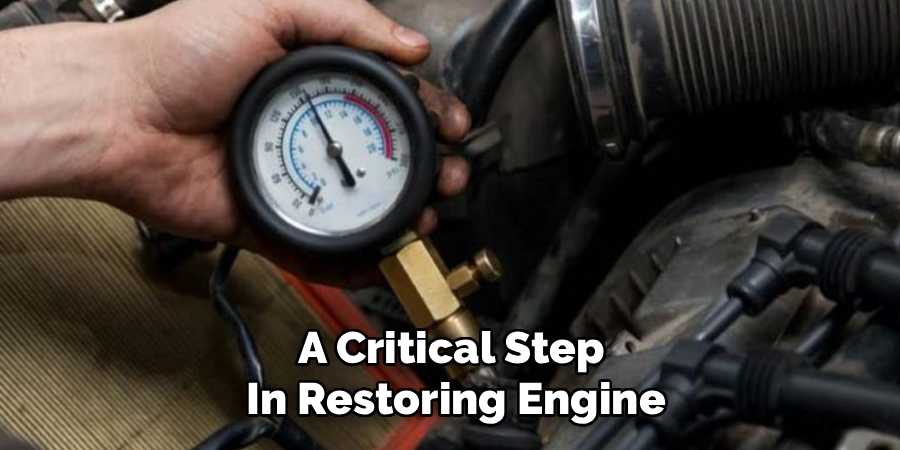
You must first identify exactly which cylinders are underperforming. Begin by safely disabling the fuel pump and ignition system so the engine cannot accidentally start. Remove all the spark plugs and thread a manual compression tester gauge into the first spark plug hole.
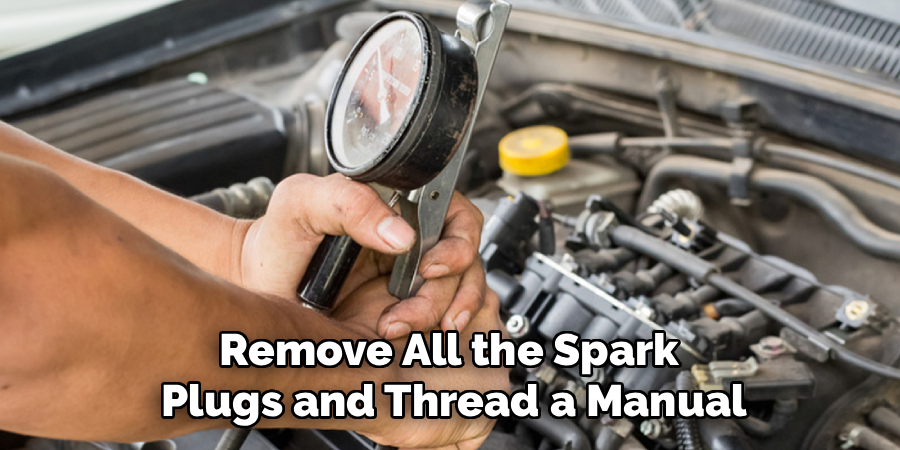
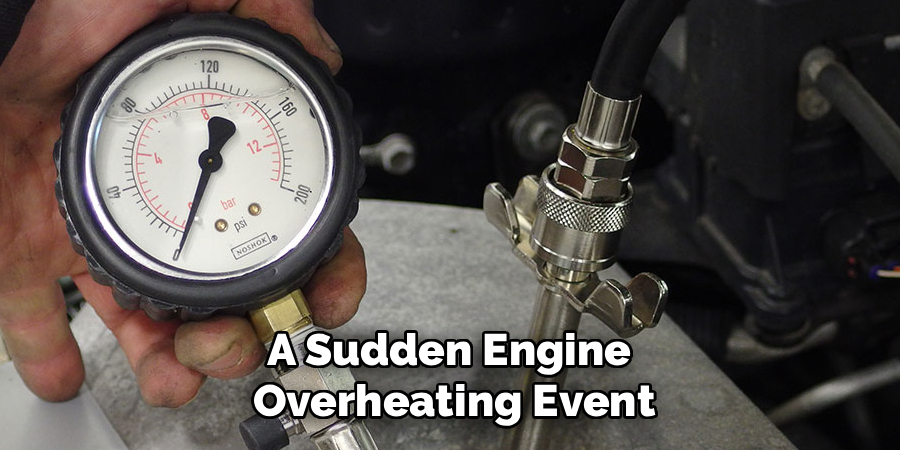
Have an assistant crank the engine over a few times while you watch the needle on the gauge. Record the highest PSI reading for that cylinder, then repeat this exact process for the remaining cylinders. Any reading that falls more than 15 percent below the manufacturer’s specification suggests a definite leak.
Step 2: Conduct a Wet Compression Test to Isolate the Issue
Once you find a weak cylinder, you need to determine if the leak is in the lower block or the upper cylinder head. Squirt about a tablespoon of conventional motor oil directly into the spark plug hole of the failing cylinder. The thick oil will temporarily coat the cylinder walls and seal the piston rings.
Thread the gauge back in and crank the engine again. If the pressure reading suddenly jumps up to normal levels, this strongly indicates that the piston rings are severely worn. If the pressure remains the same, the rings are fine, and the leak is likely trapped in the valves or the head gasket above.
Step 3: Use a Leak-Down Tester for Pinpoint Accuracy
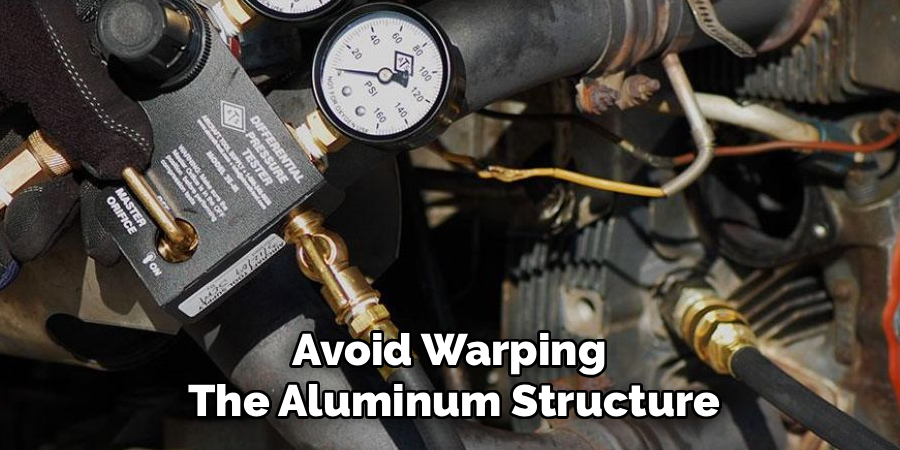
A leak-down test provides the most precise diagnostic data available. This tool uses an external air compressor to force air into the cylinder while the piston sits at top dead center. By listening to where the air escapes, you can definitely identify the broken component.
If you hear air hissing out of the tailpipe, it points to a burnt exhaust valve. Hearing air escape from the throttle body suggests a bent intake valve. A hissing sound originating from the oil dipstick tube confirms bad piston rings.
Step 4: Tear Down the Top End if Valves or Gaskets Are Suspect
If your tests point to a top-end failure, the mechanical teardown begins. You must carefully drain the engine coolant and begin removing the intake and exhaust manifolds. Keeping track of the various bolts and labeling electrical connectors might save you immense frustration during reassembly.
Unbolting the cylinder head requires a specific sequence to avoid warping the aluminum structure. Once the head is physically removed from the block, you can visually inspect the gasket for tears and the valves for obvious heat damage.
Step 5: Replace Worn Components and Reassemble
Replacing a blown head gasket involves meticulously cleaning the metal mating surfaces until they are perfectly smooth. If a valve is burnt, a machine shop could potentially cut new valve seats and install fresh metal hardware to restore the seal.
If your earlier wet test indicated bad piston rings, the repair becomes much more involved. This scenario usually requires pulling the entire engine block out of the vehicle to hone the cylinder walls and install new pistons. Always use a calibrated torque wrench to tighten bolts back to factory specifications during the final reassembly.
Temporary Chemical Fixes vs. Permanent Mechanical Repairs
Drivers facing expensive engine repairs frequently look for inexpensive alternatives. Auto parts stores sell numerous additives promising to magically restore lost power in a single bottle. However, managing expectations regarding these chemical solutions is quite important.
Engine Restorer Additives
Thick oil additives are designed to coat scratched cylinder walls and condition old, hardened rubber seals. They temporarily fill the microscopic gaps left by worn piston rings, which might slightly raise the compression readings for a few thousand miles.
These products essentially act as a viscous band-aid. They cannot physically rebuild missing metal, nor can they seal a warped valve. Relying on them as a permanent fix is generally a mistake.
Why Rebuilding is the Best Long-Term Solution
Mechanical failures require mechanical interventions. Replacing the compromised metal or rubber parts represents the only reliable way to guarantee your engine will not leave you stranded.
While a rebuild demands a higher initial investment of time and capital, it restores the engine’s baseline performance. Doing the job right the first time prevents further catastrophic damage down the road.
Cost Expectations for Fixing Low Compression
Financial planning is a necessary reality of major engine diagnostics. The total bill fluctuates wildly depending on the specific component that failed and the make of your vehicle. Understanding these variables could help you decide whether to fix the car or trade it in.
DIY vs. Professional Shop Labor
Tackling this repair in your own garage saves thousands of dollars in labor fees. However, it requires a comprehensive set of heavy-duty tools and considerable mechanical confidence.
If you hire a professional, be prepared to pay for significant bench time. Removing a cylinder head or extracting an engine block usually takes a skilled technician anywhere from ten to twenty hours of billable labor.
Parts and Machining Costs
The physical replacement parts are often surprisingly inexpensive. A top-end gasket set or a box of new piston rings might only cost a few hundred dollars.
The hidden expenses usually arise when you send damaged components to a machine shop. Resurfacing a warped cylinder head or performing a complex valve job could quickly add hundreds of dollars to the overall project budget.
Preventative Maintenance to Keep Your Engine Healthy
Stopping compression loss before it happens relies entirely on your maintenance habits. Routine care dramatically reduces the internal friction that destroys engine seals. A few simple practices might drastically extend your motor’s lifespan.
Regular Oil Changes
Clean engine oil acts as the primary defense against internal wear. When you delay oil changes, the fluid fills with abrasive carbon particles that slowly grind away at the piston rings. Adhering to a strict synthetic oil schedule keeps those delicate metal boundaries intact.
Preventing Engine Overheating
Heat is the absolute enemy of the head gasket and the cylinder head. You should routinely check your coolant levels and inspect aging rubber radiator hoses for cracks. Replacing a failing thermostat immediately could save you from the massive headache of a warped engine block.
Conclusion
Diagnosing internal engine issues requires a blend of patience and methodical testing. While an initial loss of power might spark panic, understanding exactly how to fix low cylinder compression empowers you to take control of the situation.
By utilizing dry and wet testing methods, you can accurately isolate the mechanical failure without tearing the engine apart blindly. Whether the culprit is a burnt valve or worn rings, addressing the root cause mechanically ensures your vehicle returns to the road safely. Grab your testing gauges, assess your symptoms carefully, and make an informed decision about your engine’s future.

About
Ora Hayes is a distinguished figure in the world of DIY Thecarfixes, with over a decade of expertise in automotive diagnostics and high-performance maintenance. Her professional focus lies in merging mechanical precision with modern digital tools, fostering repair solutions that are both cost-effective and highly reliable. As the author of Thecarfixes, Ora Hayes delves into the art and science of automotive restoration, inspiring car owners and hobbyist mechanics alike.
Education
RMIT University (Melbourne, Australia) Associate Degree in Automotive Engineering — Focus on vehicle dynamics, industry-driven repair protocols, and advanced diagnostics. Gained hands-on experience with traditional mechanical tools and modern ECU remapping software.
Nottingham Trent University (United Kingdom) Bachelor’s in Mechanical Design and Automotive Engineering (Honors) — Specialized in automotive systems with a focus on blending technical engineering with everyday usability. Participated in industry projects, working with leading automotive manufacturers to gain real-world insights into vehicle longevity.
Publications and Impact
In Thecarfixes, Ora Hayes shares her insights on troubleshooting complex engine issues, material durability, and strategies for efficient garage setups. Her writing bridges the gap between professional mechanic knowledge and the home enthusiast’s needs, making it a must-read for both everyday drivers and seasoned gearheads.