Seeing a check engine light illuminate on your dashboard can be a stressful experience.
When you scan your vehicle and discover diagnostic trouble code P0430, it indicates that your “Catalyst System Efficiency is Below Threshold” on Bank 2. Your catalytic converter plays a vital role in cleaning up exhaust emissions, and the engine computer monitors its performance using oxygen sensors. Bank 2 refers to the side of the engine that does not contain cylinder number one. While this code sounds intimidating, taking a systematic approach will help you pinpoint the root cause and resolve the issue.
Let’s dive into how to fix code p0430.
What Are the Benefits of Fixing Code P0430?
Repairing a P0430 code offers several immediate advantages for your vehicle. First, you will restore your fuel economy, as a struggling exhaust system often forces the engine to consume more gas. Second, your vehicle will successfully pass state emissions tests, keeping you legally on the road. A healthy catalytic converter also protects your engine from dangerous exhaust backpressure, which can cause severe mechanical damage if left unchecked.
Finally, fixing this issue restores engine performance, eliminating the sluggish acceleration often associated with a clogged exhaust system.
What Will You Need?
To successfully diagnose and repair this trouble code, gather the following tools and supplies:
- An OBD-II diagnostic scanner with live data capabilities
- A heavy-duty jack and secure jack stands
- Safety glasses and mechanics gloves
- A specialized oxygen sensor socket
- A standard mechanic’s tool set (wrenches and ratchets)
- High-quality penetrating oil
- A digital multimeter
- Catalytic converter cleaning additive (optional)
- Replacement oxygen sensors or catalytic converter (if diagnosis requires them)
10 Easy Steps on How to Fix Code P0430
Step 1: Scan the Engine Computer and Verify Codes
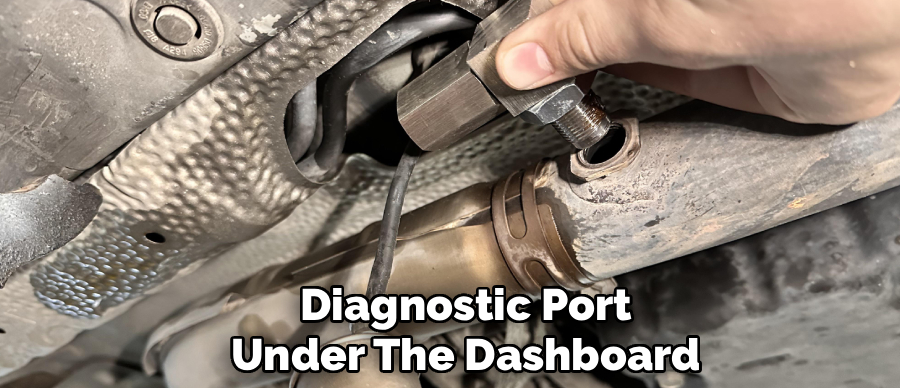
You must begin by connecting your OBD-II scanner to the diagnostic port under the dashboard. Turn the ignition key to the “on” position without starting the engine to establish a connection. Retrieve all stored, pending, and permanent trouble codes from the system. If P0430 is the only code present, you can focus entirely on the Bank 2 exhaust system. However, you must pay close attention to any other codes that appear alongside it. Codes indicating engine misfires, fuel trim imbalances, or failing oxygen sensors frequently trigger a false catalytic converter code. You must address these secondary codes first, as they provide critical clues about why the exhaust system is operating below its expected efficiency threshold.
Step 2: Inspect the Entire Exhaust System for Leaks
Exhaust leaks are a very common and easily overlooked cause for catalyst efficiency codes. An exhaust leak allows fresh, unmetered oxygen to enter the exhaust stream before it reaches the downstream oxygen sensor. This tricks the computer into thinking the catalytic converter has failed. Safely raise your vehicle using a heavy-duty jack and support it firmly with jack stands. Crawl underneath and inspect the exhaust manifolds, pipe joints, and welded flanges on Bank 2. Look closely for black soot marks, which indicate escaping exhaust gases. You can also have an assistant start the engine while you carefully listen for a rhythmic ticking sound, which is the classic auditory signature of an exhaust manifold leak.
Step 3: Visually Check the Oxygen Sensors and Wiring
Your vehicle uses oxygen sensors to measure how well the catalytic converter cleans the exhaust. The downstream sensor, located after the converter on Bank 2, is responsible for triggering the P0430 code. Locate this specific sensor and perform a thorough visual inspection. Examine the wiring harness for any signs of melting, fraying, or rodent damage. Ensure the electrical connector is firmly seated and free from internal corrosion. Because these sensors live in an extremely hostile, high-heat environment, their wires frequently chafe against the exhaust pipe or vehicle undercarriage. Repairing a damaged section of wire or reconnecting a loose plug might be all you need to resolve the entire problem.
Step 4: Analyze Live Sensor Data with Your Scanner
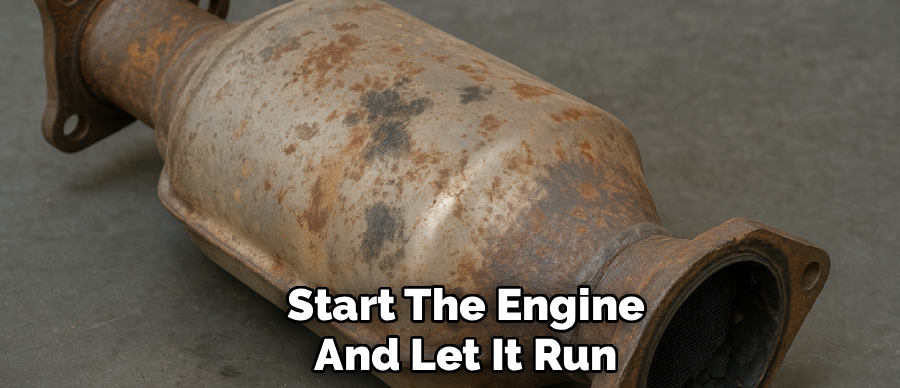
If the visual inspection looks good, you need to evaluate how the sensors actually perform. Start the engine and let it run until it reaches normal operating temperature. Use your OBD-II scanner to view the live data stream for the Bank 2 oxygen sensors. The upstream sensor (Sensor 1) should rapidly fluctuate its voltage between 0.1 and 0.9 volts as the engine adjusts the fuel mixture. The downstream sensor (Sensor 2) should display a relatively steady voltage line around 0.45 volts. If the downstream sensor’s voltage fluctuates wildly and mirrors the pattern of the upstream sensor, it confirms that the catalytic converter is no longer storing oxygen and filtering emissions properly.
Step 5: Resolve Engine Misfires or Fuel Mixture Problems
A catalytic converter rarely fails on its own without an underlying cause. Engine misfires send raw, unburned fuel directly into the extremely hot exhaust system. This raw fuel ignites inside the catalytic converter, melting the precious internal honeycomb structure. Similarly, a rich fuel mixture or a leaking fuel injector will quickly coat the catalyst material in thick carbon deposits. Before you even consider replacing the expensive converter, you must ensure the engine runs perfectly. Inspect your spark plugs, test your ignition coils, and check your air filter. Performing a comprehensive engine tune-up ensures that you will not immediately destroy a brand new catalytic converter after installation.
Step 6: Try Using a Catalytic Converter Cleaner
If your live data shows a struggling converter but you catch the problem early, a chemical cleaner might save you a significant amount of money. Catalytic converter cleaning additives are formulated to break down light carbon deposits and restore efficiency. Wait until your gas tank is roughly one-quarter full, and pour the entire bottle of cleaner directly into the fuel filler neck. Drive the vehicle aggressively at highway speeds for about fifty miles. The high engine loads will generate extreme exhaust temperatures, helping the chemical burn off accumulated soot inside the honeycomb structure. While this is not a guaranteed fix for heavily damaged units, it serves as a highly effective, low-cost diagnostic step.
Step 7: Perform a Temperature Test on the Converter
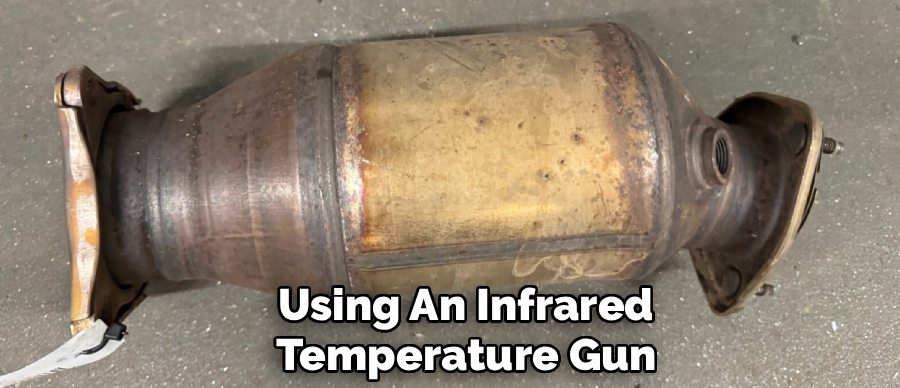
You can physically verify the health of the internal catalyst using an infrared temperature gun. Start the engine and hold the RPMs at roughly 2,500 for a few minutes to get the exhaust system incredibly hot. Safely point your infrared thermometer at the exhaust pipe directly in front of the catalytic converter and record the temperature. Next, point the thermometer at the pipe immediately after the converter. A healthy, functioning catalytic converter will generate its own internal heat as it burns off emissions. Therefore, the rear outlet temperature should be noticeably hotter than the front inlet temperature. If the front is drastically hotter than the rear, the converter is likely clogged or melted internally.
Step 8: Replace Faulty Downstream Oxygen Sensors
If your diagnostic testing points to a lazy or completely dead downstream oxygen sensor, you must replace it. Spray the threads of the old sensor generously with penetrating oil and allow it to soak for at least thirty minutes. Exhaust components rust heavily, and forcing a seized sensor will strip the threads inside the exhaust pipe. Use a specialized oxygen sensor socket and a long breaker bar to carefully unscrew the old unit. Apply a small amount of anti-seize compound to the threads of the new sensor, making sure to keep the chemical away from the sensitive sensor tip. Thread the new sensor in by hand, tighten it with a wrench, and plug in the electrical connector securely.
Step 9: Replace the Catalytic Converter Assembly
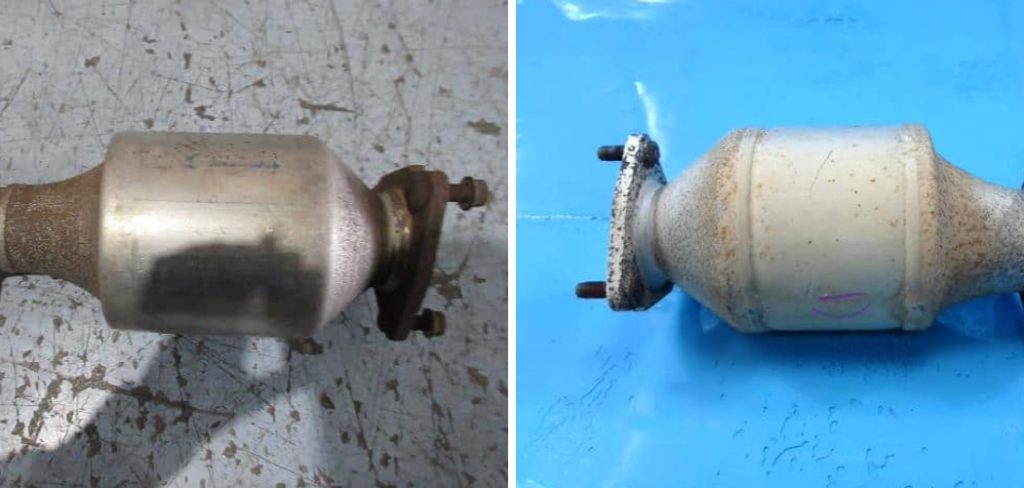
When sensors test perfectly, there are no exhaust leaks, and chemical cleaners fail to make a difference, you must replace the catalytic converter. Disconnect the oxygen sensors from the wiring harness so they do not get damaged during removal. Unbolt the exhaust flanges holding the old converter in place. You will likely need to use penetrating oil and intense heat from a torch to break the rusted bolts free. Remove the old converter and clean the mating surfaces on the exhaust pipes thoroughly. Install the new catalytic converter assembly using brand-new metal gaskets and fresh hardware to ensure a perfectly tight, leak-free seal. Reinstall the oxygen sensors in the new unit.
Step 10: Clear the Codes and Perform a Drive Cycle
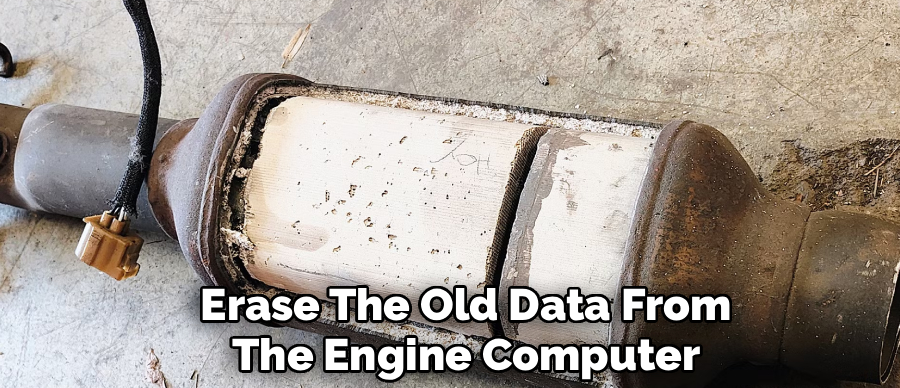
After completing all repairs, you must erase the old data from the engine computer. Connect your OBD-II scanner and clear the P0430 trouble code. Clearing the code also resets the readiness monitors, which are self-tests the computer runs to verify the emissions system works. Take the vehicle for a comprehensive drive cycle that includes a mix of stop-and-go city driving and steady highway cruising. This varied driving pattern forces the computer to run its catalyst efficiency monitor. Once the monitor status changes from “incomplete” to “ready” without turning the check engine light back on, you can confidently consider the repair a complete success.
5 Things You Should Avoid
- Avoid ignoring the check engine light, as driving with a heavily clogged catalytic converter creates severe backpressure that can destroy engine seals and internal components.
- Avoid replacing the catalytic converter immediately without testing the oxygen sensors and inspecting for simple exhaust leaks first.
- Avoid purchasing cheap, low-quality aftermarket catalytic converters, as they often lack sufficient precious metals and will trigger the P0430 code again within a few months.
- Avoid working underneath your vehicle using only a hydraulic floor jack; always secure the weight of the vehicle onto heavy-duty jack stands on a flat surface.
- Avoid using excessive brute force to remove rusted oxygen sensors or exhaust bolts without applying penetrating oil, as snapping a bolt will turn a simple job into a major headache.
Conclusion
How to fix code p0430 requires patience and a logical diagnostic approach.
By verifying the code, inspecting for leaks, testing sensors, and ruling out engine misfires, you protect yourself from wasting money on unnecessary parts. Whether a simple sensor swap fixes the issue or you need to replace the entire catalytic converter assembly, following these precise steps ensures your exhaust system returns to peak efficiency.
Taking care of your emissions system not only keeps your vehicle legal for the road but also protects your engine for years to come.

About
Ora Hayes is a distinguished figure in the world of DIY Thecarfixes, with over a decade of expertise in automotive diagnostics and high-performance maintenance. Her professional focus lies in merging mechanical precision with modern digital tools, fostering repair solutions that are both cost-effective and highly reliable. As the author of Thecarfixes, Ora Hayes delves into the art and science of automotive restoration, inspiring car owners and hobbyist mechanics alike.
Education
RMIT University (Melbourne, Australia) Associate Degree in Automotive Engineering — Focus on vehicle dynamics, industry-driven repair protocols, and advanced diagnostics. Gained hands-on experience with traditional mechanical tools and modern ECU remapping software.
Nottingham Trent University (United Kingdom) Bachelor’s in Mechanical Design and Automotive Engineering (Honors) — Specialized in automotive systems with a focus on blending technical engineering with everyday usability. Participated in industry projects, working with leading automotive manufacturers to gain real-world insights into vehicle longevity.
Publications and Impact
In Thecarfixes, Ora Hayes shares her insights on troubleshooting complex engine issues, material durability, and strategies for efficient garage setups. Her writing bridges the gap between professional mechanic knowledge and the home enthusiast’s needs, making it a must-read for both everyday drivers and seasoned gearheads.