There’s a particular kind of frustration that comes when your car simply gives up on a blazing afternoon, engine sputtering, refusing to budge. More often than not, the culprit is vapor lock. It’s not exactly a “new” problem, but for those caught unaware—typically on the worst days—it’s confounding. Vapor lock is what happens when fuel, heated past its limit, turns to vapor somewhere between the gas tank and the engine. The result? No liquid fuel arrives at its destination. The engine coughs, then stops altogether. If you’ve had the luck of experiencing this, you already know: waiting for a tow on the shoulder of a busy highway is no fun.
Yet, for all its aggravation, vapor lock doesn’t have to mean hitching a ride home. If you’re patient and a little resourceful, the fix is usually within reach. This guide on how to fix a vapor lock on a car leans on practical, tried-and-true advice gathered over years of wrench-turning and many a roadside mishap. We’ll look at not only how to escape a sticky vapor lock situation, but also ways to shield your car from repeat performances.
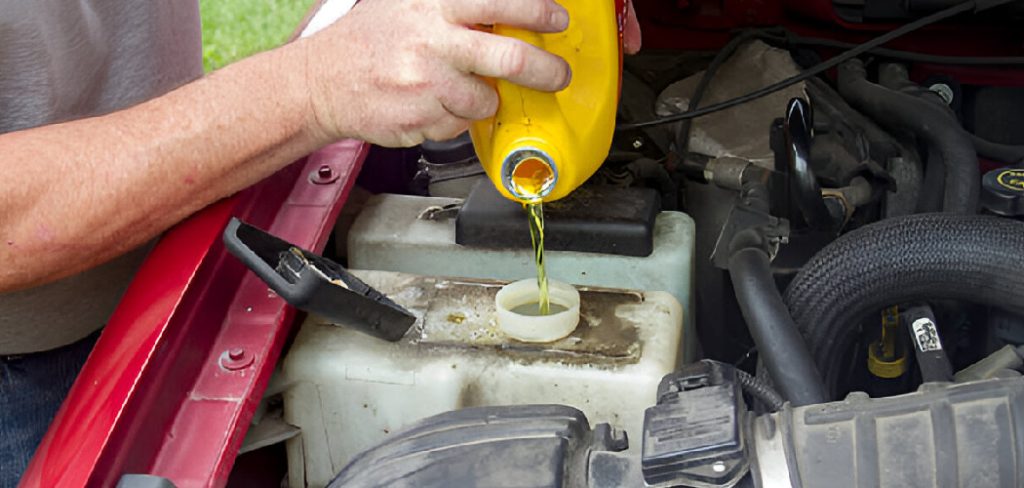
What You’ll Need to Get Started
First, a word to the wise: it helps to collect your tools before an emergency strikes, but let’s be honest—most of us are scrambling at the last minute. If you can, have these on hand:
- A jug or bottle of cold water (the colder the better, ice if possible)
- A bundle of clean shop rags or thick towels
- Basic hand tools, at least a couple of screwdrivers and a wrench or two
- Heat-resistant tape, foil, or some form of heat shield material
- Proper work gloves, and if you have them, safety glasses
- A flashlight—ideally with fresh batteries, because peering into a sun-baked engine bay is no one’s idea of fun
7 Simple Steps on How to Fix a Vapor Lock on a Car
Step 1: What Are You Really Dealing With?
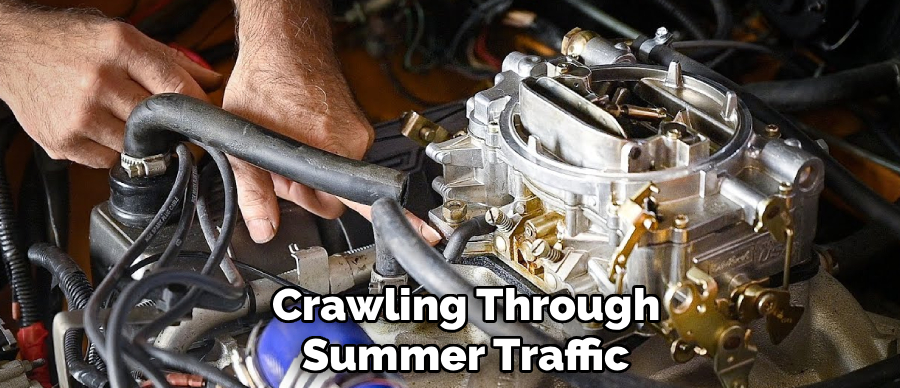
Before blaming vapor lock, pause. A sudden loss of power, especially after cresting a hill or crawling through summer traffic, definitely raises a red flag. So does the engine coughing and dying, only to refuse all attempts at resuscitation. Listen carefully; does the fuel pump sound unusually whiny or relentless? That noise could mean it’s trying (and failing) to shove gasoline past a vapor block.
But it’s easy to chase rabbits. Make sure you’re not overlooking simpler culprits—electrical gremlins masquerading as vapor lock, for instance. Older cars, especially those carbureted relics with mechanical fuel pumps, develop this problem more regularly. Newer models, not so much, though it’s not entirely unheard of.
Step 2: Safety First—Don’t Rush
If vapor lock seems likely, resist the urge to barrel ahead. Signal, steer somewhere safe, and kill the engine. Better a few minutes lost than an accident. Pop the hood—cautiously, since a blast of heat will hit you. This step is all about patience. Let the car sit, cooling. Overeager attempts to force it back to life can empty your battery, fry your starter, and accomplish nothing besides making you sweat.
Half an hour, maybe forty-five minutes—yes, that long. Make sure the engine bay returns to something less than volcanic before you start poking around.
Step 3: Finding the Offenders
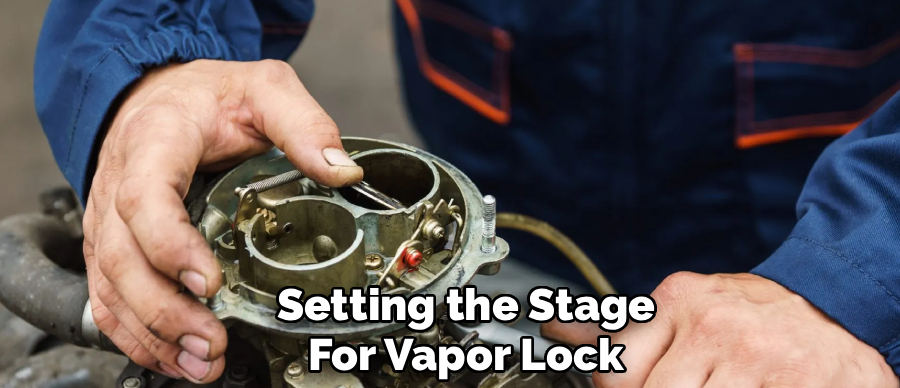
Once the engine’s cooled to a bearable degree, grab your gloves and flashlight. Track down the fuel lines—sometimes hard plastic, sometimes thin metal, weaving from the rear of the car to somewhere on or around the engine block. If your vehicle is stubbornly analog (think anything before electronic fuel injection), the pump may be bolted directly to the engine.
Pay attention to where these lines snake past areas radiating serious heat: the exhaust manifold, a blocky radiator, or along the engine itself. These pinch-points are where gasoline might be reaching its boiling point, setting the stage for vapor lock.
Step 4: Gentle Cooling Works Wonders
The secret, if you can call it that, is to cool the vaporized fuel back into its liquid state. Saturate your rags in cold water, then drape them over the problem sections of the fuel line and around the pump. It’s a quick-and-dirty fix but reliably brings down the temperature. If you’re missing rags, go slow and pour water over the lines directly—mind the electricals, as old alternators and distributor caps don’t mix well with water.
Give it a few minutes—don’t hurry it. Let the cold do its work. Yes, it’s an old mechanic’s trick, but it’s often the only one needed to get you home.
Step 5: Is the Tank Vented Properly?
Interestingly, vapor lock can sometimes be less about heat and more about pressure. A vacuum in the gas tank starves the pump even before vapor has a chance. Walk around back and crack the gas cap just enough to let air rush in. If it hisses, you may have found part of the problem.
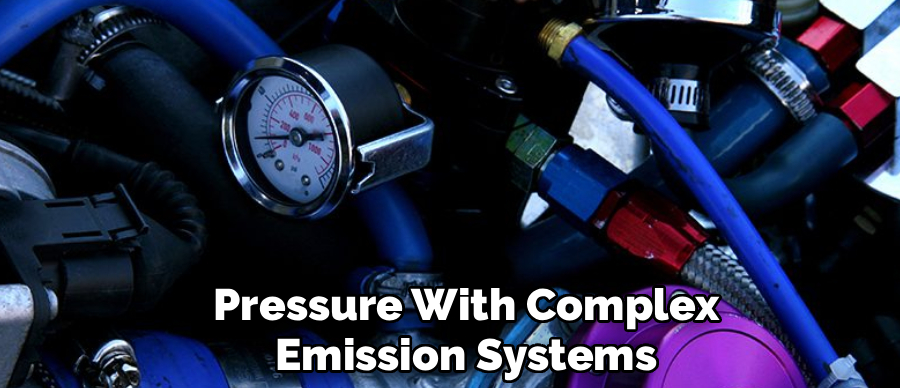
Modern cars regulate tank pressure with complex emission systems, while older vehicles rely on breathable gas caps. For a quick fix, running with the cap loose may get you home—but plan to replace any faulty parts soon after.
Step 6: Long-Term Fixes—Insulation and Rerouting
Assuming you’ve nursed the car to safety, it’s time to think bigger. Patching things by the roadside is all well and good, but repeated vapor lock means you need to intervene. Wrap exposed fuel lines in heat-reflective tape or slide on a sleeve meant to resist engine bay temperatures. Both are easy enough to find at a neighborhood auto store.
If that doesn’t solve things, consider moving the lines altogether. Even shifting them by an inch or two—further from the exhaust—may bring temperatures down enough to prevent vapor formation. Sometimes these fixes feel improvisational, but they’re grounded in practical experience.
Step 7: See If Your Effort Pays Off
Remove the wet towels, double-check that nothing’s been left behind, and close the hood. Slide behind the wheel. Turn the key—listen as the engine churns, waits, and then (hopefully) fires up. Don’t rush; let the system stabilize. A brief test drive should tell you most of what you need to know. If the engine idles comfortably, accelerates willingly, and doesn’t fade again, you’re likely in the clear.
Following these steps on how to fix a vapor lock on a car should help you successfully resolve the issue.
A Few Additional Thoughts
If you have a habit of running your fuel tank nearly empty during hot months, now’s the time to reconsider. A full or nearly full tank provides a buffer against heat, keeping gasoline cooler longer. Ethanol blends, for their part, boil at lower temperatures—if you can get pure gasoline, your car may run better in extreme heat.
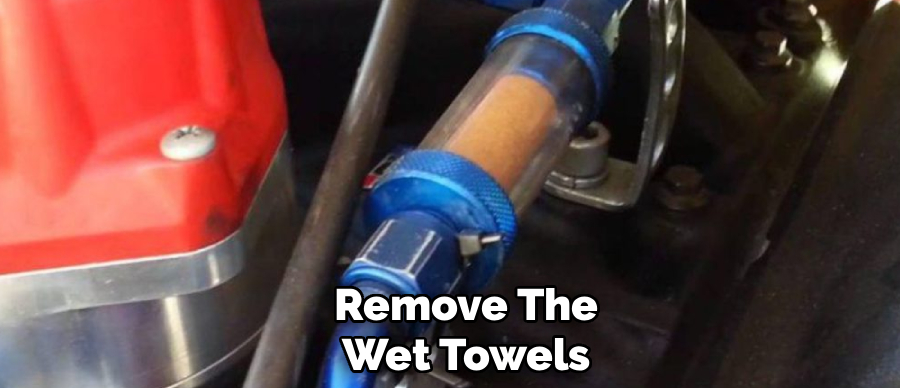
And while it seems minor, a fresh fuel filter keeps the pump’s workload reasonable and, perhaps surprisingly, helps sidestep vapor lock.
Pitfalls Worth Avoiding
Impatience is the enemy. Sitting with the key cranked for minutes only wears out your starter and depletes your battery. Pouring icy water straight onto an overheated engine block? That’s asking for serious damage, possibly a cracked block—a costly mistake.
Let the engine cool a bit before you intervene. Haste, in this case, really can make waste.
When to Leave It to the Pros?
Most people can manage a roadside fix, but sometimes the job expands beyond a rag and some cool water. If rerouting steel fuel lines or installing a pump near the tank is needed, seek help.
Mechanics have the right tools, know how to avoid introducing new problems, and can ensure safety in upgrades—particularly when it comes to reducing the odds of engine fire.
Costs—A Realistic Look
Clearing a vapor lock by the side of the road is usually free (unless you consider your time priceless). Wrapping those fuel lines or investing in a heat sleeve won’t break the bank: expect to pay $15–$30 in most cases.
Professional help is a different story, of course. Labor and parts for rerouting lines or installing a modern fuel pump typically run anywhere from $200 to $500. The range reflects both labor and the unpredictabilities of car repair.
Frequently Asked Questions
Q1: What Causes Vapor Lock in a Car Engine?
Vapor lock crops up when gasoline absorbs too much heat in the lines, morphing into vapor instead of staying liquid. These bubbles block fuel passage, starving the engine of what it needs to run. The trouble is most common in older cars, but it’s not exclusive to them.
Q2: Is This Just an Old-Car Problem?
Mostly, yes. Carbureted engines with mechanical fuel pumps see it more, given their design and fuel pressure. Modern cars tuck their pumps inside the tank, where fuel stays cooler. That said, intense heat or a failing pressure regulator can produce near-identical trouble in recent models.
Q3: How Long Before I’m Back on the Road?
If you do nothing but wait, expect 30–60 minutes before the engine is willing to start. Actively cooling the lines with wet towels can shrink that downtime to as little as ten or fifteen minutes. Just don’t forget to prop the hood up to let hot air escape.
In Closing: Prevention Pays Dividends
Vapor lock can sour the best of journeys, but it loses much of its menace once you know how to handle it. Cooling hot lines, checking your tank’s ventilation, and adding insulation—these measures can keep you moving no matter the temperature outside.
Spend a little time preparing your car soon, and the next summer drive is far more likely to end exactly where you planned. Thanks for reading this guide on how to fix a vapor lock on a car.

About
Ora Hayes is a distinguished figure in the world of DIY Thecarfixes, with over a decade of expertise in automotive diagnostics and high-performance maintenance. Her professional focus lies in merging mechanical precision with modern digital tools, fostering repair solutions that are both cost-effective and highly reliable. As the author of Thecarfixes, Ora Hayes delves into the art and science of automotive restoration, inspiring car owners and hobbyist mechanics alike.
Education
RMIT University (Melbourne, Australia) Associate Degree in Automotive Engineering — Focus on vehicle dynamics, industry-driven repair protocols, and advanced diagnostics. Gained hands-on experience with traditional mechanical tools and modern ECU remapping software.
Nottingham Trent University (United Kingdom) Bachelor’s in Mechanical Design and Automotive Engineering (Honors) — Specialized in automotive systems with a focus on blending technical engineering with everyday usability. Participated in industry projects, working with leading automotive manufacturers to gain real-world insights into vehicle longevity.
Publications and Impact
In Thecarfixes, Ora Hayes shares her insights on troubleshooting complex engine issues, material durability, and strategies for efficient garage setups. Her writing bridges the gap between professional mechanic knowledge and the home enthusiast’s needs, making it a must-read for both everyday drivers and seasoned gearheads.