Upgrading your car speakers can make daily driving feel much better, but picking the wrong set can waste money and create disappointing sound. If you are learning how to choose car speakers, the goal is to match the speakers to your vehicle, stereo power, sound taste, and budget.
Car audio can seem confusing at first because of terms like sensitivity, RMS power, coaxial, component, and mounting depth. The good news is that you do not need to be an audio expert to make a smart choice. This guide explains what to check before buying, how to compare options, and when adapters or professional installation may be worth it.

Why Choosing The Right Car Speakers Matters
Choosing the right car speakers matters because speakers shape most of what you hear inside the cabin. Better speakers can improve clarity, vocals, bass response, and overall balance. They can also reduce distortion when you raise the volume.
The best speaker is not always the most expensive one. A premium speaker may sound weak if your factory stereo cannot power it well. A lower-cost speaker with high sensitivity may perform better with a basic head unit. Proper fit also matters, since a speaker that does not mount correctly can rattle, leak sound, or require extra parts.
When you match size, power, sensitivity, and sound style, you get cleaner audio and fewer installation surprises.
Step-By-Step Guide To How to Choose Car Speakers
Before comparing brands, slow down and focus on fit, power, and your listening goals. If you are comparing guides on how to choose car speakers, remember that your vehicle and stereo setup matter as much as speaker quality. A great speaker on paper may not be the right match for your doors, dashboard, or amplifier.
Step 1: Know Your Factory Setup
Start by learning what your car already has. Check how many speakers are installed and where they are located. Common spots include the front doors, rear doors, dashboard, rear deck, and sometimes small sail panels near the mirrors.
Your owner’s manual may list the factory audio system, but many guides and retailer fitment tools can also help. Some vehicles have basic systems, while others use premium factory amps, built-in crossovers, or odd speaker sizes. Knowing this early helps you avoid buying speakers that need more work than expected.
Step 2: Confirm Speaker Sizes
Speaker size is one of the first details to verify. Common sizes include 6.5-inch, 6×9-inch, 5.25-inch, and 4-inch speakers, but vehicles vary widely. Even if two speakers share the same listed size, the mounting tabs and frame shape may differ.
Measure carefully if you are removing the old speaker yourself. Check the mounting hole, screw pattern, and available space behind the speaker. Many cars need adapter brackets to fit aftermarket speakers properly. These adapters are normal and often inexpensive, but you should plan for them before buying.
Step 3: Compare Coaxial And Component Designs
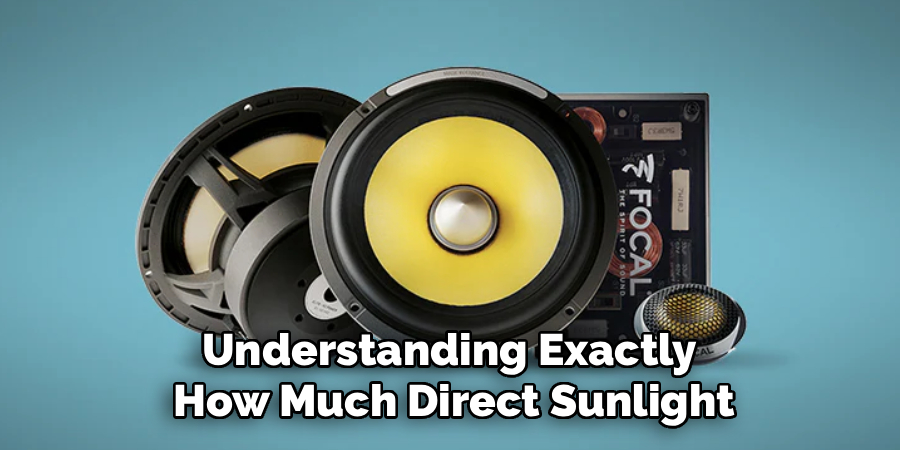
Coaxial speakers combine the woofer and tweeter in one unit. They are popular because they are easier to install, often more affordable, and fit many factory locations. For most beginners, coaxial speakers are the simplest upgrade from worn or weak factory speakers.
Component speakers separate the woofer and tweeter. This can improve sound staging and detail because the tweeter can be mounted higher, closer to ear level. However, components usually require more installation work and may need crossovers. If your car already has separate tweeter locations, components may be worth considering.
Step 4: Understand Power Handling
Power handling tells you how much power a speaker can use safely. Focus on RMS power, not peak power. RMS is the more realistic rating for continuous use. Peak numbers often look impressive but do not tell you much about daily performance.
Match the speaker’s RMS range to your head unit or amplifier. Factory stereos usually produce limited power, so speakers that need a strong amp may not sound their best. If you plan to add an amplifier later, choose speakers that can handle that upgrade. A good power match helps prevent distortion and damage.
Step 5: Check Sensitivity Ratings
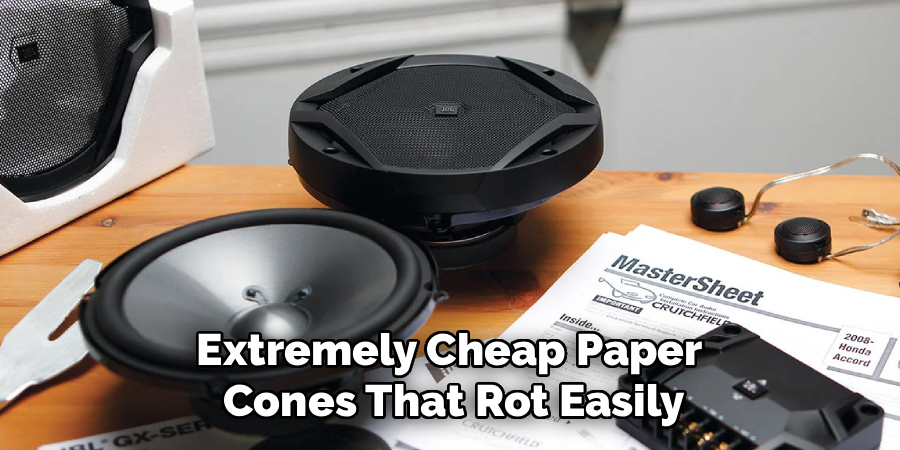
Sensitivity tells you how efficiently a speaker turns power into sound. A higher sensitivity rating means the speaker can play louder with less power. This is important if you are keeping your factory radio or a low-powered aftermarket head unit.
A good way to approach how to choose car speakers is to match sensitivity to your system. If you do not have an amplifier, look for speakers with higher sensitivity. If you have a strong amp, you have more flexibility. This simple check can make a big difference in real-world volume and clarity.
Step 6: Choose Your Sound Preference
Different speakers can have different sound personalities. Some are bright and detailed, which can make vocals and guitars stand out. Others have warmer mids or stronger bass response. A balanced speaker may be best if you listen to many music styles.
Think about what bothers you in your current system. If the sound is muddy, look for clarity and clean midrange. If it feels thin, consider speakers with better low-end response, but do not expect door speakers to replace a subwoofer. Your music taste should guide your choice as much as the specs.
Step 7: Check Mounting Depth And Fitment
Mounting depth is the space behind the speaker opening. Some aftermarket speakers have larger magnets or deeper baskets than factory units. If the speaker is too deep, it may hit the window glass, door panel, or inner metal frame.
Also check tweeter height on coaxial speakers. A tweeter that sticks out too far can press against the door panel grille. Fitment tools help, but they are not perfect for every trim level. If your car has limited space, shallow-mount speakers or vehicle-specific adapters may make installation easier and cleaner.
Step 8: Set Your Budget And Installation Plan
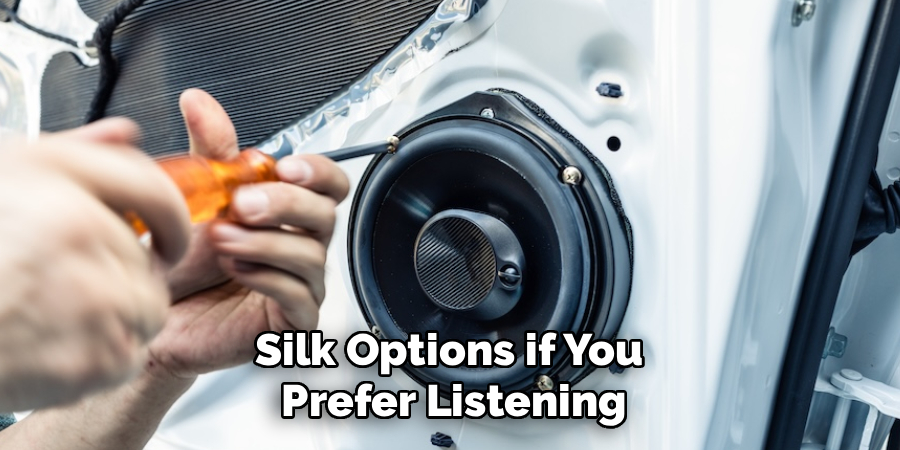
Set a realistic budget before you shop. Include speakers, mounting brackets, wiring adapters, sound deadening, tools, and possible labor. A speaker that seems affordable can cost more if your car needs extra parts or custom work.
Not every expensive speaker is the best fit for your system. Spending a little less on speakers and saving money for proper installation may give better results. If your vehicle has a premium factory system, complex wiring, or unusual speaker locations, professional installation can prevent mistakes. A clean install helps speakers perform as intended.
Frequently Asked Questions
What Size Speakers Fit My Car?
The easiest way to find the right size is to check a reliable vehicle fitment guide, your owner’s manual, or the existing speakers. Many cars use different sizes in the front and rear. You should also confirm mounting depth and bracket needs, because size alone does not guarantee a perfect fit. Trim level and factory audio package can change speaker compatibility.
Are Component Speakers Better Than Coaxial Speakers?
Component speakers can offer better imaging and detail because the tweeter is separate from the woofer. This can make music sound more open and realistic. However, coaxial speakers are easier to install and often work well for simple upgrades. The better choice depends on your budget, vehicle layout, installation comfort, and how serious you are about sound quality.
Do I Need An Amplifier For New Car Speakers?
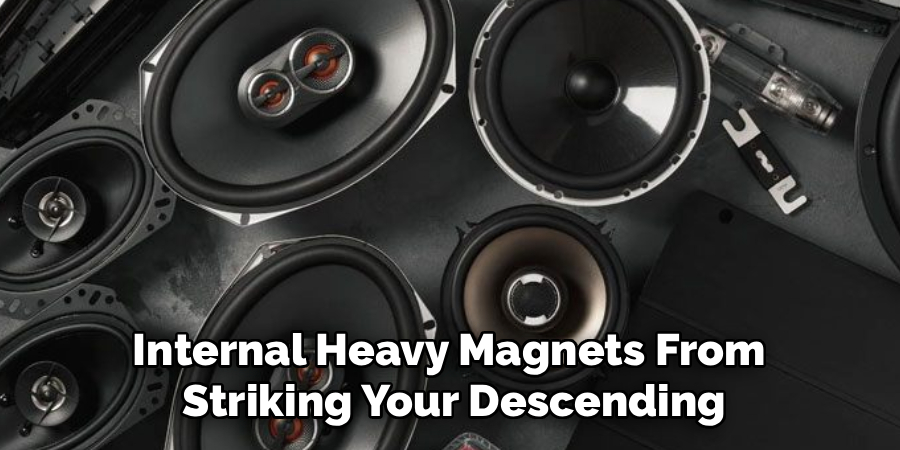
You do not always need an amplifier, especially if you choose efficient speakers with high sensitivity. Many aftermarket speakers can run from a factory or aftermarket head unit. However, an amplifier can improve volume, control, and clarity. If your speakers have higher RMS power needs, or you want louder sound with less distortion, an amp is worth considering.
Why Do New Speakers Sometimes Sound Worse?
New speakers can sound worse if they are mismatched with the stereo power, installed poorly, or not sealed well in the door. Factory systems may also use equalization designed for the original speakers. If the new speakers need more power than your head unit provides, they may sound thin or harsh. Proper fit, wiring, and tuning matter.
Should I Replace All Car Speakers At Once?
Replacing all speakers at once can create a more consistent sound, but it is not always required. Many people start with the front speakers because they affect the listening experience most. If your budget is limited, upgrade the front first and listen before replacing the rear. This approach helps you spend wisely and avoid unnecessary changes.
Conclusion
Choosing the right speakers is about more than buying a popular brand. You need to confirm speaker size, understand your factory setup, compare coaxial and component designs, match power and sensitivity, and think about the sound you prefer. Fitment and installation quality also play a major role in the final result.
If you want better sound, start with the basics and avoid guessing. Check your vehicle’s speaker locations, decide on your budget, and make sure your stereo can support the speakers you choose. Learning how to choose car speakers helps you buy with confidence and enjoy cleaner, more satisfying audio on every drive.

About
Ora Hayes is a distinguished figure in the world of DIY Thecarfixes, with over a decade of expertise in automotive diagnostics and high-performance maintenance. Her professional focus lies in merging mechanical precision with modern digital tools, fostering repair solutions that are both cost-effective and highly reliable. As the author of Thecarfixes, Ora Hayes delves into the art and science of automotive restoration, inspiring car owners and hobbyist mechanics alike.
Education
RMIT University (Melbourne, Australia) Associate Degree in Automotive Engineering — Focus on vehicle dynamics, industry-driven repair protocols, and advanced diagnostics. Gained hands-on experience with traditional mechanical tools and modern ECU remapping software.
Nottingham Trent University (United Kingdom) Bachelor’s in Mechanical Design and Automotive Engineering (Honors) — Specialized in automotive systems with a focus on blending technical engineering with everyday usability. Participated in industry projects, working with leading automotive manufacturers to gain real-world insights into vehicle longevity.
Publications and Impact
In Thecarfixes, Ora Hayes shares her insights on troubleshooting complex engine issues, material durability, and strategies for efficient garage setups. Her writing bridges the gap between professional mechanic knowledge and the home enthusiast’s needs, making it a must-read for both everyday drivers and seasoned gearheads.