Let’s be candid—keeping up with your truck’s maintenance is a chore that rarely feels urgent until it absolutely is. Still, the truth is, a diesel engine in decent shape will serve far longer (and run far quieter) than one ignored. At the heart of this routine care sits a fundamental job: swapping out the old oil for clean, fresh lubricant. The hesitation to tackle this yourself is understandable—engines intimidate.
But once you make it through your first oil change, you may wonder why you ever paid someone else to do it. Sure, you’ll save cash, but you’ll also gain the subtle satisfaction that comes from looking after something mechanical, something that gets you where you need to go. In this guide on how to change oil in a diesel truck, we’ll walk you through the process step by step.
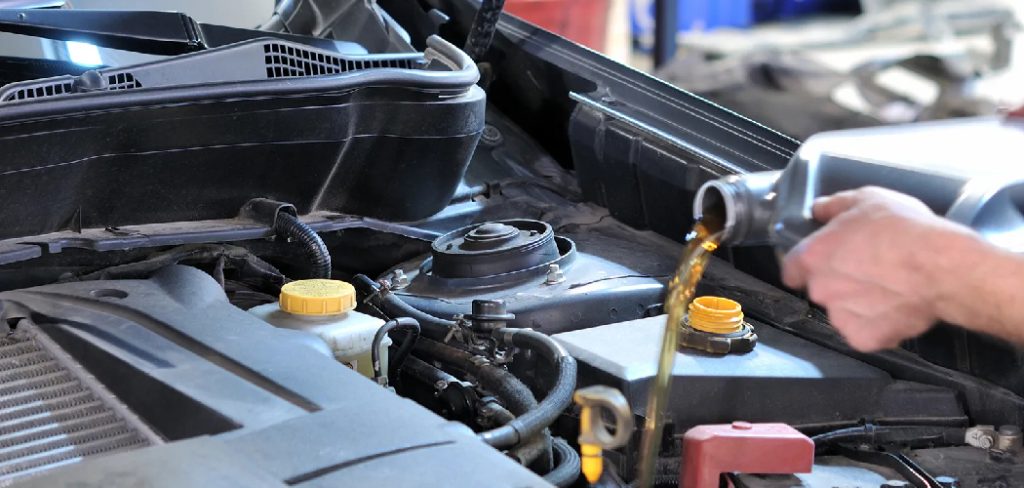
Tools and Materials You Might Need
Don’t dive under the hood only to find you’re missing something basic—that’s a quick route to frustration, and oil-stained jeans. Before you even think about loosening a bolt, assemble your supplies:
- Diesel engine oil—right grade, right amount; always double-check your owner’s manual because all engines are not created equal.
- The correct oil filter; they’re annoyingly specific, so grab the one matched to your truck’s make and model.
- A catch pan that’ll hold all that dirty, hot fluid. It always seems to be more than you expect.
- Socket set or a wrench—not a multitool, not pliers, but the actual size meant for your drain plug.
- Oil filter wrench. These are rarely optional, despite what optimists may claim.
- Rags or just a stack of paper towels—the mess creeps up on you.
- Funnel. Not ‘pouring skills’.
- Gloves and safety glasses. Old oil on your hands is an annoyance; in your eyes, it’s a real problem.
About Safety—Don’t Skip This Bit
Parking on a slope? Forget it. Always aim for flat, solid ground. Block those wheels, too—paranoia is a virtue around heavy vehicles. Let your truck cool. Thirty minutes does the trick, especially after a long trip.
Get lazy here, and you’ll understand the difference between ‘warm’ and ‘scalding’ the moment you touch the pan. Protective gear isn’t just for cautious people—oil splatter doesn’t send warnings, and used oil is loaded with chemicals you don’t want on your skin.
7 Simple Steps on How to Change Oil in a Diesel Truck
Step 1: Get Yourself—and the Truck—ready
Dragging tools across the driveway is no fun mid-task, so lay everything out within reach. Open the hood and locate the oil fill cap at the engine’s top—remove it now. Why? Simple physics: letting air in from the top gets the old oil out of the bottom a little faster. Every drip counts.
Place your catch pan under the oil pan. The first time, you’ll probably guess wrong—oil tends to shoot out at a sly angle and catch you by surprise.

Step 2: Find and Remove the Drain Plug
Slide underneath and locate the drain plug at the pan’s lowest point. It tends to collect a layer of grime just out of sight. Place your pan so the arc of flowing oil actually lands where you want it. A socket wrench counterclockwise, slowly at first… then finish with your fingers. Be ready—oil doesn’t hesitate. Let it all drain. Be patient. Rushing here just means old fluid gets left behind.
Step 3: Look Over the Drain Plug
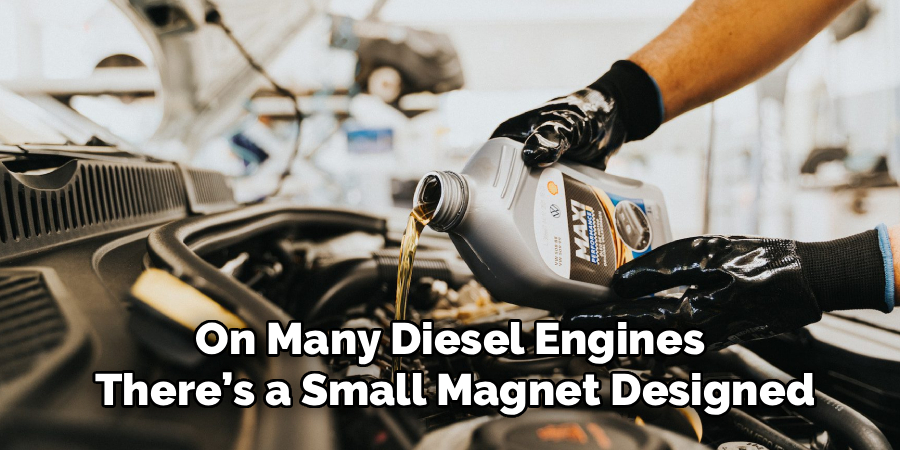
While gravity is doing its job, examine that plug. On many diesel engines, there’s a small magnet designed, not so much to catch the ‘big stuff,’ but the barely-there steel particles that inevitably wear off. Give it a wipe with a clean rag. No need to fret over a bit of metallic dust—chunks are a different story.
Notice the washer? Copper or sometimes rubber. Flattened, cracked, suspiciously fragile? Don’t be stingy—replace it. Skipping this step is asking for greasy stains under your parked truck.
Step 4: Reinstall the Drain Plug
As the oil dwindles to drips, you’re ready to close things up. Thread the plug back in by hand. Machine threads are unforgiving—cross-thread them, and you’ll regret the repair bill later. Tighten with your wrench just enough; you want snug, not stubborn. Clean up any oil that’s spread outside the pan area—leaves a bad impression otherwise.
Step 5: Off With the Old Oil Filter
Filters like to grip their housing as if fused. Use your oil filter wrench—gently—and expect a sudden release. Keep it upright if possible (easier said than done); the old filter holds a surprising amount of grimy oil. Dump it out carefully into your catch pan. Now, wipe that bare mounting surface down like you mean it. Old seals and new filters don’t mix well.
Step 6: Prep and Fit the New Filter
Prime the new filter with some fresh oil. This is less about tradition and more about avoiding a dry start on first turnover—no one likes a moment of metal-on-metal friction at ignition. Glide a thin coat of oil along the gasket. Tighten by hand until the gasket meets the metal, then give it a fractional rotation—don’t overdo it. Too loose and it’ll leak; too tight and you’ll curse next time around.
Step 7: Add Fresh Oil and Double-Check For Leaks
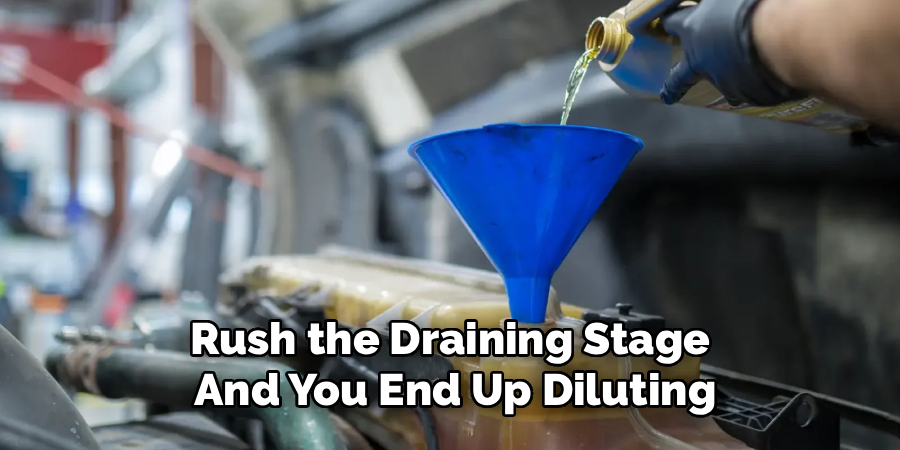
Funnel in the correct amount of new diesel oil. Precision matters here; too much is as problematic as too little. Replace the fill cap. Fire up the engine and let it settle into idle. Step out and check below—no drips means you’ve nailed it (on this front, anyway). Shut off the engine. After a short wait, check your dipstick. The oil should reach the mark but not swim above it.
Following these steps on how to change oil in a diesel truck is a basic maintenance procedure that should be done regularly to keep your vehicle running smoothly. However, it is also important to read the owner’s manual for any specific instructions or recommendations from the manufacturer.
Where People Trip Up (and How to Avoid It)?
Miss the new filter’s gasket? Disaster. Forget the cap? Oily mess, possibly down the block. Over-tighten the drain plug?
That’ll strip threads—you’ll feel the regret. Rush the draining stage and you end up diluting your shiny new oil with the black leftovers. Toss old oil in the trash? Not only illegal, but also environmental vandalism.
Is It Time for an Oil Change?
Your dashboard warning light—not subtle. But don’t just rely on it. Oil that’s black, thick, gritty? It’s done its job; time to swap it out. Other clues are more subtle; your engine may sound a bit louder, a little less eager, and sometimes you’ll get valve chatter. Watch your fuel efficiency—if it begins to slide, your oil may be past its prime. Blue or gray exhaust smoke should send you straight back under the hood.
Diesel Oil Change: Questions Owners Actually Ask
Q1: How Often Do I Need to Do This?
It depends. If your typical route involves heavy loads or clouds of dust, your interval may shrink to 5,000 miles or less—ignore generic advice. In milder cases, you might go closer to 7,500 miles, but always check your manual; the engineers usually know best.
Q2: What if I Have Regular Gas Engine Oil Lying Around?
Don’t. Diesel engines and gasoline engines need different lubricants—think different additives, designed to counteract the unique, sometimes nasty, byproducts of diesel combustion. Skipping the right oil could mean engine wear you never see until it’s too late.
Q3:So What Do I Do With the Used Oil?
You can’t pour it down a drain or dump it in the woods without risking fines (not to mention local groundwater). Pour it into a tough, leakproof container—old milk jugs work, as do commercial recycling bottles. Most auto stores and mechanics will take it; your conscience will thank you.
Q4: What About Diesel Additives?
Additives are a great means to improve the overall performance of your diesel engine. Commonly used additives include cetane boosters, fuel stabilizers and lubricity improvers. A cetane booster increases the cetane rating of diesel fuel, which is similar to an octane rating for gasoline. The higher the cetane number, the better the quality of combustion that occurs in a diesel engine. This results in improved power, increased fuel efficiency and reduced emissions.
Q5: How Do Diesel Additives Work?
Additives work by enhancing the properties of diesel fuel, which can improve the overall performance of a diesel engine. Cetane boosters increase the cetane rating of the fuel, which allows for more complete and efficient combustion in the engine. This results in improved power and fuel efficiency.
Conclusion
Call it old-fashioned, but doing your own routine maintenance turns a faceless machine into a familiar partner. Regular oil changes not only ward off catastrophic repairs, but also let you pick up early hints of trouble: odd residue, degraded gaskets, drops of power. Logging service intervals is a habit worth cultivating.
After a few rounds, the routine speeds up and anxiety drops away, replaced by confidence (or, at least, less second-guessing). One job at a time, it gets easier. Thanks for reading this guide on how to change oil in a diesel truck.

About
Ora Hayes is a distinguished figure in the world of DIY Thecarfixes, with over a decade of expertise in automotive diagnostics and high-performance maintenance. Her professional focus lies in merging mechanical precision with modern digital tools, fostering repair solutions that are both cost-effective and highly reliable. As the author of Thecarfixes, Ora Hayes delves into the art and science of automotive restoration, inspiring car owners and hobbyist mechanics alike.
Education
RMIT University (Melbourne, Australia) Associate Degree in Automotive Engineering — Focus on vehicle dynamics, industry-driven repair protocols, and advanced diagnostics. Gained hands-on experience with traditional mechanical tools and modern ECU remapping software.
Nottingham Trent University (United Kingdom) Bachelor’s in Mechanical Design and Automotive Engineering (Honors) — Specialized in automotive systems with a focus on blending technical engineering with everyday usability. Participated in industry projects, working with leading automotive manufacturers to gain real-world insights into vehicle longevity.
Publications and Impact
In Thecarfixes, Ora Hayes shares her insights on troubleshooting complex engine issues, material durability, and strategies for efficient garage setups. Her writing bridges the gap between professional mechanic knowledge and the home enthusiast’s needs, making it a must-read for both everyday drivers and seasoned gearheads.