Welcome, passionate home gardeners! We rely heavily on our trusty manual pickup trucks to haul massive loads of premium compost, heavy wooden trellises, and fragile nursery plants. Your vehicle acts as the ultimate gardening tool, making those ambitious backyard landscaping projects physically possible. However, poor driving habits easily destroy your vital automotive components, leaving you stranded at the local hardware store.
Learning how to burn a clutch, the exact mechanics of destroying a transmission sounds like strange advice, but understanding these terrible habits teaches you exactly what driving behaviors you must actively avoid. This beginner-friendly guide highlights the highly destructive actions that ruin your friction plates. We will cover improper towing techniques, dangerous hill holding, and bad shifting habits that act like aggressive weeds choking your engine. Let us protect your reliable gardening truck from completely unnecessary and incredibly expensive mechanical failures!
Step-by-Step Guide: How to Burn a Clutch
Step 1: Ride the Pedal While Hauling Soil
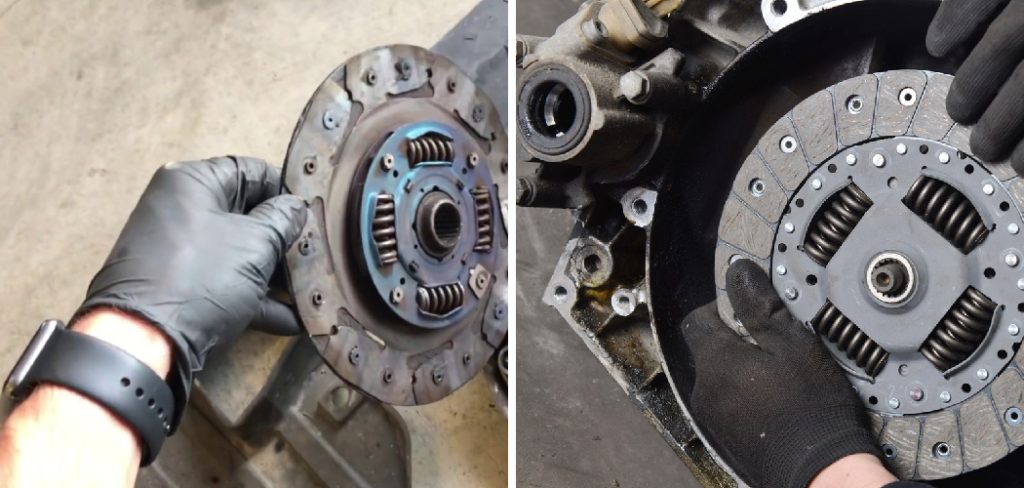
When you load your truck bed with massive bags of organic potting soil, your vehicle needs immediate power to move forward. Pressing the accelerator while only partially releasing the third pedal creates massive friction between the spinning engine plates. This terrible habit forces the heavy friction disc to slip aggressively against the spinning flywheel. Instead of locking together smoothly like a tightly packed brick of clay, the plates grind violently against one another. Generating this intense thermal heat while moving heavy landscaping supplies represents the fastest method for destroying your vital transmission components entirely.
Step 2: Slip the Gears on Steep Hills
Navigating steep neighborhood hills with a bed full of heavy landscaping rocks requires precise mechanical coordination. If you hold the vehicle steady on a steep incline by balancing the gas and transmission pedals, you generate incredible amounts of destructive heat. Anyone wondering how to burn a clutch quickly should simply try this terrible hill-holding technique. The friction material literally cooks itself into a hardened glaze, completely ruining its ability to grip the metallic flywheel. You should always use your emergency handbrake to secure your truck on steep garden inclines instead of cooking your transmission plates.
Step 3: Rest Your Foot During Long Drives
Many amateur drivers unknowingly rest their left foot heavily on the pedal while cruising down long rural farm roads. This lazy posture applies just enough hydraulic pressure to slightly disengage the friction disc from the spinning engine flywheel. The resulting constant friction acts exactly like rubbing rough sandpaper continuously against a tender plant stem. Over several miles, this subtle grinding generates severe thermal damage that permanently glazes the friction material. You must keep your left foot planted firmly on the dead pedal or floorboard to prevent this senseless, highly destructive mechanical wear and tear.
Step 4: Tow Heavy Trailers Incorrectly
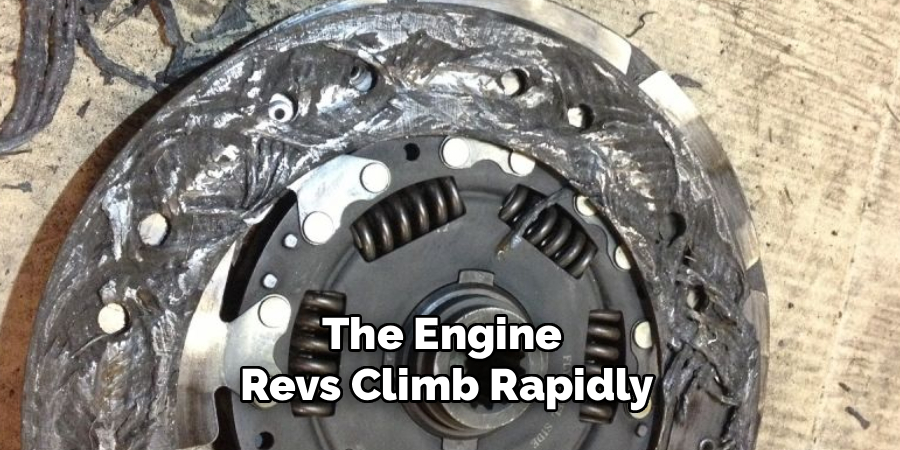
Towing a massive trailer loaded with fresh spring mulch puts an incredible mechanical strain on your entire drivetrain system. Trying to accelerate rapidly with thousands of pounds attached to your rear bumper forces the friction disc to slip aggressively. The engine revs climb rapidly, but the heavy trailer physically prevents the vehicle from matching that speed. This massive mismatch in momentum generates enough intense heat to literally melt the friction material right off the metal backing plate. Always accelerate slowly and smoothly when towing heavy gardening equipment to protect your vital drivetrain from complete structural failure.
Step 5: Shift Slowly Without Rev Matching
Shifting gears requires quick, decisive physical movements to ensure the internal plates lock together securely without unnecessary delay. Taking your time and releasing the pedal incredibly slowly allows the heavy friction disc to slip endlessly against the engine flywheel. This sluggish physical engagement creates a tremendous amount of unnecessary heat, slowly baking the fibrous friction material until it becomes completely useless. You must release the pedal with confident, smooth precision, much like snapping a stubborn dead branch off a mature tree. Quick engagements prevent the plates from grinding and save you from incredibly expensive automotive repair bills.
Step 6: Ignore the Warning Smells
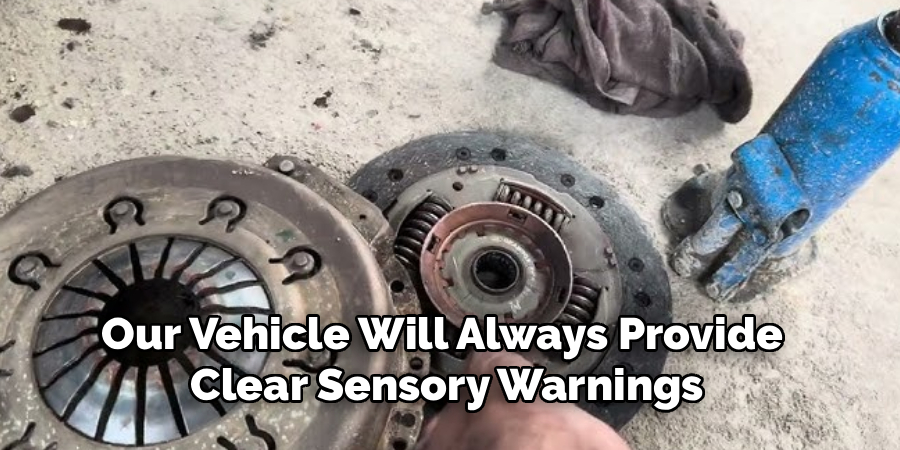
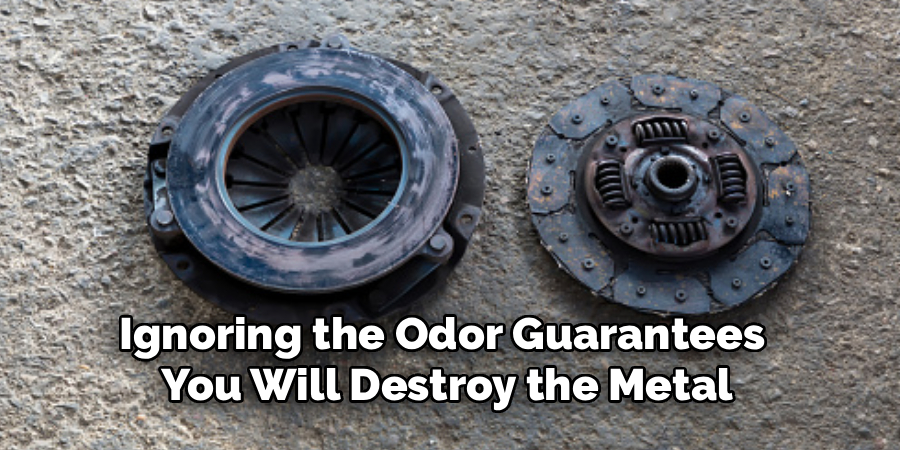
Your vehicle will always provide clear sensory warnings before a complete catastrophic mechanical failure occurs on the road. When the heavy friction plates overheat, they emit a horribly pungent, acrid smell that perfectly resembles burning newspaper or melting plastic. Anyone actively learning how to burn a clutch will inevitably encounter this highly distinct, terrible odor pouring from under their hood. Ignoring this foul smell and continuing to haul heavy garden soil simply guarantees the total destruction of your transmission system. You must pull over immediately and let the overheated plates cool down to prevent permanent damage.
Step 7: Skip Essential Maintenance
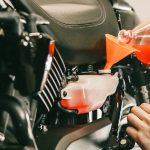
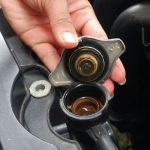
Proper preventative maintenance keeps your reliable hauling vehicle running smoothly throughout the entire busy summer gardening season. Ignoring your hydraulic fluid levels allows microscopic dirt and moisture to severely contaminate the sealed master cylinder system. This thick, dirty fluid prevents the hydraulic slave cylinder from fully engaging the friction plates, leading to constant, destructive slipping. Checking your fluid reservoir regularly ensures the plates clamp together with maximum structural force. Changing dirty hydraulic fluid represents a simple, inexpensive maintenance chore that drastically extends the lifespan of your heavy-duty gardening truck.
Step 8: Force the Vehicle into High Gears at Low Speeds
Cruising through your neighborhood in a high gear while engine speeds drop dramatically places immense strain on your entire drivetrain. This terrible practice, known as lugging the engine, violently shakes the heavy internal components. When you finally press the accelerator to speed up, the friction disc struggles desperately to transfer the mismatched engine torque. The metal plates slip and grind, generating severe thermal heat that quickly bakes the friction material. You must always shift down into a lower, more appropriate gear before accelerating to protect your heavy gardening truck from unnecessary and catastrophic mechanical failures.
Step 9: Skip the Parking Brake on Driveway Inclines
Parking your loaded utility truck on a steep driveway incline without using the emergency handbrake causes hidden internal damage. When you leave the heavy vehicle resting solely in gear, the entire weight of your spring mulch rests directly on the delicate transmission plates. This constant physical tension slowly warps the friction material and weakens the heavy metal springs over time. You must firmly engage the emergency handbrake every single time you park on a hill. This simple safety habit transfers the massive vehicle weight to the rear brake pads, saving your vital engine components from premature wear.
Step 10: Dump the Pedal During High Engine Revs
Releasing the third pedal instantly while the engine spins at incredibly high speeds creates a violent, destructive shockwave through your truck. This aggressive maneuver forces the stationary friction disc to slam violently against the rapidly spinning engine flywheel. The massive difference in physical momentum instantly overheats and shreds the fibrous friction material. You should never treat your reliable garden hauling truck like a high-performance race car on a smooth track. Engaging the gears with smooth, deliberate precision ensures your vehicle remains healthy and ready to transport your heavy bags of topsoil all summer long.
Frequently Asked Question
What Does A Failing Transmission Smell Like?
- An overheating transmission produces a highly distinct, incredibly foul odor that instantly fills the passenger cabin.
- The smell closely resembles burning newspaper, melting electrical plastic, or heavily scorched rubber.
- This distinct scent occurs because the fibrous friction material literally bakes under the intense thermal heat.
- If you notice this terrible smell while hauling heavy garden soil, pull over immediately to let the mechanical components cool down.
- Ignoring the odor guarantees you will destroy the metal flywheel and require a massive automotive repair.
Can I Tow A Heavy Mulch Trailer Safely?
- You can absolutely tow a heavy utility trailer safely if you utilize the correct driving techniques.
- Always accelerate incredibly slowly from a complete stop to avoid excessive friction plate slipping.
- Never use the transmission to hold your heavy trailer steady while waiting at a steep neighborhood stoplight.
- Ensure your truck features the proper tow rating to handle the massive physical weight of wet spring mulch.
- Shifting gears decisively and keeping engine revs balanced prevents the vital internal plates from overheating under extreme tension.
How Long Should These Components Last?
- A well-maintained manual transmission can easily last for over one hundred thousand miles of normal driving.
- Treating your vehicle with respect ensures the heavy metal friction plates rarely need an expensive mechanical replacement.
- However, aggressive hauling and terrible shifting habits can destroy brand new components in less than thirty thousand miles.
- Think of your transmission exactly like an expensive garden tiller; proper care drastically extends its useful operational lifespan.
- Regular fluid changes and smooth daily driving guarantee your truck remains perfectly reliable for many upcoming planting seasons.
What Are The First Signs Of Slipping?
- A slipping transmission provides several highly noticeable warning signs before failing completely on the highway.
- You will often notice the engine RPM needle shooting upwards rapidly without a matching increase in vehicle speed.
- The third pedal might suddenly feel incredibly soft, spongy, or unusually stiff when you press it down.
- You may struggle to shift smoothly into higher gears while driving on the highway.
- Addressing these early warning signs immediately saves you from becoming stranded at the local wholesale plant nursery.
Is Coasting In Neutral Bad For My Truck?
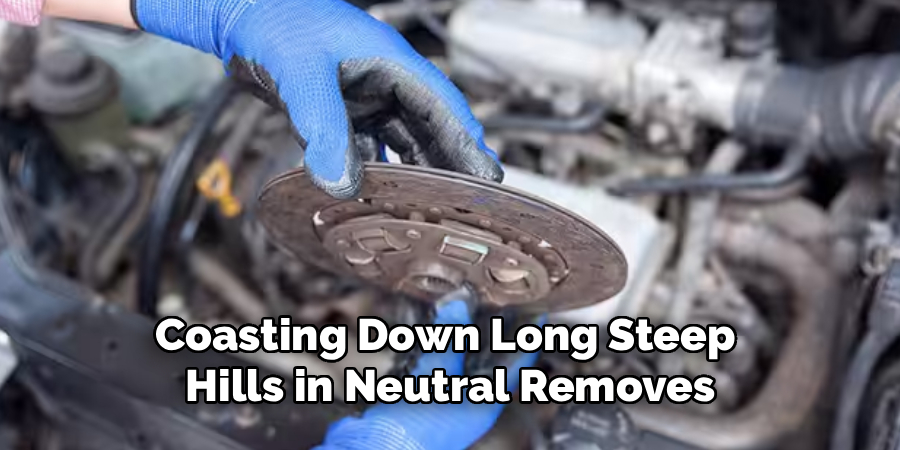
- Coasting down long, steep hills in neutral removes your direct physical control over the heavy vehicle.
- This dangerous practice forces you to rely entirely on your mechanical brake pads, which can overheat and fail.
- Furthermore, re-engaging the gears at high speeds causes a massive, destructive mechanical shock to the drivetrain.
- Always leave your truck fully in gear while traveling downhill to utilize natural engine braking.
- This simple safety habit protects your brake pads and prevents sudden, catastrophic damage to your internal friction plates.
Conclusion
Maintaining the reliable manual truck you use to transport heavy gardening supplies requires patience, respect, and excellent daily driving habits. By taking the time to fully understand these highly destructive behaviors, you guarantee a remarkably smooth, trouble-free driving experience. You no longer have to worry about your essential hauling vehicle breaking down while transporting delicate spring flowers home from the local plant nursery.
Now that you know how to burn a clutch, you possess the exact knowledge required to actively avoid making these incredibly expensive mechanical mistakes. The noticeable improvement in your vehicle’s lifespan serves as a fantastic reward for your careful, deliberate driving efforts. Wash the rich organic soil off your hands, pack your sturdy gardening tools into the truck bed, and drive confidently toward your next beautiful botanical adventure!

About
Ora Hayes is a distinguished figure in the world of DIY Thecarfixes, with over a decade of expertise in automotive diagnostics and high-performance maintenance. Her professional focus lies in merging mechanical precision with modern digital tools, fostering repair solutions that are both cost-effective and highly reliable. As the author of Thecarfixes, Ora Hayes delves into the art and science of automotive restoration, inspiring car owners and hobbyist mechanics alike.
Education
RMIT University (Melbourne, Australia) Associate Degree in Automotive Engineering — Focus on vehicle dynamics, industry-driven repair protocols, and advanced diagnostics. Gained hands-on experience with traditional mechanical tools and modern ECU remapping software.
Nottingham Trent University (United Kingdom) Bachelor’s in Mechanical Design and Automotive Engineering (Honors) — Specialized in automotive systems with a focus on blending technical engineering with everyday usability. Participated in industry projects, working with leading automotive manufacturers to gain real-world insights into vehicle longevity.
Publications and Impact
In Thecarfixes, Ora Hayes shares her insights on troubleshooting complex engine issues, material durability, and strategies for efficient garage setups. Her writing bridges the gap between professional mechanic knowledge and the home enthusiast’s needs, making it a must-read for both everyday drivers and seasoned gearheads.