Your vehicle’s braking system is arguably its most critical safety feature, and the brake caliper plays a starring role in bringing your car to a safe halt. Every time you press the brake pedal, a complex mechanical sequence occurs in a matter of milliseconds. Understanding this process can help you recognize early signs of wear and keep your car operating safely on the road.
Without functioning brake calipers, the friction required to stop your wheels simply would not exist. This guide on how to brake calipers work breaks down exactly how these components operate, the main parts involved, and what you need to do to maintain them. By learning the mechanics behind your daily commute, you can make informed decisions about repairs and ensure your vehicle remains reliable for years to come.
What Is a Brake Caliper?
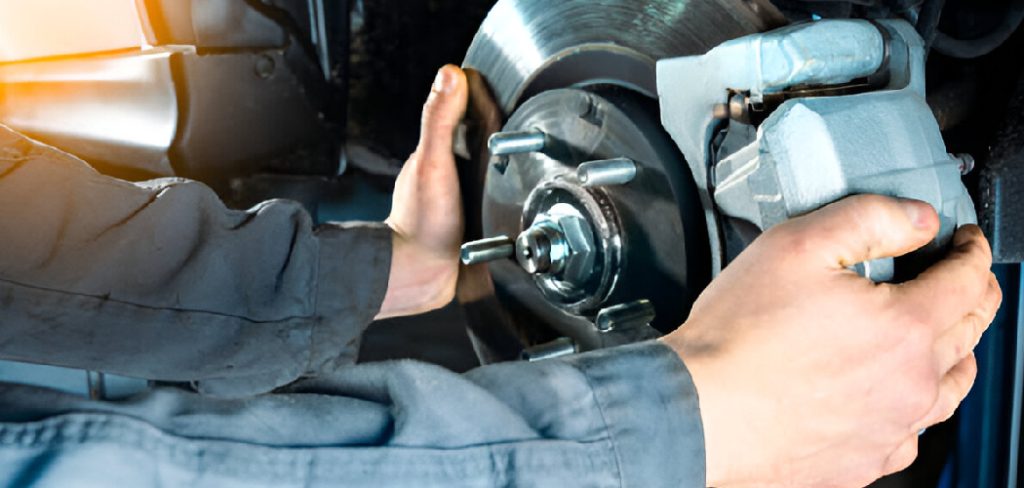
A brake caliper is a crucial piece of your vehicle’s disc brake system, functioning much like a heavy-duty clamp. It fits over the brake rotor, which is the circular metal disc attached to your car’s wheel. Inside the caliper, you will find a pair of metal plates bonded with friction material, commonly known as brake pads.
When you need to slow down or stop, the caliper presses these pads tightly against the spinning rotor to create the necessary friction.
Main Components of a Brake Caliper
To understand how the system operates, you need to know its basic anatomy. The caliper housing is the outer shell that protects the internal mechanisms and holds everything in place. Inside the housing, pistons (usually one or two, depending on the vehicle) do the heavy lifting by pushing the brake pads forward.
Bleeder screws are also attached to the caliper, allowing mechanics to remove air bubbles from the brake fluid. Finally, rubber seals and dust boots protect the pistons from road debris and prevent hydraulic fluid from leaking out.
7 Simple Step-by-step Guidelines on How to Brake Calipers Work
Step 1: Pushing the Brake Pedal
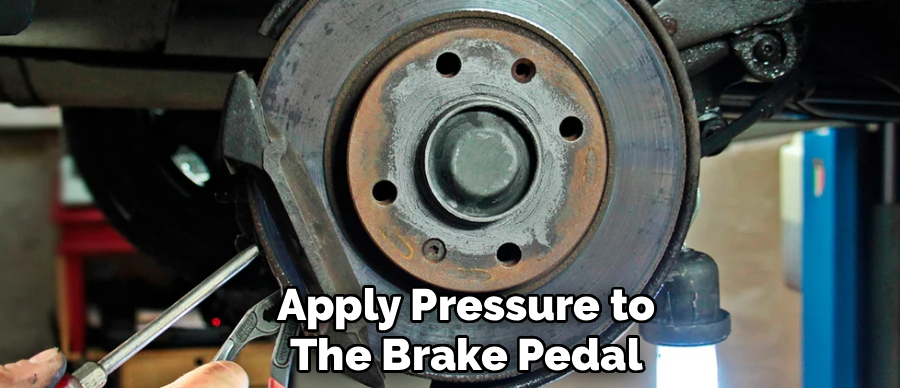
The braking sequence begins the exact moment you apply pressure to the brake pedal inside your car cabin. This simple physical action acts as a lever, multiplying the force from your foot and pushing a rod directly into the brake booster. The brake booster then uses a vacuum mechanism to amplify this force even further before it reaches the master cylinder.
Once the amplified force enters the master cylinder, it pushes a piston that forces hydraulic brake fluid through the brake lines. Because brake fluid cannot be compressed, it acts as a solid connection between your foot and the brake calipers. This ensures that the pressure travels instantly and evenly to each wheel, preparing the calipers to execute their clamping action.
Step 2: Hydraulic Pressure Reaches the Caliper
After leaving the master cylinder, the pressurized brake fluid travels rapidly through a network of rigid steel lines and flexible rubber hoses. This fluid must reach the calipers situated at each wheel without losing any pressure along the journey. The flexible hoses near the wheels are particularly important, as they allow the suspension to move up and down over bumps without breaking the fluid connection.
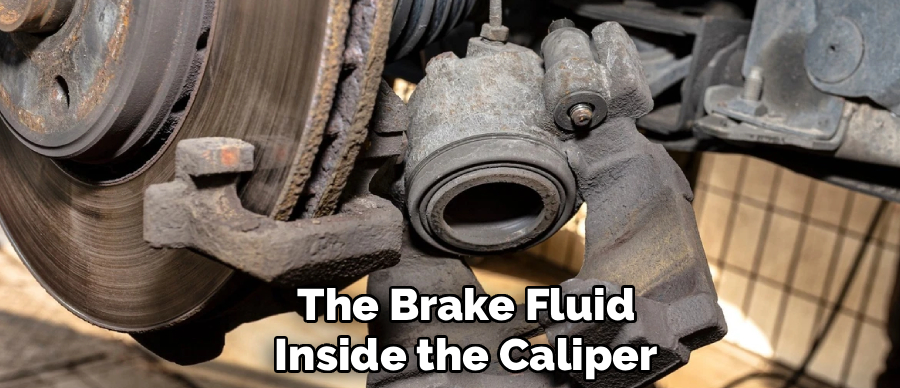
When the high-pressure fluid finally enters the caliper housing, it fills the chamber located just behind the caliper pistons. The sudden influx of pressurized fluid has nowhere else to go, so it begins to push forcefully against the back of the pistons. This hydraulic transfer of power is highly efficient and guarantees that the massive force required to stop a moving vehicle is delivered precisely where it is needed.
Step 3: The Pistons Move Forward
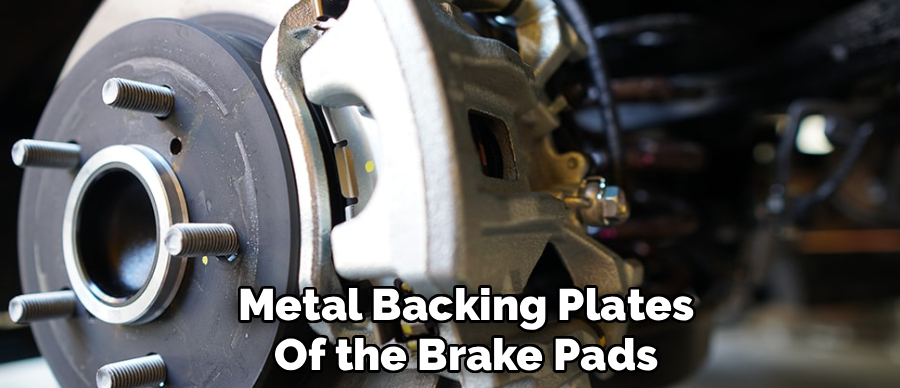
With hydraulic pressure building up in the chamber, the caliper pistons are forced to slide outward toward the brake rotor. These pistons are precisely machined cylinders of metal, designed to fit snugly inside the caliper bore while moving smoothly under pressure. As they move forward, they push directly against the heavy metal backing plates of the brake pads.
The movement of the pistons must be perfectly even to ensure the brake pads contact the rotor squarely. If a piston binds or moves unevenly, the vehicle might pull to one side during braking. Thanks to the tight rubber seals surrounding the pistons, the hydraulic fluid stays safely sealed inside the chamber, allowing all the pressure to translate directly into forward mechanical motion.
Step 4: The Brake Pads Clamp the Rotor
As the pistons push forward, the brake pads are forced tightly against the flat surfaces of the spinning brake rotor. Because the rotor is securely bolted to the wheel hub, applying pressure to the rotor effectively applies pressure to the wheel itself. The friction material on the brake pads is specially formulated to grip the smooth metal of the rotor without instantly wearing away.
This clamping action operates exactly like squeezing the handbrakes on a bicycle, but on a much larger and more powerful scale. The intense friction generated between the pads and the rotor successfully converts the kinetic energy of your moving car into extreme thermal energy. The tighter the calipers clamp down, the more friction is created, and the faster the vehicle begins to decelerate.
Step 5: Heat Dissipation Occurs
The massive amount of friction created during the clamping phase generates intense heat that must be managed immediately. Brake rotors are heavily engineered to absorb and shed this thermal energy to prevent the entire system from failing. Many front brake rotors feature cooling vanes in their center, drawing cool air through the disc as it spins to regulate temperatures.
Meanwhile, the brake caliper itself is built from heavy cast iron or aluminum to withstand these extreme temperature spikes without warping or melting. If the heat is not dissipated effectively, the brake fluid inside the caliper can actually boil, leading to a dangerous loss of braking power known as brake fade. Proper cooling ensures the calipers can continue to apply pressure consistently, even during long, steep downhill drives.
Step 6: Releasing the Brake Pedal
When you reach your desired speed or come to a complete stop, you naturally lift your foot off the brake pedal. This simple action releases the mechanical force pushing into the master cylinder, causing the hydraulic pressure within the brake lines to drop instantly. Without high pressure forcing the fluid forward, the fluid naturally flows back up the lines toward the master cylinder reservoir.
As the fluid pressure inside the caliper housing decreases, the forward force acting on the pistons is removed. This pressure drop is the vital signal that the braking event is over. The system relies heavily on this rapid depressurization to ensure the brakes do not remain locked up once the driver decides to accelerate again.
Step 7: The Caliper Pistons Retract
With the hydraulic pressure gone, the caliper pistons need to retreat slightly into their housing so the brake pads stop rubbing against the rotor. This retraction is primarily handled by the square-cut rubber piston seal located inside the caliper bore. During braking, this seal stretches slightly forward; when the pressure drops, the rubber seal snaps back to its original shape, pulling the piston backward by a fraction of an inch.
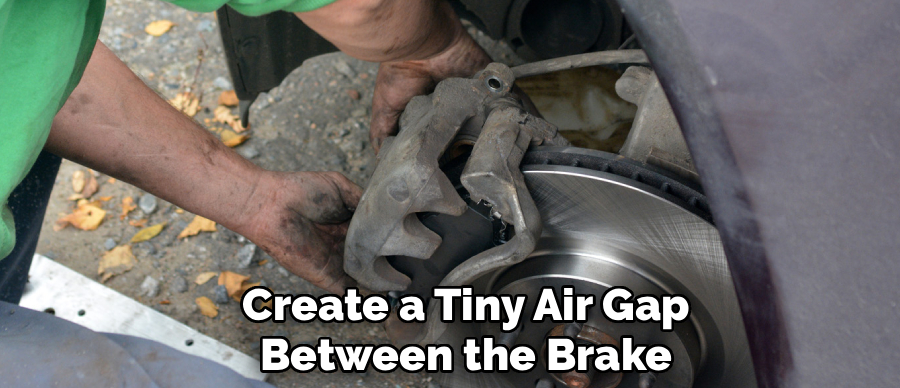
This microscopic movement is all it takes to create a tiny air gap between the brake pads and the spinning rotor. The wheels are now completely free to spin without resistance, allowing you to resume driving smoothly. This automatic retraction also prevents unnecessary wear on the brake pads and ensures your fuel economy doesn’t suffer from constant, unwanted friction.
Following these steps on how to brake calipers work, you should now have a better understanding of the important role they play in your vehicle’s braking system. It’s always important to regularly check and maintain your brake calipers to ensure safe and optimal performance while driving.
Maintenance Tips for Brake Calipers
Keeping your brake calipers in good working order requires a combination of regular inspections and fluid maintenance. You should aim to flush and replace your brake fluid every two years, as old fluid absorbs moisture that can rust the inside of your calipers and cause the pistons to stick. It is also vital to lubricate the caliper slide pins with high-temperature silicone grease whenever you change your brake pads.
This lubrication ensures the caliper can slide freely, preventing uneven pad wear. Finally, always inspect the rubber dust boots around the pistons for cracks or tears, as compromised boots will allow dirt to ruin the internal seals.
Common Mistakes to Avoid
Failing to replace brake pads on time forces the caliper pistons to overextend, which can permanently damage the piston seals. Using the wrong type of grease on caliper slide pins can cause the rubber components to swell and lock the brakes. Ignoring a spongy brake pedal usually means air is trapped in the caliper, which drastically reduces your stopping power.
Letting brake calipers hang loosely by the flexible rubber brake hose during repairs will easily tear the internal lining of the hose. Prying directly against the piston face with a screwdriver to compress it can scratch the metal and cause severe fluid leaks.
Cost of Repair or Replacement
If you find yourself needing to address a faulty brake caliper, the costs can vary significantly depending on your vehicle’s make and model. A standard caliper replacement typically runs between $300 and $800 per wheel, which includes the cost of the part, fresh brake fluid, and professional labor.
Luxury or performance vehicles with multi-piston calipers will easily push this estimate past the $1,000 mark. In some cases, a mechanic might offer a caliper rebuild, which involves replacing just the rubber seals and pistons for a slightly lower cost. However, completely replacing the unit is often recommended for absolute safety and long-term reliability.
Frequently Asked Questions
Q1: What Are The Signs Of A Bad Brake Caliper?
A1: A failing brake caliper often presents clear warning signs, such as your vehicle pulling sharply to one side when you apply the brakes. You might also notice a burning chemical smell coming from the wheels, or feel excessive heat radiating from one specific rim after a short drive. Additionally, uneven brake pad wear or a constant high-pitched squealing sound can indicate a sticky piston that refuses to retract.
Q2: How Long Do Brake Calipers Typically Last?
A2: Under normal driving conditions, brake calipers are incredibly durable and typically last between 75,000 and 100,000 miles. Their lifespan heavily depends on how frequently you change your brake fluid and whether you drive in areas with heavy road salt, which accelerates corrosion. With excellent maintenance, it is not uncommon for original calipers to last the entire lifetime of the vehicle.
Q3: Can I Replace Just One Brake Caliper At A Time?
A3: While it is physically possible to replace only one faulty brake caliper, mechanics strongly recommend replacing them in pairs across the same axle. Installing one brand-new caliper alongside an older, worn caliper can lead to uneven braking pressure, causing the car to pull dangerously to one side during an emergency stop. Replacing both ensures balanced, predictable braking performance.
Keep Your Braking System in Top Condition
Your vehicle’s braking system works tirelessly to keep you secure, and the brake calipers are the frontline soldiers in this effort. By understanding the intricate steps involved in bringing your car to a stop, you can better appreciate the importance of regular maintenance and timely repairs. Always listen to your car, monitor for fluid leaks, and do not hesitate to consult a professional mechanic if your brakes feel unusual.
Taking proactive steps today, such as scheduling a brake fluid flush or an inspection of your brake pads, will save you money and keep your vehicle operating safely. Check your owner’s manual for your recommended maintenance schedule, and ensure your braking system is always ready for the road ahead. Thanks for reading this guide on how to brake calipers work.

About
Ora Hayes is a distinguished figure in the world of DIY Thecarfixes, with over a decade of expertise in automotive diagnostics and high-performance maintenance. Her professional focus lies in merging mechanical precision with modern digital tools, fostering repair solutions that are both cost-effective and highly reliable. As the author of Thecarfixes, Ora Hayes delves into the art and science of automotive restoration, inspiring car owners and hobbyist mechanics alike.
Education
RMIT University (Melbourne, Australia) Associate Degree in Automotive Engineering — Focus on vehicle dynamics, industry-driven repair protocols, and advanced diagnostics. Gained hands-on experience with traditional mechanical tools and modern ECU remapping software.
Nottingham Trent University (United Kingdom) Bachelor’s in Mechanical Design and Automotive Engineering (Honors) — Specialized in automotive systems with a focus on blending technical engineering with everyday usability. Participated in industry projects, working with leading automotive manufacturers to gain real-world insights into vehicle longevity.
Publications and Impact
In Thecarfixes, Ora Hayes shares her insights on troubleshooting complex engine issues, material durability, and strategies for efficient garage setups. Her writing bridges the gap between professional mechanic knowledge and the home enthusiast’s needs, making it a must-read for both everyday drivers and seasoned gearheads.