Tiny black dots on your car paint can be more than dirt or road tar. If they appeared after parking near mulch, damp landscaping, or wooded areas, you may be dealing with artillery fungus. These stubborn spores shoot from decaying organic matter and can bond tightly to paint, glass, trim, and mirrors. Learning how to remove artillery fungus on car matters because the longer the spots sit, the harder they become to remove without damaging the finish.
This guide explains what artillery fungus is, why it sticks so firmly, and how to remove it safely. By the end, you will know how to wash, soften, lift, decontaminate, polish, and protect your car with a careful process that reduces the risk of scratches. There is also a practical benefit. Once you know how to identify artillery fungus, you can avoid treating it like ordinary dirt. A normal car wash may remove dust, pollen, and mud, but it usually will not remove bonded spores. You need patience, lubrication, safe chemicals, and gentle mechanical action.
Why Removing Artillery Fungus From Car Paint Matters
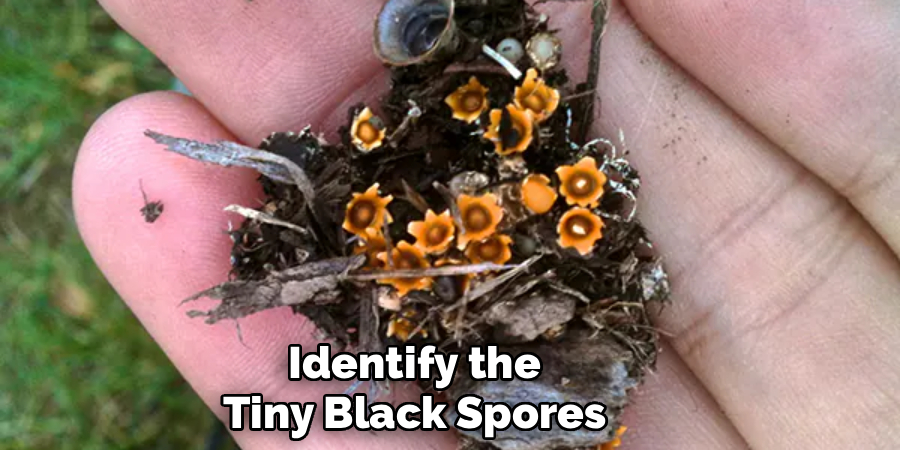
Artillery fungus is a common problem around wood mulch, damp soil, shaded landscaping, and areas with rotting organic material. The fungus produces small spore masses that can shoot several feet through the air. When those spores land on a car, they often look like tiny black or dark brown specks.
The main issue is adhesion. These spots are not loose dust sitting on top of the paint. They can cling tightly to the clear coat and harden over time. If you try to scrape them off with a fingernail, razor blade, rough sponge, or dry towel, you can scratch the paint or leave dull marks.
Removing the spots correctly helps protect your car’s appearance and value. A clean finish reflects light better, looks newer, and is easier to maintain. It also prevents buildup from becoming more noticeable, especially on white, silver, beige, and light-colored vehicles.
Step-By-Step Guide To How to Remove Artillery Fungus on Car
Step 1: Inspect The Spots And Choose A Safe Work Area
Start by checking the affected areas in good light. Look closely at the hood, roof, doors, fenders, mirrors, windshield, and rear panels. Artillery fungus usually appears as raised dots that do not wipe away with a quick pass of a towel.
Park the car in shade before you begin. A cool surface gives cleaning products more time to work and lowers the chance of streaking. Avoid working on hot paint because heat can dry products too fast and make you rub harder than needed.
Take a few photos before cleaning. This helps you track progress and see which areas need more attention later.
Step 2: Wash the Surface Thoroughly
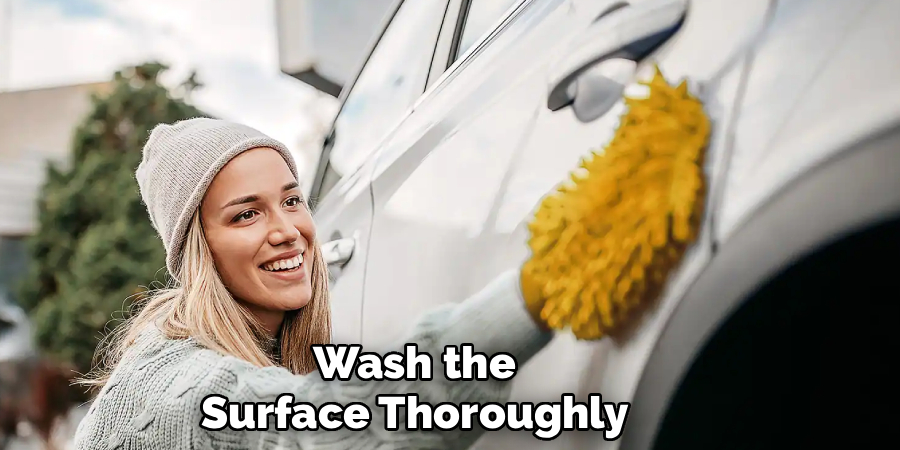
You must eliminate all loose surface dirt, gritty pollen, and everyday environmental dust before targeting the stubborn fungal spores specifically. Fill a large plastic bucket with warm water and a generous amount of premium automotive washing soap.
Use a plush microfiber wash mitt to gently wipe down the entire affected area, lifting away the loose debris without applying heavy downward pressure. Rinse the soapy suds away completely using a gentle shower spray from your garden hose. Drying the paint with a clean, soft towel reveals the true extent of the fungal infestation. Removing this gritty surface dirt absolutely prevents you from accidentally grinding abrasive sand into your flawless clear coat later.
Step 3: Soften The Fungus With Warm Water
Artillery fungus becomes easier to manage when you soften it first. Soak a clean microfiber towel in warm water mixed with a mild automotive-safe cleaner. Lay the damp towel over the affected area for several minutes.
This step helps loosen the outer layer of the spore without harsh scraping. Keep the towel damp during the process. If it starts to dry, add more warm solution.
After soaking, gently wipe the area with light pressure. Some spots may loosen, while others may stay in place. Do not force them. The goal is to weaken the bond before moving to more focused methods.
Step 4: Use A Plastic Razor Or Soft Detailing Tool Carefully
For stubborn raised dots, a plastic razor blade or soft detailing scraper can help. Use it only on well-lubricated paint. Spray the area with car wash solution, detail spray, or clay lubricant before touching the surface.
Hold the plastic edge at a low angle and push gently under the spot. Do not dig into the paint. If a spore does not move, stop and soak it again rather than applying more force.
Never use a metal razor blade on painted panels. Metal can cut into the clear coat quickly. Even on glass, use caution and keep the surface wet to reduce the risk of scratches.
Step 5: Treat Remaining Spots With A Paint-Safe Remover
If soaking and gentle lifting leave marks behind, use a paint-safe bug and tar remover, adhesive remover, or dedicated exterior cleaner. Apply it to a microfiber towel, not directly over a large area. Work on a small section so you can control dwell time.
This is where patience matters most in how to remove artillery fungus on car because the spot may need several light attempts instead of one aggressive pass. Let the product sit briefly, then wipe gently.
Always follow the label directions. If you are unsure, test the product on a hidden painted area first. Avoid strong household solvents because they can stain trim or weaken protection on the paint.
Step 6: Clay The Surface To Remove Bonded Residue
After the visible dots are reduced, use a clay bar or synthetic clay mitt to remove remaining bonded residue. Spray plenty of clay lubricant over a small area and glide the clay across the paint with light pressure.
You may feel roughness at first. As the clay removes contamination, the surface should become smoother. Fold or rinse the clay often so trapped debris does not scratch the paint.
Clay does not replace washing or spot removal. It works best after the raised fungus has been softened or lifted. Once finished, wipe the area clean with a microfiber towel and inspect the paint again.
Step 7: Polish And Protect The Paint
Some artillery fungus spots may leave faint stains or dull marks, especially if they sat for a long time. A light polish can improve gloss and reduce visible staining. Use a hand applicator or dual-action polisher with a mild finishing polish.
Work slowly and check your progress often. You are not trying to remove a lot of clear coat. You are refining the surface after the contamination is gone.
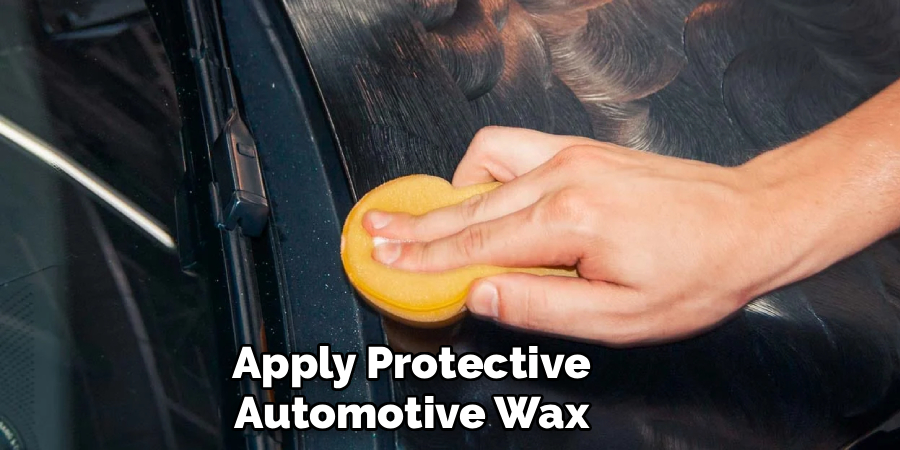
Once the paint looks clean, apply wax, sealant, or ceramic-style spray protection. Protection will not stop every spore from sticking, but it can make future cleaning easier and help shield the paint from environmental fallout.
Frequently Asked Questions
What Does Artillery Fungus Look Like On A Car?
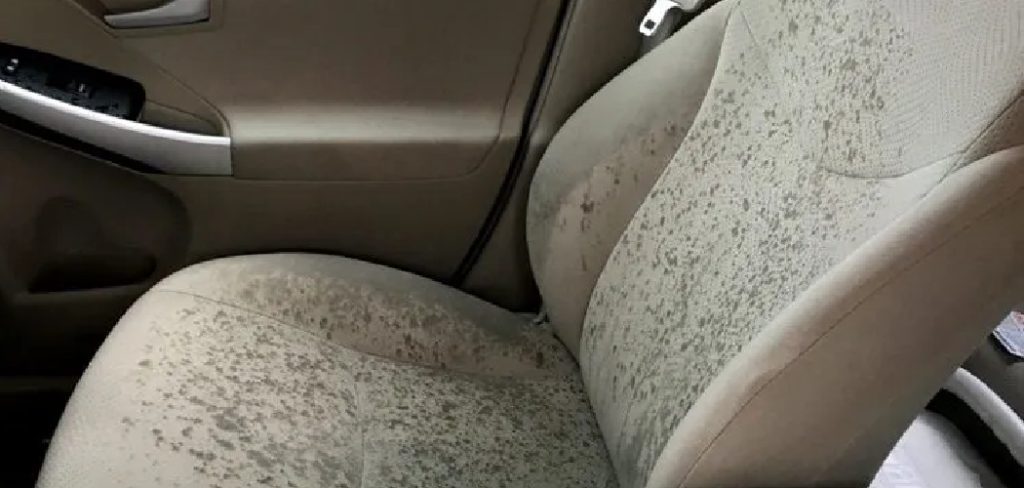
Artillery fungus usually looks like tiny black, brown, or dark speckled dots stuck to the paint or glass. The spots often feel raised when you run your hand over them after washing. They are commonly found on panels facing mulch beds, shaded landscaping, or damp areas. Unlike ordinary dirt, they do not rinse away easily and may stay attached after a normal wash.
Can Artillery Fungus Damage Car Paint Permanently?
It can leave stains or marks if it stays on the paint for a long time, especially in hot sun. The spore itself bonds tightly to the clear coat, and aggressive removal can cause more harm than the fungus. If you act early and use gentle methods, you can often remove it without lasting damage. Older spots may need polishing after removal to improve the finish.
Is Vinegar Safe For Removing Artillery Fungus?
Vinegar may help soften some organic residue, but it is not always the best choice for car paint. If used too strong or left too long, it can affect wax, sealant, or sensitive trim. If you try it, dilute it with water, test a small area first, and rinse well afterward. Paint-safe automotive cleaners are usually a better and safer starting point.
Will A Car Wash Remove Artillery Fungus?
A regular car wash may remove loose dirt around the spots, but it usually will not remove artillery fungus completely. The spores bond too firmly for basic soap and water alone. Washing is still an important first step because it removes grit before you use more targeted methods. After washing, you can soften, lift, clay, and polish the affected areas more safely.
How Can I Prevent Artillery Fungus From Coming Back?
Prevention starts with parking away from damp mulch beds when possible. If the problem comes from landscaping near your driveway, consider replacing wood mulch with stone, rubber mulch, or other low-risk ground cover. Keep your car protected with wax or sealant and wash it regularly. If you notice new specks, remove them early before they harden and become more difficult to clean.
Conclusion
Artillery fungus can be frustrating, but you can handle it with the right process. Wash first, soften the spots, lift them gently, use paint-safe cleaners, clay the surface, polish if needed, and protect the finish afterward.
The key is to avoid scraping dry paint or using harsh chemicals. Take your time and work in small sections. If the spots are severe or the paint already looks damaged, a professional detailer can help restore the finish safely.
With patience and the right tools, how to remove artillery fungus on car becomes a manageable detailing task that helps keep your vehicle clean, smooth, and protected.

About
Ora Hayes is a distinguished figure in the world of DIY Thecarfixes, with over a decade of expertise in automotive diagnostics and high-performance maintenance. Her professional focus lies in merging mechanical precision with modern digital tools, fostering repair solutions that are both cost-effective and highly reliable. As the author of Thecarfixes, Ora Hayes delves into the art and science of automotive restoration, inspiring car owners and hobbyist mechanics alike.
Education
RMIT University (Melbourne, Australia) Associate Degree in Automotive Engineering — Focus on vehicle dynamics, industry-driven repair protocols, and advanced diagnostics. Gained hands-on experience with traditional mechanical tools and modern ECU remapping software.
Nottingham Trent University (United Kingdom) Bachelor’s in Mechanical Design and Automotive Engineering (Honors) — Specialized in automotive systems with a focus on blending technical engineering with everyday usability. Participated in industry projects, working with leading automotive manufacturers to gain real-world insights into vehicle longevity.
Publications and Impact
In Thecarfixes, Ora Hayes shares her insights on troubleshooting complex engine issues, material durability, and strategies for efficient garage setups. Her writing bridges the gap between professional mechanic knowledge and the home enthusiast’s needs, making it a must-read for both everyday drivers and seasoned gearheads.