A car battery often gets ignored until the engine will not start. That usually happens at the worst time, like before work, during cold weather, or after your car has been parked for a few days. Learning how to make car battery last longer helps you avoid surprise breakdowns, save money, and keep your vehicle more reliable.
Your battery powers the starter, lights, electronics, sensors, and many comfort features. Even when the engine is off, some systems may still use small amounts of power. Over time, heat, cold, short trips, corrosion, vibration, and poor charging habits can weaken the battery.
The good news is that battery care does not have to be hard. With simple habits and basic maintenance, you can reduce strain on the battery and help it perform better for a longer period.
Why Making Your Car Battery Last Longer Matters
A longer-lasting car battery means fewer problems, lower costs, and more confidence every time you turn the key or press the start button. Most car batteries last about three to five years, but that range can change based on driving habits, climate, battery quality, and maintenance.
When a battery weakens, your car may start slowly, lights may dim, electronics may act strangely, or warning lights may appear. In some cases, the battery fails without much warning. That can leave you stranded and may also put extra stress on the alternator and starter.
Battery replacement is not always cheap, especially in newer vehicles with advanced electronics, stop-start systems, or special battery types. Taking care of the battery helps delay replacement and protects other electrical parts.
Step-By-Step Guide To How To Make Car Battery Last Longer
Step 1: Drive Your Car Regularly
Car batteries need regular use to stay charged. When your car sits for long periods, the battery slowly loses power. Modern vehicles can drain a battery even while parked because alarms, computers, clocks, and keyless entry systems may stay active.
Try to drive your car at least once a week for 20 to 30 minutes. A short start in the driveway is usually not enough because starting the engine uses a lot of power. A longer drive gives the alternator time to restore charge. If you do not drive often, a battery maintainer can help keep the charge stable.

Step 2: Avoid Too Many Short Trips
Short trips are hard on a car battery because the engine may not run long enough to replace the energy used during starting. If you often drive only a few minutes at a time, the battery may remain partly discharged. Over time, this can shorten its life.
When possible, combine several errands into one longer drive instead of taking many small trips. This gives the charging system more time to work. If your daily routine is mostly short driving, consider checking the battery charge more often. Keeping the battery properly charged helps reduce internal wear and improves starting power.
Step 3: Keep Battery Terminals Clean
Corrosion on battery terminals can block the flow of electricity. It often looks like a white, blue, or green powder around the battery posts or cable ends. When corrosion builds up, your car may start slowly, charge poorly, or develop electrical issues.
Check the terminals every few months. If you see buildup, clean it carefully with the engine off. Make sure the cables are tight after cleaning because loose connections can also cause problems. If the corrosion returns quickly, the battery may be leaking or overcharging. In that case, have the battery and charging system inspected by a professional.
Step 4: Turn Off Electronics Before Starting
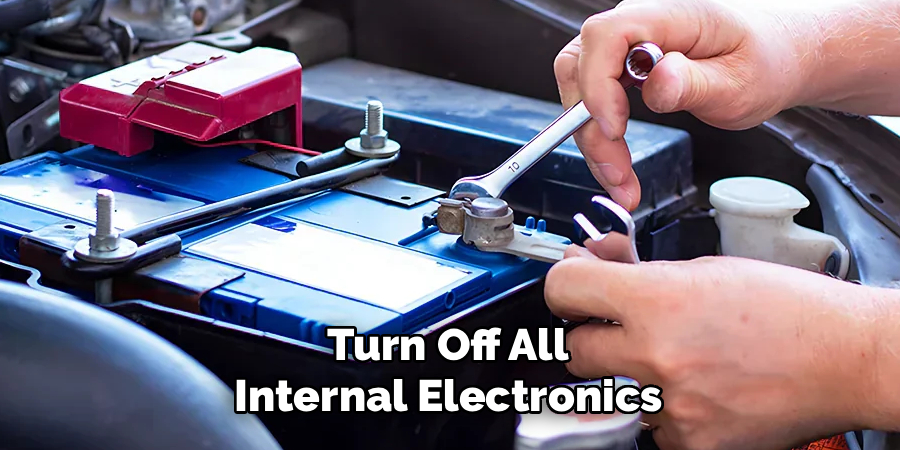
A simple way to reduce battery strain is to turn off lights, climate controls, heated seats, radio, chargers, and other accessories before starting the car. Starting the engine already requires a strong burst of power. Extra electrical loads make the battery work harder.
A big part of how to make car battery last longer is reducing unnecessary drain whenever you can. Before turning off the engine, switch off major accessories so they do not turn on immediately during the next start. This habit is especially useful in cold weather, when batteries naturally have less available power and engines need more effort to crank.
Step 5: Protect The Battery From Extreme Temperatures
Heat and cold both affect battery life. High heat can speed up internal chemical breakdown and cause fluid loss in some batteries. Cold weather slows the chemical reaction inside the battery, making it harder to deliver enough power to start the engine.
If possible, park in a garage, shaded area, or covered space during extreme weather. In hot climates, keeping the engine bay cooler can help reduce battery stress. In cold climates, regular driving and a full charge are important because weak batteries often fail during freezing temperatures. If winter starts are slow, test the battery before it leaves you stranded.
Step 6: Check The Charging System
Your battery depends on the alternator and charging system to stay healthy. If the alternator undercharges the battery, it may remain weak and wear out faster. If it overcharges, it can damage the battery and shorten its life.
Watch for signs such as dim lights, warning lights, slow cranking, electrical flickering, or a battery that keeps dying. These symptoms may point to a charging issue rather than a bad battery alone. A repair shop or auto parts store can test the battery and alternator. Regular testing is a smart move, especially if your battery is more than two years old.
Step 7: Secure The Battery Properly
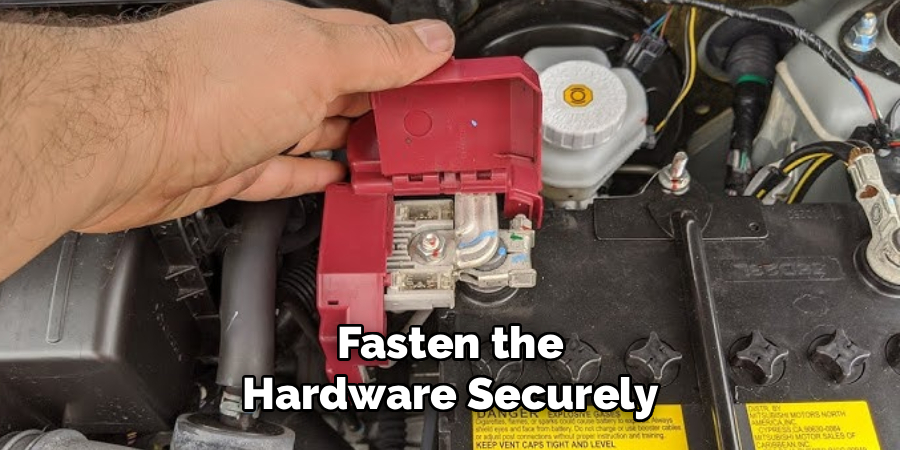
A battery should sit firmly in its tray. If it is loose, vibration can damage internal plates, cable connections, and the battery case. This is more common on rough roads, older cars, or vehicles with missing hold-down brackets.
Open the hood and check that the battery does not move when gently pushed. If it shifts, inspect the clamp or bracket. Replace missing or damaged hardware as soon as possible. A secure battery is safer and more reliable. It also reduces the chance of acid leaks, cracked cases, and loose electrical connections that can lead to starting problems.
Frequently Asked Questions
How Long Should A Car Battery Last?
Most car batteries last three to five years, but some fail sooner and others last longer. Climate, driving habits, battery type, and maintenance all play a role. Hot weather can shorten battery life, while frequent short trips can prevent a full charge. If your battery is older than three years, test it at least once a year to avoid unexpected failure.
What Are The Signs Of A Weak Car Battery?
Common signs include slow engine cranking, dim headlights, clicking sounds when starting, dashboard warning lights, and electrical features acting strangely. You may also notice that the car starts fine one day and struggles the next. These symptoms do not always mean the battery is the only problem, so it is wise to test both the battery and charging system.
Can A Battery Maintainer Help?
Yes, a battery maintainer can help if your car sits for long periods or is driven only occasionally. It keeps the battery at a healthy charge without overcharging it. This is useful for seasonal vehicles, weekend cars, and cars stored during travel. A maintainer is different from a basic charger because it is designed for safe long-term connection.
Does Cold Weather Kill Car Batteries?
Cold weather does not always kill a battery by itself, but it can reveal weakness. Low temperatures reduce battery power and make engine oil thicker, so the starter needs more energy. If the battery is already old or undercharged, it may fail during a cold morning start. Keeping the battery charged and tested before winter can prevent many problems.
Should I Replace My Battery Before It Dies?
Replacing a battery before total failure can be smart if it is old, weak, or testing poorly. Waiting until it dies may leave you stranded and could create extra stress on the starter or alternator. If your battery is near the end of its expected life and shows warning signs, replacement is often safer than taking the risk.

Conclusion
A car battery lasts longer when you reduce unnecessary strain and keep it properly charged. Regular driving, fewer short trips, clean terminals, careful accessory use, temperature protection, charging system checks, and secure mounting all make a real difference.
You do not need advanced mechanical skills to care for your battery. Small habits can prevent many common problems and help your car start reliably in all seasons. When you understand how to make car battery last longer, you can save money, avoid breakdowns, and get more dependable performance from your vehicle.

About
Ora Hayes is a distinguished figure in the world of DIY Thecarfixes, with over a decade of expertise in automotive diagnostics and high-performance maintenance. Her professional focus lies in merging mechanical precision with modern digital tools, fostering repair solutions that are both cost-effective and highly reliable. As the author of Thecarfixes, Ora Hayes delves into the art and science of automotive restoration, inspiring car owners and hobbyist mechanics alike.
Education
RMIT University (Melbourne, Australia) Associate Degree in Automotive Engineering — Focus on vehicle dynamics, industry-driven repair protocols, and advanced diagnostics. Gained hands-on experience with traditional mechanical tools and modern ECU remapping software.
Nottingham Trent University (United Kingdom) Bachelor’s in Mechanical Design and Automotive Engineering (Honors) — Specialized in automotive systems with a focus on blending technical engineering with everyday usability. Participated in industry projects, working with leading automotive manufacturers to gain real-world insights into vehicle longevity.
Publications and Impact
In Thecarfixes, Ora Hayes shares her insights on troubleshooting complex engine issues, material durability, and strategies for efficient garage setups. Her writing bridges the gap between professional mechanic knowledge and the home enthusiast’s needs, making it a must-read for both everyday drivers and seasoned gearheads.