A failing water pump can turn a normal drive into an overheated engine, roadside breakdown, or expensive repair. The water pump moves coolant through the engine, radiator, heater core, and hoses so heat can leave the engine instead of building up inside it. Learning how to fix a water pump on car can help you understand the repair, decide if you can handle it yourself, and avoid damage from ignoring cooling system problems.
This guide is written for beginners, but it takes a practical, expert approach. You will learn why the cooling system matters, what a water pump does, how to replace one safely, and when it may be smarter to call a mechanic. The process can vary by vehicle, so always check your repair manual before removing parts. Still, the core steps are similar on many cars and can help you plan the job with more confidence.
Why Maintaining Your Cooling System Is Essential
Your engine creates intense heat every time it runs. The cooling system keeps that heat under control by moving coolant through passages in the engine block and cylinder head. The coolant absorbs heat, travels to the radiator, releases that heat, and cycles back again.
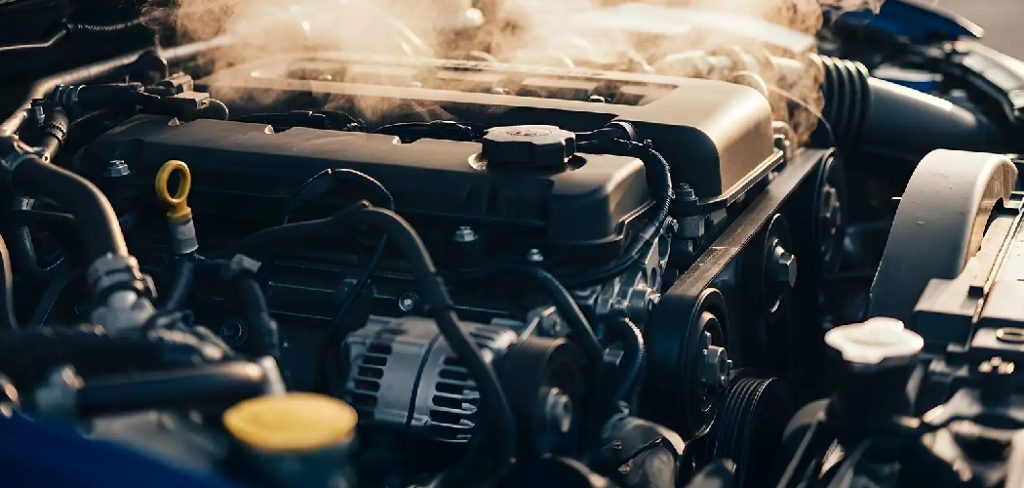
The water pump is the part that keeps this flow moving. When it fails, coolant may stop circulating properly. That can cause the temperature gauge to rise, the heater to blow cold air, coolant to leak, or steam to come from under the hood.
A neglected cooling system can lead to severe engine damage. Overheating can warp cylinder heads, damage head gaskets, crack plastic parts, and weaken seals. These repairs often cost much more than replacing a worn pump early.
Step-By-Step Guide To How To Fix A Water Pump On Car
Step 1: Confirm The Water Pump Is The Problem
Start by checking the symptoms before you remove anything. A bad water pump may leak coolant from the weep hole, make a grinding or whining noise, or cause the engine to overheat. You may also see coolant around the front of the engine or smell a sweet odor after driving.
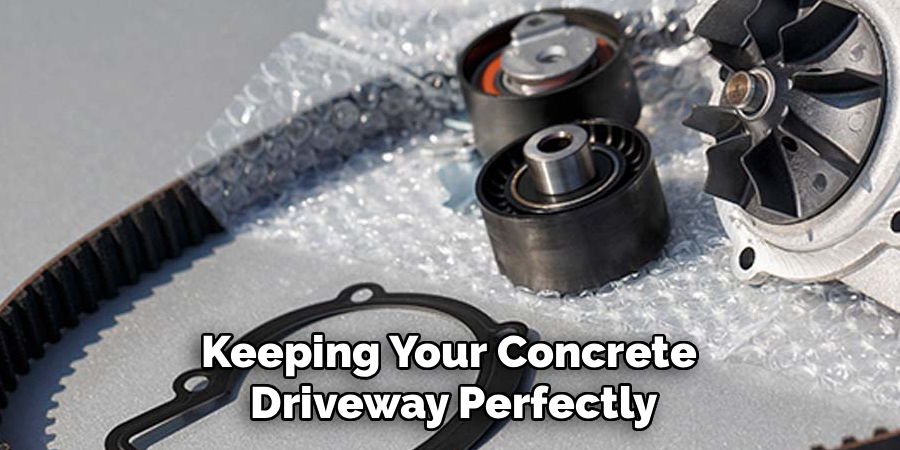
A clear plan for how to fix a water pump on car starts with proper diagnosis. Other parts can mimic pump failure, including a stuck thermostat, clogged radiator, bad radiator cap, collapsed hose, or failed cooling fan. Confirm the source so you do not replace the wrong part.
Step 2: Gather Tools And Let The Engine Cool
Never work on the cooling system when the engine is hot. Pressurized coolant can spray out and cause serious burns. Park on level ground, set the parking brake, and allow the engine to cool fully before opening the radiator cap or coolant reservoir.
Gather your tools before starting. You may need sockets, wrenches, screwdrivers, pliers, a drain pan, gasket scraper, torque wrench, fresh coolant, and the correct replacement pump. Some vehicles also require a belt tensioner tool or special pulley holder. Read the repair manual so you know what must be removed for access.
Step 3: Drain The Coolant Safely
Place a drain pan under the radiator drain plug or lower radiator hose. Open the radiator cap only after the engine is cool, then drain the coolant into the pan. If the radiator does not have a drain plug, loosen the lower hose carefully and let the coolant flow out slowly.
Do not dump old coolant on the ground. It is toxic to people, pets, and wildlife. Store it in a sealed container and take it to a recycling center or auto parts store that accepts used coolant. Keeping the work area clean also helps you spot fresh leaks later.
Step 4: Remove Belts And Access Parts
The water pump is usually driven by a serpentine belt, timing belt, or timing chain system. On many vehicles, you must remove the serpentine belt, fan shroud, cooling fan, pulley, or other nearby parts to reach the pump. Take photos before removing parts so you can reinstall everything correctly.
If the pump is driven by a timing belt, the job becomes more advanced. Incorrect timing belt installation can cause poor running or major engine damage. In that case, consider replacing the timing belt, tensioner, and related seals while the area is open, or have a professional handle the repair.
Step 5: Remove The Old Water Pump
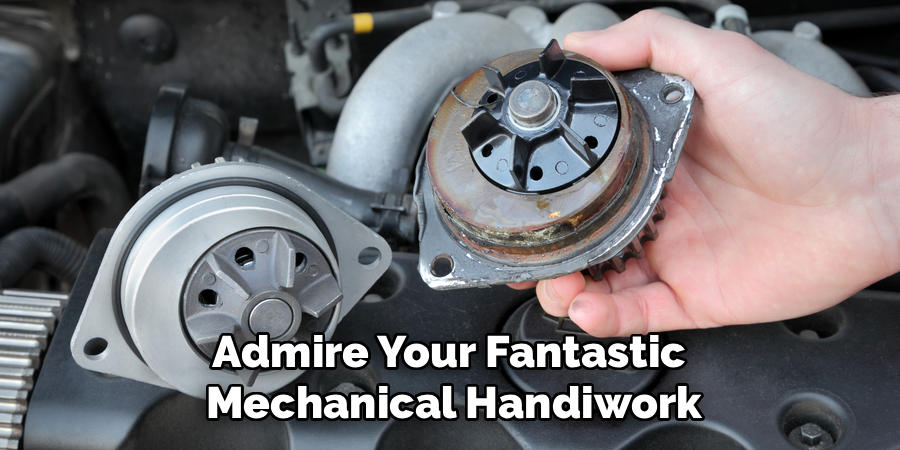
Loosen the water pump bolts in a controlled pattern. Some bolts may be different lengths, so keep them organized as they come out. A piece of cardboard with labeled holes can help you remember where each bolt belongs.
This is the point in how to fix a water pump on car where patience matters. The pump may stick to the engine because of old gasket material or corrosion. Tap it gently with a soft mallet if needed, but avoid prying against delicate aluminum surfaces. Once removed, compare the old pump with the new one to confirm the bolt holes, pulley design, and gasket surface match.
Step 6: Clean The Mounting Surface And Install The New Pump
Clean the engine mounting surface carefully. Remove old gasket material, sealant, dirt, and corrosion without gouging the metal. A smooth surface helps the new gasket seal properly. Wipe the area clean with a suitable shop towel before installing the replacement pump.
Follow the instructions that come with the pump. Some gaskets install dry, while others require a thin layer of approved sealant. Place the gasket correctly, position the pump, and start all bolts by hand before tightening. Use a torque wrench and tighten bolts to the manufacturer’s specification. Overtightening can crack parts or damage threads.
Step 7: Refill Coolant And Check For Leaks
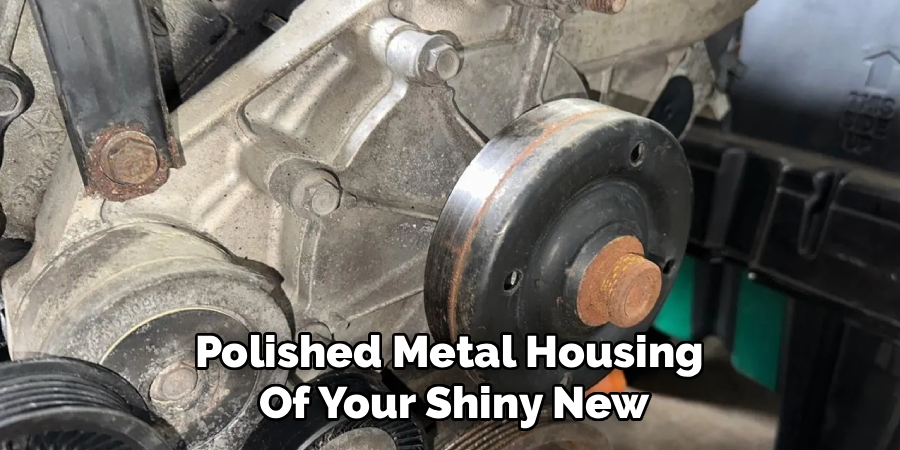
Reinstall the pulley, belt, hoses, fan parts, and anything else you removed. Make sure the belt sits correctly in all pulley grooves. Refill the system with the correct coolant type and mixture for your vehicle.
Many cars need air bled from the cooling system after refill. Air pockets can cause overheating even when the pump is new. Use the bleed screw if your vehicle has one, or follow the manual’s refill process. Start the engine, turn the heater on, and watch the temperature gauge. Check for leaks around the pump, hoses, and drain areas before driving.
Securing the heavy metal housing requires highly specific physical tension to prevent crushing your delicate new gasket entirely. Grab a specialized mechanical torque wrench to tighten the heavy metal fasteners according to the exact mathematical specifications provided by the vehicle manufacturer. Move the wrench in a crisscross, star-shaped pattern rather than tightening the bolts in a simple, consecutive circle. This methodical tightening strategy distributes the intense physical pressure perfectly evenly across the entire flat metal surface. Achieving the correct physical tension guarantees a fantastic, highly resilient seal that will comfortably endure thousands of miles of heavy summer garden hauling.
Frequently Asked Questions
Can I Drive With A Bad Water Pump?
Driving with a bad water pump is risky because the engine may overheat without warning. If coolant is leaking heavily, the temperature gauge is rising, or you hear grinding from the pump area, stop driving and inspect the vehicle. A short drive can turn into a costly engine repair if the coolant stops circulating. Towing is often cheaper than repairing overheating damage.
How Long Does It Take To Replace A Water Pump?
The time depends on the vehicle design and your experience level. On some cars, the pump is easy to reach and may take two to four hours. On others, it may sit behind timing covers or tight engine components, which can take much longer. Beginners should plan extra time for draining coolant, labeling parts, cleaning surfaces, and bleeding air from the system.
What Causes A Water Pump To Fail?
Water pumps usually fail because of worn bearings, damaged seals, corrosion, contaminated coolant, or belt tension problems. Old coolant can lose its protective additives and allow rust to form inside the system. A belt that is too tight can also stress the pump bearing. Regular coolant service and correct belt installation help the pump last longer.
Should I Replace The Thermostat With The Water Pump?
Replacing the thermostat during a water pump repair is often a smart choice, especially if it is old or hard to access. The thermostat is inexpensive compared with the labor involved in opening the cooling system again. A fresh thermostat can also help regulate engine temperature more reliably. Always use the correct temperature rating for your vehicle.
How Do I Know If Air Is Trapped In The Cooling System?
Trapped air can cause overheating, gurgling sounds, poor heater performance, or sudden temperature changes. You may also notice coolant levels dropping after the first warm-up cycle. Bleeding the system removes air pockets and helps coolant flow correctly. Some vehicles have a bleed valve, while others require a special fill process. Check your repair manual for the exact method.

Conclusion
Fixing a water pump requires careful diagnosis, safe coolant handling, clean installation, and proper bleeding of the cooling system. The job is manageable on some vehicles, but it can become complex if the pump is tied to the timing belt or buried behind major components.
If you want to learn how to fix a water pump on car, start with your vehicle’s repair manual, gather the right tools, and take your time. Do not rush the gasket work, bolt torque, or coolant refill process. A careful repair can stop leaks, restore coolant flow, and protect your engine from overheating.

About
Ora Hayes is a distinguished figure in the world of DIY Thecarfixes, with over a decade of expertise in automotive diagnostics and high-performance maintenance. Her professional focus lies in merging mechanical precision with modern digital tools, fostering repair solutions that are both cost-effective and highly reliable. As the author of Thecarfixes, Ora Hayes delves into the art and science of automotive restoration, inspiring car owners and hobbyist mechanics alike.
Education
RMIT University (Melbourne, Australia) Associate Degree in Automotive Engineering — Focus on vehicle dynamics, industry-driven repair protocols, and advanced diagnostics. Gained hands-on experience with traditional mechanical tools and modern ECU remapping software.
Nottingham Trent University (United Kingdom) Bachelor’s in Mechanical Design and Automotive Engineering (Honors) — Specialized in automotive systems with a focus on blending technical engineering with everyday usability. Participated in industry projects, working with leading automotive manufacturers to gain real-world insights into vehicle longevity.
Publications and Impact
In Thecarfixes, Ora Hayes shares her insights on troubleshooting complex engine issues, material durability, and strategies for efficient garage setups. Her writing bridges the gap between professional mechanic knowledge and the home enthusiast’s needs, making it a must-read for both everyday drivers and seasoned gearheads.