A worn wheel bearing can start as a faint hum and turn into a serious safety problem if you ignore it. Wheel bearings help your wheels spin smoothly while supporting the weight of your vehicle, so even a small issue can affect steering, braking, and tire wear.
Learning how to check wheel bearings helps you catch early warning signs before they lead to costly repairs or roadside trouble. The good news is that you do not need to be a professional mechanic to notice many common symptoms. With safe steps, basic tools, and careful observation, you can inspect for noise, looseness, vibration, and heat.
This guide explains what wheel bearings do, why checking them matters, and how to inspect them in a beginner-friendly way. You will learn how to listen during a test drive, lift the vehicle safely, check for wheel play, spin the tire by hand, and decide when it is time to call a professional.
Why Checking Wheel Bearings Matters
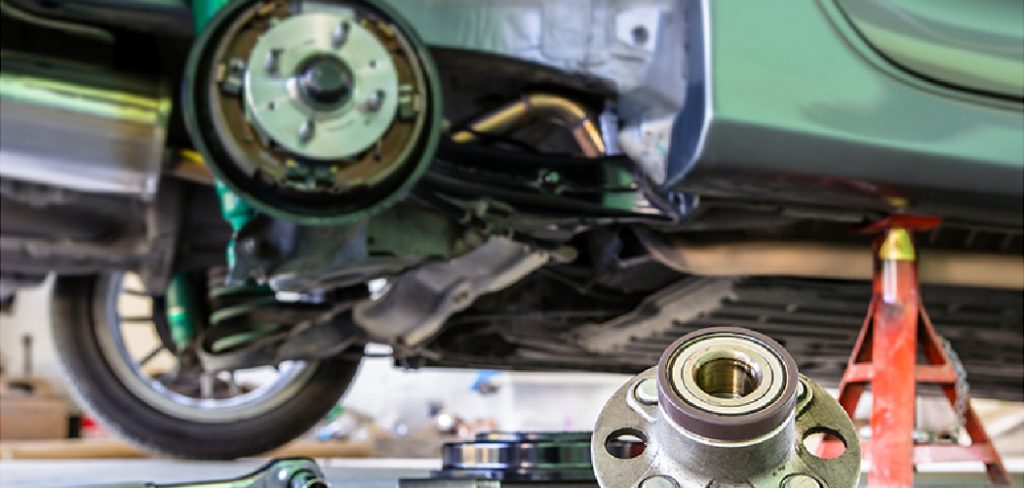
Wheel bearings allow each wheel to rotate with minimal friction. When they wear out, they can create humming, grinding, clicking, looseness, or vibration. If the damage gets worse, the wheel may not spin correctly, and handling can become unsafe.
Checking them early helps protect your tires, suspension, brakes, and steering parts. It can also prevent a small repair from turning into a much larger one. A bad bearing can place extra stress on nearby components, especially if you continue driving at highway speeds.
Regular checks are especially useful if you notice new road noise, uneven tire wear, steering pull, or vibration through the floor or steering wheel.
Step-By-Step Guide To How To Check Wheel Bearings
Step 1: Understand The Warning Signs
Before lifting the vehicle, pay attention to what you notice while driving. A failing wheel bearing often makes a low humming, growling, or grinding sound that gets louder as speed increases. The noise may change when you steer slightly left or right because the load shifts from one side of the vehicle to the other.
You may also feel vibration through the steering wheel, seat, or floor. In some cases, the vehicle may wander slightly or feel less stable. These signs do not always prove the bearing is bad, but they tell you which wheel area needs closer inspection.
Step 2: Choose A Safe Inspection Area
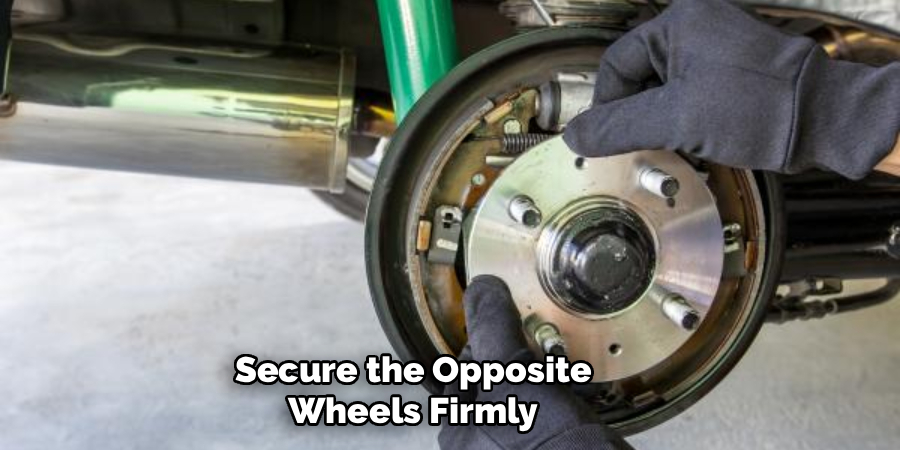
Park your vehicle on a flat, solid surface before you begin. A garage floor or level driveway is best. Avoid soft ground, slopes, gravel, or any area where a jack could shift while the vehicle is raised.
Put the vehicle in park if it has an automatic transmission, or in gear if it has a manual transmission. Set the parking brake, turn off the engine, and place wheel chocks around the tires that will stay on the ground. Safety matters more than speed. When learning how to check wheel bearings, a stable work area is the first step toward a reliable inspection.
Step 3: Take A Careful Test Drive
Drive at low to moderate speeds on a quiet road where you can listen closely. Keep the windows up at first so outside wind does not hide the sound. Then lower one window at a time if you need to narrow down which side the noise comes from.
Listen for a steady hum, growl, or rumble that changes with vehicle speed rather than engine speed. If the noise stays the same while the engine revs but changes as the wheels turn faster, the issue may be in the wheel, tire, or bearing area. Avoid sharp turns or aggressive driving during this test.
Step 4: Raise The Vehicle Correctly
Check your owner’s manual for the correct jack points before lifting the vehicle. Place the jack under the proper support area and raise one corner at a time. Once the tire is off the ground, place a jack stand under the vehicle before you inspect anything.
Never rely on the jack alone. A jack is made to lift, not to hold the vehicle safely while you work. Give the vehicle a gentle shake after setting the jack stand to confirm it is stable. If anything feels unsafe, lower the vehicle and reset your equipment before continuing.
Step 5: Check For Wheel Play
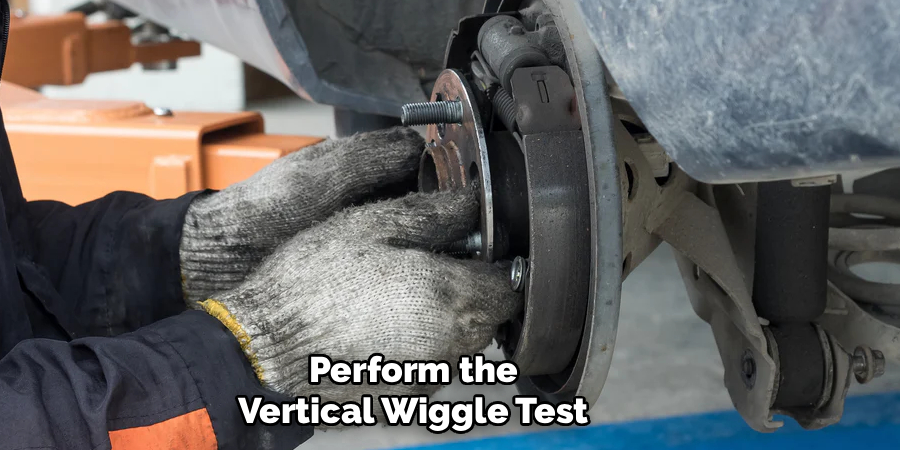
Hold the tire at the 12 o’clock and 6 o’clock positions. Push in with one hand while pulling out with the other, then reverse the motion. You are checking for looseness, clunking, or movement that feels different from the other wheels.
Next, hold the tire at the 3 o’clock and 9 o’clock positions and repeat the same test. Some movement can come from steering or suspension parts, so do not assume the bearing is the only possible cause. However, noticeable play combined with noise or rough spinning is a strong reason to inspect further or seek professional help.
Step 6: Spin The Wheel By Hand
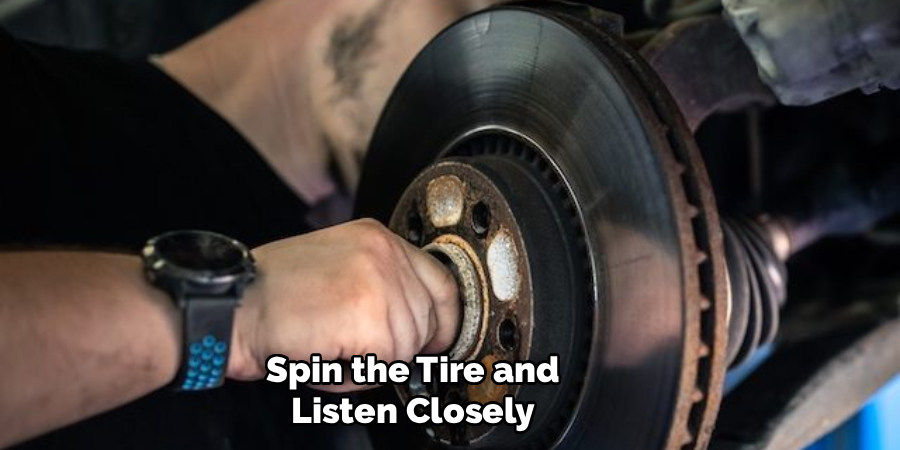
With the wheel still raised, rotate it slowly by hand. A healthy wheel should turn smoothly and quietly. You may hear light brake pad contact, which is normal on many vehicles, but you should not hear grinding, scraping, rumbling, or rough metal sounds.
Place one hand lightly on the coil spring or suspension area while spinning the tire. Sometimes you can feel rough vibration through the suspension if the bearing is damaged. This is a useful part of how to check wheel bearings because it combines sound, touch, and movement instead of relying on one clue.
Step 7: Compare Both Sides
Repeat the same checks on the opposite side of the axle. Comparing left and right helps you notice differences that may not be obvious when checking only one wheel. If one side spins quietly and the other feels rough, loose, or noisy, the problem area becomes easier to identify.
Pay attention to tire condition as well. Uneven tire wear, cupping, or a damaged tire can create noise that sounds similar to a bad bearing. Brake issues can also mislead you. Comparing both sides helps separate normal mechanical sounds from a part that may be failing.
Step 8: Decide Whether To Repair Or Get Help
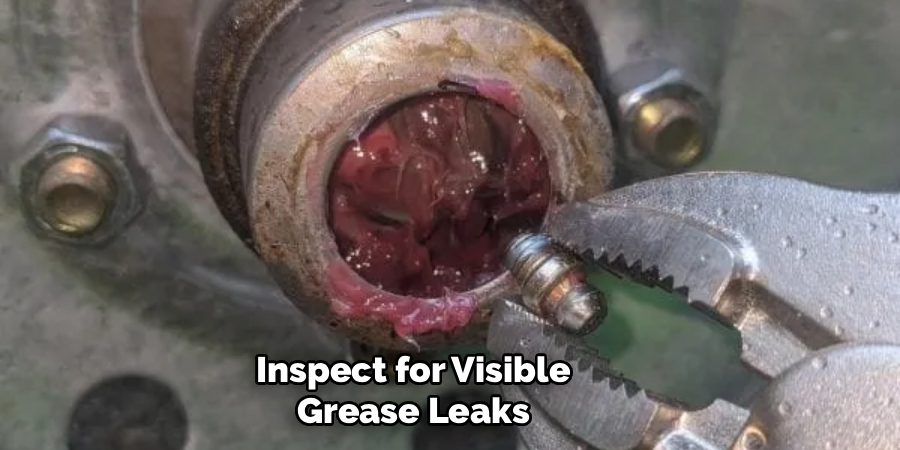
If you find looseness, grinding, heavy vibration, or noise that clearly points to a bearing, avoid long drives until the vehicle is inspected. Some wheel bearings are built into sealed hub assemblies, while others require pressing parts in and out. The repair method depends on your vehicle.
If you have the right tools and experience, you may be able to replace a hub assembly at home. If the bearing must be pressed, or if the wheel has severe play, a repair shop is usually the safer choice. Wheel bearings affect control and safety, so do not delay the repair.
Frequently Asked Questions
What Does A Bad Wheel Bearing Sound Like?
A bad wheel bearing often sounds like a humming, growling, grinding, or rumbling noise. The sound usually gets louder as vehicle speed increases. It may also change when you turn slightly because the vehicle’s weight shifts from one side to the other. Tire noise can sound similar, so it is important to inspect carefully before replacing parts.
Can I Drive With A Bad Wheel Bearing?
You should avoid driving far with a bad wheel bearing. A slightly noisy bearing may last for a short time, but it can get worse quickly and affect steering, braking, and wheel stability. If the wheel feels loose, makes grinding sounds, or vibrates strongly, do not keep driving. Have the vehicle inspected as soon as possible.
How Often Should Wheel Bearings Be Checked?
Wheel bearings do not need constant inspection, but they should be checked whenever you notice humming, vibration, uneven tire wear, or looseness. It is also smart to inspect them during brake work, tire rotations, or suspension repairs. Vehicles driven on rough roads, through deep water, or with heavy loads may need more frequent checks.
Is Wheel Bearing Noise Worse When Turning?
Wheel bearing noise can change when turning because the load shifts across the vehicle. For example, a noise that gets louder during a left turn may point to extra load on the right-side bearing. This is not a perfect rule, but it can help with diagnosis. Always combine road noise with a physical inspection.
Can A Bad Tire Sound Like A Bad Bearing?
Yes, a worn or uneven tire can create a humming or roaring sound that feels like a bad bearing. Cupped tread, poor alignment, and tire damage are common causes. That is why you should inspect tire wear, spin the wheel by hand, and compare both sides. A careful check helps prevent replacing the wrong part.
Conclusion
Wheel bearings play a major role in safe, smooth driving. By listening for unusual noise, checking for wheel play, spinning the tire by hand, and comparing both sides, you can spot many warning signs before they become serious.
If you find roughness, looseness, grinding, or vibration, take it seriously and avoid unnecessary driving. Now that you know how to check wheel bearings, inspect your vehicle carefully and get professional help when the signs point to a failing bearing.

About
Ora Hayes is a distinguished figure in the world of DIY Thecarfixes, with over a decade of expertise in automotive diagnostics and high-performance maintenance. Her professional focus lies in merging mechanical precision with modern digital tools, fostering repair solutions that are both cost-effective and highly reliable. As the author of Thecarfixes, Ora Hayes delves into the art and science of automotive restoration, inspiring car owners and hobbyist mechanics alike.
Education
RMIT University (Melbourne, Australia) Associate Degree in Automotive Engineering — Focus on vehicle dynamics, industry-driven repair protocols, and advanced diagnostics. Gained hands-on experience with traditional mechanical tools and modern ECU remapping software.
Nottingham Trent University (United Kingdom) Bachelor’s in Mechanical Design and Automotive Engineering (Honors) — Specialized in automotive systems with a focus on blending technical engineering with everyday usability. Participated in industry projects, working with leading automotive manufacturers to gain real-world insights into vehicle longevity.
Publications and Impact
In Thecarfixes, Ora Hayes shares her insights on troubleshooting complex engine issues, material durability, and strategies for efficient garage setups. Her writing bridges the gap between professional mechanic knowledge and the home enthusiast’s needs, making it a must-read for both everyday drivers and seasoned gearheads.