A water pump leak can look small at first, but it can quickly lead to overheating, low coolant, engine damage, and an unexpected breakdown. The water pump moves coolant through the engine so heat can leave the system safely. When it leaks, the engine may not get the cooling it needs.
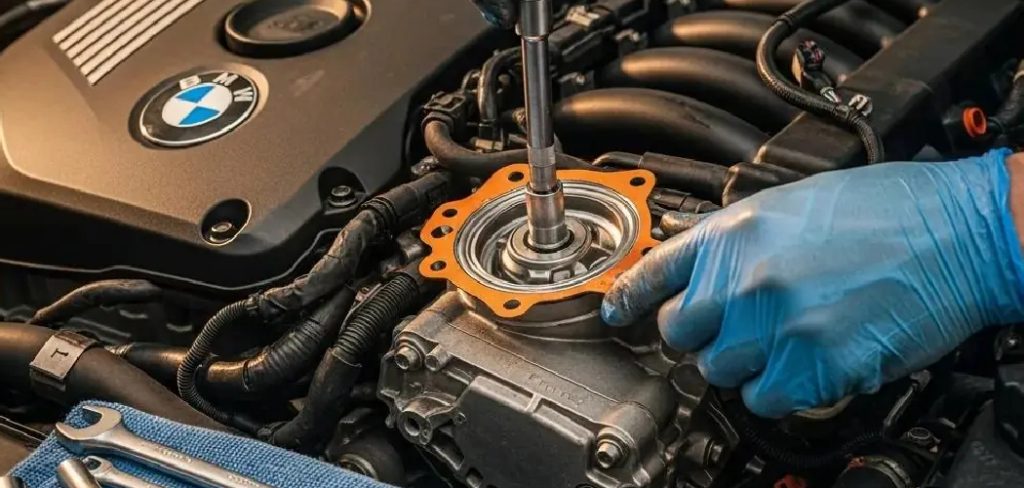
Learning how to stop a car water pump leak helps you understand what is safe to fix, what needs replacement, and when to call a mechanic. Some leaks come from loose hoses or worn gaskets, while others mean the pump itself has failed. This guide explains the process in a clear, beginner-friendly way.
Why Stopping A Car Water Pump Leak Matters
Stopping a water pump leak matters because coolant loss can damage your engine faster than many drivers expect. If the coolant level drops too low, the engine can overheat, which may lead to a blown head gasket, warped cylinder head, or costly internal damage.
Fixing the leak early also helps protect nearby belts, pulleys, and electrical parts from coolant exposure. It can improve driving reliability, reduce repair costs, and give you confidence that the cooling system is working as it should. Even if the final repair requires replacing the pump, finding the leak source quickly helps you avoid guessing and wasting money on the wrong parts.
Step-By-Step Guide To How To Stop A Car Water Pump Leak
Step 1: Confirm The Leak Location
Before you repair anything, confirm that the water pump is the real source of the leak. Coolant can travel along hoses, brackets, and engine parts before dripping onto the ground, which can make the leak look like it is coming from somewhere else.
Start with the engine cool. Look near the front of the engine, around the pump housing, pulley area, and gasket surface. A flashlight helps you spot wet areas, stains, or dried coolant residue. The first step in how to stop a car water pump leak is careful inspection, because a loose hose or bad clamp may be much easier to fix than a failed pump.
Step 2: Check Coolant Level And Condition
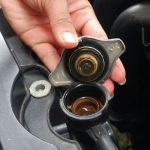
Open the coolant reservoir only when the engine is fully cool. Check the coolant level and note whether it is low, dirty, rusty, oily, or mixed with debris. Low coolant supports the leak diagnosis, while dirty coolant may suggest poor maintenance or corrosion inside the system.
Also inspect the radiator cap and reservoir cap. A weak cap can cause pressure problems that make coolant escape from weak points. If the coolant looks contaminated or rusty, the system may need flushing after the leak is repaired. Clean coolant helps the water pump seal, bearing, and gasket last longer.
Step 3: Inspect Hoses, Clamps, And Nearby Connections
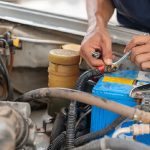
Many leaks near the water pump are caused by hoses or clamps rather than the pump itself. Check each hose connected near the pump. Look for cracks, swelling, soft spots, loose clamps, or coolant around the hose ends.
Gently squeeze the hoses when the engine is cool. A healthy hose should feel firm but flexible. If a hose feels mushy, brittle, or oily, replace it. Tighten loose clamps carefully, but do not overtighten them because that can damage the hose or fitting. If the leak stops after replacing a hose or clamp, the pump may still be in good condition.
Step 4: Look For Weep Hole Leakage
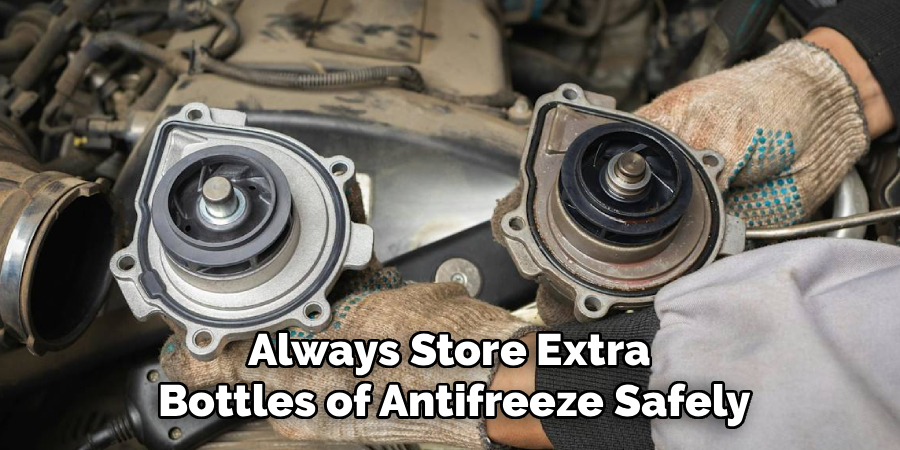
Most mechanical water pumps have a small weep hole. This hole allows coolant to escape when the internal seal fails. If coolant is dripping from the weep hole, the pump usually cannot be repaired with a simple external fix.
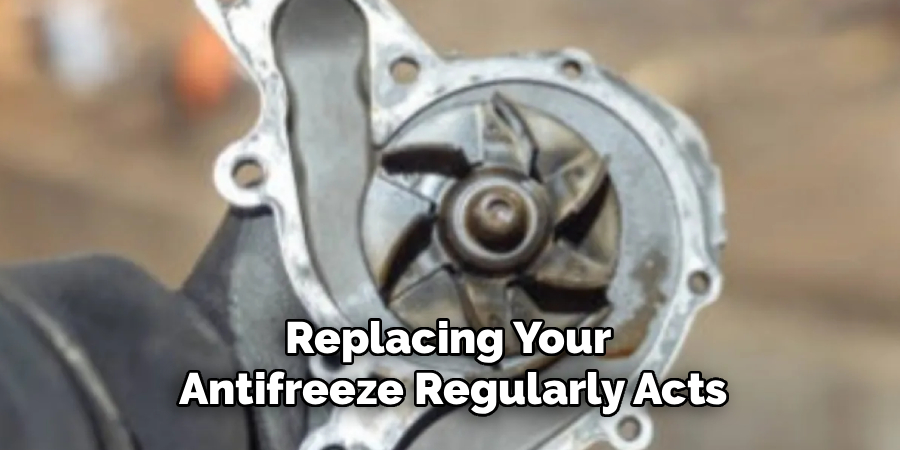
Use a mirror and flashlight if the weep hole is hard to see. You may notice fresh coolant, crusty deposits, or a trail running down the pump body. A leak from this area means the internal seal has worn out. In that case, sealant or tightening bolts will not solve the problem for long. The correct repair is pump replacement.
Step 5: Test The System Pressure
A cooling system pressure test can help reveal leaks that only appear while the engine is hot and pressurized. This test uses a hand pump attached to the radiator or reservoir opening. It adds pressure without needing to run the engine.
If you have access to a pressure tester, pump the system to the pressure listed on the cap. Watch the gauge and inspect the pump area for coolant. If pressure drops and coolant appears around the gasket, hose, or weep hole, you have found the leak source. If you are unsure, many repair shops can perform this test quickly.
Step 6: Try Safe Temporary Measures Only When Appropriate
Temporary fixes should only be used to get the vehicle to a safe place or repair shop. If the leak is minor and comes from a loose clamp, tightening or replacing the clamp may solve it. If the leak is from a damaged hose, replacing the hose is a proper repair.
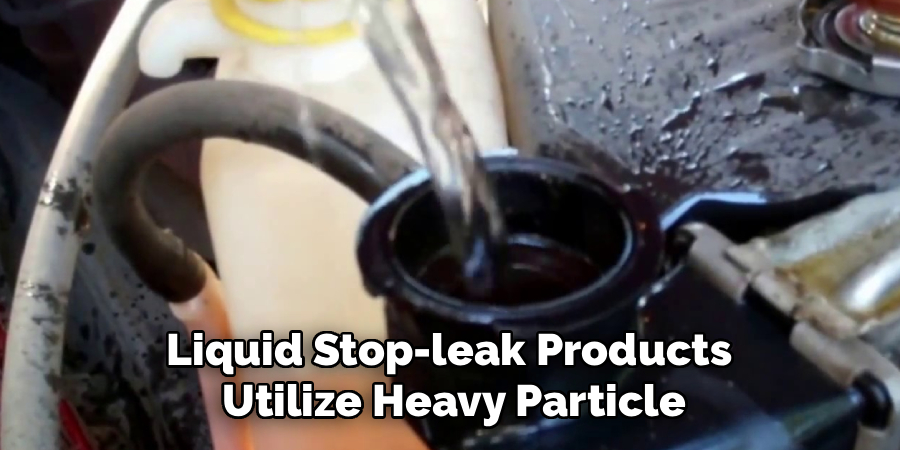
A practical approach to how to stop a car water pump leak is knowing the difference between a temporary patch and a real fix. Stop-leak products may reduce small seepage in some cases, but they can clog radiators, heater cores, or small coolant passages. Avoid using them unless the vehicle manufacturer allows it or you have no safer option.
Step 7: Replace The Gasket Or Pump If Needed
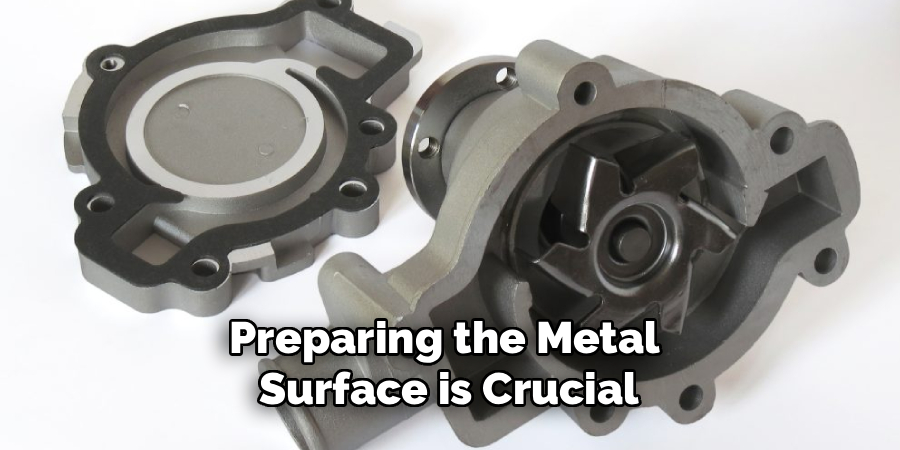
If coolant leaks from the pump mounting surface, the gasket may be damaged, crushed, or corroded. In some cases, replacing the gasket can stop the leak. However, if the pump bearing is noisy, the pulley wobbles, or coolant comes from the weep hole, replace the entire pump.
Let the engine cool, drain the coolant, remove any belts or parts blocking access, and unbolt the pump. Clean the mounting surface carefully before installing the new gasket or pump. Never install a new gasket over old residue. A clean, flat surface is key to preventing another leak after reassembly.
Step 8: Refill, Bleed, And Recheck The Cooling System
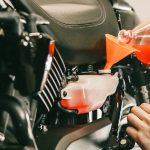
After the repair, refill the cooling system with the correct coolant type and mixture. Some vehicles need a special bleeding process to remove trapped air. Air pockets can cause overheating, poor heater performance, and unstable temperature readings.
Start the engine and let it idle while watching for leaks. Keep an eye on the temperature gauge and check the repair area as the system warms up. After the engine cools again, recheck the coolant level and top it off if needed. Take a short test drive, then inspect the pump, hoses, and ground under the car one more time.
Frequently Asked Questions
Can A Leaking Water Pump Be Repaired Without Replacing It?
Sometimes, but it depends on where the leak is coming from. If the leak is from a loose clamp, worn hose, or bad gasket, you may be able to fix that specific part. If coolant is leaking from the weep hole or the pump bearing is failing, the water pump needs replacement. Internal pump seal failure is not usually repairable.
Is It Safe To Drive With A Water Pump Leak?
Driving with a water pump leak is risky because the engine can overheat once coolant gets too low. A small leak may become worse quickly under pressure and heat. If you must drive, keep the trip short and watch the temperature gauge closely. The safer choice is to repair the leak or have the vehicle towed.
Do Stop-Leak Products Work On Water Pump Leaks?
Stop-leak products may slow very small leaks, but they are not a dependable long-term repair for a failing water pump. They also carry risks because they can clog small passages in the radiator or heater core. If the pump seal or bearing is bad, stop-leak will not fix the real problem. Mechanical repair is usually the better choice.
What Are The Signs Of A Bad Water Pump?
Common signs include coolant leaking near the front of the engine, overheating, whining or grinding noises, pulley wobble, steam from under the hood, or low coolant with no clear hose leak. You may also see crusty coolant deposits around the pump. These symptoms should be checked quickly because water pump failure can lead to major engine damage.
How Much Does It Cost To Fix A Water Pump Leak?
The cost depends on the vehicle and the cause of the leak. Replacing a clamp or hose may be inexpensive, while replacing the water pump can cost much more because of labor. Some pumps are easy to reach, but others sit behind timing belts or engine covers. A proper diagnosis helps avoid paying for unnecessary parts.
Conclusion
A water pump leak should never be ignored. Start by confirming the leak location, checking coolant level, inspecting hoses and clamps, and looking for signs of internal pump failure. Small external issues may be simple to repair, but leaks from the weep hole, noisy bearings, or pulley movement usually mean the pump must be replaced.
Knowing how to stop a car water pump leak helps you act quickly, protect your engine, and choose the right repair. If the job feels too complex or the pump is hard to access, get help from a trusted mechanic before overheating turns a manageable leak into a major repair.

About
Ora Hayes is a distinguished figure in the world of DIY Thecarfixes, with over a decade of expertise in automotive diagnostics and high-performance maintenance. Her professional focus lies in merging mechanical precision with modern digital tools, fostering repair solutions that are both cost-effective and highly reliable. As the author of Thecarfixes, Ora Hayes delves into the art and science of automotive restoration, inspiring car owners and hobbyist mechanics alike.
Education
RMIT University (Melbourne, Australia) Associate Degree in Automotive Engineering — Focus on vehicle dynamics, industry-driven repair protocols, and advanced diagnostics. Gained hands-on experience with traditional mechanical tools and modern ECU remapping software.
Nottingham Trent University (United Kingdom) Bachelor’s in Mechanical Design and Automotive Engineering (Honors) — Specialized in automotive systems with a focus on blending technical engineering with everyday usability. Participated in industry projects, working with leading automotive manufacturers to gain real-world insights into vehicle longevity.
Publications and Impact
In Thecarfixes, Ora Hayes shares her insights on troubleshooting complex engine issues, material durability, and strategies for efficient garage setups. Her writing bridges the gap between professional mechanic knowledge and the home enthusiast’s needs, making it a must-read for both everyday drivers and seasoned gearheads.