Learning how to add brake fluid to bmw x3 is a useful skill for any beginner who wants to handle basic vehicle maintenance with more confidence. Brake fluid helps your BMW X3’s hydraulic braking system transfer force from the brake pedal to the brakes at each wheel. When the level is low, you may notice a brake warning light, softer pedal feel, or reduced confidence while stopping.

This guide explains where to find the brake fluid reservoir, how to check the fluid level mark, what type of DOT brake fluid to use, and how to top it off safely. You will also learn when adding fluid is not enough and when your BMW should be inspected by a professional.
Why Checking And Adding Brake Fluid In A BMW X3 Matters
Brake fluid is one of the most important fluids in your BMW X3 because it supports safe, smooth, and predictable braking. Unlike windshield washer fluid or coolant, brake fluid works under pressure inside a sealed system. If the level drops below the minimum line, the brake pedal may feel soft, the brake warning light may appear, or stopping performance may become less reliable.
A slightly low level can happen as brake pads wear, but a major drop may point to a leak near the master cylinder, brake lines, calipers, or wheel area. That is why checking the reservoir during a maintenance check matters. Adding the correct fluid can help, but finding the cause of low fluid is just as important.
Step-By-Step Guide: How To Add Brake Fluid To Bmw X3
Step 1: Park Safely And Let The BMW X3 Cool
Park your BMW X3 on a flat, stable surface before opening the hood. A level surface helps you read the brake fluid reservoir correctly because the fluid will sit evenly between the minimum line and maximum line. Shift into park, set the parking brake, and turn off the engine.
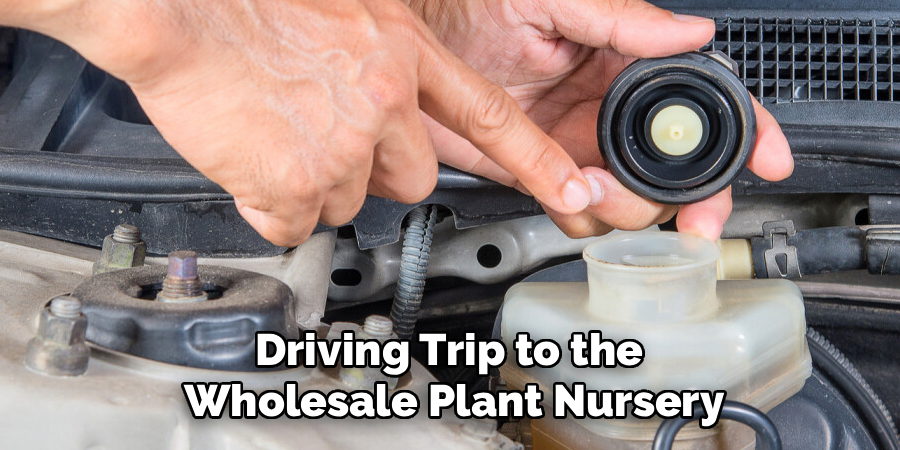
Let the engine bay cool for a few minutes if you have just driven. Brake fluid is usually near the rear of the engine bay, close to the master cylinder, so working around hot parts can be uncomfortable. Good lighting also helps you avoid spills and read the markings clearly.
Step 2: Gather The Correct Brake Fluid And Basic Supplies
Before touching the reservoir cap, gather what you need. Check the owner’s manual or the label on the reservoir cap to confirm the correct DOT brake fluid specification for your BMW X3. Many BMW models use DOT 4 brake fluid, but you should always verify the exact requirement for your model year.
Use a sealed bottle of fresh brake fluid whenever possible. Brake fluid absorbs moisture from the air, so an old opened bottle may not be ideal. You should also have a clean funnel, disposable gloves, paper towels, and a clean cloth ready before you begin.
Step 3: Open The Hood And Locate The Brake Fluid Reservoir
Pull the hood release inside the cabin, then move to the front of the vehicle and release the hood latch. Lift the hood and secure it properly. In most BMW X3 models, the brake fluid reservoir sits near the rear of the engine bay on the driver’s side, mounted above or near the master cylinder.
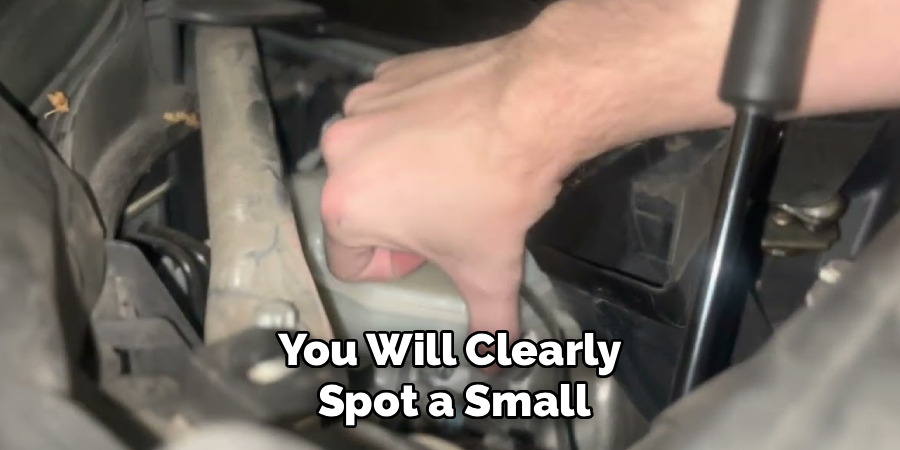
The reservoir is usually made of translucent plastic, which lets you see the fluid level from the outside. Look for a small cap with brake-related markings or a warning symbol. If you are unsure, compare what you see with your owner’s manual before removing anything.
Step 4: Inspect The Fluid Level Before Opening The Cap
Do not open the cap right away. First, check the fluid level through the side of the brake fluid reservoir. You should see a minimum line and maximum line molded into the plastic. The fluid should sit between those marks. If it is close to the minimum line, topping it off may be needed.
Also look at the fluid color. Fresh brake fluid is usually clear to light amber. Very dark, cloudy, or dirty fluid may mean it is old or contaminated. In that case, simply adding more fluid may not solve the real issue, and a brake fluid service may be needed.
Step 5: Clean Around The Reservoir Cap
Before opening the reservoir, clean the area around the cap with a dry, lint-free cloth. This step may seem small, but it is important. Dirt, dust, and grit can fall into the brake fluid reservoir if the cap area is dirty. Contamination inside the hydraulic braking system can affect seals and braking performance over time.
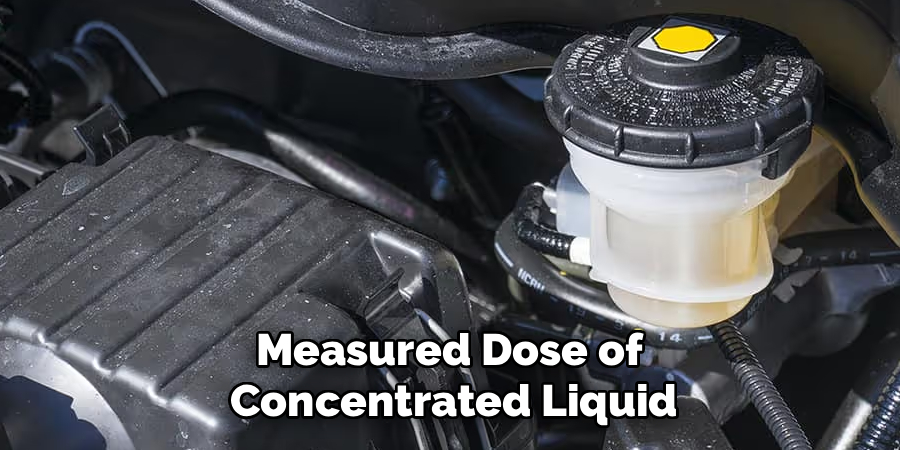
Avoid using water or harsh cleaners near the reservoir opening. Brake fluid must stay clean and dry. If there is heavy dirt around the cap, wipe slowly and carefully until the surface is clean enough to open without debris falling inside.
Step 6: Add Brake Fluid Slowly And Carefully
This is the main step in how to add brake fluid to bmw x3 without making a mess or overfilling the system. Remove the reservoir cap and set it on a clean surface with the inside facing upward. Place a clean funnel into the opening if it fits securely.
Pour the correct DOT brake fluid slowly. Add a small amount at a time, then pause and check the fluid level mark. Your goal is to bring the fluid between the minimum and maximum lines, not above the maximum line. Overfilling can cause problems when the fluid expands during normal braking.
Step 7: Recheck The Level And Tighten The Cap
After adding fluid, remove the funnel carefully and wipe any small drips around the reservoir. Look again at the side of the brake fluid reservoir to confirm the level. It should be safely between the minimum line and maximum line. If it is still low, add a little more and check again.
Once the level is correct, reinstall the cap firmly. Make sure it sits straight and seals properly. A loose cap can allow moisture or contamination into the system. Brake fluid absorbs moisture easily, which can reduce performance and shorten the service interval.
Step 8: Test The Brake Pedal And Watch For Warning Signs
Sit in the driver’s seat and press the brake pedal a few times while the vehicle is still parked. The pedal should feel firm and consistent. If it feels spongy, sinks slowly, or does not feel normal, do not ignore it. That could mean air in the system, old fluid, or a leak that needs professional attention.
Start the vehicle and check whether the brake warning light stays on. If the warning light remains, the fluid level may not be the only issue. Have the BMW inspected before driving far, especially if the reservoir was very low.
Frequently Asked Question
What Type Of Brake Fluid Does A BMW X3 Use?
Most BMW X3 models commonly require DOT 4 brake fluid, but you should always confirm the correct type in the owner’s manual or on the reservoir cap. The wrong fluid can affect braking performance and may damage parts in the hydraulic braking system. Use a fresh, sealed bottle whenever possible because brake fluid absorbs moisture after opening.
Why Is My BMW X3 Brake Fluid Low?
Low brake fluid can happen as brake pads wear because the caliper pistons move farther out, using more fluid in the system. However, a sudden or major drop may mean there is a leak in the brake lines, master cylinder, calipers, or another component. If the level keeps dropping after you top it off, schedule a brake inspection right away.
Can I Drive With The Brake Warning Light On?
You should treat a brake warning light seriously. It may indicate low brake fluid, worn brake pads, a parking brake issue, or another braking system problem. If the pedal feels normal and the fluid is only slightly low, you may be able to move the vehicle carefully. If the pedal feels soft or the light remains on, avoid driving and get help.
What Happens If I Overfill The Brake Fluid Reservoir?
Overfilling the reservoir can cause fluid to spill when it expands from heat or when brake components move. Brake fluid can damage painted surfaces, plastic trim, and nearby parts if it leaks or spills. If you accidentally fill above the maximum line, do not drive aggressively. Have the excess fluid removed carefully with a clean tool or by a technician.
How Often Should BMW X3 Brake Fluid Be Changed?
BMW commonly recommends brake fluid service at regular time intervals because brake fluid absorbs moisture over time. Even if the level looks fine, old fluid can reduce braking performance and increase corrosion inside the system. Many drivers follow a two-year service interval, but your exact schedule may vary by model year, driving conditions, and service history.
Conclusion
Adding brake fluid to a BMW X3 is simple when you work slowly, use the correct DOT brake fluid, and keep the reservoir clean. Start by parking on level ground, locating the brake fluid reservoir, checking the minimum and maximum lines, cleaning the cap area, and adding fluid in small amounts. Always recheck the brake pedal feel and warning lights before driving.
If the fluid was very low or keeps dropping, do not treat topping it off as a complete repair. A leak or worn brake component may need attention. With this guide, you can approach how to add brake fluid to bmw x3 with more confidence and better safety awareness.

About
Ora Hayes is a distinguished figure in the world of DIY Thecarfixes, with over a decade of expertise in automotive diagnostics and high-performance maintenance. Her professional focus lies in merging mechanical precision with modern digital tools, fostering repair solutions that are both cost-effective and highly reliable. As the author of Thecarfixes, Ora Hayes delves into the art and science of automotive restoration, inspiring car owners and hobbyist mechanics alike.
Education
RMIT University (Melbourne, Australia) Associate Degree in Automotive Engineering — Focus on vehicle dynamics, industry-driven repair protocols, and advanced diagnostics. Gained hands-on experience with traditional mechanical tools and modern ECU remapping software.
Nottingham Trent University (United Kingdom) Bachelor’s in Mechanical Design and Automotive Engineering (Honors) — Specialized in automotive systems with a focus on blending technical engineering with everyday usability. Participated in industry projects, working with leading automotive manufacturers to gain real-world insights into vehicle longevity.
Publications and Impact
In Thecarfixes, Ora Hayes shares her insights on troubleshooting complex engine issues, material durability, and strategies for efficient garage setups. Her writing bridges the gap between professional mechanic knowledge and the home enthusiast’s needs, making it a must-read for both everyday drivers and seasoned gearheads.