Learning how to shift gears on a manual car feels intimidating at first, but it’s a skill anyone can master with the right guidance. Manual driving gives you more control, better fuel efficiency, and a more connected experience behind the wheel.
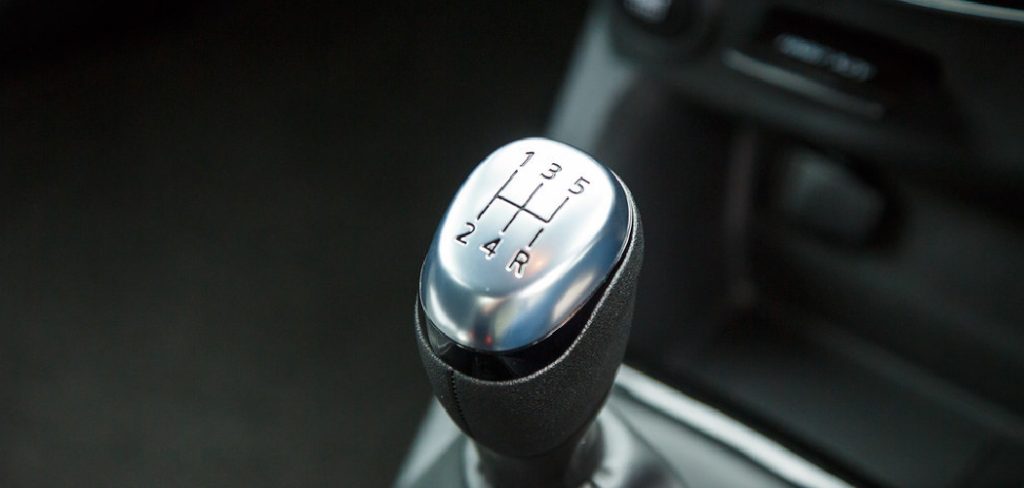
Many new drivers stall a few times before finding their rhythm — and that’s completely normal. The clutch, accelerator, and gear stick all work together, and once that coordination clicks, it becomes second nature.This guide breaks the entire process into clear, manageable steps so you can learn with confidence from day one.
Learning to drive a manual car might seem daunting at first, but with patience and practice, it becomes an enjoyable challenge. Each step builds on the last, helping you understand not just how to control the vehicle, but also how it responds. By focusing on the basics and progressing steadily, you’ll gain the confidence needed to handle various driving situations with ease.
Why Learning Manual Gear Shifting Matters
Driving a manual car is a practical skill that opens more doors than most people expect. Many vehicles worldwide — especially in Europe and Asia — are manual by default, so knowing how gives you far more flexibility when renting or borrowing a car abroad.
Manual transmissions also tend to be cheaper to buy and repair than automatics. Drivers often report better fuel economy and a stronger sense of control, particularly on winding roads or in hilly terrain.
Beyond the practical side, there’s a real satisfaction in mastering the technique. It sharpens your focus, deepens your understanding of how a car works, and makes you a more capable, well-rounded driver overall.
Step-by-Step Guide To Manual Gear Shifting
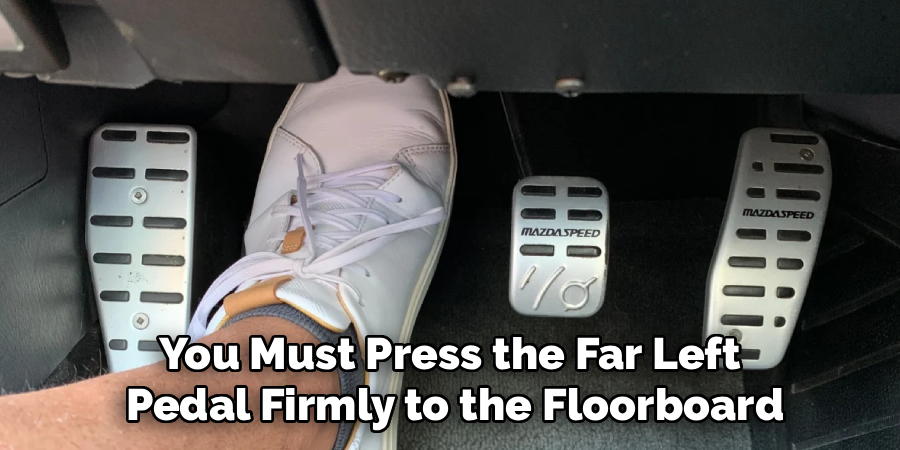
Before you start the engine, take a moment to get familiar with your car’s layout. Every manual vehicle has three pedals — clutch on the left, brake in the middle, accelerator on the right — and a gear stick between the seats. Understanding how to shift gears on a manual car begins long before you pull onto a road, so start in a quiet parking lot with plenty of space.
Step 1: Learn The Pedals
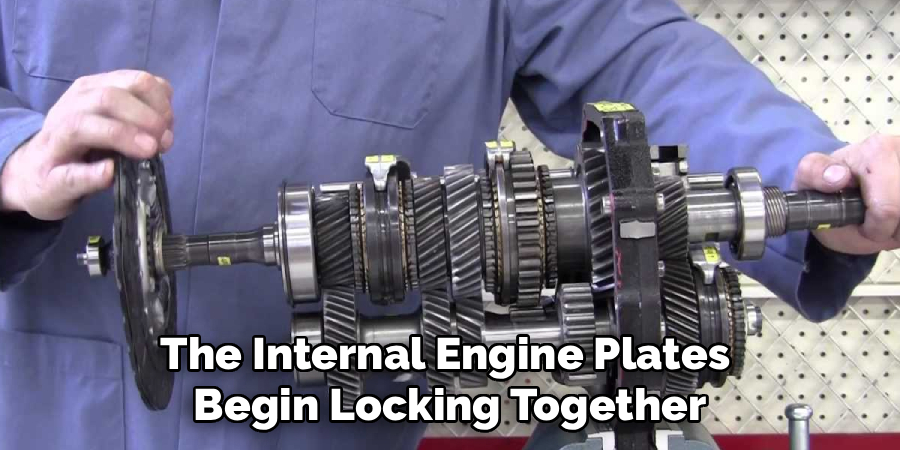
The clutch pedal is your most important new tool. It temporarily disconnects the engine from the wheels, which lets you change gears without damaging the transmission. Press it all the way down with your left foot and hold it there. Get comfortable with how far it travels.
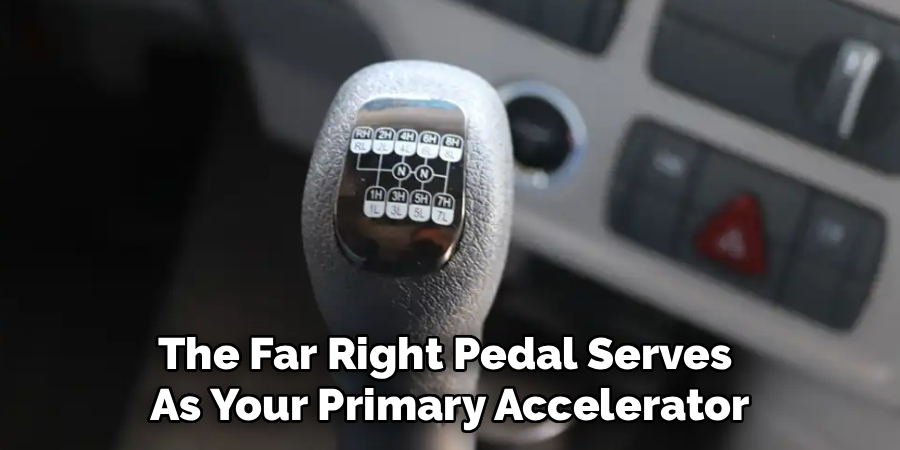
Practice pressing and releasing it slowly while the car is still off. The goal is building muscle memory so your foot responds smoothly without conscious thought during actual driving.
Step 2: Start The Engine Safely
Before starting the engine, always press the clutch pedal fully to the floor and put the gear stick in neutral. Neutral is the position where the stick moves freely side to side without resistance. This prevents the car from lurching forward when you turn the key.
Once the engine is running, keep your foot on the clutch and brake. Take a breath. There’s no rush — getting comfortable at this stage before moving the car makes everything that follows much easier.
Step 3: Find The Bite Point
The bite point is the moment when the clutch begins to engage and you feel the car start to creep forward. To find it, press the clutch all the way down, shift into first gear, and slowly release the clutch until you feel a slight vibration or the engine note drops just a little.
Hold it right there. That’s the bite point. Practice finding it repeatedly until you can locate it consistently without stalling. This step alone solves most beginner frustration.
Step 4: Move Off From A Stop
With your foot on the brake and the clutch pressed down, shift into first gear. Gently press the accelerator until the engine reaches around 1,500 RPM — you’ll hear a slight increase in engine sound. Slowly release the clutch to the bite point while easing off the brake.
The car will begin to move. Continue releasing the clutch gradually until it’s fully out, then apply steady pressure on the accelerator. If the engine stalls, that’s fine — just restart and try again with a smoother clutch release.
Step 5: Shift Up Through The Gears
As your speed increases, you’ll need to move up through the gears to avoid over-revving the engine. A rough guide: shift to second around 10–15 mph, third around 20–25 mph, and so on. Your car’s RPM gauge is a better reference — aim to shift before the needle reaches 3,000 RPM under normal driving.

To shift up, press the clutch in fully, move the gear stick to the next gear, and release the clutch smoothly while maintaining light pressure on the accelerator. The transition should feel seamless.
Step 6: Downshift When Slowing Down
Downshifting matches your gear to your speed when you’re slowing down or need more power, such as when overtaking or climbing a hill. As you decelerate, shift down one gear at a time — don’t skip from fifth to second, as that can jolt the car and wear the transmission.
Press the clutch, select the lower gear, and release the clutch gently. A technique called heel-and-toe allows advanced drivers to blip the throttle while braking, but beginners should focus on smooth, sequential downshifts first. Knowing how to shift gears on a manual car in both directions gives you full command of the vehicle.
Step 7: Come To A Complete Stop
To stop the car smoothly, press the clutch in before the engine begins to struggle, then apply the brakes gradually. As you come to a halt, shift the gear stick back to neutral and release the clutch. Apply the handbrake if you’re stopping on a hill or for more than a moment.
Avoid “riding” the clutch — keeping it partially pressed while driving — as this causes premature wear. Full clutch in, or clutch fully out. There’s no in-between during normal driving.
Frequently Asked Questions
How Long Does It Take To Learn Manual Driving?
Most people feel comfortable with basic gear changes within two to five hours of practice. Becoming truly confident — handling hills, traffic, and highway speeds smoothly — usually takes a few weeks of regular driving. The key is consistent practice in low-pressure environments before moving to busier roads. Everyone’s timeline is different, so don’t compare yourself to others.
Why Does My Car Keep Stalling?
Stalling almost always happens because the clutch was released too quickly before the engine had enough revs to sustain movement. It’s one of the most common early mistakes and nothing to worry about. To fix it, hold the accelerator slightly higher before releasing the clutch, and practice releasing the clutch more slowly. With repetition, your timing will improve naturally.
Is It Bad To Rest My Hand On The Gear Stick?
Yes, it’s a habit worth breaking early. The gear stick connects directly to the selector forks inside the gearbox, and resting your hand on it applies constant low pressure to those components. Over time, this causes wear. Keep both hands on the wheel during normal driving and only touch the gear stick when you’re actively changing gears.
What Is Engine Braking And Should I Use It?
Engine braking happens when you downshift and let the engine slow the car rather than relying only on the foot brake. It’s a useful technique on long descents because it reduces heat buildup in the brake pads. For everyday city driving, it’s not essential, but learning to use it correctly improves your overall control and helps your brakes last longer.
Can I Skip Gears When Shifting Up?
Yes, skipping gears upward — going from second to fourth, for example — is generally fine and is sometimes done by experienced drivers to save time. However, beginners should work through each gear sequentially to develop proper timing and feel. Once you understand how each gear responds to your speed and engine load, you can experiment with skipping. Skipping gears when downshifting is not recommended as it puts more strain on the drivetrain.
Conclusion
Mastering a manual transmission takes patience, but the reward is well worth it. You’ll gain a deeper connection to your vehicle, better fuel control, and a transferable skill that serves you in almost any driving situation around the world.
The core lessons here are straightforward: get comfortable with the clutch, find the bite point, shift smoothly through the gears, and practice until it feels natural. Don’t be discouraged by early stalls — they’re part of the process.
Take it one step at a time. Find a quiet parking lot, run through these steps, and build from there. Once you commit to learning how to shift gears on a manual car, the whole experience of driving opens up in a way that automatic transmission simply can’t match

About
Ora Hayes is a distinguished figure in the world of DIY Thecarfixes, with over a decade of expertise in automotive diagnostics and high-performance maintenance. Her professional focus lies in merging mechanical precision with modern digital tools, fostering repair solutions that are both cost-effective and highly reliable. As the author of Thecarfixes, Ora Hayes delves into the art and science of automotive restoration, inspiring car owners and hobbyist mechanics alike.
Education
RMIT University (Melbourne, Australia) Associate Degree in Automotive Engineering — Focus on vehicle dynamics, industry-driven repair protocols, and advanced diagnostics. Gained hands-on experience with traditional mechanical tools and modern ECU remapping software.
Nottingham Trent University (United Kingdom) Bachelor’s in Mechanical Design and Automotive Engineering (Honors) — Specialized in automotive systems with a focus on blending technical engineering with everyday usability. Participated in industry projects, working with leading automotive manufacturers to gain real-world insights into vehicle longevity.
Publications and Impact
In Thecarfixes, Ora Hayes shares her insights on troubleshooting complex engine issues, material durability, and strategies for efficient garage setups. Her writing bridges the gap between professional mechanic knowledge and the home enthusiast’s needs, making it a must-read for both everyday drivers and seasoned gearheads.