Your tires are the only part of your vehicle that touches the road, so their condition affects almost every drive you take. Worn, damaged, or aging tires can reduce traction, increase braking distance, and make wet roads more dangerous. The good news is that you do not need to be a mechanic to spot many warning signs.
This beginner-friendly guide explains how to tell if you need new tires using simple checks you can do at home. You will learn how to inspect tread depth, sidewall cracks, tire pressure, uneven wear, vibration, and age of tires. By the end, you will know when a tire looks safe, when it needs service, and when replacement is the smarter choice.
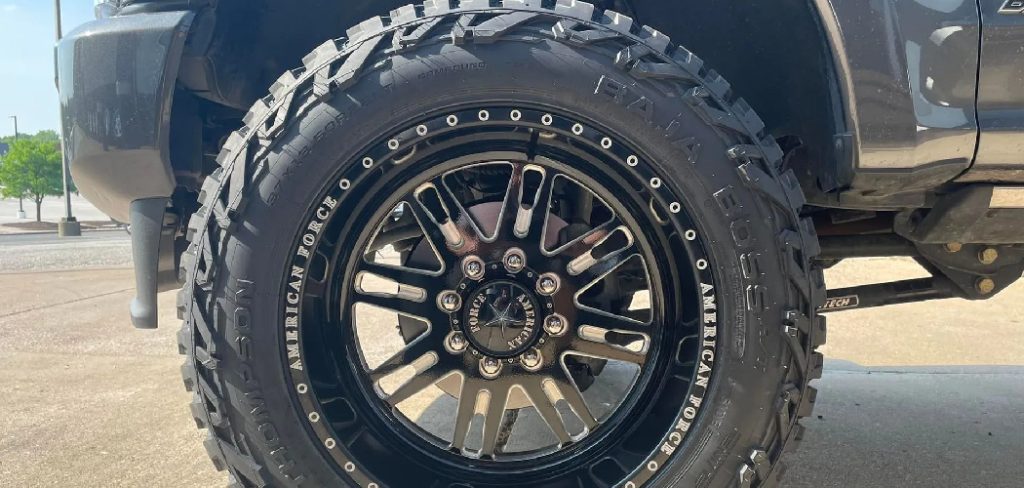
Why Tire Condition Matters
Good tires help your car grip the road, stop safely, and handle turns with control. When tread wears down, water cannot move away from the tire as well. That can lead to poor traction, longer stopping distance, and a higher risk of sliding on wet roads.
Tire condition also affects comfort and fuel efficiency. Low tire pressure, poor alignment, or uneven wear can make your vehicle pull to one side, shake at higher speeds, or use more fuel than normal. Small issues can also become expensive if ignored.
Checking your tires regularly helps you catch problems early. A quick inspection can protect your vehicle, your wallet, and everyone riding with you.
Step-By-Step Guide To How To Tell If You Need New Tires
Step 1: Check Tread Depth
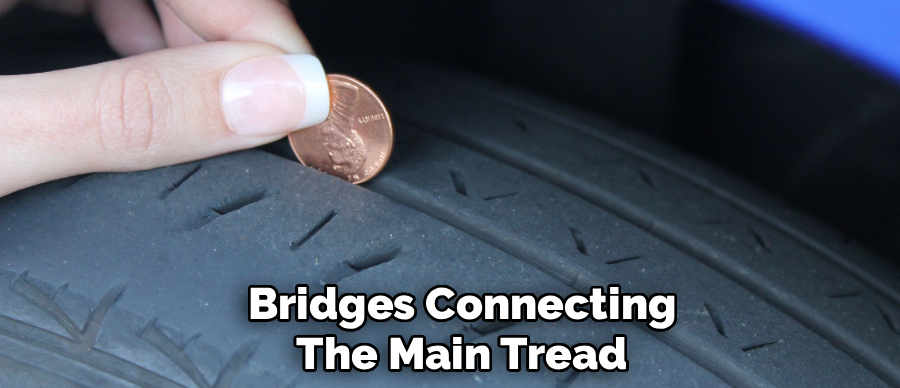
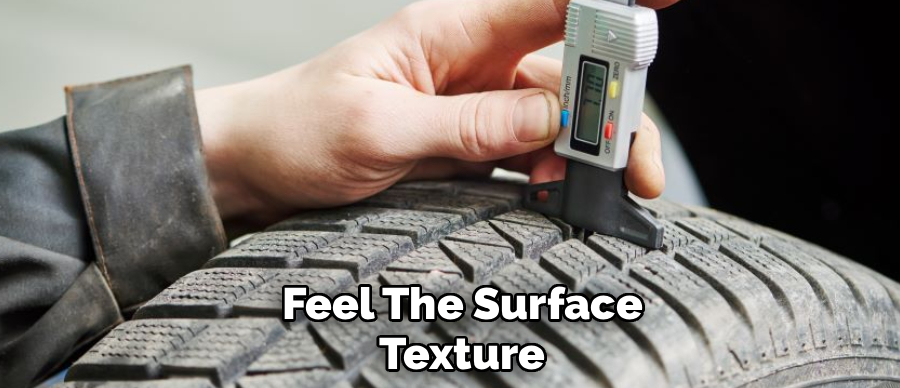
Start with tread depth because it is one of the clearest signs of tire health. Tread grooves help move water away from the tire so the rubber can grip the road. When those grooves become too shallow, your car may struggle to stop quickly, especially in rain. A simple penny test can help beginners. Place a penny into the tread with Lincoln’s head facing down. If you can see the top of his head, the tread is likely too worn. For a more accurate reading, use a tire gauge designed to measure tread depth.
Step 2: Look For Uneven Wear Across The Tire
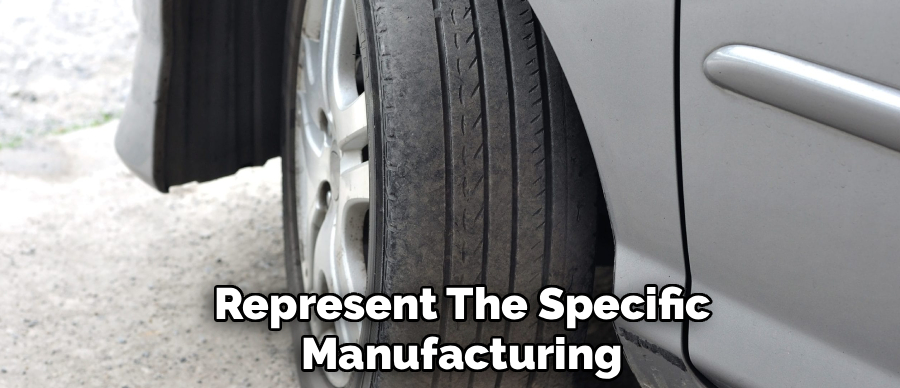
Uneven wear means one part of the tire is wearing faster than another. This can happen because of poor alignment, skipped rotation, bad suspension parts, or incorrect tire pressure. Look across the full width of each tire, not just the outside edge you can easily see. If the center is worn more than the sides, the tire may have been overinflated. If both outer edges are worn, it may have been underinflated. If one side is much smoother than the other, alignment may be the problem. Uneven wear often means the tire needs attention soon.
Step 3: Inspect The Sidewalls For Cracks And Bulges
The sidewall is the smooth outer area between the tread and the wheel. It should look solid, even, and free from major damage. Small surface marks can happen with normal use, but deep sidewall cracks, bubbles, cuts, or bulges are warning signs. Cracks may point to dry rot, age, sun exposure, or weather damage. A bulge can mean the inner structure of the tire has weakened, which may lead to a blowout. Do not ignore sidewall damage, even if the tread still looks acceptable. A damaged sidewall is often a safety issue.
Step 4: Monitor Tire Pressure Regularly
Tire pressure affects tread life, traction, fuel use, and handling. A tire that is low on air can overheat and wear along the outer edges. A tire with too much air can wear quickly in the center and feel harsh on rough roads. Check pressure when the tires are cold, meaning the vehicle has been parked for several hours. Use a reliable tire gauge and compare the reading with the pressure listed on the driver’s door sticker, not the number printed on the tire sidewall. If one tire keeps losing air, it may have a leak.
Step 5: Pay Attention To Traction On Wet Roads
Wet-road performance can tell you a lot about tire condition. If your car slips during normal acceleration, takes longer to stop, or feels less stable in rain, the tread may no longer be channeling water well. This can increase the chance of hydroplaning, where the tire rides on water instead of gripping pavement. You may notice this most when driving through puddles or during sudden braking. Even if the tires look fine from a distance, poor traction is a practical warning sign. Trust what you feel while driving, especially in bad weather.
Step 6: Notice Vibration, Noise, Or Pulling
A smooth ride should feel steady and controlled. If your steering wheel shakes, your seat vibrates, or your car pulls to one side, your tires may be worn unevenly, out of balance, or affected by alignment issues. Some road noise is normal, but a new humming, thumping, or chopping sound can point to tire wear problems. These symptoms do not always mean replacement is needed right away, but they should not be ignored. A tire shop can check balance, rotation needs, and alignment. Catching the cause early may prevent faster wear.
Step 7: Check The Age Of Tires
Tires age even when they still have tread. Heat, sunlight, road chemicals, and time can weaken rubber. Many drivers focus only on tread depth, but the age of tires matters too. Look for the DOT code on the sidewall. The last four digits usually show the week and year the tire was made. For example, a code ending in 3421 means the tire was made in the 34th week of 2021. If your tires are several years old, inspect them more often for dry rot, stiffness, cracks, or poor grip. Age can make replacement necessary.
Step 8: Compare Your Tires With A Replacement Schedule
A replacement schedule gives you a practical way to plan ahead instead of waiting for a problem. Most tires have an expected mileage range, but real life can shorten it. City driving, heavy loads, hot weather, rough roads, and missed rotation can all speed up wear. Check your owner’s manual, tire warranty, and service records to estimate how long your current set should last. If your tread is low, the sidewalls look damaged, the ride feels rough, or the tires are old, schedule a professional inspection. A timely replacement can prevent unsafe driving conditions.
Frequently Asked Question
How Often Should I Check My Tires?
You should check your tires at least once a month and before long trips. Look at tread depth, tire pressure, sidewall condition, and signs of uneven wear. Monthly checks help you catch slow leaks, alignment problems, and damage before they become serious. It is also smart to inspect tires after hitting a pothole, curb, or road debris, even if the car still feels normal.
Is The Penny Test Reliable For Tire Tread?
The penny test is a helpful beginner check, but it is not the most precise method. It can show when tread is very low, yet a tread depth gauge gives a clearer measurement. Many safety experts recommend replacing tires before they reach the legal minimum, especially if you drive often in rain. If the penny test looks questionable, get a professional inspection.
Can I Replace Only One Tire?
Sometimes you can replace one tire, but it depends on the vehicle, tread depth, tire type, and drivetrain. On some all-wheel-drive vehicles, mismatched tread can stress drivetrain parts. If the other tires are fairly new, one matching replacement may be fine. If they are worn, replacing two or four may be safer. Always match size, speed rating, and load rating.
What Causes Tires To Wear Out Too Fast?
Fast tire wear often comes from low tire pressure, poor alignment, lack of rotation, hard braking, aggressive cornering, or worn suspension parts. Road conditions and climate also matter. If a new tire wears out much sooner than expected, do not just replace it and move on. Have the vehicle checked so the same problem does not damage the next set.
Are Old Tires Dangerous If They Still Have Tread?
Yes, old tires can be risky even if the tread looks deep. Rubber hardens and weakens over time, which can reduce traction and increase the chance of cracks or failure. This is more common in hot climates or vehicles parked outdoors. If the tires are older, inspect them for dry rot and ask a tire professional whether replacement is needed.
Conclusion
Tire safety does not have to feel confusing. Start with simple checks: measure tread depth, inspect sidewall cracks, watch for uneven wear, monitor tire pressure, notice wet-road traction, and pay attention to vibration or pulling. Also remember that tire age matters, even when the tread still looks usable.
Once you understand these warning signs, you can make better decisions before a small issue turns into a dangerous one. Take a few minutes this week to inspect all four tires, including the inner edges if you can see them. Now that you know how to tell if you need new tires, you can drive with more confidence and replace them at the right time.

About
Ora Hayes is a distinguished figure in the world of DIY Thecarfixes, with over a decade of expertise in automotive diagnostics and high-performance maintenance. Her professional focus lies in merging mechanical precision with modern digital tools, fostering repair solutions that are both cost-effective and highly reliable. As the author of Thecarfixes, Ora Hayes delves into the art and science of automotive restoration, inspiring car owners and hobbyist mechanics alike.
Education
RMIT University (Melbourne, Australia) Associate Degree in Automotive Engineering — Focus on vehicle dynamics, industry-driven repair protocols, and advanced diagnostics. Gained hands-on experience with traditional mechanical tools and modern ECU remapping software.
Nottingham Trent University (United Kingdom) Bachelor’s in Mechanical Design and Automotive Engineering (Honors) — Specialized in automotive systems with a focus on blending technical engineering with everyday usability. Participated in industry projects, working with leading automotive manufacturers to gain real-world insights into vehicle longevity.
Publications and Impact
In Thecarfixes, Ora Hayes shares her insights on troubleshooting complex engine issues, material durability, and strategies for efficient garage setups. Her writing bridges the gap between professional mechanic knowledge and the home enthusiast’s needs, making it a must-read for both everyday drivers and seasoned gearheads.