A cracked bumper can make your car look neglected, but the problem is not always as serious as it seems. Many small cracks in plastic bumpers can be repaired at home with patience, the right materials, and careful prep work. If you are searching for how to fix cracked bumper, this guide explains the process in clear, practical steps.
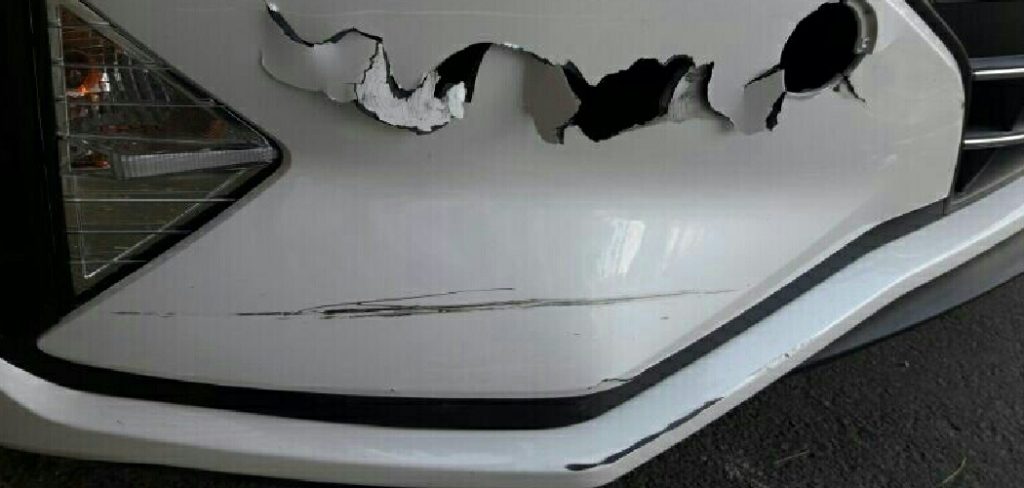
You will learn how to inspect the damage, choose the right repair supplies, reinforce weak areas, smooth the surface, and finish the repair with primer and paint. You will also learn when a do-it-yourself repair makes sense and when replacement is the safer choice.
Repairing a cracked bumper at home can save you both time and money, while giving you a sense of accomplishment. Although the process may seem intimidating at first, it is entirely manageable with the right tools and guidance. By taking the proper steps to address the damage, you can restore your bumper’s appearance and functionality without the need for expensive professional services. This guide breaks down the entire process into simple, easy-to-follow instructions to ensure a successful repair.
Why Fixing A Cracked Bumper Matters
A bumper is more than a cosmetic part. It helps protect the front or rear of your vehicle from light impacts and supports other parts such as trim, sensors, brackets, and lights. A crack can spread over time, especially if the bumper flexes during driving or parking.
Fixing the damage early can prevent moisture, dirt, and road vibration from making the crack worse. It can also improve resale value and help your car look well cared for.
A home repair is best for minor cracks, small splits, and surface damage. Deep breaks, missing sections, loose mounting points, or damaged sensors may need professional attention.
Step-By-Step Guide To How to Fix Cracked Bumper
Step 1: Inspect The Damage Carefully
Start by looking at the bumper in bright light. Check the length of the crack, how wide it is, and whether the plastic around it feels loose or flexible. Look for missing pieces, broken tabs, gaps near the body panels, or damage around parking sensors and lights.
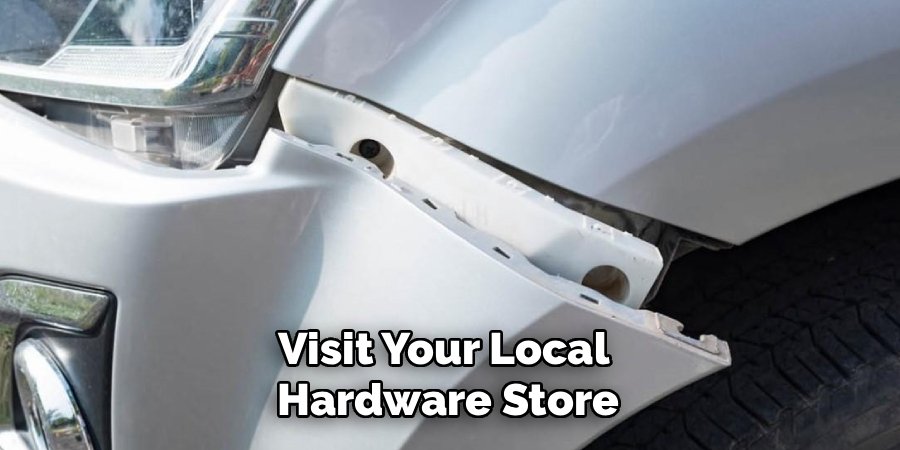
Press gently around the cracked area. If the bumper shifts too much or the crack opens wider, the damage may need reinforcement from the back side. If the bumper is badly torn or no longer lines up with the car, replacement may be a better option than repair.
Step 2: Identify The Bumper Material
Most modern bumpers are made from flexible plastic, but not all plastics respond the same way to repair products. Look on the back side of the bumper for a material code such as PP, TPO, PUR, ABS, or PPO. This code is often molded into the plastic.
Polypropylene and TPO are common and may require repair adhesive made for flexible automotive plastics. Some fillers do not stick well unless the surface is cleaned, sanded, and treated correctly. Choosing the right product matters because the bumper flexes with heat, vibration, and road movement.
Step 3: Gather The Right Tools And Supplies
Before starting, collect everything you need so the repair goes smoothly. You will likely need soap, water, wax and grease remover, masking tape, sandpaper in several grits, plastic repair adhesive or flexible filler, a spreader, primer, paint, and clear coat.
You may also need a drill with a small bit, a plastic welding mesh, backing tape, or reinforcement cloth for cracks that go through the bumper. Wear gloves, eye protection, and a dust mask when sanding or spraying. Work in a well-ventilated area away from sparks, flames, and heavy dust.
Step 4: Clean And Prepare The Area
Wash the bumper with soap and water to remove dirt, road film, and loose debris. Dry it fully before applying any repair product. After that, use wax and grease remover on the cracked section and the surrounding area. This helps remove polish, silicone, oil, and other residue that can weaken adhesion.
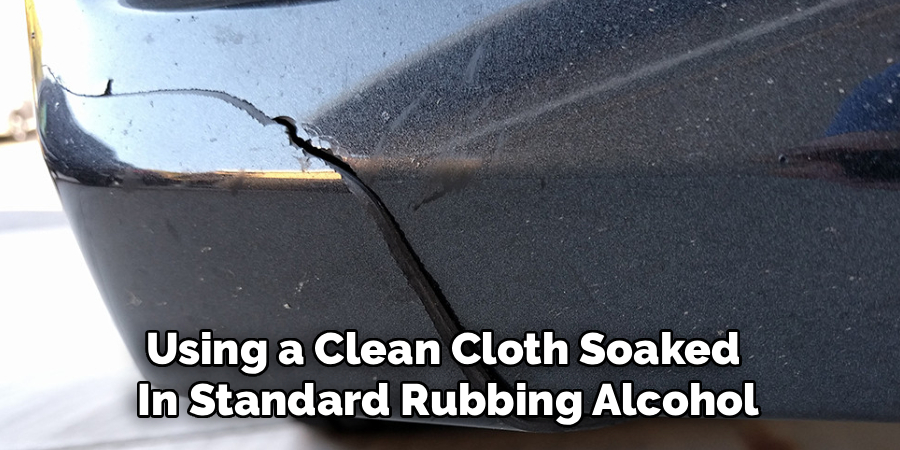
If you want to understand how to fix cracked bumper damage properly, prep work is one of the most important parts. Adhesive and filler need a clean surface to bond well. Rushing this step often leads to peeling, cracking, or a repair that fails after a few weeks.
Step 5: Sand The Damaged Section
Sand around the crack to remove paint, roughen the plastic, and create a surface the repair material can grip. Start with a medium grit, such as 180 or 220, and feather the edges around the damaged area. Do not sand too aggressively in one spot, because heat and pressure can distort the plastic.
For a crack that goes through the bumper, sand both the front and back if you can reach them. Slightly widen the surface of the crack into a shallow V shape. This gives the adhesive or filler more area to hold.
Step 6: Apply Adhesive Or Flexible Filler
Use a plastic repair adhesive or flexible bumper filler that matches your bumper material and the depth of the crack. Follow the product instructions for mixing, working time, and curing time. Apply the material into the crack and spread it slightly beyond the damaged area so you have enough material to shape later.
For small surface cracks, filler may be enough. For cracks that go through the bumper, adhesive usually works better because it bonds the plastic together. Avoid applying a thick blob all at once. Thin, controlled layers are easier to shape and less likely to shrink or crack.
Step 7: Reinforce The Back Side If Needed
If the crack passes through the bumper, repair the back side before focusing on the visible surface. Clean and sand the rear of the damaged area, then apply plastic repair adhesive with reinforcement mesh or backing material. This adds strength and helps stop the crack from reopening.
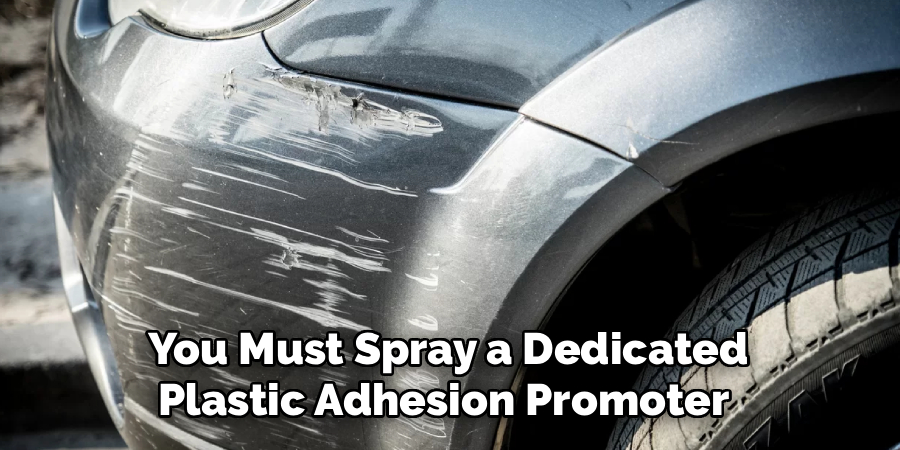
This step is especially important when learning how to fix cracked bumper issues on corners or lower bumper edges, where the plastic flexes more. Let the reinforcement cure fully before sanding the front. If the back side is impossible to reach without removing the bumper, decide whether removal is worth the extra time.
Step 8: Smooth, Prime, And Paint The Repair
Once the repair material cures, sand it until the surface feels even with the surrounding bumper. Start with a medium grit and move to finer grits for a smooth finish. Use light pressure and check your progress often. The goal is to blend the repair, not remove too much material.
Apply a suitable plastic primer or adhesion promoter if the product calls for it. Then spray primer, color coat, and clear coat in light, even layers. Let each coat flash or dry as directed. A perfect color match can be difficult at home, but careful blending can make a minor repair look clean and professional.
Frequently Asked Questions
Can I Repair A Cracked Bumper Without Removing It?
Yes, you can repair many small cracks without removing the bumper, especially if the damage is only on the surface. However, cracks that go through the plastic often need back-side reinforcement. If you cannot reach the back side, the repair may be weaker. Removing the bumper takes more time, but it can give you better access and a longer-lasting result.
What Is The Best Product For A Plastic Bumper Crack?
The best product depends on the bumper material and the type of damage. Flexible plastic repair adhesive is usually best for cracks that go through the bumper because it bonds the plastic. Flexible glazing putty or bumper filler can help smooth shallow surface damage. Always choose products made for automotive plastic, not general household filler.
Will A Diy Bumper Repair Look Perfect?
A careful do-it-yourself repair can look very good, especially on small cracks and lower bumper areas. Still, matching paint perfectly can be hard because older paint fades from sun exposure. The final result depends on sanding, prep, product quality, and spray technique. If the damaged area is large or highly visible, a body shop may produce a cleaner finish.
When Should I Replace The Bumper Instead Of Repairing It?
Replacement is often better when the bumper has missing sections, severe distortion, broken mounting tabs, deep tears, or damage near safety sensors. You should also consider replacement if the crack keeps spreading or the bumper no longer lines up with the car. A repair should restore appearance and stability, not hide damage that affects fit or safety.

How Long Does A Bumper Crack Repair Take?
A minor repair can take several hours of hands-on work, but drying and curing time may stretch the project over a full day or weekend. Adhesive, filler, primer, paint, and clear coat all need proper time to set. Rushing the process can cause weak bonding, rough texture, or peeling paint. Plan more time than you think you need.
Conclusion
A cracked bumper does not always mean you need an expensive replacement. With careful inspection, proper cleaning, the right flexible repair products, and patient sanding, many small cracks can be fixed at home. The most important steps are choosing materials that match the bumper, reinforcing deeper cracks, and giving each layer enough time to cure.
Now that you know how to fix cracked bumper damage, start by checking whether your crack is minor enough for a home repair. If the bumper is loose, badly torn, or tied to sensor damage, get a professional opinion before you begin. Which step are you planning to tackle first?

About
Ora Hayes is a distinguished figure in the world of DIY Thecarfixes, with over a decade of expertise in automotive diagnostics and high-performance maintenance. Her professional focus lies in merging mechanical precision with modern digital tools, fostering repair solutions that are both cost-effective and highly reliable. As the author of Thecarfixes, Ora Hayes delves into the art and science of automotive restoration, inspiring car owners and hobbyist mechanics alike.
Education
RMIT University (Melbourne, Australia) Associate Degree in Automotive Engineering — Focus on vehicle dynamics, industry-driven repair protocols, and advanced diagnostics. Gained hands-on experience with traditional mechanical tools and modern ECU remapping software.
Nottingham Trent University (United Kingdom) Bachelor’s in Mechanical Design and Automotive Engineering (Honors) — Specialized in automotive systems with a focus on blending technical engineering with everyday usability. Participated in industry projects, working with leading automotive manufacturers to gain real-world insights into vehicle longevity.
Publications and Impact
In Thecarfixes, Ora Hayes shares her insights on troubleshooting complex engine issues, material durability, and strategies for efficient garage setups. Her writing bridges the gap between professional mechanic knowledge and the home enthusiast’s needs, making it a must-read for both everyday drivers and seasoned gearheads.