A small scratch can make an otherwise clean car look neglected, but not every mark needs a body shop visit. Many light scratches sit only in the clear coat, which means careful polishing can reduce or remove them at home. Learning how to polish scratch out of car helps you protect your paint, improve appearance, and avoid making the damage worse. This guide explains how to inspect the scratch, choose the right compound, polish safely by hand or machine, and finish with protection. You will also learn when a scratch is too deep for polishing and needs professional repair.
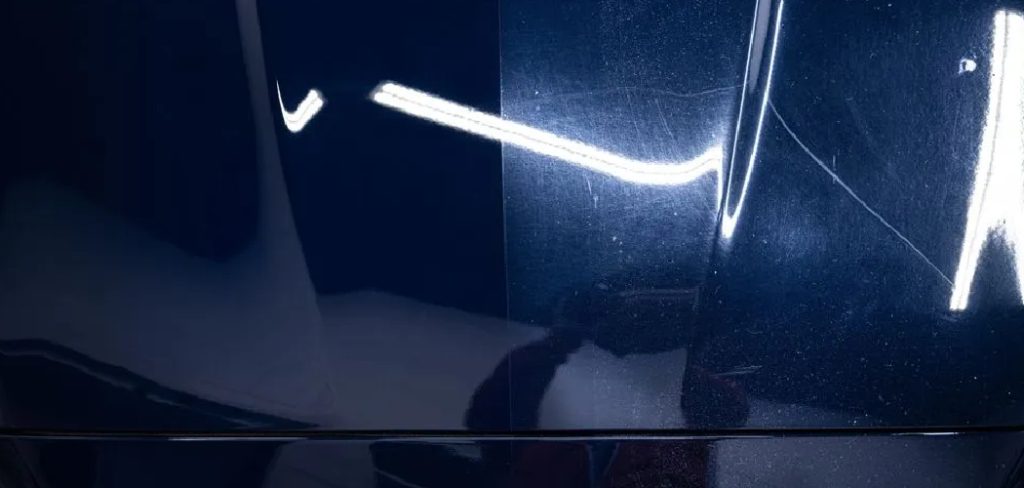
Polishing scratches out of your car may seem daunting at first, but with the right tools and techniques, it’s a process that anyone can master. By taking the time to address light scratches properly, you not only restore the shine and smoothness of your car’s surface but also help maintain its value over time.
Why Scratch Polishing Matters
Scratch polishing matters because your car’s paint is more than decoration. It helps protect metal and body panels from moisture, sun damage, and corrosion. When a scratch cuts into the paint system, dirt and water can collect in the damaged area.
Polishing can restore gloss, reduce visible marks, and help maintain resale value. It also prevents small cosmetic issues from becoming larger problems when handled early.
The key is knowing the limit. Polishing works best on light clear coat scratches, swirl marks, and surface scuffs. It will not fully fix scratches that reach primer, bare metal, or plastic. Understanding this difference saves time, money, and frustration.
Step-By-Step Guide To How to Polish Scratch Out of Car
Step 1: Inspect The Scratch Carefully
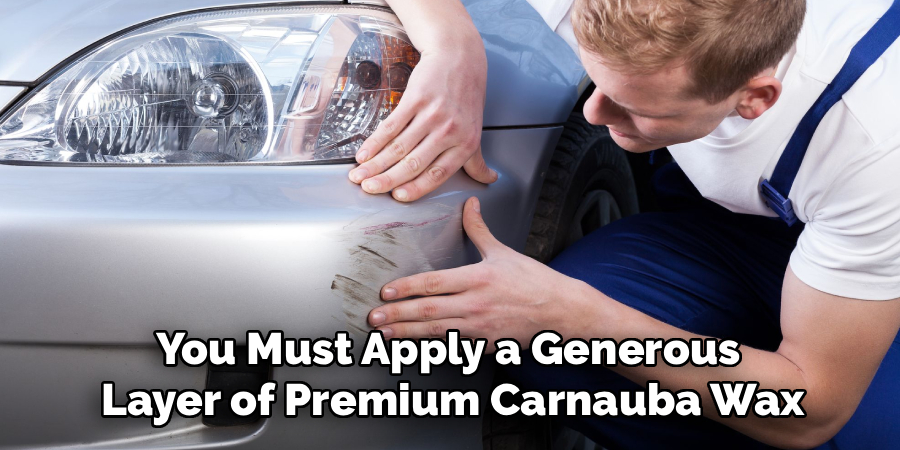
Start by looking at the scratch in bright, natural light. Move around the panel and view it from different angles. Some marks look worse indoors because shadows exaggerate the damage, while others become easier to see in sunlight.

Run a clean fingernail gently across the scratch. If your nail does not catch, the damage is likely in the clear coat and may respond well to polishing. If your nail catches sharply, the scratch may be deeper than polishing can repair.
Do not rush this step. Proper inspection helps you choose the safest repair method before touching the paint.
Step 2: Identify Clear Coat Or Deeper Damage
Most modern cars have several paint layers: clear coat, color coat, primer, and the surface underneath. Polishing removes a tiny amount of clear coat to level the damaged area. That is why it works only when the scratch has not gone too deep.
A white or gray line may suggest the scratch has reached primer. A dark line on a light car may also point to deeper damage. If you see bare metal, rust, or exposed plastic, polishing alone will not solve the problem.
This is the first major decision point in how to polish scratch out of car without causing extra damage.
Step 3: Wash And Dry The Area
Clean paint is essential before polishing. Dirt, sand, and road grime can create new scratches if you rub them into the surface. Wash the scratched panel with car shampoo and clean water, then rinse it well.
Dry the area with a soft microfiber towel. Avoid old bath towels, paper towels, or rough cloths because they can add swirl marks. If the panel still feels gritty after washing, use an automotive clay bar or clay mitt with proper lubricant.
A clean surface gives the polish a better chance to work evenly and safely.
Step 4: Choose The Right Polishing Compound
Pick a product that matches the severity of the scratch. For light marks, a finishing polish or scratch remover may be enough. For more visible clear coat scratches, a mild polishing compound can cut faster while still being safe for beginners.
Avoid aggressive rubbing compounds unless you understand paint correction. Strong products remove more clear coat and can leave haze if used incorrectly. When in doubt, start with the least aggressive option.
Read the label before use. Some products are made for hand polishing, while others work best with a dual-action polisher.
Step 5: Test A Small Spot First
Before polishing the whole scratch, test the product on a small part of the affected area. Apply a pea-sized amount of polish to a clean microfiber applicator or pad. Work it gently into the paint using light to moderate pressure.
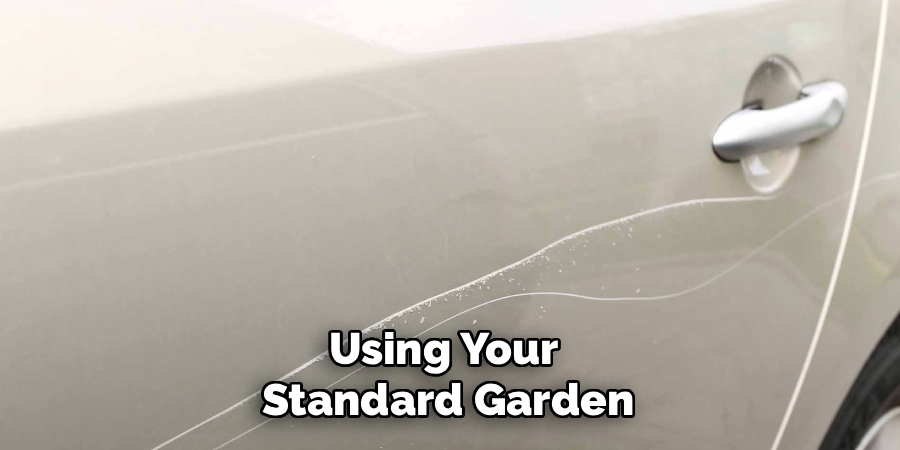
Polish for a short time, then wipe the residue away with a clean microfiber towel. Check the finish in good lighting. If the scratch improves without haze, dullness, or color transfer, continue with the same method.
Testing helps you avoid overworking the paint and gives you realistic expectations before treating the full area.
Step 6: Polish In Small Sections
Work slowly and keep the repair area controlled. If polishing by hand, use overlapping circular or crosshatch motions with steady pressure. Do not scrub aggressively. Let the polish do the work instead of forcing the result.
If using a dual-action polisher, choose a soft polishing pad and low to moderate speed. Keep the machine moving and avoid staying in one spot too long. Excess heat can damage the clear coat.
Many beginners search for how to polish scratch out of car because they want a quick fix, but patience matters more than speed.
Step 7: Wipe And Check The Results
After polishing, wipe the area with a clean microfiber towel. Use gentle pressure and turn the towel often so residue does not drag across the paint. Then inspect the panel from several angles.
Good lighting is important. Sunlight, a bright garage light, or a handheld inspection light can show whether the scratch is reduced, gone, or still visible. If the mark remains but looks better, you may repeat the polishing process once or twice.
Stop if the paint becomes warm, hazy, or thin-looking. Too much polishing can remove more clear coat than necessary.
Step 8: Protect The Polished Area
Polishing can leave the paint cleaner and glossier, but it also removes old wax or sealant from the area. After the scratch looks as good as it reasonably can, apply protection. A quality car wax, paint sealant, or ceramic spray helps shield the clear coat from sun, water, and dirt.
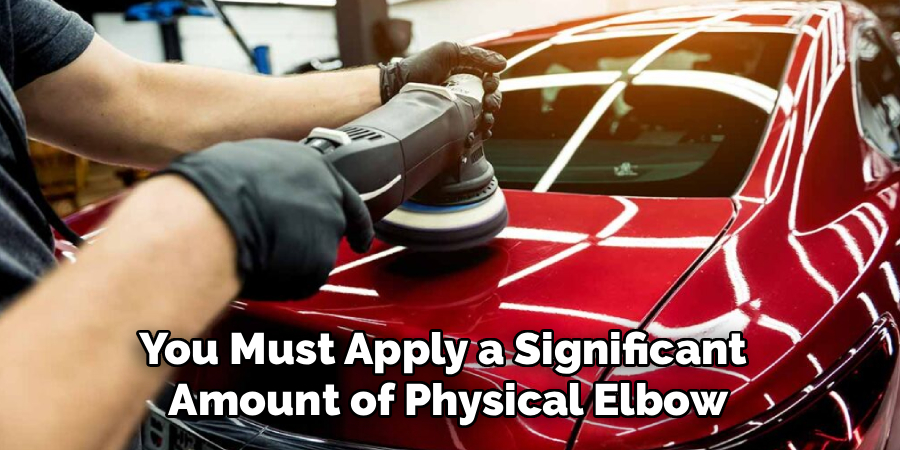
Apply the product according to the label and buff it with a clean microfiber towel. Do not skip this step, especially if the car sits outside.
Protection will not make a deep scratch disappear, but it helps preserve the polished finish and reduces future wear.
Frequently Asked Questions
Can Polishing Remove Every Car Scratch?
Polishing cannot remove every scratch. It works best on light clear coat scratches, surface scuffs, oxidation, and swirl marks. If the scratch reaches the color coat, primer, metal, or plastic, polishing may only make it look slightly better. Deep scratches usually need touch-up paint, wet sanding, professional refinishing, or panel repair.
How Do I Know If A Scratch Is Too Deep?
Use the fingernail test as a simple guide. If your nail glides over the scratch, polishing may help. If your nail catches firmly, the scratch is likely deeper than the clear coat. Also look for white, gray, black, or rusty lines. Those signs may mean the damage has gone beyond what polish can safely correct.
Is It Better To Polish By Hand Or Use A Machine?
Hand polishing is safer for beginners and works well on small scratches. It gives you more control, but it takes more time and effort. A dual-action polisher can create faster, more even results, especially on larger areas. However, it still requires care. Beginners should use mild polish, soft pads, and low speed settings.
Can Toothpaste Fix A Car Scratch?
Toothpaste may reduce very light marks because it has mild abrasive qualities, but it is not designed for automotive paint. It can leave uneven results or dull the finish. A proper car polish or scratch remover is a better choice because it is made for clear coat surfaces and offers more predictable results.
When Should I Go To A Professional?
See a professional if the scratch is deep, wide, rusty, or located on a sharp body line. You should also get help if the paint looks thin, the panel has previous repair work, or you are uncomfortable using a polisher. A professional can assess the damage and recommend polishing, touch-up paint, wet sanding, or refinishing.
Conclusion
Polishing a car scratch is a practical skill, but it depends on careful inspection and the right technique. Start by checking whether the mark is only in the clear coat. Then wash the area, choose a mild polish, test a small spot, and work slowly in controlled sections. Always use clean microfiber towels and inspect your results in strong lighting.
Set realistic expectations. Light scratches and scuffs can often improve a lot, while deeper damage may need touch-up paint or professional repair. After polishing, protect the area with wax, sealant, or another paint-safe coating.
If you want to learn how to polish scratch out of car, begin with the least aggressive method and stop before you overwork the paint. A careful approach protects your finish and gives you the best chance of a clean, glossy result.

About
Ora Hayes is a distinguished figure in the world of DIY Thecarfixes, with over a decade of expertise in automotive diagnostics and high-performance maintenance. Her professional focus lies in merging mechanical precision with modern digital tools, fostering repair solutions that are both cost-effective and highly reliable. As the author of Thecarfixes, Ora Hayes delves into the art and science of automotive restoration, inspiring car owners and hobbyist mechanics alike.
Education
RMIT University (Melbourne, Australia) Associate Degree in Automotive Engineering — Focus on vehicle dynamics, industry-driven repair protocols, and advanced diagnostics. Gained hands-on experience with traditional mechanical tools and modern ECU remapping software.
Nottingham Trent University (United Kingdom) Bachelor’s in Mechanical Design and Automotive Engineering (Honors) — Specialized in automotive systems with a focus on blending technical engineering with everyday usability. Participated in industry projects, working with leading automotive manufacturers to gain real-world insights into vehicle longevity.
Publications and Impact
In Thecarfixes, Ora Hayes shares her insights on troubleshooting complex engine issues, material durability, and strategies for efficient garage setups. Her writing bridges the gap between professional mechanic knowledge and the home enthusiast’s needs, making it a must-read for both everyday drivers and seasoned gearheads.