Are you experiencing problems with your car’s fuel pump? You may be wondering whether it’s time to replace it.
Your vehicle relies on a steady flow of gas to keep moving. The fuel pump acts as the heart of this system, pushing fuel from the tank to the engine. When this vital component starts to fail, your car will quickly let you know. Recognizing the early warning signs can save you from a stressful breakdown on the side of the highway.
This guide on how to know when your fuel pump is going bad outlines everything you need to diagnose a failing fuel pump before it leaves you stranded.
What are the Benefits of Early Detection?
Spotting a dying fuel pump early offers several major advantages for car owners. First, you avoid the sudden danger of your engine dying while driving in heavy traffic. Second, catching the problem early prevents collateral damage to your alternator and starter, which overwork themselves trying to keep a fuel-starved engine running. Finally, you gain the time to schedule repairs on your own terms rather than paying premium fees for emergency towing and rush service.
What Will You Need?
Before you start diagnosing the issue, gather a few basic tools. You do not need a fully equipped professional garage, but having the right items makes the process much smoother.
- Your vehicle’s owner manual
- An OBD2 diagnostic scanner
- A manual fuel pressure gauge
- Safety glasses and nitrile gloves
- A quiet environment to listen to engine sounds
- A basic set of fuses
10 Easy Steps on How to Know When Your Fuel Pump is Going Bad
Follow these steps to track down the root cause of your fuel system issues.
Step 1: Listen for a Whining Noise from the Fuel Tank
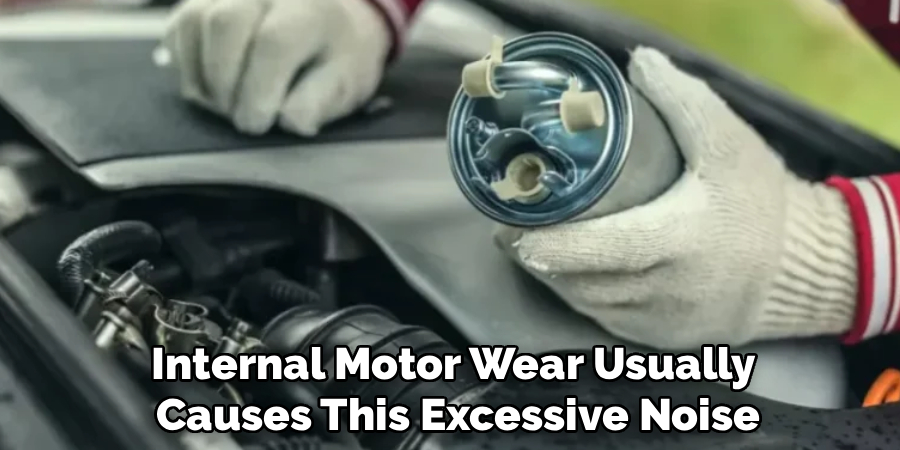
A healthy fuel pump emits a low, barely noticeable hum when operating. If you turn your key to the “on” position and hear a loud, high-pitched whining noise coming from the rear of the vehicle, you likely have a problem. This loud whine indicates the pump motor is struggling to spin. Dirt in the tank, a clogged filter, or internal motor wear usually causes this excessive noise. Pay close attention to this sound, as it is often the very first symptom.
Step 2: Watch for Engine Sputtering at High Speeds
Your fuel pump must supply a higher volume of gas when you drive at highway speeds. If you are cruising at a consistent high speed and the engine suddenly sputters or jerks, the pump might be failing. This sputtering happens because the pump cannot maintain a consistent pressure, causing the engine to temporarily starve for fuel. The vehicle will act as if it is running out of gas, even with a full tank.
Step 3: Monitor for Stalling at High Temperatures
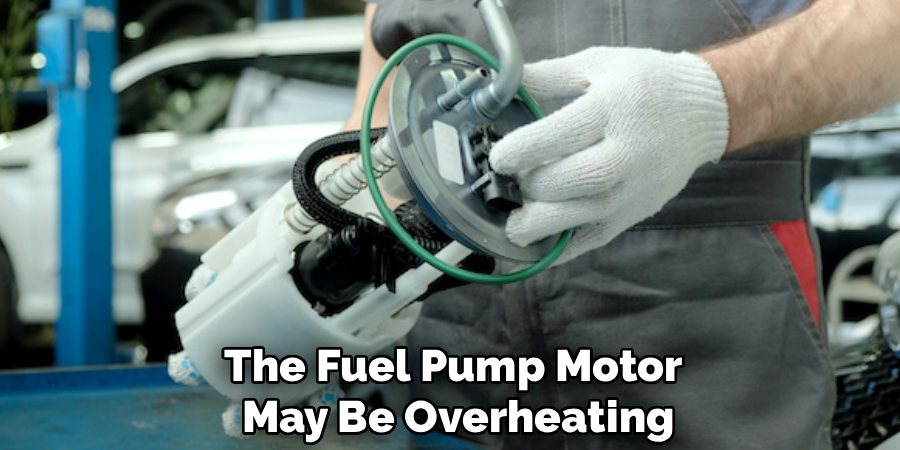
Temperature changes heavily impact a weakening electrical motor. If your vehicle frequently stalls when the temperature gauge rises or after running for an extended period, the fuel pump motor may be overheating. A failing pump struggles to cool itself down, leading to sudden shutdowns. If your car dies after a long drive but starts up perfectly fine after sitting and cooling down for an hour, your fuel pump is a prime suspect.
Step 4: Notice Loss of Power Under Stress
Driving uphill, towing a heavy trailer, or carrying a full load of passengers puts extra stress on your engine. The engine demands more fuel to handle this additional weight. A weak pump will fail to deliver the necessary volume. You will press the gas pedal, but the vehicle will hesitate, lose power, and struggle to accelerate. If your car feels sluggish, specifically when carrying heavy loads or climbing hills, test your fuel pressure.
Step 5: Feel for Random Vehicle Surging
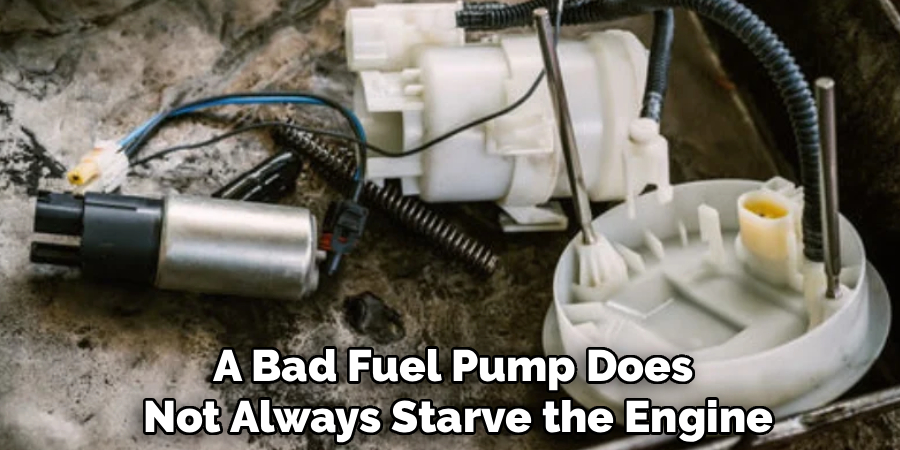
A bad fuel pump does not always starve the engine; sometimes, it sends an irregular, excessive amount of fuel. This irregularity causes a condition known as surging. You might be driving at a steady speed without moving your foot on the accelerator, yet the vehicle will suddenly lunge forward. This unexpected burst of speed occurs because the pump motor temporarily spikes in resistance, shooting a larger pulse of fuel into the engine.
Step 6: Track Your Gas Mileage for Sudden Drops
Most fuel pump problems result in poor engine efficiency. While you might associate a bad pump with less fuel reaching the engine, a faulty relief valve inside the pump can actually push excess fuel into the system. The engine burns this extra fuel unnecessarily, sending your gas mileage plummeting. If you notice you are filling up at the gas station far more often than usual without changing your driving habits, inspect the fuel system.
Step 7: Recognize Hard Starting Conditions
Before your engine can run, the pump must prime the system with enough pressure. A worn-out pump loses its ability to hold pressure when the vehicle sits turned off. When you turn the key, the engine will crank for a long time before finally sputtering to life. You might find that turning the key to the “on” position for three seconds before starting helps. If this trick works, your pump is losing its prime.
Step 8: Check the Fuel Pump Fuse
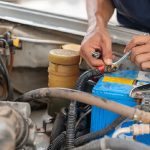
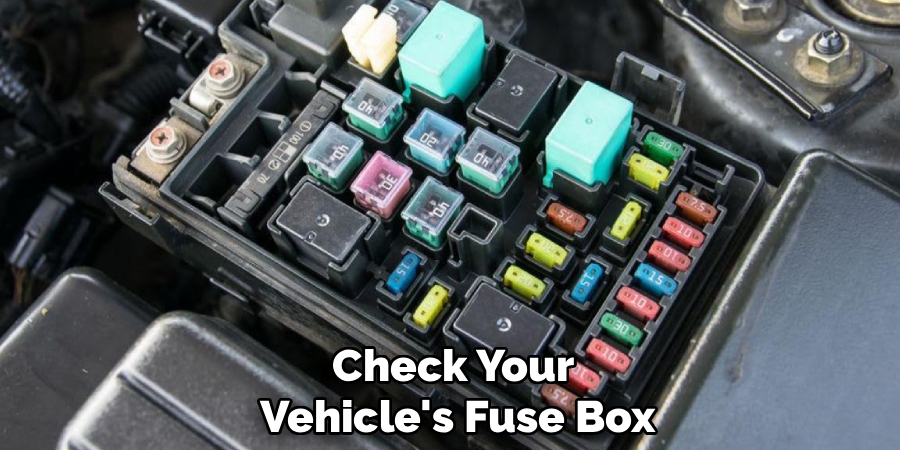
Sometimes the problem is electrical rather than mechanical. Before replacing expensive parts, check your vehicle’s fuse box. Locate the fuel pump relay and fuse using your owner’s manual. A blown fuse will completely cut power to the pump, preventing the car from starting. If you replace the fuse and it immediately blows again, the fuel pump is likely short-circuiting internally and drawing too much amperage, meaning it requires immediate replacement.
Step 9: Run an OBD2 Diagnostic Scan
Modern vehicles monitor fuel pressure and engine performance closely. Plug an OBD2 scanner into the port under your dashboard to read any stored error codes. You are looking for codes related to lean fuel mixtures, such as P0171 or P0174, or specific fuel rail pressure codes like P0087. While these codes do not explicitly say the pump is bad, they confirm the engine is not receiving enough fuel, narrowing down your diagnostic path.
Step 10: Perform a Manual Fuel Pressure Test
The most definitive way to test a fuel pump is by attaching a fuel pressure gauge directly to the engine’s fuel rail. Locate the Schrader valve on the fuel rail, attach the gauge, and start the engine. Compare the reading on the dial to the specifications listed in your repair manual. If the pressure reads significantly lower than the required threshold, or if the needle bounces erratically, you have confirmed that the fuel pump requires replacement.
5 Things You Should Avoid
- Driving on an Empty Tank: The fuel in your tank acts as a coolant for the pump. Running on low fuel causes the pump to overheat and fail prematurely.
- Ignoring a Check Engine Light: A lean engine code often appears before the vehicle stops running entirely.
- Using Cheap, Unbranded Gas: Low-quality fuel can contain sediment that clogs the pump strainer.
- Replacing the Pump Without Changing the Filter: A clogged fuel filter will immediately strain your brand-new pump.
- Smoking Near the Vehicle During Repairs: Gasoline vapors are highly flammable, making open flames incredibly dangerous during diagnosis.
Frequently Asked Questions
1. Can I Drive My Car With a Bad Fuel Pump?
Driving with a failing fuel pump is highly discouraged due to the severe safety risks involved.
Your vehicle could lose power entirely while driving at highway speeds, removing your ability to accelerate.
This sudden loss of power can cause accidents if vehicles behind you cannot stop in time.
Furthermore, forcing a fuel-starved engine to run can cause costly internal damage to the engine block.
It is always best to tow the vehicle to a safe location once symptoms appear.
2. How Much Does It Cost to Replace a Fuel Pump?
The overall cost of fuel pump replacement varies heavily based on your specific vehicle make and model.
On average, most car owners can expect to pay anywhere from $400 to $900 for parts and labor.
Luxury vehicles, or trucks requiring the removal of heavy fuel tanks, often push the bill over $1,000.
Purchasing aftermarket parts can save you money upfront, but OEM parts typically offer far better longevity.
You should always gather multiple quotes from trusted local mechanics to ensure you get a fair rate.
3. How Long Does a Standard Fuel Pump Usually Last?
Most factory-installed fuel pumps are built to be highly durable and withstand years of constant use.
You can reasonably expect a new pump to last anywhere between 100,000 and 150,000 miles of driving.
However, consistently driving with less than a quarter tank of gas can significantly shorten this lifespan.
Routine maintenance, like changing external fuel filters regularly, helps the pump reach its maximum potential age.
If you take good care of your vehicle, you may only need to replace this part once.
Conclusion
Knowing how to spot a failing fuel pump keeps you safe and saves you money. By paying attention to whining noises, sputtering, and hard starts, you can catch the problem before it leaves you stranded.
Use this 10-step guide to confidently assess your vehicle’s health and make informed repair decisions. If your diagnostic tests confirm a weak pump, replace it promptly along with a fresh fuel filter to restore your vehicle to peak performance.
Hopefully, this guide on how to know when your fuel pump is going bad has helped you understand the importance of your fuel pump and how to spot potential issues before they become major problems.

About
Ora Hayes is a distinguished figure in the world of DIY Thecarfixes, with over a decade of expertise in automotive diagnostics and high-performance maintenance. Her professional focus lies in merging mechanical precision with modern digital tools, fostering repair solutions that are both cost-effective and highly reliable. As the author of Thecarfixes, Ora Hayes delves into the art and science of automotive restoration, inspiring car owners and hobbyist mechanics alike.
Education
RMIT University (Melbourne, Australia) Associate Degree in Automotive Engineering — Focus on vehicle dynamics, industry-driven repair protocols, and advanced diagnostics. Gained hands-on experience with traditional mechanical tools and modern ECU remapping software.
Nottingham Trent University (United Kingdom) Bachelor’s in Mechanical Design and Automotive Engineering (Honors) — Specialized in automotive systems with a focus on blending technical engineering with everyday usability. Participated in industry projects, working with leading automotive manufacturers to gain real-world insights into vehicle longevity.
Publications and Impact
In Thecarfixes, Ora Hayes shares her insights on troubleshooting complex engine issues, material durability, and strategies for efficient garage setups. Her writing bridges the gap between professional mechanic knowledge and the home enthusiast’s needs, making it a must-read for both everyday drivers and seasoned gearheads.