

There’s a distinct kind of disbelief that settles in when you find your car perched, awkwardly, on cinder blocks. Most drivers pray they’ll never experience it, and with good reason. Tire and wheel theft isn’t some rare heist trope—it’s persistent, disruptive, and increasingly expensive for victims in countless neighborhoods.
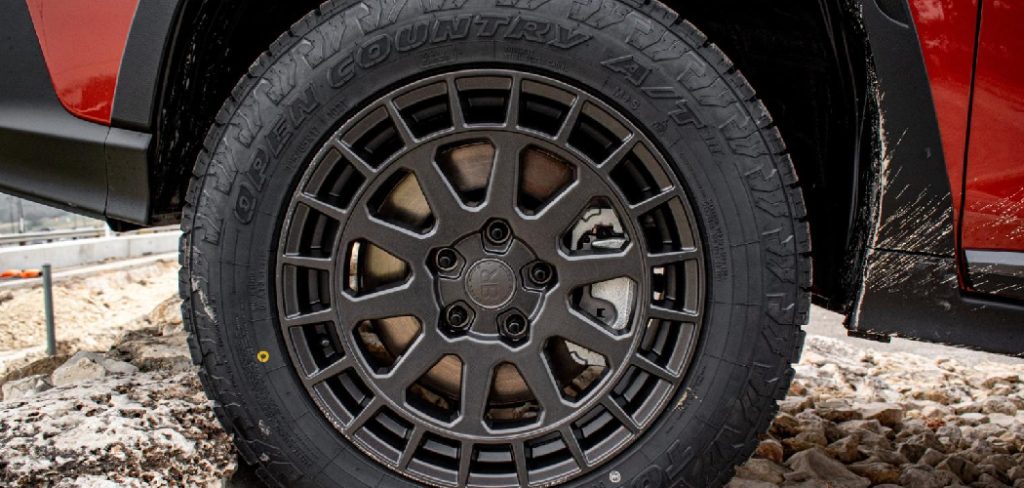
It can happen fast. In just a handful of minutes, an opportunist can leave you with a stranded vehicle and a bill that’s probably a lot higher than you’d expect. And yet, while the problem persists, car owners aren’t powerless here; some careful habits and a few smart investments could shift the odds substantially in your favor. In this guide on how to prevent tires from being stolen, we’ll dive into the most effective security tips to keep your wheels right where you left them.
Why Does Tire Theft Happen?
If you’re wondering why someone, anyone, would target your wheels, the answer tends to be remarkably straightforward. Wheels and tires—notably original alloys or those pricey performance sets—fetch a reasonable price on the secondary market. Selling them seldom involves tracking tags or serial numbers, at least not in the way entire cars do.
So, if thieves are feeling lucky (and equipped), they can remove four wheels—your whole set—with little more than a cordless impact gun and a cheap jack. Typically, we’re not talking about a Hollywood operation either; speed and stealth make this crime appealing, and the risks are surprisingly, maybe even irritatingly, low when cars are left unprotected.
What You’ll Need Before You Start
Before you start, there are a few things to consider and have on hand.
Tools You May Need
- Cordless impact gun
- Jack and Jack stand
- Lug nut remover or breaker bar
- Wheel lock key (if your wheels have locking lug nuts)
- Spare tire (in case of emergency)
7 Steps on How to Prevent Tires From Being Stolen
Step 1: Invest in Real Wheel Locks
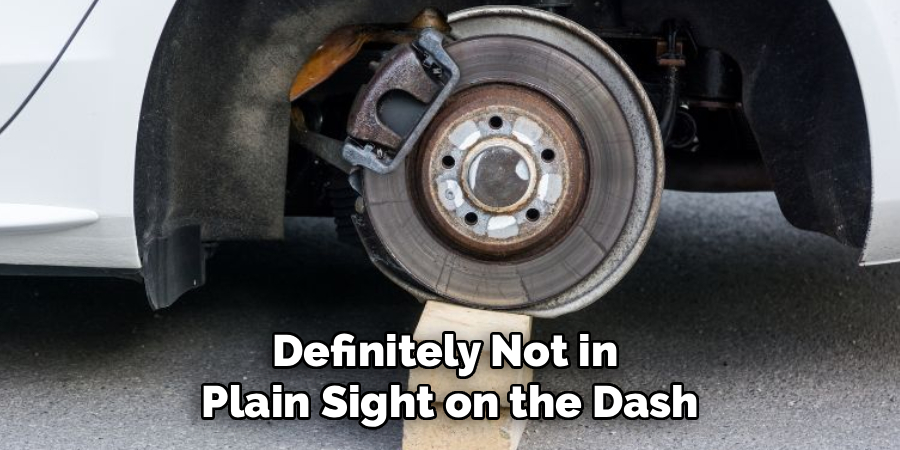
If anything earns the label “first line of defense,” it’s this. Replace a lug nut on each wheel with a locking version—crucially, one from a proven manufacturer, made of steel that isn’t going to surrender after a quick whack. The thing about these locks is that, to a thief, they signal inconvenience. Not impossible, but certainly irritating. Hide the socket key somewhere obscure—not in the glovebox, not under the floormat, and definitely not in plain sight on the dash. And if you’re tempted to leave it anywhere obvious for convenience, stop.
Step 2: Choose Parking Spots That Work Against Thieves
Where you park isn’t trivial. Darkness and seclusion? Those are invitations. Cars sitting under a flickering streetlight or among constant foot traffic are less inviting than the ones parked on a dim side street. If you’ve got a driveway, consider installing a motion-activated light that catches the whole area—makeshift stage lighting for any would-be criminal performance. Not that they’re likely to stick around for the finale.
Step 3: Turn the Wheels (It Actually Helps)
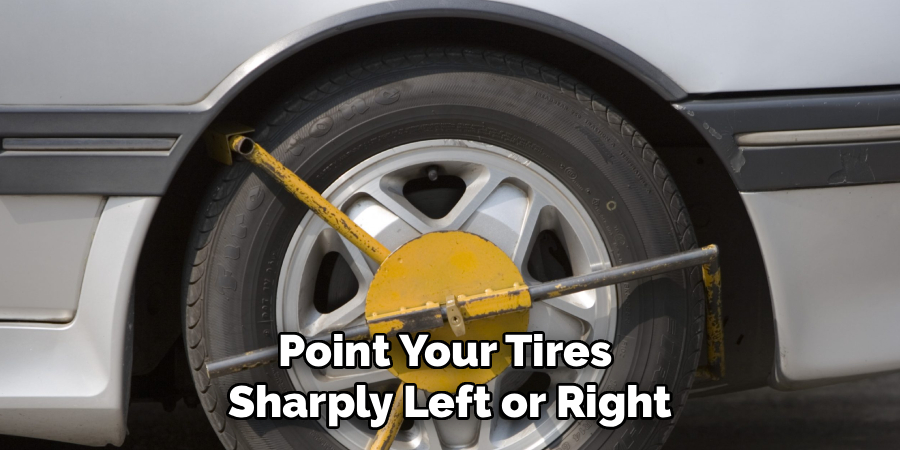
Next time you finish parallel parking or tuck in near the curb, spin that wheel to its lock. Point your tires sharply left or right. What this does is, essentially, make it a headache for anyone thinking about wedging a jack or wrench into the wheel arch. No tool, no matter how expensive, is going to make this step fun for a thief. And while this probably won’t deter a highly motivated crew with time to spare, it does push you further down their list of options.
Step 4: Use a Garage or Secure Lot When Possible
Obvious, maybe, but easy to dismiss out of inconvenience. Got a garage filled with old bikes and toolboxes? Time for a clean-out. The single most effective cloak for your car is a locked door. If that’s not an option, opt for secured, attended parking lots instead of open street parking. Gated entries, security cameras, and living, breathing human surveillance aren’t theoretical benefits—they tend to keep thieves looking elsewhere, even if it costs a bit more upfront.
Step 5: Equip a Car Alarm with a Tilt Sensor
Those basic alarms most cars come with will wail if someone jimmies the door, but won’t always notice a thief quietly lifting the chassis. A tilt sensor—inexpensive, often easy to add—monitors your car’s angle. If things start to shift without warning, it’ll trigger something much louder than a passing protest. Most thieves won’t gamble on whether the noise is idle bluster. Place a visible alarm decal on the window. Sometimes the threat is enough, sometimes not—but it hardly hurts.
Step 6: Discreetly Mark Your Wheels
Professional thieves often check for markings before taking action; unique engravings add risk to their already risky proposition. Take a metal engraver and inscribe something memorable—the last six digits of your VIN or your license plate number, for instance—on the inside barrel of each rim. If the wheels disappear, identification is a (difficult, but real) possibility, and at a minimum, this step might nudge a criminal to the next target.
Step 7: The Wheel Boot—For When Your Car Isn’t Moving Soon
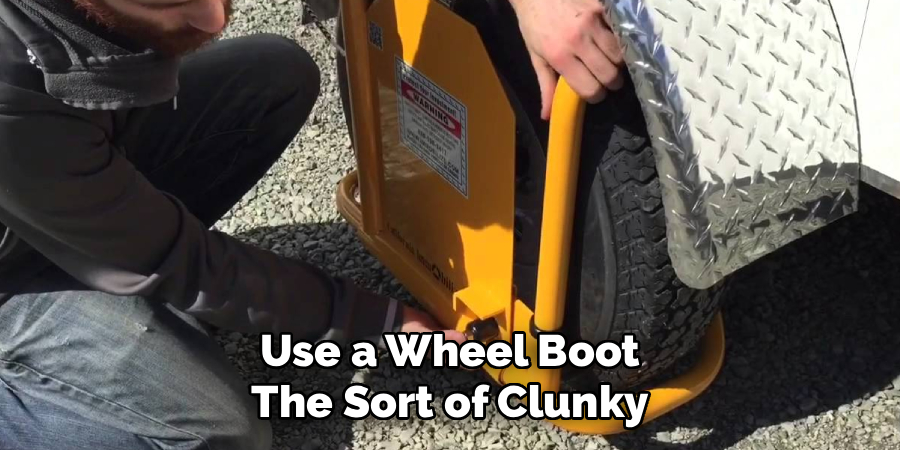
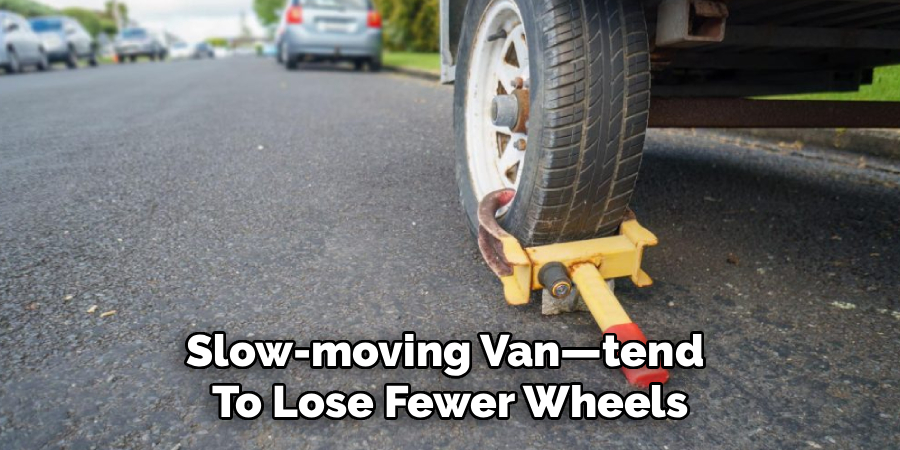
Leaving a car untouched for weeks? Forget subtlety. Use a wheel boot—the sort of clunky, neon contraption you usually see courtesy of traffic enforcement. They’re unwieldy and not cheap, but no thief in their right mind is going to tangle with a boot unless they brought a full arsenal. Storage may be a pain, but the peace of mind, especially at an airport or long-term residential lot, is worth it.
Following these steps on how to prevent tires from being stolen can save you a lot of trouble. However, despite all precautions, car thefts can still occur. In such cases, it is important to have the necessary insurance coverage for your vehicle. Make sure to review and update your insurance policy regularly to ensure that you are adequately protected in case of theft or damage.
What NOT to Do?
Some advice feels almost patronizing, but mistakes happen by habit. Never, ever toss your wheel lock’s key on the dash or tuck it into the cupholder. If it’s visible, it’s vulnerable. Parking halfway up a curb? Big mistake—makes a thief’s job easier by increasing jack access. Shadowed, empty lots are basically open invitations.
And the myth that older vehicles are immune? Wishful thinking—after all, everyone needs wheels.
What Happens When Theft Strikes?
The trauma of losing your wheels goes well beyond money. Quick jobs can inflict serious mechanical wounds—brake rotors, suspension parts, or even the undercarriage might be battered by a hasty, unsupervised drop onto bare concrete.
Then there’s the paperwork: police reports, insurance claims, rental car bills. Commuters, parents, anyone with obligations—suddenly, all plans are upended.
Some Extra Suggestions
It may seem redundant, but vigilance works. Neighborhoods where folks keep an eye out—where people actually report the odd slow-moving van—tend to lose fewer wheels. If you’re up for it, start or join a local watch group.
Got a dashcam? Connect it to power so it doesn’t cut out when the engine’s off. These incremental steps help, especially when adopted as a shared routine.
Frequently Asked Questions
Q1: Are Wheel Locks Perfectly Secure?
No. A determined, well-equipped thief probably can defeat most locks, given enough time and privacy. That said, wheel locks reliably push most opportunists to easier targets.
Q2: Will Insurance Offset Tire Theft?
Only if you’ve paid for comprehensive coverage. Liability alone seldom covers theft or vandalism. Policy details—especially exclusions—can be slippery, so always check with your insurer if you’re unsure.
Q3: How Much Could Replacing Stolen Wheels Cost?
Costs span a wide arc. Basic models with steel wheels might be a few hundred dollars to replace. With premium alloys and performance tires, replacement can soar past several thousand—particularly if there’s collateral damage beneath the car.
Q4: What Can Help Prevent Wheel Theft?
There are a few precautions you can take to help prevent wheel theft. One is investing in locking lug nuts, which require a special key to remove them and make it more difficult for thieves to steal your wheels. Another option is installing an alarm system or GPS tracking device on your car, which can deter thieves or help locate your stolen wheels if they do get taken.
Q5: How to Protect Your Car From Wheel Theft?
Aside from investing in locking lug nuts or an alarm system, there are some other steps you can take to protect your car from wheel theft. These include parking in well-lit and populated areas, using a steering wheel lock or tire clamp as an additional deterrent, and engraving your vehicle identification number (VIN) on the wheels themselves. You can also consider etching a unique code onto each of your wheels, which can make them easier to identify if they are stolen.
Conclusion
Guarding against tire theft isn’t about paranoia or bank-breaking gadgets. Simple, mindful actions—thoughtful parking, strong wheel locks, clear security signals—are more than enough to prompt thieves to look elsewhere.
Even a brief review of your car’s vulnerabilities is time well spent if it means avoiding the hassle (and absurd expense) of waking up to a vehicle stripped and stranded. Thanks for reading this guide on how to prevent tires from being stolen.

About
Ora Hayes is a distinguished figure in the world of DIY Thecarfixes, with over a decade of expertise in automotive diagnostics and high-performance maintenance. Her professional focus lies in merging mechanical precision with modern digital tools, fostering repair solutions that are both cost-effective and highly reliable. As the author of Thecarfixes, Ora Hayes delves into the art and science of automotive restoration, inspiring car owners and hobbyist mechanics alike.
Education
RMIT University (Melbourne, Australia) Associate Degree in Automotive Engineering — Focus on vehicle dynamics, industry-driven repair protocols, and advanced diagnostics. Gained hands-on experience with traditional mechanical tools and modern ECU remapping software.
Nottingham Trent University (United Kingdom) Bachelor’s in Mechanical Design and Automotive Engineering (Honors) — Specialized in automotive systems with a focus on blending technical engineering with everyday usability. Participated in industry projects, working with leading automotive manufacturers to gain real-world insights into vehicle longevity.
Publications and Impact
In Thecarfixes, Ora Hayes shares her insights on troubleshooting complex engine issues, material durability, and strategies for efficient garage setups. Her writing bridges the gap between professional mechanic knowledge and the home enthusiast’s needs, making it a must-read for both everyday drivers and seasoned gearheads.




1 thought on “How to Prevent Tires From Being Stolen”