Have you ever looked at the dashboard and wondered what the dial next to your speedometer actually does? Many drivers glance at this instrument without fully understanding its mechanical significance. It sits there, constantly fluctuating, yet it often remains a mystery to those who rely solely on automatic transmissions.
This article aims to clarify that mystery. We will teach you exactly how to use tachometer readings to improve your driving habits and protect your engine. You might find that paying attention to this gauge extends the life of your vehicle and maximizes its daily performance.
You will learn the fundamental mechanics of engine speed and how to find your vehicle’s specific power band. We will also explore the physical dangers of redlining and outline step-by-step techniques for interpreting this gauge while driving. While this instrument is frequently associated with manual transmissions, understanding its behavior benefits nearly all drivers on the road.
Understanding the Basics of RPM and Engine Speed
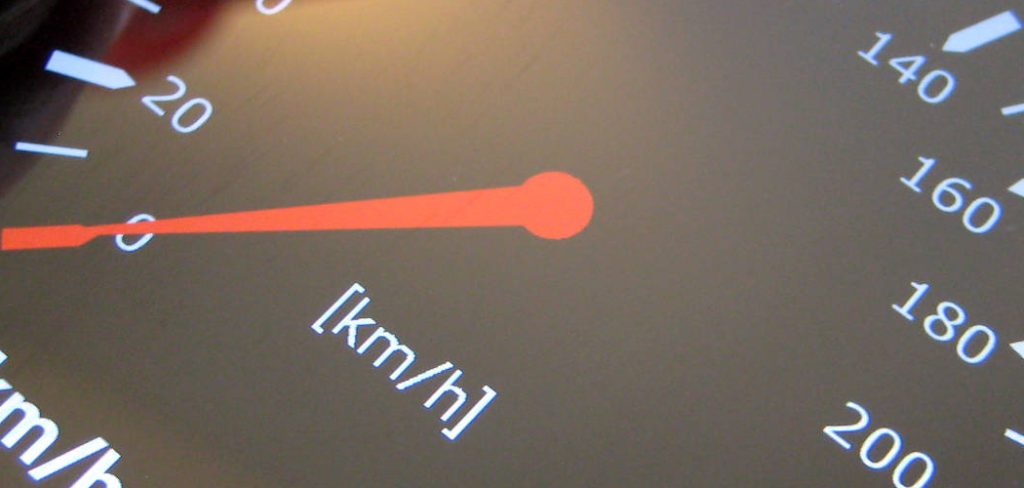
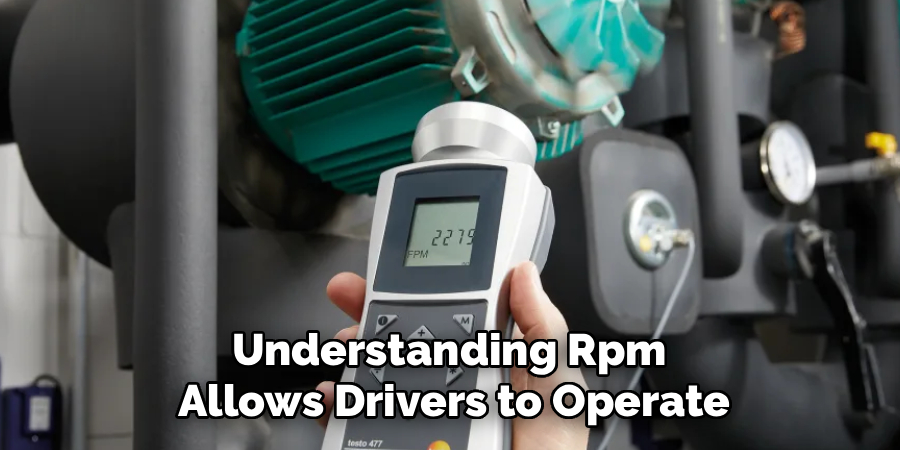
A tachometer is a crucial instrument that measures the rotational speed of your engine’s crankshaft. This speed is expressed in Revolutions Per Minute (RPM), providing a clear indication of the engine’s activity level. When you press the accelerator, the engine’s internal components respond by increasing their rotational speed, which is reflected on the tachometer.
Most standard vehicles idle between 600 and 1,000 RPM, offering a stable reference of engine performance during periods of inactivity, such as when waiting at a traffic light. Any notable drop below this range could signal potential stalling issues.
Usually, the numbers displayed on the tachometer are multiplied by 1,000—for example, a needle pointing to three means the crankshaft completes 3,000 rotations in a single minute. Consistently monitoring RPM aids in maintaining vehicle health and preventing strain on engine components.
Why RPM Matters for Engine Health
RPM is more than just a number; it represents the functionality and well-being of your vehicle’s engine. By maintaining an optimal RPM range, you reduce unnecessary wear and tear on internal components, thereby extending the lifespan of the engine.
Frequent monitoring can also help identify early signs of mechanical issues, such as irregular idling or unusual fluctuations, providing an opportunity for proactive maintenance. Understanding RPM allows drivers to operate their vehicles more efficiently, balancing performance with longevity.
How Understanding RPM Enhances Driving Performance
Being aware of your RPM while driving enhances not only the engine’s efficiency but also your overall driving experience. For vehicles with manual transmissions, knowing when to shift gears based on RPM helps maintain smooth transitions and optimal power delivery.
Even for automatic transmissions, observing RPM can inform drivers of whether the engine is under strain, such as during high-speed acceleration or steep inclines. This knowledge empowers drivers to adjust their driving habits to better suit the vehicle’s limits, ensuring peak performance.
The Primary Guide: Step-by-Step on How to Use Tachometer
Navigating the relationship between engine speed and transmission gearing requires a bit of practice. This core section provides a clear, chronological process for reading the gauge. These steps are primarily designed for drivers operating a manual transmission, though the underlying physics apply universally.
Step 1: Start the Engine and Monitor Idle RPM
You should begin by watching the needle immediately upon turning the ignition key. A cold engine will typically idle slightly higher for the first minute or two. This elevated speed helps the internal fluids warm up before the engine drops down to its steady resting point.
Observing this initial sequence gives you a sense of the engine’s baseline health. If the needle bounces erratically rather than settling into a smooth rhythm, it could indicate a vacuum leak or a failing sensor. A healthy motor usually maintains a perfectly steady idle once it reaches its standard operating temperature.
Step 2: Accelerate and Observe the Power Band
As you ease the vehicle into motion, watch the needle climb steadily across the dial. The engine generates varying levels of torque and horsepower depending on its rotational speed. Pressing the accelerator allows the engine to breathe deeper, which naturally pushes the RPM higher.
You might notice that the car feels relatively sluggish at very low engine speeds. As the needle sweeps past the middle of the dial, the vehicle often surges forward with greater enthusiasm. This physical sensation suggests you have entered the optimal operating range for that specific gear.
Step 3: Shift Gears at the Optimal Moment
The primary function of a manual transmission is to keep the engine operating comfortably within its physical limits. You should prepare to upshift when the needle reaches the middle or upper section of the dial. Press the clutch pedal and select the next highest gear to relieve the strain on the motor.
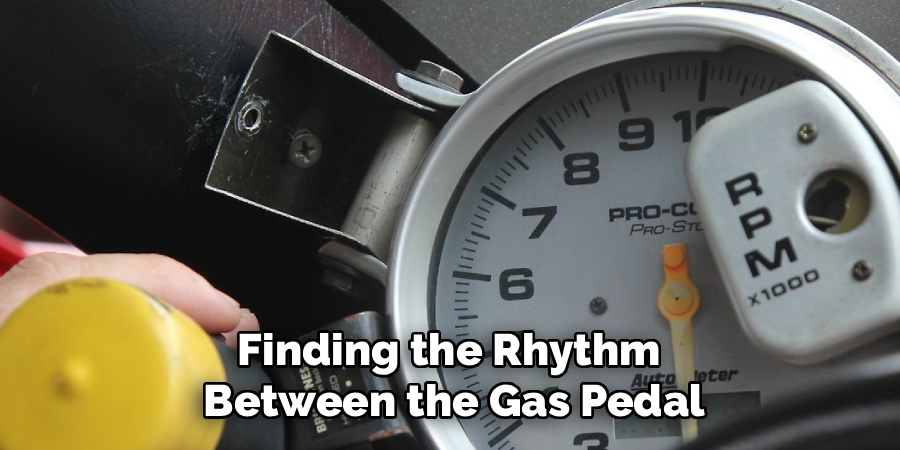
Shifting too early might cause the engine to bog down or lug awkwardly. Conversely, waiting too long to shift forces the engine to scream unnecessarily. Finding the rhythm between the gas pedal and the tachometer needle generally results in a much smoother driving experience.
Step 4: Downshift Safely Using RPM Matching
Slowing the vehicle down introduces a slightly different mechanical challenge. You cannot simply drop the transmission into a lower gear without expecting a violent jerk from the drivetrain. The engine speed must match the rotational speed of the transmission.
You can achieve this harmony by utilizing a technique known as rev-matching. Briefly tap the throttle to raise the RPM before you let the clutch pedal out in the lower gear. This blip of the gas pedal ensures a seamless transition, preventing the tires from skidding and saving the clutch from excessive wear.
Finding Your Vehicle’s Sweet Spot (Power Bands)
Understanding Power Bands
Every internal combustion engine has a unique mechanical signature designed to perform most efficiently within a specific range of engine speeds, known as the power band. This range represents the RPM window where the engine produces optimal horsepower or torque. The power band is a crucial factor in how a vehicle behaves and feels during acceleration or cruising.
Identifying Your Vehicle’s Sweet Spot
The location of the power band varies greatly depending on the type of vehicle. For example, high-revving sports cars often produce their maximum horsepower at higher RPMs, sometimes around 6,000 RPM or more. On the other hand, heavy-duty diesel trucks generate their peak torque at much lower RPMs, such as 2,000 RPM, to accommodate towing and hauling needs.
To find your specific vehicle’s power band, consult the factory owner’s manual, where manufacturers typically list the RPMs for peak horsepower and torque. Aligning your driving habits with this information can enhance your driving experience while maximizing performance and efficiency.
The Dangers of Redlining and Engine Damage
Redlining occurs when the engine operates at or above the maximum RPM indicated in the red zone of the tachometer, serving as a clear mechanical warning. Pushing the needle into this zone means the engine is spinning dangerously fast. Operating an engine at these extreme speeds for prolonged periods invites catastrophic mechanical failure.
Electronic Rev Limiters as Safeguards
Modern vehicles typically include electronic rev limiters within the engine control unit (ECU). These systems act as a safeguard by automatically cutting the fuel supply when the engine approaches its critical RPM limit, preventing over-revving and potential damage. These advancements significantly reduce the risk of accidental overuse by drivers, protecting the engine from unnecessary wear or failure.
Risks in Older Engines
Older, carbureted vehicles lack the technological protection of rev limiters, placing the responsibility entirely on the driver. Without careful attention, an engine that spins past its design constraints can encounter a condition called valve float. This serious mechanical error occurs when internal valves fail to close in time, allowing pistons to collide with the valves.
Such an event often results in catastrophic damage to the engine, leading to costly repairs or even a complete engine rebuild. To avoid these risks, drivers must ensure they stay well within the safe RPM range indicated on the tachometer. This simple precaution can save both the engine’s health and a significant financial burden.
Maximizing Fuel Economy with Smart RPM Management
Engine speed correlates directly with how quickly your vehicle consumes gasoline. Higher rotational speeds naturally require larger volumes of fuel to sustain the combustion process. If you want to save money at the pump, you must learn to manage the tachometer deliberately.
The Role of Short-Shifting in Fuel Efficiency
Short-shifting is a highly effective technique for improving city fuel economy. This involves shifting into a higher gear slightly earlier than you normally would. Keeping the engine speed relatively low reduces internal friction and limits the amount of gasoline sprayed into the cylinders.
Drivers aiming for better gas mileage should generally aim to upshift around 2,000 to 2,500 RPM in standard passenger cars. You want to shift as soon as the engine can comfortably handle the next gear without stalling out.
Maintaining Steady RPMs for Highway Driving
On the highway, maintaining a steady, low RPM is the most reliable method for stretching your fuel budget. Consistent use of cruise control can help minimize unnecessary acceleration and deceleration, allowing the engine to run more efficiently. By keeping the rotational speed low and steady, drivers can significantly improve their vehicle’s overall fuel economy over longer distances.
How Automatic Transmissions Utilize the Tachometer
The Importance of Tachometers in Automatic Vehicles
Many people assume that automatic drivers have no reason to monitor engine speed. While the transmission computer handles the shifting, the tachometer remains a valuable diagnostic tool. It provides a visual insight into how the automatic system is functioning under different driving conditions.
Detecting Transmission Problems
An observant driver can use the tachometer to detect potential issues with the automatic transmission. For instance, if pressing the gas pedal causes the RPM needle to spike wildly without a matching increase in vehicle speed, it could indicate that the transmission is slipping. This visual indication often serves as the first warning of mechanical trouble, allowing drivers to address problems early before they escalate.
Assisting While Towing or Climbing
Monitoring RPMs is also critical when towing heavy loads or driving through mountainous terrain. Under these conditions, if the engine frequently strains at high speeds, manually locking the transmission into a lower gear can provide relief. This proactive approach not only aids the automatic system but also helps in preventing the transmission fluid from overheating, maintaining optimal performance, and preventing long-term damage.
Diagnosing Engine Issues Through Tachometer Readings
Importance of Tachometer Readings at Idle
Mechanics often rely on the dashboard as a key diagnostic tool, with the behavior of the tachometer needle offering valuable insights. At idle, the way the needle moves can reveal subtle issues with the engine’s performance. For instance, a bouncing or surging needle while the car is stationary could indicate a mechanical issue.
This rhythmic fluctuation might point to a vacuum leak in the intake manifold or a dirty idle air control valve struggling to regulate oxygen flow. Occasionally, a slight tremor in the needle’s movement may signal failing spark plugs. Monitoring these patterns closely can provide early warnings about potential issues.
Establishing a Baseline for Tachometer Patterns
Paying attention to your vehicle’s regular operating patterns is crucial for effective diagnostics. By establishing a baseline understanding of how the tachometer needle typically behaves, you can easily identify unusual deviations.
Detecting strange irregularities early on, such as unexpected surges or tremors in the needle, allows you to address minor issues before they escalate into costly repairs. Early attention to these signs can save time and prevent the need for major engine overhauls.
Conclusion
Mastering the relationship between engine speed and vehicle dynamics fundamentally alters how you drive. It transforms a passive commute into an active, engaging mechanical partnership. We have covered the basics of rotational speed, the dangers of over-revving, and the financial benefits of shifting efficiently.
Understanding exactly how to use tachometer readings connects the driver directly to the heartbeat of the automobile. It removes the guesswork from manual shifting and provides automatic drivers with vital diagnostic data. Take your car for a brief spin today, pay close attention to the sweeping needle, and practice timing your shifts to match the engine’s natural rhythm.

About
Ora Hayes is a distinguished figure in the world of DIY Thecarfixes, with over a decade of expertise in automotive diagnostics and high-performance maintenance. Her professional focus lies in merging mechanical precision with modern digital tools, fostering repair solutions that are both cost-effective and highly reliable. As the author of Thecarfixes, Ora Hayes delves into the art and science of automotive restoration, inspiring car owners and hobbyist mechanics alike.
Education
RMIT University (Melbourne, Australia) Associate Degree in Automotive Engineering — Focus on vehicle dynamics, industry-driven repair protocols, and advanced diagnostics. Gained hands-on experience with traditional mechanical tools and modern ECU remapping software.
Nottingham Trent University (United Kingdom) Bachelor’s in Mechanical Design and Automotive Engineering (Honors) — Specialized in automotive systems with a focus on blending technical engineering with everyday usability. Participated in industry projects, working with leading automotive manufacturers to gain real-world insights into vehicle longevity.
Publications and Impact
In Thecarfixes, Ora Hayes shares her insights on troubleshooting complex engine issues, material durability, and strategies for efficient garage setups. Her writing bridges the gap between professional mechanic knowledge and the home enthusiast’s needs, making it a must-read for both everyday drivers and seasoned gearheads.