Maintaining a pristine vehicle interior requires constant attention. Most drivers vacuum their carpets and wipe down the dashboard regularly. The roof lining, however, often escapes notice until an unsightly stain or lingering odor becomes impossible to ignore.
This oversight might suggest a general misunderstanding of how interior materials age. Learning how to clean car headliner fabric presents a unique challenge for vehicle owners. The ceiling material is surprisingly delicate.
Manufacturers typically secure this thin fabric to a fragile layer of foam using temperature-sensitive glue. Improper washing techniques could easily dissolve that adhesive. When the glue fails, the fabric detaches completely and sags downward.
This guide will explain safe, effective methods to remove dirt without compromising the underlying structure. We will explore the specific chemicals needed and the exact physical motions required. Mastering these techniques could prevent you from facing an expensive upholstery replacement.
Essential Tools and Safe Cleaning Solutions
Approaching this task with heavy-duty scrub brushes could lead to immediate disaster. Soaking-wet sponges are similarly prohibited for this part of the vehicle. You only need a few specific items to achieve a spotless roof lining safely.
Selecting the correct equipment appears to dictate the entire success of the project. Harsh chemicals might eat through the backing material. We recommend gathering your supplies carefully before touching the fabric.
Choosing the Right Upholstery Cleaner
Liquid spray bottles often dispense too much moisture at once. Saturated fabric forces water directly into the glue layer. You should select a dedicated foaming upholstery cleaner instead.
Foaming formulas tend to sit on the surface of the material. They lift dirt upward rather than pushing it deeper into the foam core. This specific chemical action could prevent the catastrophic sagging associated with amateur detailing attempts.
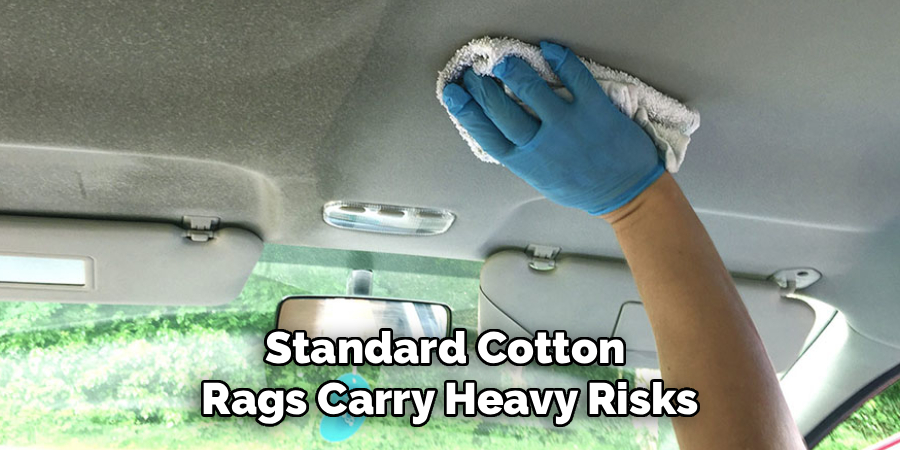
High-Quality Microfiber Towels
Standard cotton rags carry heavy risks when used on interior ceilings. Their rough texture might snag the delicate weave of the roof lining. Plush microfiber towels offer a significantly safer alternative.
These specialized cloths gently trap dirt particles deep within their synthetic fibers. They manage this without pulling or pilling the fragile surface material. You should keep several clean, dry towels on hand before starting the process.
Rotating your towels frequently prevents you from transferring existing dirt back onto a freshly cleaned section. Clean equipment translates directly to a cleaner surface.
How to Clean Car Headliner: Step-by-Step Guide
We now transition to the actual physical process. By adhering to this exact sequence, you can safely treat your vehicle’s roof panel by panel. Patience remains your greatest asset when learning how to clean car headliner materials.
A gentle touch generally produces the best possible outcome. Working in a brightly lit environment could help you spot subtle watermarks or dust accumulation. Good lighting also prevents you from missing hidden grease stains.
Step 1: Gently Dry Brush Loose Dust
You should always begin with a dry pass. Use a very soft-bristled detailing brush or a completely dry microfiber towel. Lightly sweep the entire surface of the ceiling.
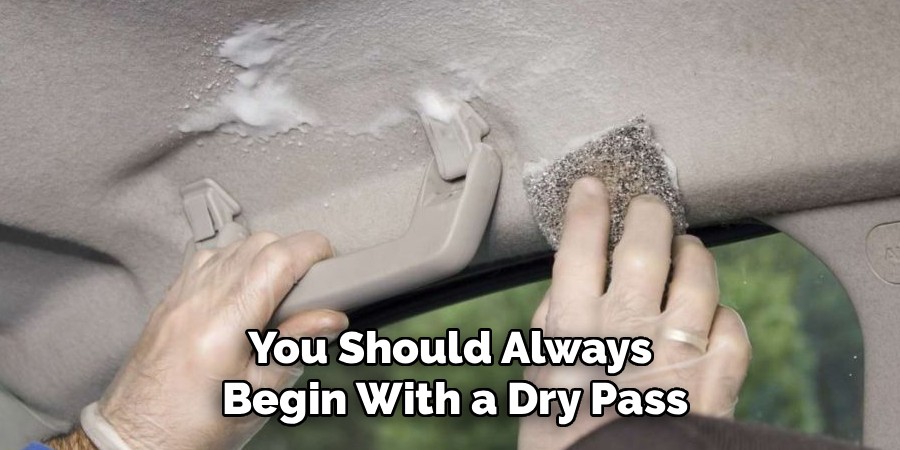
This initial action removes loose dust and pet hair before any liquid enters the equation. Applying heavy pressure at this stage could easily fray the delicate fibers. Keep your movements light and controlled.
Working from the front windshield toward the rear window tends to maintain a consistent visual grain in the fabric. This directional sweeping might also prevent irregular shading in the material.
Step 2: Apply Cleaner to the Towel
The method of chemical application requires strict discipline. You must never spray liquid directly onto the ceiling fabric. Direct application frequently causes uneven saturation and destroys the adhesive bond.
Spray a modest amount of foaming cleaner directly onto a folded microfiber towel instead. Let the foam settle into the cloth for a brief moment. The towel should feel slightly damp, but it must never drip liquid.
Step 3: Wipe Using Gentle Motions
Take the damp towel and approach the stained area carefully. You should gently dab or blot the specific blemish. If the dirty patch covers a broader area, wipe the fabric in one single, continuous direction.
Scrubbing back and forth twists the fabric fibers uncomfortably. This aggressive friction could cause the material to separate from its foam backing. Apply absolutely zero upward pressure.
Allow the chemical cleaning solution to do the heavy lifting. The foam is designed to suspend the dirt naturally.
Step 4: Absorb Excess Moisture
Removing the suspended dirt requires an immediate follow-up action. Take a completely dry, fresh microfiber towel. Blot the freshly cleaned area gently but firmly.
This secondary action pulls the remaining moisture out of the fabric. Leaving the material damp overnight heavily invites sagging and potential mold growth. You must ensure the ceiling dries as quickly as possible.
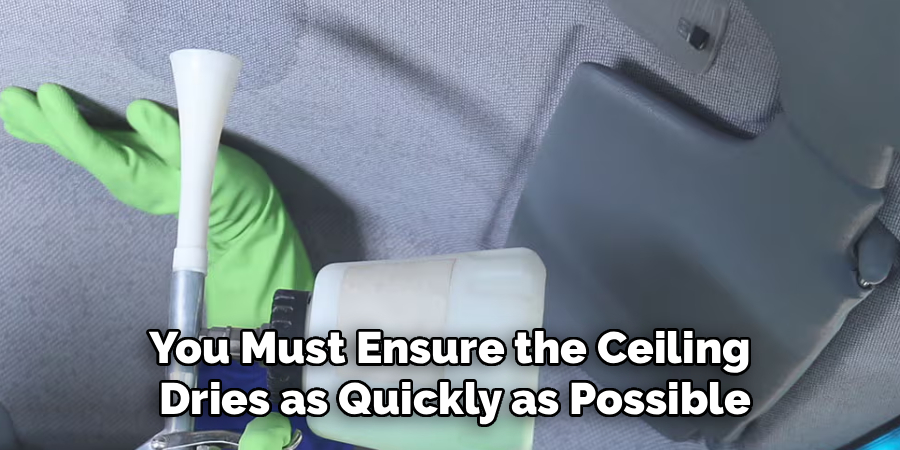
Leave your vehicle windows rolled down in a dry, warm environment for a few hours. Proper air circulation appears to indicate a much higher success rate for this entire procedure.
Tackling Stubborn Stains and Odors
A standard surface wipe might not resolve every interior issue. Certain blemishes require a slightly altered approach. You must handle problem areas carefully while maintaining your commitment to preserving the adhesive backing.
Grease and smoke present the two most common challenges for vehicle owners. Addressing these specific contaminants requires patience.
Removing Tough Oil Marks
Mechanic handprints or accidental makeup smudges leave stubborn oil marks on the ceiling. Standard foam cleaners occasionally struggle to break down heavy grease. You might need to use a specialized fabric degreaser.
A highly diluted mixture of white vinegar and water could also serve as a safe alternative. Dab the solution directly onto the stain, working from the outside edge toward the center. This specific direction prevents the oil from spreading outward across the clean fabric.
Use a fresh section of your towel for every single dab. Reusing a dirty section simply pushes the grease back into the weave.
Neutralizing Smoke Smells
Deep-seated odors naturally rise and become trapped in the roof fabric. Cigarette smoke and dampness are particularly offensive. Heavy artificial perfumes only mask these smells temporarily.
An enzymatic odor neutralizer could offer a permanent solution. Mist the enzyme spray lightly onto a towel and wipe the ceiling. These specific biological cleaners actively break down the bacteria causing the scent.
You might also consider a passive, dry method for lingering smells. Leaving a bowl of activated charcoal inside the closed vehicle overnight appears to absorb residual odors quite effectively.
Preventing Future Odors
Regular Maintenance
To avoid odors from building up over time, maintaining a clean environment is essential. Vacuum the interior regularly to remove dirt, food crumbs, and other debris that can contribute to unpleasant smells. Additionally, wash seat covers, floor mats, and other fabric elements periodically to ensure they remain fresh.
Air Circulation
Proper air circulation can significantly help in preventing odors from becoming trapped in a closed-off space. Whenever possible, allow fresh air to flow through by opening windows or using the ventilation system. Using an air purifier designed for small spaces can also aid in keeping the air inside clean and free of contaminants.

FAQs About Odor Removal in Vehicles
What Causes Persistent Odors in Vehicles?
Persistent odors in vehicles are often caused by bacteria, mold, or mildew that thrive in dark and humid conditions. Other culprits include spills, cigarette smoke, and pet dander, which can leave lingering smells even after cleaning.
How Do Enzymatic Cleaners Work?
Enzymatic cleaners work by using natural enzymes to break down and digest organic matter, such as bacteria, that cause odors. This method doesn’t simply mask the smell but eliminates the source, providing a long-lasting solution.
Is Activated Charcoal Safe to Use in Cars?
Yes, activated charcoal is completely safe to use in vehicles. It’s a non-toxic and passive odor absorber that efficiently captures unwanted smells, leaving the car’s air smelling fresh and clean.
Can I Use Regular Household Cleaners for Car Odors?
While some household cleaners may help with minor smells, they are often not designed for the specific issues that occur in vehicles. Enzymatic cleaners or odor-specific products are more effective for removing stubborn, embedded odors.
How Often Should I Treat My Car for Odors?
The frequency depends on usage and exposure to odor-causing elements. For everyday use, a deep odor treatment every few months is sufficient. However, for specific issues like spills or smoking, treating odors immediately is recommended.
If you frequently travel with pets or children, it may be necessary to treat odors more frequently. It is also a good idea to have your car professionally cleaned and deodorized at least once a year.
Conclusion
Preserving the aesthetic of your vehicle’s interior requires a gentle, informed approach. The roof fabric exists in a highly vulnerable state. Knowing exactly how to clean car headliner materials safely protects you from costly repair bills.
A sagging ceiling drastically reduces the resale value of any automobile. Remember to avoid direct spraying at all costs. Keep your wiping motions gentle and directional.
Moisture control remains the absolute governing principle of this maintenance task. Gather your plush towels, select a mild foaming cleaner, and restore your vehicle’s interior to a spotless condition.

About
Ora Hayes is a distinguished figure in the world of DIY Thecarfixes, with over a decade of expertise in automotive diagnostics and high-performance maintenance. Her professional focus lies in merging mechanical precision with modern digital tools, fostering repair solutions that are both cost-effective and highly reliable. As the author of Thecarfixes, Ora Hayes delves into the art and science of automotive restoration, inspiring car owners and hobbyist mechanics alike.
Education
RMIT University (Melbourne, Australia) Associate Degree in Automotive Engineering — Focus on vehicle dynamics, industry-driven repair protocols, and advanced diagnostics. Gained hands-on experience with traditional mechanical tools and modern ECU remapping software.
Nottingham Trent University (United Kingdom) Bachelor’s in Mechanical Design and Automotive Engineering (Honors) — Specialized in automotive systems with a focus on blending technical engineering with everyday usability. Participated in industry projects, working with leading automotive manufacturers to gain real-world insights into vehicle longevity.
Publications and Impact
In Thecarfixes, Ora Hayes shares her insights on troubleshooting complex engine issues, material durability, and strategies for efficient garage setups. Her writing bridges the gap between professional mechanic knowledge and the home enthusiast’s needs, making it a must-read for both everyday drivers and seasoned gearheads.