Welcome, fellow home gardeners! Bringing home delicate spring seedlings, heavy terracotta pots, and large bags of loose potting soil requires a steady hand and a very smooth ride. Upgrading to a modern electric vehicle provides wonderful environmental benefits, but the unique driving dynamics can sometimes catch you completely off guard. You might notice your car jerking aggressively every single time you lift your foot off the accelerator pedal.

This sudden, aggressive slowing motion easily tips over your tall potted tomatoes and spills messy soil all over your clean interior cargo area. If you are tired of cleaning up dirt after every single trip to the local nursery, you need to adjust your driving settings. Understanding exactly how to turn off regenerative braking will instantly return your electric vehicle to a smooth, familiar cruising experience. You do not need to be a mechanical expert or an advanced computer programmer to make this simple adjustment. Let us grab our car keys and prepare your vehicle for a perfectly peaceful, soil-free garden haul today!
Step-by-Step Guide: How to Turn Off Regenerative Braking
Step 1: Secure Your Plant Haul First
Before you start tapping buttons on your digital dashboard, you must establish a safe physical environment inside your vehicle. Transporting delicate foliage and heavy bags of organic compost requires proper cargo management. Arrange your tall plants tightly inside a sturdy cardboard box to prevent them from sliding around your trunk space. Place heavy bags of soil directly over the rear axle to balance the weight evenly across your electric car. Ensuring your botanical cargo rests securely gives you incredible peace of mind while you test your brand new driving settings. A well-organized cargo area prevents messy dirt spills, even if you experience a sudden stop during your neighborhood commute.

Step 2: Park Safely in Your Driveway
Attempting to adjust deep digital menus while actively driving creates an incredibly dangerous situation for you and your local neighborhood. You must park your electric vehicle safely in your flat driveway or completely inside your garage before touching the digital settings. Shift the transmission firmly into the park position and apply the emergency parking brake for added physical security. Adjusting your computer software requires your undivided visual attention. Taking a brief moment to secure your physical location guarantees you can navigate the complex software menus without ignoring sudden traffic changes or crossing pedestrians. Safety always remains the top priority before altering any mechanical vehicle behavior.
Step 3: Turn on Your Vehicle Display
Once your car rests safely in the driveway, you need to wake up the central computer system. Press the main power button or tap the large digital touchscreen lightly to illuminate the dashboard interface. Modern electric vehicles rely heavily on this central digital hub to control everything from your cabin temperature to your internal radio stations. Wait patiently for the software to finish booting up completely. A fully loaded digital interface ensures the screen responds instantly to your gentle physical touches without any frustrating software lag. You are now standing exactly where you need to be to establish a beautiful, smooth driving experience for your sensitive cargo.

Step 4: Access the Main Vehicle Settings
Navigate your visual attention toward the primary digital control center on your glowing dashboard. Look closely for a specific icon shaped exactly like a mechanical gear or a small physical vehicle silhouette. Tapping this recognizable icon opens the master settings menu for your entire electric car. This central digital hub controls your specific user profile, letting you customize the driving experience to match your personal daily preferences. Modern automotive software organizes these complex features into simple, readable categories. You will instantly notice a wide variety of different tabs arrayed along the side or bottom of your bright digital screen.
Step 5: Locate the Driving or Pedals Menu
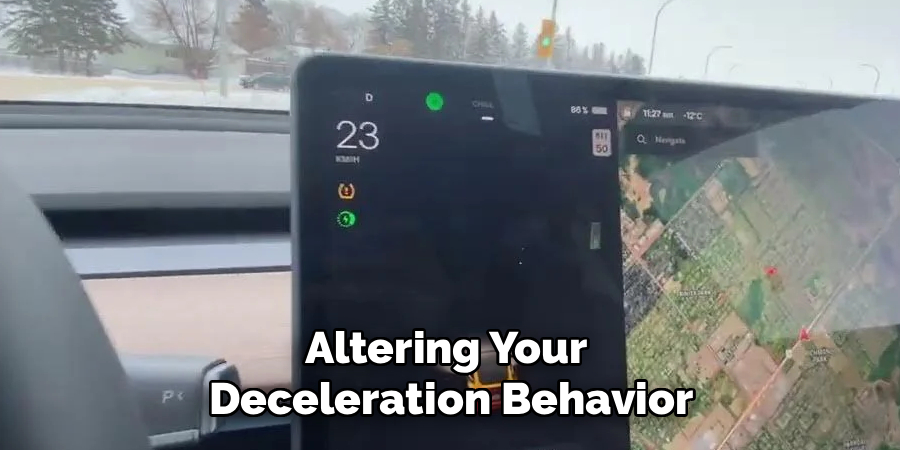
Inside your primary settings application, scan the screen carefully for a specific menu category labeled with driving dynamics, pedals, or steering. Tapping this specific category reveals a detailed list of all the physical performance options your car currently uses. This section dictates exactly how the steering wheel feels and how aggressively the electric motors respond to your foot. Automotive engineers place the energy recovery settings exclusively inside this specific performance tab. You must carefully scroll through these specialized options to locate the exact feature altering your deceleration behavior. Finding this specific digital menu brings you one step closer to protecting your fragile spring seedlings.
Step 6: Find the Braking Preferences Section
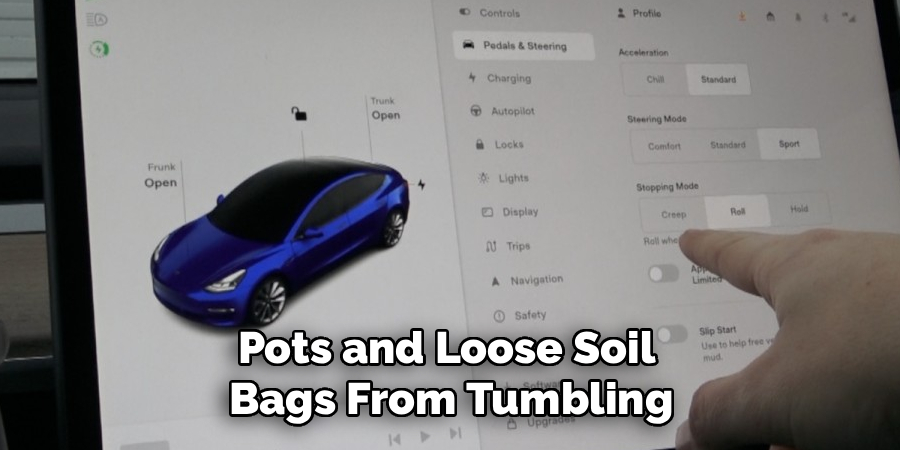
As you scroll down the digital performance menu, a distinct heading dedicated completely to energy recovery will magically appear on your screen. This text usually displays terms related to energy regeneration, deceleration, or battery recovery modes. If you want to know how to turn off regenerative braking entirely, locating this precise digital slider represents your most crucial action. The interface will likely show your current setting highlighted in a bright color, usually defaulting to standard or strong mode. This high setting forces the car to harvest massive amounts of energy, causing that highly frustrating jerking motion that consistently tips over your delicate ferns.
Step 7: Select the Low or Off Setting
Tap your finger directly onto the lowest possible setting available on your digital slider. Different automotive manufacturers label this minimal setting differently; you might see the words low, creep, weak, or completely off. Selecting this minimal option tells the main vehicle computer to stop aggressively harvesting kinetic energy the moment you lift your foot. The internal computer will instantly register your new preference and save the data to your personal driver profile. Your electric car will now glide forward naturally, mimicking the highly familiar, relaxed coasting sensation of a traditional gasoline-powered vehicle.
Step 8: Test the New Smooth Driving Feel
The final rewarding step involves testing your brand new digital configuration on a quiet neighborhood street. Shift the car into drive and accelerate gently up to a moderate cruising speed. Slowly lift your foot entirely off the accelerator pedal to observe the new mechanical behavior. Instead of jerking forward aggressively, the car will now coast smoothly and gracefully along the pavement. You will need to actively press the physical brake pedal to bring the vehicle to a complete stop. This wonderfully smooth, predictable deceleration perfectly protects your heavy terracotta pots and loose soil bags from tumbling violently around your cargo area.
Frequently Asked Question
What Exactly Is This Braking Feature?
- Automotive engineers design electric vehicles to capture lost kinetic energy and send it directly back into the battery pack.
- When you lift your foot off the accelerator, the electric motors instantly reverse their polarity to act as powerful generators.
- This aggressive mechanical resistance slows the car down rapidly without you ever touching the physical brake pedal.
- While highly efficient, this sudden slowing motion frequently feels incredibly jarring and unnatural to new electric vehicle owners.
Will Disabling This Feature Hurt My Battery Range?
- Yes, minimizing this specific energy recovery feature will slightly reduce your total maximum driving range.
- By coasting naturally, you lose the opportunity to harvest free electricity during your daily neighborhood commutes.
- However, the actual range penalty remains quite small, typically only affecting your total battery capacity by a few percentage points.
- Most home gardeners gladly trade a tiny bit of electricity for a perfectly smooth, spill-free trip home from the local plant nursery.
Can I Change The Settings While Driving?
- We strongly advise against navigating deep software menus while actively operating your heavy vehicle.
- Looking away from the road to tap a digital touchscreen dramatically increases your risk of causing a severe traffic accident.
- Always pull over into a quiet parking lot or wait until you arrive home to adjust your performance software safely.
- Some modern cars actually lock these specific digital menus completely while the wheels remain in physical motion.
Why Do My Plants Fall Over In The Car?
- Standard gasoline cars coast smoothly, allowing delicate cargo to remain perfectly upright and highly stable.
- Electric vehicles with high energy recovery enabled decelerate so sharply that the sudden gravitational shift throws tall objects forward instantly.
- Heavy terracotta pots and top-heavy tomato plants simply cannot withstand this abrupt, aggressive change in physical momentum.
- Lowering your energy recovery settings entirely eliminates this harsh gravitational pull, keeping your beautiful foliage safe and secure.
Do All Electric Vehicles Let You Change This?
- The vast majority of modern automotive manufacturers allow drivers to customize their energy recovery levels easily.
- Brands like Tesla, Ford, and Hyundai feature deep digital menus dedicated specifically to managing these physical performance traits.
- However, a few specific models force drivers to use high regeneration permanently to maximize their advertised battery range ratings.
- You should always check your physical owner’s manual to confirm your exact software capabilities before attempting to alter the performance.
Conclusion
Bringing your favorite botanical treasures home safely drastically enhances the joyful experience of cultivating a beautiful spring garden. By simply adjusting your digital dashboard settings, you can instantly eliminate the frustrating jerking motions that constantly spill loose dirt across your clean interior. You no longer have to suffer through an aggressive, uncomfortable daily commute just because you purchased a highly efficient modern vehicle.
Understanding exactly how to turn off regenerative braking empowers you to blend modern automotive technology perfectly with your delicate, organic hobbies. The wonderful smoothness of your new daily commute will serve as a fantastic reward for your deliberate technical adjustments. Organize your heavy cargo boxes, buckle your seatbelt, and start driving peacefully toward the local nursery today. Your thriving backyard vegetable patch and your perfectly spotless car trunk will absolutely inspire your very best horticultural work for many seasons to come!

About
Ora Hayes is a distinguished figure in the world of DIY Thecarfixes, with over a decade of expertise in automotive diagnostics and high-performance maintenance. Her professional focus lies in merging mechanical precision with modern digital tools, fostering repair solutions that are both cost-effective and highly reliable. As the author of Thecarfixes, Ora Hayes delves into the art and science of automotive restoration, inspiring car owners and hobbyist mechanics alike.
Education
RMIT University (Melbourne, Australia) Associate Degree in Automotive Engineering — Focus on vehicle dynamics, industry-driven repair protocols, and advanced diagnostics. Gained hands-on experience with traditional mechanical tools and modern ECU remapping software.
Nottingham Trent University (United Kingdom) Bachelor’s in Mechanical Design and Automotive Engineering (Honors) — Specialized in automotive systems with a focus on blending technical engineering with everyday usability. Participated in industry projects, working with leading automotive manufacturers to gain real-world insights into vehicle longevity.
Publications and Impact
In Thecarfixes, Ora Hayes shares her insights on troubleshooting complex engine issues, material durability, and strategies for efficient garage setups. Her writing bridges the gap between professional mechanic knowledge and the home enthusiast’s needs, making it a must-read for both everyday drivers and seasoned gearheads.