Brake fluid is a vital part of your braking system because it transfers pressure from the brake pedal to the brakes at each wheel. If the level is low, your car may take longer to stop, the pedal may feel soft, or a brake warning light may appear. If you are learning how to add brake fluid to car, the key is to use the correct fluid, keep dirt out of the reservoir, and avoid overfilling.
This beginner-friendly guide explains the safe way to check and top off brake fluid. It also helps you understand when low fluid is a simple maintenance issue and when it may point to worn brake pads or a leak that needs professional repair. Brake fluid can damage paint quickly, so wipe spills right away with plenty of water and a clean cloth. If the brake pedal feels soft, the warning light stays on, or the fluid keeps dropping after you add it, do not keep driving.
Why Adding Brake Fluid Matters
Adding brake fluid matters because your brake system depends on steady hydraulic pressure. When the fluid level drops too low, air can enter the system, braking performance can suffer, and the pedal may feel spongy or sink lower than normal. Have the brake system inspected immediately.
Keeping the fluid at the proper level helps maintain safer stopping power and supports parts like the master cylinder, calipers, and wheel cylinders. It can also help you catch early warning signs before they become serious. A low reservoir may mean normal brake pad wear, but it can also signal a leak. Since brakes are a critical safety system, topping off the fluid should always include a careful check for warning lights, soft pedal feel, wet spots, or repeated fluid loss.
Step-By-Step Guide To Adding Brake Fluid
Step 1: Park On A Level Surface
Park your car on a flat, stable surface before checking the brake fluid. A level position gives you the most accurate reading on the reservoir markings. Put the vehicle in park or in gear if it has a manual transmission, set the parking brake, and turn off the engine.
Let the car cool for a few minutes if you have been driving. You will be working under the hood, so avoid hot engine parts. Good lighting also helps. If you are in a garage, make sure there is enough space to open the hood fully and move safely around the front of the vehicle.
Step 2: Locate The Brake Fluid Reservoir
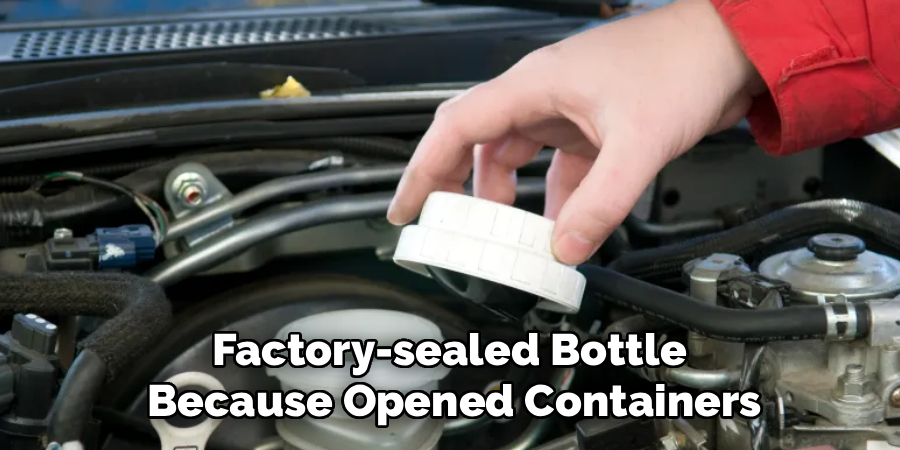
Open the hood and look near the back of the engine bay, usually on the driver’s side. The brake fluid reservoir is commonly a small, translucent plastic tank mounted on top of the master cylinder. The master cylinder is attached near the firewall, close to where the brake pedal sits inside the car.
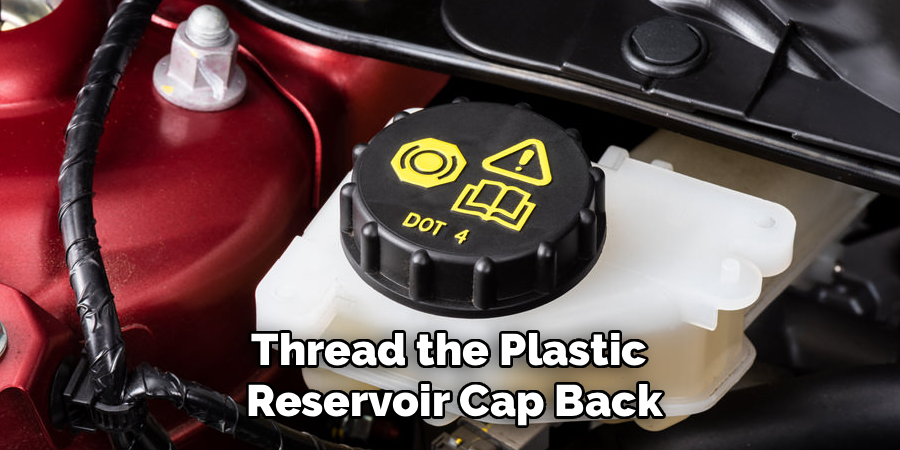
The reservoir cap may say “brake fluid” and may list the required type, such as DOT 3 or DOT 4. If you are unsure, check your owner’s manual. Do not confuse it with the power steering, windshield washer, or coolant reservoir. Adding brake fluid to the wrong place can cause serious problems.
Step 3: Check The Fluid Level Markings
Look at the side of the reservoir before opening the cap. Most reservoirs have “minimum” and “maximum” lines molded into the plastic. The fluid should sit between these marks. If the reservoir is dirty or hard to see through, use a flashlight from the side to help read the level.
Do not assume low fluid always means it simply evaporated. Brake fluid level can drop gradually as brake pads wear, because the caliper pistons extend farther. A sudden drop is more concerning and may mean a leak. If the level is below the minimum mark, inspect carefully before driving.
Step 4: Confirm The Correct Fluid Type
Brake fluid types are not all the same, so confirm the correct one before opening the bottle. Check the reservoir cap first, then verify with the owner’s manual. Many vehicles use DOT 3 or DOT 4, while some require other specifications. DOT 5 silicone fluid is different and should not be added unless the vehicle specifically requires it.
Use only fresh brake fluid from a sealed container. Brake fluid absorbs moisture from the air, which can lower its boiling point and reduce performance. Avoid using an old bottle that has been open for months. When in doubt, buy a new container that matches the manufacturer’s requirement.
Step 5: Clean Around The Reservoir Cap
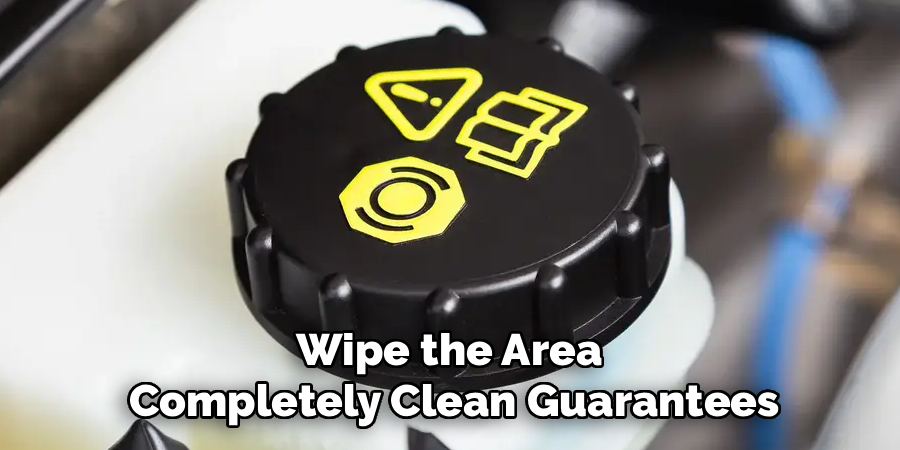
Before removing the cap, clean the area around it with a clean rag. Dust, sand, leaves, and grease can fall into the reservoir if you open it while the top is dirty. Contamination can harm seals, valves, and other brake system parts.
Do not spray harsh cleaners directly around the reservoir opening. If you need extra cleaning power, apply a small amount to a cloth first and wipe carefully. Keep the outside of the reservoir dry and clean. This step may seem small, but it protects the entire hydraulic system from particles that should never mix with brake fluid.
Step 6: Open The Cap Carefully
Remove the reservoir cap slowly and place it on a clean surface with the inside facing up. Some caps have a rubber diaphragm underneath. If yours does, do not lose it, tear it, or set it on a dirty surface. The diaphragm helps seal the reservoir and limit moisture exposure.
Look at the fluid condition while the cap is off. Healthy brake fluid is often clear to light amber, depending on type and age. Very dark, cloudy, gritty, or contaminated fluid may mean the system needs service instead of a simple top-off. Keep the reservoir open only as long as needed.
Step 7: Add Fluid Slowly
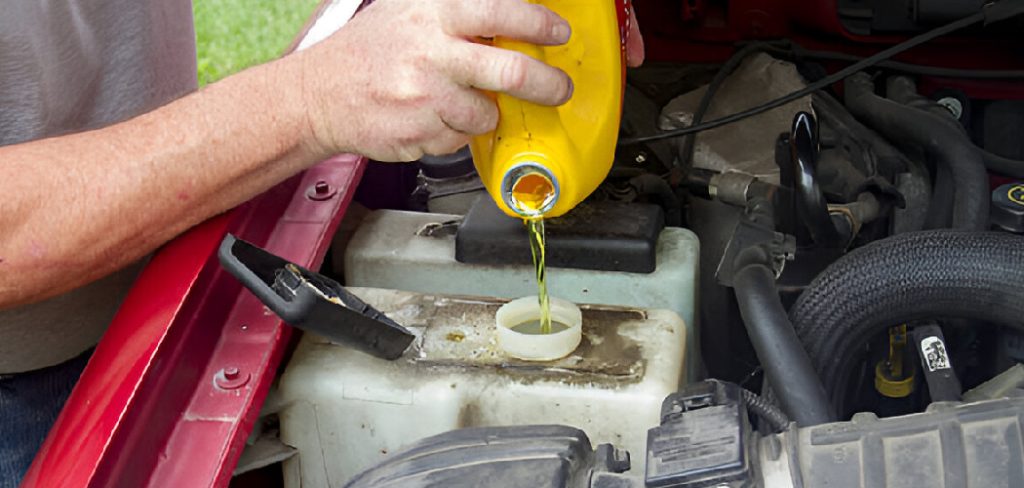
A careful approach to how to add brake fluid to car is to pour slowly and stop often to check the level. Use a clean funnel if needed, but make sure it has never been used for oil, coolant, or other fluids. Cross-contamination can damage brake components.
Add small amounts until the fluid reaches the proper range, usually near but not above the maximum line. Do not overfill the reservoir. Fluid can expand with heat, and too much fluid may spill out or create problems during future brake service. If any fluid touches paint, rinse it off quickly with water.
Step 8: Check For Leaks And Warning Signs
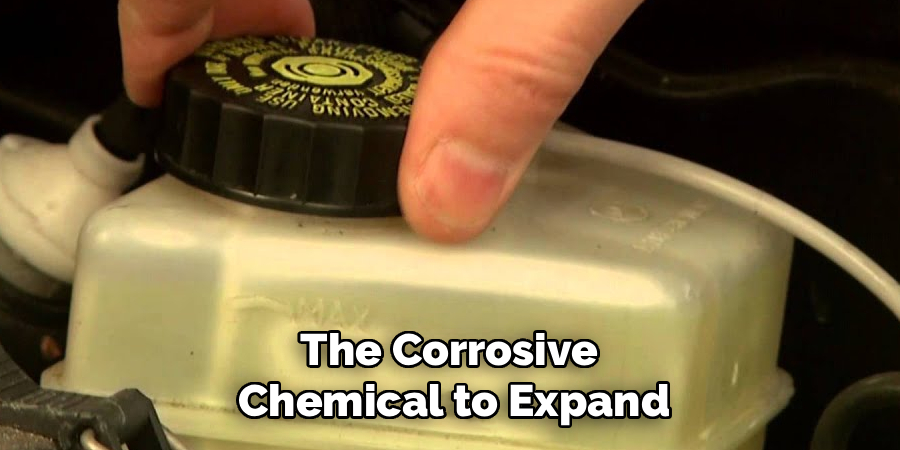
After adding fluid, reinstall the cap securely and wipe the area clean. Press the brake pedal a few times. It should feel firm and consistent, not soft, spongy, or slowly sinking. Check under the vehicle and around each wheel for wet spots, drips, or a strong chemical smell.
If the brake warning light stays on, the pedal feels unusual, or the fluid level drops again soon, stop driving and get professional diagnosis. Low brake fluid can be caused by worn pads, but visible leaks or repeated loss are serious. Brake lines, calipers, wheel cylinders, and the master cylinder may need inspection.
Frequently Asked Questions
What Type Of Brake Fluid Does My Car Need?
Your car needs the brake fluid type listed on the reservoir cap or in the owner’s manual. Common types include DOT 3 and DOT 4, but you should never guess. The wrong fluid can affect braking performance and damage parts. If the cap is unreadable or the manual is missing, ask a qualified mechanic or parts professional to confirm the correct specification.
Can I Drive With Low Brake Fluid?
Driving with low brake fluid is risky because the brake system may not build proper hydraulic pressure. If the level is only slightly low and the pedal feels normal, you may be able to top it off and monitor it. However, if the warning light is on, the pedal feels soft, or the level is below minimum, avoid driving and have the system inspected.
Why Does My Brake Fluid Keep Getting Low?
Brake fluid can drop as brake pads wear because the caliper pistons move outward to compensate. However, repeated or sudden fluid loss often points to a leak. Common leak points include brake lines, calipers, wheel cylinders, hoses, and the master cylinder. Since leaks can lead to brake failure, persistent low fluid should always be checked by a professional.
Is It Bad To Overfill The Brake Fluid Reservoir?
Yes, overfilling the reservoir can cause problems. Brake fluid may expand when hot, and excess fluid can spill out of the cap area. Spilled fluid can damage paint and make a mess under the hood. Overfilling can also create issues during brake pad replacement, when fluid is pushed back into the reservoir. Keep the level within the marked range.
How Often Should Brake Fluid Be Replaced?
Brake fluid replacement intervals vary by vehicle, driving conditions, and manufacturer guidance. Many vehicles need a brake fluid change every two to three years, but some schedules differ. Since brake fluid absorbs moisture over time, old fluid can reduce braking performance and corrode internal parts. Check your owner’s manual and ask a mechanic to test the fluid if you are unsure.
Conclusion
Adding brake fluid is a simple task, but it must be done with care. Park on level ground, find the correct reservoir, read the level marks, confirm the right fluid type, clean the cap area, and add fluid slowly without overfilling. Always avoid contamination and protect your car’s paint from spills.
Knowing how to add brake fluid to car can help you handle basic maintenance, but it should also make you alert to bigger problems. If the level keeps dropping, the pedal feels soft, warning lights appear, or you see leaks, get immediate professional brake service.

About
Ora Hayes is a distinguished figure in the world of DIY Thecarfixes, with over a decade of expertise in automotive diagnostics and high-performance maintenance. Her professional focus lies in merging mechanical precision with modern digital tools, fostering repair solutions that are both cost-effective and highly reliable. As the author of Thecarfixes, Ora Hayes delves into the art and science of automotive restoration, inspiring car owners and hobbyist mechanics alike.
Education
RMIT University (Melbourne, Australia) Associate Degree in Automotive Engineering — Focus on vehicle dynamics, industry-driven repair protocols, and advanced diagnostics. Gained hands-on experience with traditional mechanical tools and modern ECU remapping software.
Nottingham Trent University (United Kingdom) Bachelor’s in Mechanical Design and Automotive Engineering (Honors) — Specialized in automotive systems with a focus on blending technical engineering with everyday usability. Participated in industry projects, working with leading automotive manufacturers to gain real-world insights into vehicle longevity.
Publications and Impact
In Thecarfixes, Ora Hayes shares her insights on troubleshooting complex engine issues, material durability, and strategies for efficient garage setups. Her writing bridges the gap between professional mechanic knowledge and the home enthusiast’s needs, making it a must-read for both everyday drivers and seasoned gearheads.