A clean car feels better to drive, looks more professional, and protects your investment over time. Dirt, dust, food crumbs, road salt, pollen, and moisture can build up quickly, especially if you drive every day. When you ignore them, your vehicle can start to smell stale, look worn, and even suffer damage to paint, upholstery, and interior surfaces.
The good news is that car cleaning does not have to be complicated. You do not need expensive tools or hours of free time. With a simple routine and the right habits, you can keep your vehicle fresh inside and out.
This guide is for beginners who want practical, easy-to-follow advice. You will learn why cleanliness matters, how to build a simple cleaning process, and how to avoid common mistakes that make your car harder to maintain.
Why A Clean Car Matters
Keeping your car clean is about more than appearance. A clean vehicle is easier to enjoy, safer to use, and often cheaper to maintain. When windows, mirrors, headlights, and backup cameras stay clear, you can see better and react faster on the road. That alone makes regular cleaning worth the effort.
A clean interior also improves comfort. Dusty vents, sticky cup holders, old receipts, and crumbs can make even a reliable car feel unpleasant. If you commute, drive kids to school, or use your car for work, a tidy cabin helps reduce stress and makes each trip feel more organized. Then use car wash soap, not dish soap, because dish soap can strip protective wax
Cleaning also protects your vehicle’s value. Dirt and grime can scratch paint if left too long. Bird droppings, tree sap, bug splatter, and road salt can damage the exterior finish. Inside the car, spills can stain fabric, leather can dry out, and clutter can cause unnecessary wear.
Step-By-Step Guide To How To Keep Your Car Clean
Step 1: Remove Trash And Personal Items

Start with the easiest win: clear out everything that does not belong. Remove food wrappers, bottles, receipts, old mail, gym clothes, toys, and anything else that has built up over time. Check under seats, in door pockets, between seat cushions, and inside the trunk.
This step makes every other cleaning task easier. You cannot vacuum well or wipe surfaces properly if clutter is in the way. Keep a small trash bag in the car so you can throw away waste immediately. Make it a habit to take personal items inside at the end of each day.
Step 2: Clean With A Weekly Reset
A weekly reset keeps mess from getting out of control. Choose one day each week to spend 10 to 15 minutes tidying your car. Remove trash, shake out floor mats, wipe dusty surfaces, and check for spills or crumbs.
This small habit prevents deep cleaning from becoming overwhelming. It also helps you spot problems early, like a leaking drink, muddy floor mat, or sticky console. If you drive often, a weekly reset is one of the best ways to keep your car feeling fresh without spending your weekend cleaning.
Step 3: Vacuum The Interior Thoroughly
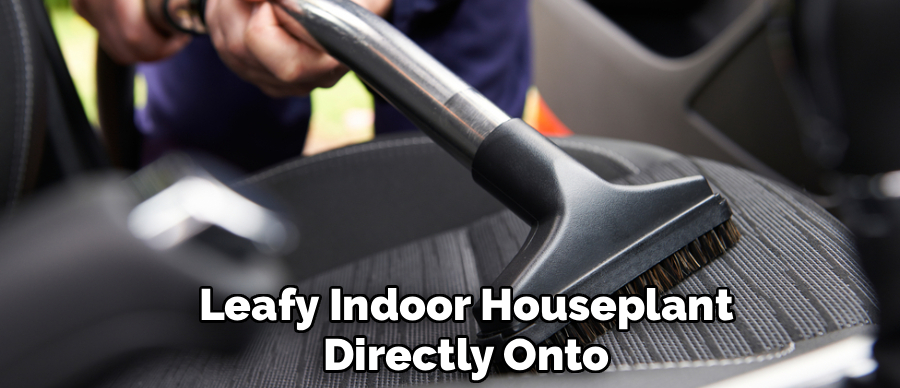
Vacuuming removes dust, dirt, crumbs, pet hair, and grit that can wear down your interior. Start with the seats, then move to the floor, mats, trunk, and tight areas around the center console. Use a crevice tool if you have one, because dirt often hides in narrow gaps.
Take out the floor mats before vacuuming. Shake them outside first, then clean the carpet underneath. If your mats are rubber, rinse them and let them dry before putting them back. Regular vacuuming makes the cabin look better and helps reduce odors.
Step 4: Wipe Down Interior Surfaces
After vacuuming, clean the dashboard, steering wheel, center console, door panels, gear shift, cup holders, and touch screens. Use a microfiber cloth because it traps dust and reduces scratches. For general surfaces, use an interior-safe cleaner instead of harsh household products. Sometimes you simply must place a tall, leafy indoor houseplant directly onto your soft fabric passenger seats for the ride home.
Pay special attention to high-touch areas. The steering wheel, handles, buttons, and seat belt buckles collect oils and germs from your hands. Avoid soaking electronics or spraying cleaner directly onto screens. Spray the cloth first, then wipe gently. This keeps surfaces clean without risking damage.
Step 5: Clean Windows, Mirrors, And Glass

Clean glass improves visibility and gives your car a polished look. Use an automotive glass cleaner and a clean microfiber towel. Wipe the inside and outside of the windshield, side windows, rear window, and mirrors.
Interior glass often gets cloudy from dust, fingerprints, and film from plastics and air conditioning. Work in straight lines so you can see streaks more easily. If streaking continues, use a second dry towel to buff the glass. Clean windows help you drive more safely, especially at night or in bright sunlight.
Step 6: Wash The Exterior The Right Way
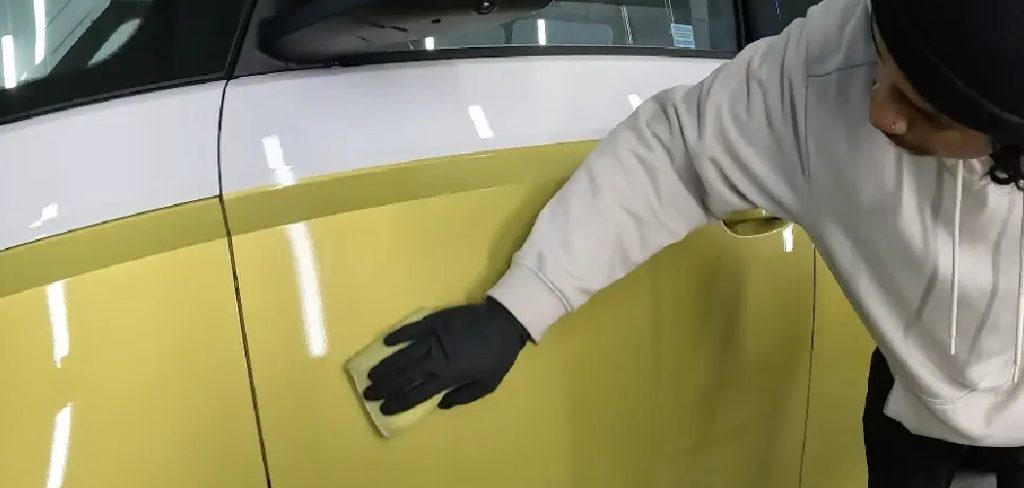
A proper exterior wash protects your paint. Rinse the car first to remove loose dirt. Then use car wash soap, not dish soap, because dish soap can strip protective wax. Wash from the top down, since lower panels usually carry the most dirt.
Use a soft wash mitt and rinse it often. Scrubbing with dirty tools can cause fine scratches. After washing, rinse well and dry the car with a microfiber drying towel. Letting water air-dry can leave mineral spots, especially in sunny weather. A careful wash keeps your car looking newer for longer.
Step 7: Car Clean Between Washes
Daily habits matter as much as deep cleaning. Avoid eating messy foods in the car when possible. If you carry drinks, use secure lids and clean spills right away. Keep wipes, a small trash bag, and a microfiber cloth within easy reach.
Park away from trees when you can, since sap, pollen, and bird droppings can quickly dirty the exterior. If bird droppings or bug splatter land on your paint, remove them as soon as possible. Small actions between washes prevent stains, smells, and buildup.
Step 8: Protect Surfaces For Longer Results
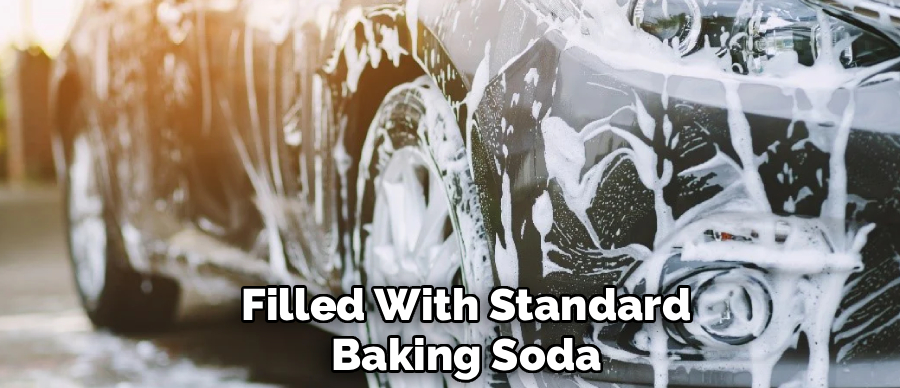
Once your car is clean, protect it so the results last. Apply wax or paint sealant to the exterior every few months to help shield the paint from dirt, water, and UV exposure. For the interior, use products made for your seat material, whether it is fabric, vinyl, or leather.
Protection makes future cleaning easier. Dirt sticks less, spills wipe up faster, and surfaces age more slowly. Do not overuse shiny dashboard products, because they can create glare on sunny days. Choose a natural finish and follow product directions for best results.
Frequently Asked Questions
How Often Should I Wash My Car?
Most drivers should wash their car every two to four weeks. If you live near the ocean, drive on salted winter roads, park under trees, or travel on dusty roads, you may need to wash it more often. The goal is to remove substances that can damage paint, such as salt, sap, bird droppings, and bug residue. A regular schedule keeps cleaning easier and protects your vehicle’s appearance.
What Is The Best Way To Prevent Bad Car Odors?
The best way to prevent odors is to remove the source quickly. Do not leave food, wet clothes, trash, or pet items in the car. Vacuum regularly, clean spills as soon as they happen, and keep floor mats dry. You can also replace the cabin air filter if the smell comes from the vents. Air fresheners may help briefly, but they will not solve the problem if dirt or moisture remains.
Can I Use Household Cleaners Inside My Car?
It is better to use cleaners made for automotive interiors. Some household cleaners contain strong chemicals that can dry out plastic, damage leather, fade fabric, or leave streaks on screens. If you are unsure, test the cleaner on a small hidden area first. A microfiber cloth with a mild interior cleaner is usually enough for dashboards, consoles, and door panels. Always avoid soaking buttons, screens, and electrical parts.
Should I Clean The Interior Or Exterior First?
If you plan to clean the whole car in one session, start with the interior. Removing trash, vacuuming, and wiping surfaces can kick up dust that may settle outside. Once the inside is done, move to the exterior wash. However, if your car is covered in mud, salt, or bird droppings, wash the exterior first to protect the paint. The best order depends on which area needs urgent attention.
How Can I Keep My Car Clean With Kids Or Pets?
Use simple systems that make mess easier to control. Seat covers, rubber floor mats, small trash bags, and washable storage bins can help a lot. Keep wipes nearby for sticky hands, muddy paws, or small spills. Vacuum more often if you carry pets, since hair and dirt build up quickly. After each trip, take one minute to remove trash and bring toys, bags, and snacks back inside.
Conclusion
A clean car starts with simple habits, not complicated tools. Remove clutter often, vacuum the interior, wipe high-touch surfaces, clean the glass, wash the exterior properly, and protect surfaces so your work lasts longer. When you stay consistent, your car looks better, smells fresher, and holds its value more effectively.
Start small today. Clear out trash, wipe the dashboard, or schedule a quick weekend wash. Once you build the routine, keeping your vehicle clean becomes faster and easier. Your car works hard for you every day, so give it the care it deserves.

About
Ora Hayes is a distinguished figure in the world of DIY Thecarfixes, with over a decade of expertise in automotive diagnostics and high-performance maintenance. Her professional focus lies in merging mechanical precision with modern digital tools, fostering repair solutions that are both cost-effective and highly reliable. As the author of Thecarfixes, Ora Hayes delves into the art and science of automotive restoration, inspiring car owners and hobbyist mechanics alike.
Education
RMIT University (Melbourne, Australia) Associate Degree in Automotive Engineering — Focus on vehicle dynamics, industry-driven repair protocols, and advanced diagnostics. Gained hands-on experience with traditional mechanical tools and modern ECU remapping software.
Nottingham Trent University (United Kingdom) Bachelor’s in Mechanical Design and Automotive Engineering (Honors) — Specialized in automotive systems with a focus on blending technical engineering with everyday usability. Participated in industry projects, working with leading automotive manufacturers to gain real-world insights into vehicle longevity.
Publications and Impact
In Thecarfixes, Ora Hayes shares her insights on troubleshooting complex engine issues, material durability, and strategies for efficient garage setups. Her writing bridges the gap between professional mechanic knowledge and the home enthusiast’s needs, making it a must-read for both everyday drivers and seasoned gearheads.