So, there it is: a scattering of mouse droppings or the disturbing knot of shredded insulation tucked behind your battery. If you own a car long enough, this scene might greet you one day under the hood. Mice and rats—remarkably resourceful—seek out any cramped, secluded nook for shelter. Your vehicle, much to your dismay, tends to tick all their boxes for safety and warmth. This often isn’t just a minor annoyance. Their activity can—sometimes in a single night—run up repair costs that border on the absurd.
You might hope there’s a surefire fix. In reality, some preventive steps work better than others, and luck plays its part. Awareness goes a long way. By paying attention to the habits of these little invaders, you greatly increase your odds of keeping your car off their list. Here, you’ll find frank, workable ideas for making your vehicle as inhospitable as possible, spotting trouble early, and—crucially—deciding when to leave it to the professionals.
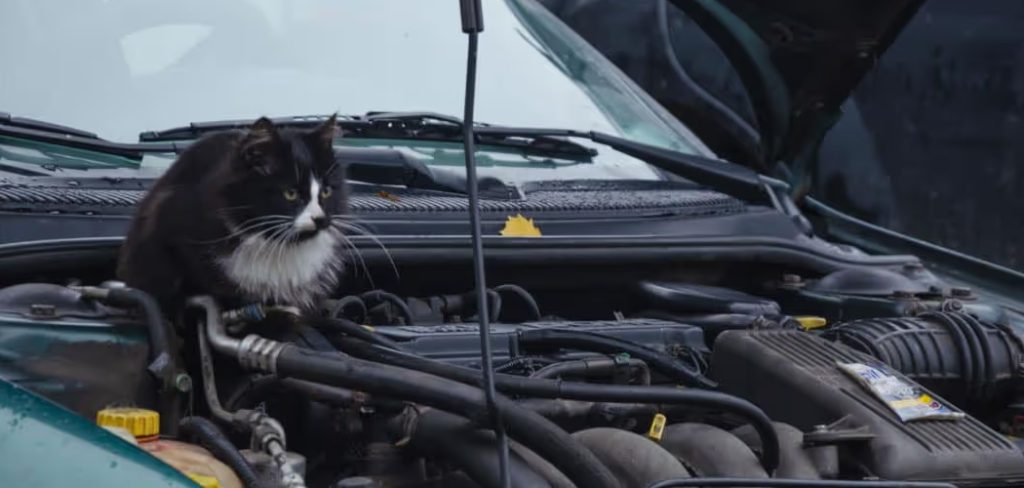
If you’ve ever wondered why rodents favor your engine bay, or how new car “eco” wiring factors into this, read on. A word of caution: No single solution is perfect, but layering multiple defenses tends to do the trick. In this guide on how to keep rodents out of engine bay, we’ll discuss some of the most effective methods and tips for keeping your car safe from pesky rodents.
Why Do Rodents Settle in Engine Bays?
Rodents seem to possess an unerring knack for finding any safe hideaway, especially as the temperatures drop. The engine compartment, with its tangle of cables and plastic housings, offers everything they need: cover from predators, plenty of dark corners, and a lasting afterglow of heat hours after you park. It’s not just warmth or safety, though, that piques their interest.
In a somewhat ironic twist, automotive manufacturers’ move toward biodegradable plastics and soy-based wiring—crafted with the environment in mind—may have unintentionally thrown open the door for pests. These materials give off faint but persistent scents that, at least according to a handful of studies and heaps of anecdotal evidence, appeal to a rodent’s appetite. Does it prove that soy wire is a magnet for mice? Not conclusively. Still, it seems plausible enough for insurers and mechanics to mention it to frustrated car owners whose wiry harnesses now resemble chewed licorice.
Spotting the Telltale Signs
Catching a rodent problem early—before wires vanish or fluids puddle under your car—often spares you a lot of anguish. Droppings (usually scattered, dark brown) on top of the battery or engine cover are not exactly subtle. Even so, some signs are easier to miss if you’re not the sort to check under your hood.
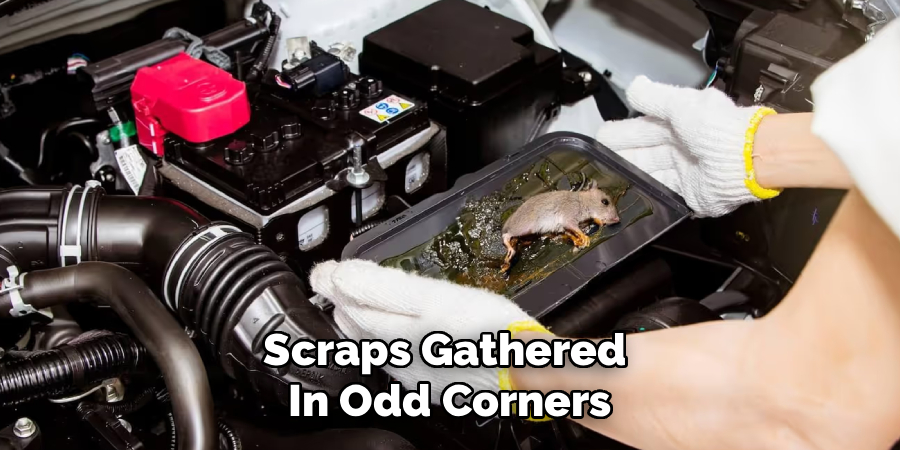
That sharp, musty odor drifting through the air vents? Quite possibly a warning that something’s amiss near the intake. You might pop the hood and find not much at first, but look closer: A wad of chewed-up leaves. Threadbare scraps of foam. Telltale bite marks, scalloping, a fluid cap, or a wire sheath. Frayed plastic, scraps gathered in odd corners, even smudged tracks on the metal—each suggests more than a fleeting visit.
What (Exactly) Can Rodents Damage?
Here things get serious. Rodents must gnaw to keep their ever-growing teeth manageable, which means anything remotely chewable is at risk. Wiring harnesses, especially those made from softer compounds, can suffer the worst. A single severed sensor wire might be enough to trip engine lights, disable airbags, or, in the worst scenarios, leave the car stalling in traffic.
There’s also the threat to rubber hoses—fuel, coolant, brake lines. A bite or two might go unnoticed until, suddenly, fluid leaks out. This can present a fire hazard under the right (or wrong) circumstances. Some owners find nests jammed into air filters, which means each blast from the AC could distribute traces of rodent urine or droppings into the cabin air. Admittedly, this may only happen in severe cases, but the health risk is real: certain rodent-borne pathogens, while rare, are nothing to shrug off.
7 Detailed Steps on How to Keep Rodents Out of Engine Bay
Step 1: Park in a Sealed Garage
Not everyone has the luxury of covered parking, but if you do, treat your garage as your first line of defense. A well-closed garage—one with no daylight leaking in at the corners—greatly reduces rodent access. If you can see a gap, assume a mouse can get through it. Usually, steel wool and a dab of caulk will block those potential entryways effectively.
Worth noting: Garages attract critters for the same reason cars do—shelter and clutter. A storage area packed with old boxes, rags, sports gear, or garden supplies all but guarantees hiding places for pests. Staying on top of basic housekeeping may sound pedestrian, yet a tidy, tightly sealed garage sees far fewer intruders.

Step 2: Make Food (Including Crumbs) Impossible to Find
If you leave food—pet kibble, seeds, leftover fast food wrappers—near your car, you’re practically sending invitations. Mice can detect the faintest scents (no embellishment needed—any mechanic can tell you about the potato chip bag under the seat that brought in a nest). Keep all edibles in thick, well-sealed containers. Trash cans should close tightly.
What about inside the car? It’s easy to slip into the habit of leaving a granola bar or candy in the glove box. Resist that urge. Vacuum under the seats every so often. Even a single French fry is more than enough for a determined mouse, especially when paired with shelter and warmth.
Step 3: Scent-Based Repellents—Do They Work?
You might hear a lot about peppermint oil as a miracle deterrent. It’s partly true: While not foolproof, strong smells may nudge some pests to keep moving. Soaking cotton balls with peppermint oil and tucking them around the engine (well away from vents and hot parts) seems to help in certain cases.
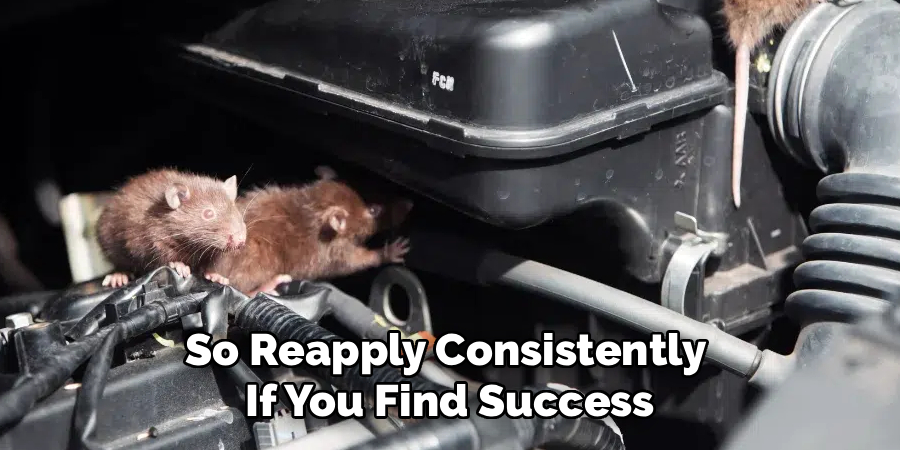
Commercial repellents exist, often relying on combinations of botanical oils, capsaicin, or synthetic predator scent. None lasts forever—rain, engine heat, and time will diminish their effect—so reapply consistently if you find success with them. Suffice to say, these methods appear to act as minor speed bumps, not walls.
Step 4: Electronic and Light-Based Devices
Some car owners swear by ultrasonic repellents: small, battery- or vehicle-powered gadgets that emit high-pitched sounds. Science is divided; skeptics argue that determined rodents may simply acclimate. Still, anecdotal reports (and not just from manufacturers) suggest that, in combination with other tactics, these devices reduce rodent hangouts. Some newer versions add strobing LEDs—flashing lights rodents find disorienting, or so the manufacturers claim.
Installation isn’t complex. Most wires are directly into the car’s 12V system, drawing next to nothing in terms of power. But if you dislike wires, battery-powered versions exist.
Step 5: Pop the Hood, Expose the Space
One old but simple trick: Leave the hood propped open a few inches (when the car is parked safely indoors). It’s not elegant, but it robs rodents of their favorite thing—darkness. Suddenly, the engine compartment is drafty and illuminated, hardly the oasis creatures seek in winter. Of course, don’t do this outdoors or during a storm, but indoors, it changes the calculus for pests eyeing your car as a nest site.
Step 6: Eliminate Hiding Places Nearby
Think of how mice travel—darting from cover to cover, rarely crossing open ground unless desperate. Tall grass, logs, brush piles, or heaps of yard debris within fifteen feet of your parking spot act as staging grounds. Remove those, and you may find the frequency of visitors drops off.
Yard waste shouldn’t linger near the driveway, and any stored lumber or firewood should be stacked as far from the garage as practical. Once these hideouts vanish, the path to your car becomes much less inviting—and substantially riskier from a mouse’s point of view.
Step 7: Protect Wires with Defensive Tape
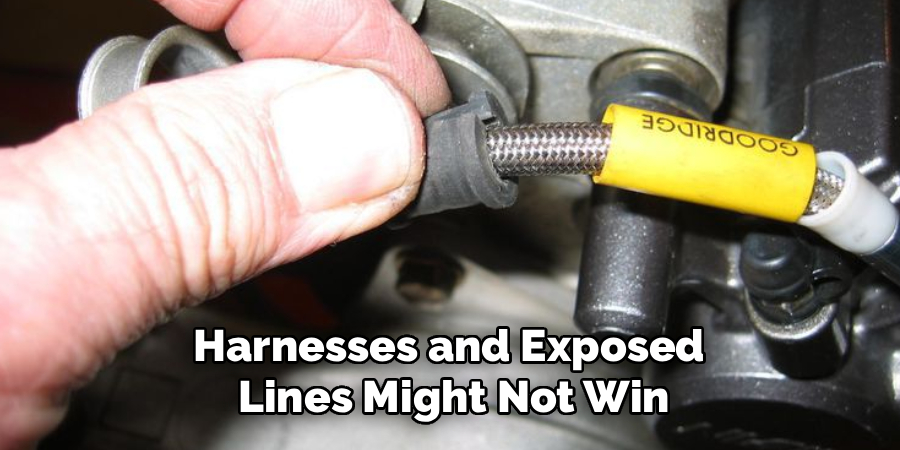
Will-wrapping wires in spicy deterrent tape actually work? Evidence is mixed but leans promising, especially for vehicles that routinely attract pests. This specialized tape—impregnated with capsaicin—stings and burns any rodent that bites down. Wrapping the main electrical harnesses and exposed lines might not win style points, yet it could stop expensive damage before it starts.
Is it overkill? For some, possibly. But if you’ve already dealt with a chewed wire, it often seems a small price to avoid repeat visits. Following these steps on how to keep rodents out of engine bay, along with regular maintenance and cleaning, can help ensure a smooth and trouble-free ride.
Some Well-Meaning Mistakes to Avoid
It’s tempting to bring out old-school traps or mothballs. Be careful. Snap traps in a car might catch an occasional pest, but poison baits pose a real risk. A poisoned mouse will almost certainly crawl into the walls or beneath the dash to die, leaving a stench nearly impossible to clear.
Mothballs, meanwhile, can off-gas toxic fumes, which may seep into the cabin and create a health hazard for riders.
How the Seasons Change the Risks
Rodent issues wax and wane across the year. As cold weather rolls in, any recently parked warm engine becomes far more attractive. That’s prime time—late autumn through the dead of winter—for unwelcome nests to appear.
Spring shifts the dynamic ever so slightly; then, animals seek not only shelter but nesting grounds. Dry grass, leaves, and shredded liner wind up stuffed into filters and underhood spaces. Staying alert during these seasonal changes is, arguably, your best defense.
If Prevention Fails: When to Call in the Pros
Sometimes, despite your best efforts, rodents win a round. At that point, what’s next? Skilled automotive technicians know how to get access behind panels, extract old nests, and repair or replace wires with minimal collateral damage. This is not the time for DIY unless you’re prepared for a headache.
Professional pest control, especially for recurring problems, can inspect perimeters, seal up entry holes, and deploy safe, targeted solutions for stubborn infestations. While not everyone needs this level of intervention, don’t hesitate if the situation lingers or worsens—ongoing damage both costs more and carries real health risks.
Frequently Asked Questions
Q1: Are There Scents Rodents Just Can’t Stand?
Rodents’ olfactory senses are remarkable—hundreds of times more sensitive than ours. Strong-smelling agents like peppermint oil, pine, cayenne pepper, and eucalyptus may prompt them to move elsewhere. Some commercial sprays use predator urine (fox, coyote), which provokes instinctive avoidance in some cases. Results aren’t universal, but these usually irritate or alarm at least some of the local rodent population.
Q2: Is It Enough to Simply Drive My Car Daily?
Regular use helps. Letting the vehicle sit idle for long spans nearly guarantees risk, but even a busy car can turn into a mouse motel overnight. Pests need surprisingly little time to set up a nest. Still, the more you disturb and move the car, the less comfortable your engine bay becomes for squatters.
Q3: My Wires Are Chewed—Does Insurance Help?
It depends. If you have comprehensive coverage, many policies will pay for rodent-related damage: chewed wires and resulting breakdowns included. Basic liability almost never covers such issues. It’s best to call your agent and check specifics before greenlighting a pricey repair.
Keeping Your Engine Bay Off-Limits—A Parting Note
Staying ahead of rodent mischief isn’t a one-and-done affair. A mixed approach—removing food temptations, making entry difficult, applying repellents, and understanding when to up the ante with professional help—seems to work best.
At the end of the day, being a little more attentive about where you park and what you leave in and around your car can save you outsized headaches and unexpected expenses. Thanks for reading this guide on how to keep rodents out of engine bay.

About
Ora Hayes is a distinguished figure in the world of DIY Thecarfixes, with over a decade of expertise in automotive diagnostics and high-performance maintenance. Her professional focus lies in merging mechanical precision with modern digital tools, fostering repair solutions that are both cost-effective and highly reliable. As the author of Thecarfixes, Ora Hayes delves into the art and science of automotive restoration, inspiring car owners and hobbyist mechanics alike.
Education
RMIT University (Melbourne, Australia) Associate Degree in Automotive Engineering — Focus on vehicle dynamics, industry-driven repair protocols, and advanced diagnostics. Gained hands-on experience with traditional mechanical tools and modern ECU remapping software.
Nottingham Trent University (United Kingdom) Bachelor’s in Mechanical Design and Automotive Engineering (Honors) — Specialized in automotive systems with a focus on blending technical engineering with everyday usability. Participated in industry projects, working with leading automotive manufacturers to gain real-world insights into vehicle longevity.
Publications and Impact
In Thecarfixes, Ora Hayes shares her insights on troubleshooting complex engine issues, material durability, and strategies for efficient garage setups. Her writing bridges the gap between professional mechanic knowledge and the home enthusiast’s needs, making it a must-read for both everyday drivers and seasoned gearheads.