Adding a turbocharger to a naturally aspirated engine is one of the most effective ways to significantly increase your vehicle’s horsepower and torque. Many car enthusiasts dream of feeling that sudden rush of boost pushing them back into their seats as the engine RPM climbs. This modification transforms an ordinary daily driver into a high-performance machine capable of keeping up with expensive sports cars.
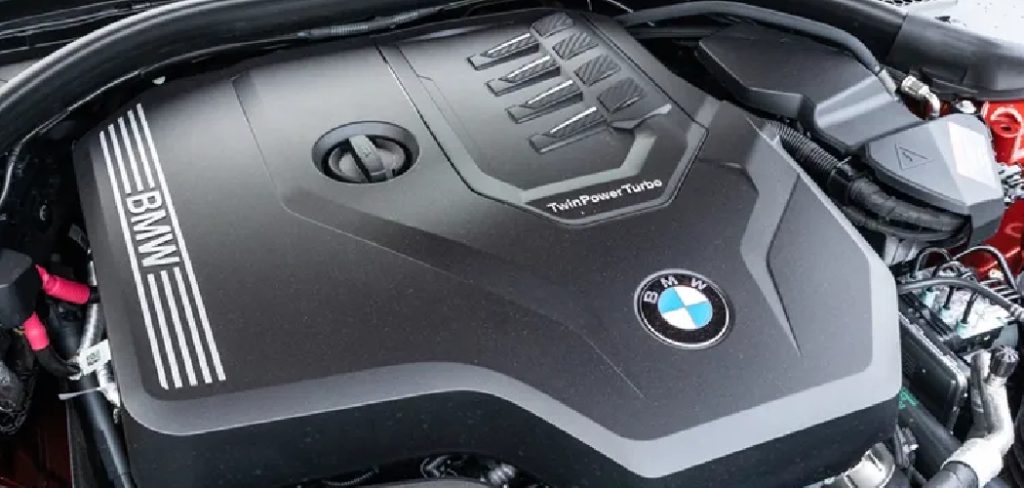
Before you grab your wrenches and start unbolting engine components, you need a solid understanding of the entire process, the necessary supporting modifications, and the tuning required to make it run safely. Figuring out how to put a turbo in a car involves careful planning, selecting the right parts, and executing a precise mechanical installation. Proper preparation ensures your engine survives the added stress and delivers reliable, exhilarating performance for years to come.
How a Turbocharger Works
To understand the installation process, you must first understand the basic mechanics of forced induction. A turbocharger is essentially an air pump driven by the engine’s exhaust gases. As the engine combusts fuel, the hot, rapidly expanding exhaust gases exit the cylinders and flow through the exhaust manifold into the turbine housing of the turbocharger. These expanding gases strike the turbine wheel, causing it to spin at incredibly high speeds, sometimes exceeding 150,000 revolutions per minute.
This turbine wheel is connected via a metal shaft to a compressor wheel located in a separate housing on the opposite side of the turbo. As the turbine spins, the compressor wheel also spins, drawing in ambient air through the air filter and compressing it before forcing it into the engine’s intake manifold. By cramming more oxygen into the combustion chamber, the engine can burn more fuel in each stroke. This larger, more powerful explosion is what ultimately generates the massive increase in horsepower and torque associated with turbocharged vehicles.
Is Your Car Suitable for a Turbo?
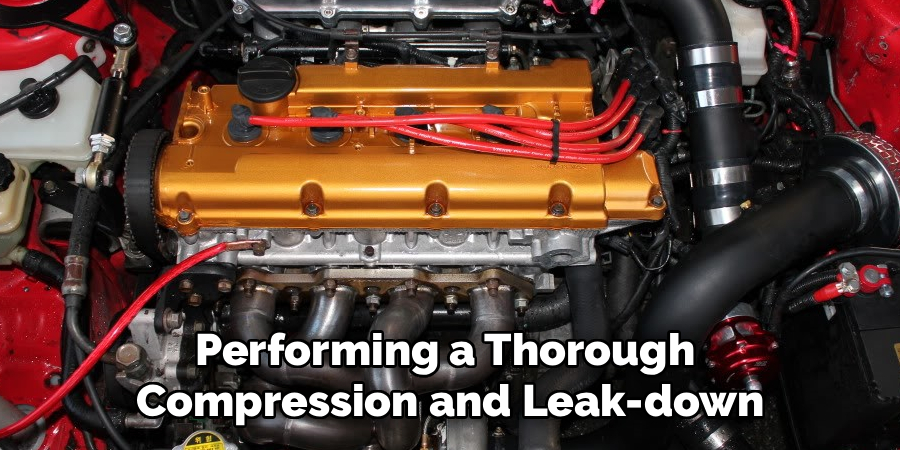
Not every vehicle is immediately ready to handle the intense pressures and heat generated by forced induction. Before purchasing a turbo kit, you must honestly assess the health and design of your current engine. High-mileage engines with worn piston rings, tired bearings, or leaky valve seals will likely fail quickly under boost. Performing a thorough compression and leak-down test is absolutely critical to determine if your internal components are sealing properly.
Furthermore, you must consider your engine’s factory compression ratio. Naturally aspirated engines often feature high compression ratios to maximize efficiency and power without a turbo. When you add pressurized air to a high-compression engine, you risk catastrophic pre-ignition or engine knock. Some engines have strong forged internals from the factory that can handle modest boost, while others feature weak cast pistons and connecting rods that will bend or break under pressure. You may need to upgrade internal components or use a thicker head gasket to lower the compression ratio safely.
Benefits of Installing a Turbo
The most obvious and sought-after advantage of adding a turbocharger is the massive increase in power output from a relatively small engine displacement. You can easily see power gains of 30 to 50 percent with a basic, low-boost setup, completely changing the driving dynamics of the vehicle. This extra power allows for faster acceleration, easier highway merging, and much more capable performance on a racetrack or winding back road.
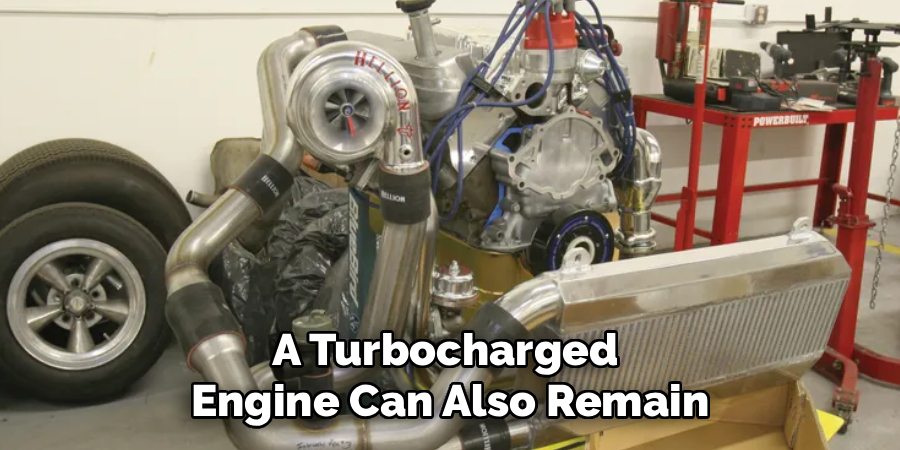
Beyond raw horsepower, turbochargers dramatically increase low-end and mid-range torque, making the car feel much more responsive and effortless to drive during everyday commutes. Interestingly, a turbocharged engine can also remain quite fuel-efficient when you are staying out of the boost and driving smoothly. Because a turbo utilizes wasted exhaust energy to generate power, it represents a highly efficient method of engine enhancement compared to adding a larger, heavier engine to the chassis.
Possible Downsides to Consider
While the thrill of forced induction is appealing, there are several distinct drawbacks you must evaluate. First is the phenomenon known as turbo lag. Because the turbocharger relies on exhaust gases to spool up, there is a noticeable delay between pressing the accelerator pedal and feeling the surge of power. Larger turbos take longer to spool, which can make the car feel sluggish at lower RPMs before the boost finally kicks in.
Additionally, turbochargers generate an immense amount of heat under the hood. You will need to manage this heat with proper shielding, an upgraded cooling system, and frequent oil changes, as the engine oil is often used to cool the turbo’s center cartridge. The increased cylinder pressures also put significantly more stress on your engine block, transmission, clutch, and axles. Finally, turbocharged cars generally require premium, high-octane fuel to prevent engine knock, which will increase your regular running costs at the gas pump.
6 Simple Step-by-step Guidelines on How to Put a Turbo in a Car
Step 1: Preparation and Planning
Before you begin removing any bolts, disconnect the negative terminal on your car’s battery to prevent electrical shorts and drain all the oil and coolant from the engine. Clear your workspace and organize your tools, ensuring you have everything required for the specific kit you purchased. It is crucial to inspect all the components of your turbo kit, verifying that no parts, gaskets, or hardware are missing.
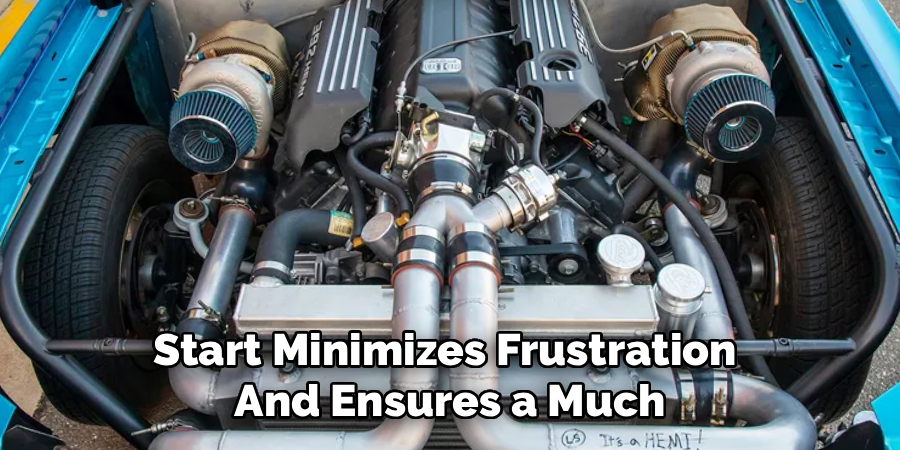
Take the time to plan the layout of the engine bay, mapping out where the new exhaust manifold, turbocharger, and intercooler piping will sit. Remove the factory air intake system, the original exhaust manifold, and any brackets or heat shields that are in the way of the new components. A clean, well-organized start minimizes frustration and ensures a much smoother installation process moving forward.
Step 2: Installing the Exhaust Manifold
The foundation of your turbo system is the new exhaust manifold, which must be bolted directly to the engine’s cylinder head. Carefully clean the mating surface on the cylinder head, removing any old gasket material or carbon buildup to guarantee a perfect seal. Place the new, high-quality manifold gasket onto the cylinder head studs before sliding the turbo manifold into place.
Once the manifold is seated, thread the nuts onto the studs by hand to prevent cross-threading. You must torque these nuts to the manufacturer’s specific settings, usually working in a crisscross pattern from the center outwards to prevent warping the metal. A properly sealed and torqued manifold is vital, as any exhaust leaks before the turbocharger will severely negatively impact the system’s ability to build boost.
Step 3: Mounting the Turbocharger
With the manifold securely in place, it is time to mount the actual turbocharger unit. Lift the turbo and carefully align its turbine inlet flange with the mounting flange on the exhaust manifold. Always use a brand-new, metal crush gasket between these two flanges to handle the extreme heat and pressure without blowing out.
Secure the turbocharger using the provided hardware, tightening the bolts evenly. Depending on the size of the turbo and the design of the manifold, space can be extremely tight, so patience and specialized wrenches might be necessary. Double-check that the compressor outlet is facing the correct direction to connect with your intercooler piping before doing the final torque sequence.
Step 4: Routing the Intercooler and Piping
A turbocharger compresses air, which naturally creates excess heat; an intercooler is required to cool this air back down before it enters the engine. Mount the intercooler securely behind the front bumper, ensuring it receives maximum airflow while driving. Some kits require cutting or modifying the bumper cover and crash bar to fit a large front-mount intercooler properly.
Once the core is mounted, begin routing the aluminum piping from the turbo’s compressor outlet to the intercooler, and then from the intercooler to the engine’s throttle body. Connect the pipes using silicone couplers and secure them tightly with heavy-duty T-bolt clamps. Ensure the piping clears all moving engine parts and sharp metal edges to prevent chafing and leaks during operation.
Step 5: Connecting Oil and Coolant Lines
The turbocharger spins at extreme speeds and relies entirely on a steady supply of fresh engine oil to lubricate its bearings and prevent failure. Locate the oil pressure port on your engine block and install the provided fittings to route a braided stainless steel feed line to the top of the turbo. Next, you must drill and tap a hole in your engine’s oil pan to install a fitting for the gravity-fed oil return line, ensuring it routes smoothly downwards without any kinks.
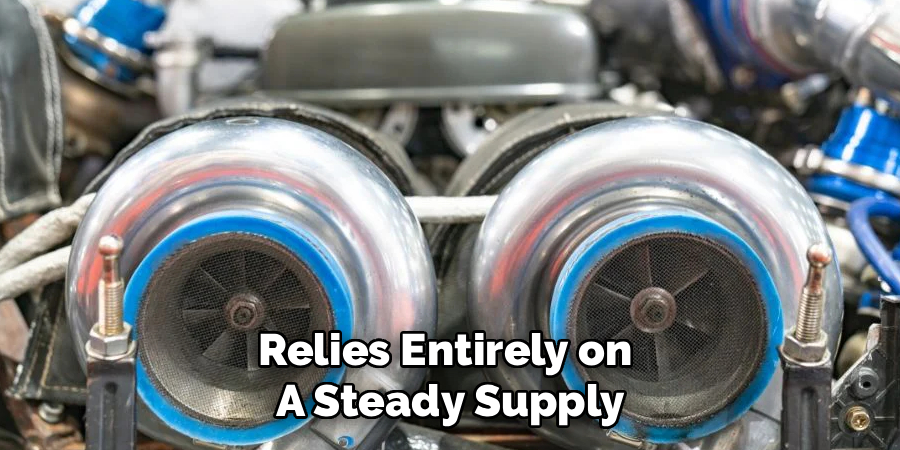
If your turbocharger is water-cooled, you will also need to tap into the engine’s cooling system. Splice into the factory heater core hoses and route the coolant feed and return lines to the corresponding ports on the turbo’s center section. Double-check all fluid connections, tightening them securely, as a massive oil or coolant leak under pressure can destroy your engine in seconds.
Step 6: Engine Tuning and Final Checks
Bolting the hardware onto the car is only half the battle; the engine’s computer must be reprogrammed to account for the massive influx of extra air. Do not start the car and attempt to drive it under boost without a proper tune, or you risk melting the pistons instantly. Install your upgraded fuel injectors and fuel pump, then connect your engine management system or tuning device.
Refill the engine with premium synthetic oil and fresh coolant, then reconnect the battery. Start the engine and let it idle, carefully inspecting every single connection for oil leaks, coolant drips, or exhaust leaks. Once you confirm the system is sealed, work with a professional tuner on a dynamometer to adjust the fuel mapping and ignition timing safely, bringing your new turbocharged setup to life.
Following these steps on how to put a turbo in a car can be a challenging and time-consuming process, but the end result is worth it.
Common Mistakes to Avoid
Skipping a professional engine tune is the most dangerous error you can make during this process. Relying on an undersized factory fuel pump or stock fuel injectors will cause the engine to run lean and detonate. Failing to properly tap the oil pan above the oil level leads to return line backups and blown turbo seals. Using cheap worm-gear clamps on intercooler piping almost always results in blown-off pipes and massive boost leaks.
Finally, neglecting to upgrade the factory clutch means the transmission will simply slip instead of transferring your new power to the wheels.
Supporting Upgrades Worth Considering
To safely handle forced induction, your vehicle needs several critical supporting modifications beyond just the turbo kit. Upgrading your fuel system with a high-flow fuel pump and larger capacity injectors ensures the engine receives enough fuel to match the incoming compressed air. A free-flowing performance exhaust system, ideally three inches in diameter or larger, reduces backpressure and allows the turbo to spool much faster.
Furthermore, installing a heavy-duty performance clutch and a lightweight flywheel is essential for manual transmission cars to actually hold the increased torque without slipping. You should also consider upgrading your brakes and suspension, as a car that accelerates significantly faster requires much more stopping power and stability.
Legal and Emissions Considerations
Modifying your vehicle’s emissions equipment carries significant legal implications depending on where you live. In regions with strict environmental regulations, like California, installing a turbocharger without an official CARB (California Air Resources Board) exemption number is illegal for street use.
Many aftermarket turbo kits require removing or relocating the factory catalytic converters, which will cause your vehicle to immediately fail an emissions inspection or MOT test. It is highly recommended to research your local laws regarding engine modifications and noise limits before investing money into a turbo build. If you intend to drive the car on public roads, you may need to seek out specialized, emissions-compliant kits that retain all factory sensors and catalytic converters.
Maintenance After Turbo Installation
Owning a turbocharged vehicle requires a much stricter and more frequent maintenance schedule compared to a standard car. You must switch to high-quality, fully synthetic engine oil and reduce your oil change intervals, as the extreme heat from the turbo degrades oil much faster. Always allow the engine to idle for a minute or two before shutting it off after a hard drive; this prevents the hot oil inside the turbo from baking onto the bearings and causing premature failure.
Regularly inspect all silicone couplers and T-bolt clamps on your intercooler piping, as they can loosen over time and create frustrating boost leaks. Finally, constantly monitor your engine gauges, paying close attention to oil pressure, coolant temperature, and air-fuel ratios to catch any potential issues before they cause catastrophic engine damage.
Frequently Asked Questions
Q1: How Much Does It Cost To Turbocharge A Car?
A1: The total cost can vary wildly depending on the vehicle platform, the quality of the parts, and whether you do the labor yourself. A basic, entry-level kit for a popular car might cost around $2,000 to $3,000 for the hardware alone. However, once you factor in supporting modifications like fuel systems, exhaust, and a professional dynamometer tune, a reliable setup easily reaches $5,000 to $8,000 or more.
Q2: Can Any Engine Be Turbocharged?
A2: Technically speaking, almost any internal combustion engine can have a turbocharger fitted to it with enough custom fabrication and money. However, practically, engines with very high factory compression ratios, weak cast internal components, or highly complex factory engine management systems make terrible candidates for forced induction. It is always much easier and safer to turbocharge engines that have large aftermarket support and proven records of handling boost safely.
Q3: Does A Turbocharger Ruin Engine Reliability?
A3: Adding a turbocharger inherently increases the stress, heat, and pressure inside an engine, which naturally increases the risk of component failure compared to leaving it stock. However, a properly engineered turbo system, combined with the correct supporting fuel modifications and a conservative, professional tune, can remain highly reliable for daily driving. Poor tuning, excessive boost levels, and neglecting frequent maintenance are the actual factors that ruin turbocharged engine reliability.
Get Ready to Experience a Boost
Taking the leap into forced induction is a serious mechanical commitment, but the reward of significantly increased horsepower makes it an exciting journey. By thoroughly assessing your engine’s health, purchasing quality components, and refusing to cut corners during the installation and tuning process, you can build a formidable street machine.
If you are unsure about handling the fabrication or the critical engine management tuning, never hesitate to reach out to a professional performance shop. Thanks for reading this guide on how to put a turbo in a car.

About
Ora Hayes is a distinguished figure in the world of DIY Thecarfixes, with over a decade of expertise in automotive diagnostics and high-performance maintenance. Her professional focus lies in merging mechanical precision with modern digital tools, fostering repair solutions that are both cost-effective and highly reliable. As the author of Thecarfixes, Ora Hayes delves into the art and science of automotive restoration, inspiring car owners and hobbyist mechanics alike.
Education
RMIT University (Melbourne, Australia) Associate Degree in Automotive Engineering — Focus on vehicle dynamics, industry-driven repair protocols, and advanced diagnostics. Gained hands-on experience with traditional mechanical tools and modern ECU remapping software.
Nottingham Trent University (United Kingdom) Bachelor’s in Mechanical Design and Automotive Engineering (Honors) — Specialized in automotive systems with a focus on blending technical engineering with everyday usability. Participated in industry projects, working with leading automotive manufacturers to gain real-world insights into vehicle longevity.
Publications and Impact
In Thecarfixes, Ora Hayes shares her insights on troubleshooting complex engine issues, material durability, and strategies for efficient garage setups. Her writing bridges the gap between professional mechanic knowledge and the home enthusiast’s needs, making it a must-read for both everyday drivers and seasoned gearheads.