There’s nothing quite like that moment when your tires start to spin, the wheels merely whining against a slick patch of ice, refusing to budge even an inch. What started as another routine winter errand shifted, suddenly, to a minor crisis. The cold seeps in. Most drivers know the helpless thrum of the engine and that quick tightening in your chest when you realize—well, you’re not going anywhere fast. While it’s a familiar slog to many, getting stuck in winter’s grip does not have to mean wrecked plans or a battered vehicle.
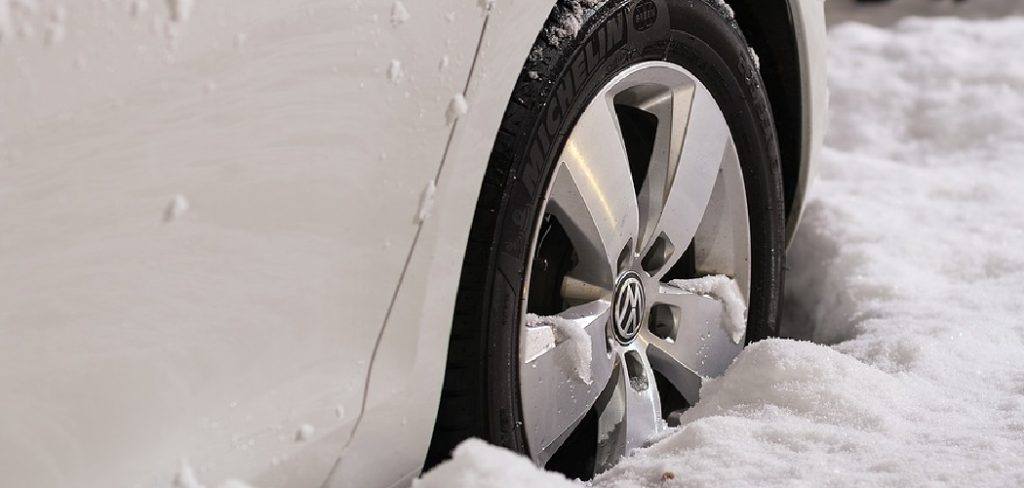
Most of the time, the difference between sitting stranded and pulling away with your dignity intact comes down to know-how, not brute strength. Method, not muscle. What actually works? Which hack will just leave you colder? Here, you’ll find practical, time-tested advice—how to claw your way back to traction, where others often go wrong, and what you can do to give yourself better odds next time around. In this guide on how to get car out of ice, we’ll cover some of the most effective methods and techniques that can help you get unstuck from even the most treacherous icy conditions.
Stay Safe First
Let’s get one thing out of the way: your safety eclipses everything else. Before you leap out into the snow, fiddling with the tires, pause. Flip on your hazard lights immediately; you’re invisible out there to most drivers, especially as daylight wanes or snow thickens. If traffic’s nearby, it’s often safer to stay inside, buckled up, until you’re sure you can step out without risking a collision.
One odd (and dangerous) oversight: your car’s exhaust. It’ll get plugged up astonishingly fast by snow or slush, turning your cozy cabin into, well, a hazard zone, thanks to the risk of carbon monoxide. Take a minute—sometimes literally only a minute—to clear that tailpipe before anything else.
Why Does the Car Get Stuck in the Ice?
If you break down what’s actually happening, it often looks a lot like this: the tire meets the ground, usually holding on thanks to the gritty texture of pavement and a decent set of treads. But when ice covers everything, friction all but vanishes.
Step on the gas, and you’re not going anywhere—just spinning, polishing the ice glossier and more hopeless. The real challenge? Restoring that lost contact between the tire and the earth below. It’s not so much a test of horsepower as it is a test of patience (and a little strategy).
8 (Not Always Obvious) Techniques on How to Get Car Out of ICE
Step 1: Clear What You Can Around the Tires
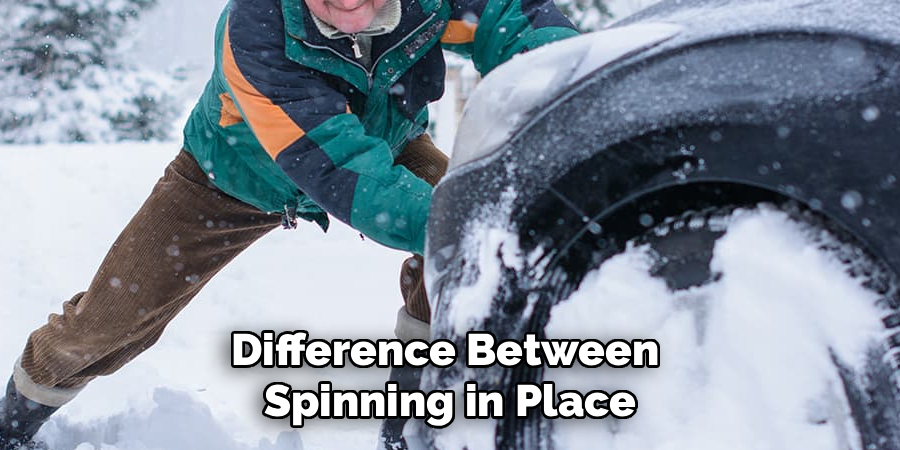
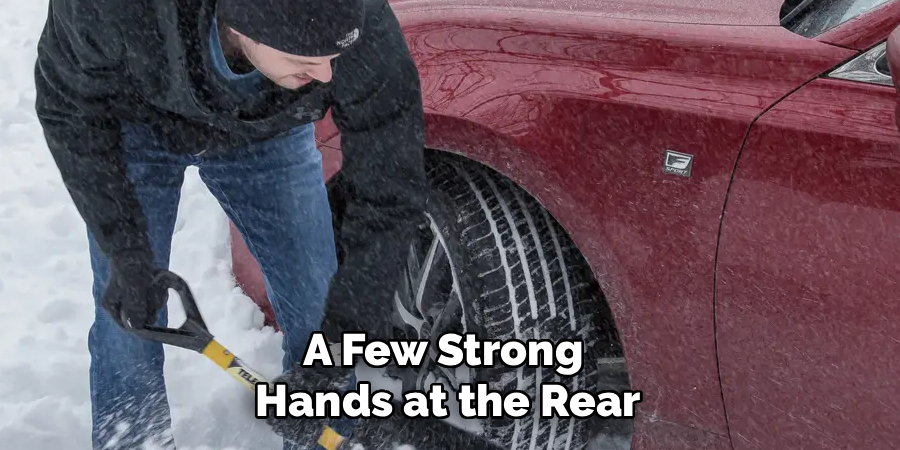
Few things matter more than what’s immediately around the wheels. Your best ally here is a good shovel, or failing that, anything sturdy: an ice scraper, an old lunch tray, your hands if you’re desperate. Dig away whatever you can—slush, snow, even just the edges of compacted ice right ahead of and behind each tire. Don’t just focus on the front; a back-and-forth route out is often your ticket to freedom. Try to rough up the ice under the tires too; it takes very little texture to tip the odds in your favor. That patch you clear might look small, but it can make the difference between spinning in place and catching enough grip to roll free.
Step 2: Straighten Out the Steering Wheel
It’s tempting, really, to turn the wheel side to side—maybe that’ll help? In reality, all you’re doing is making life much harder; angled wheels have to “fight” through a wider swath of snow and ice, killing your momentum. Give the steering wheel a gentle correction until it’s as straight as you can manage. With a bit of luck, both front tires will then get an equal shot at whatever roughness exists beneath them.
Step 3: Temporarily Disable Traction Control
Modern cars love to intervene, but not always as helpfully as you’d hope. Traction control—a fixture in most vehicles—usually cuts power the moment your tires start to slip. The logic makes sense at speed, but when you’re bogged down and actively trying to get the wheels to spin just enough to bite through ice to whatever lies beneath, it can actually trap you. Find the traction control button (check your manual or hunt the dashboard), and turn it off for now. This lets your wheels spin a bit, and only a bit, as you attempt your escape. Don’t forget: once you’re moving steadily again, re-enable it so you’re protected back on open roads.
Step 4: Employ the Rocking Method
Rocking—there’s an art to it. It’s not about flooring it and hoping for the best. Shift into drive, and gently touch the gas. Move inches if you can, not yards. Then let the weight of the car roll you back (shift into reverse). By alternating, almost rhythmically, you gradually enlarge a rut or at least rough up the frictionless patch you’re stuck in. Slam the accelerator and you’ll just polish things smoother, making it harder. But with patience and a careful touch, the car can often bounce its own way free, especially if the wheels start to “bite” as you change direction. Expect to repeat this, possibly several times, before making much headway.
Step 5: Throw Something Under the Tires
Out of options? Sometimes you have to cheat friction. Classic choices: kitty litter, sand, even a handful of gravel if you spot some at the roadside. Salt will melt a bit and boost grip, but it’s not instant magic. Scatter it just ahead of—and behind—the drive wheels so you aren’t just preparing for a one-way exit.
And those floor mats you never clean? Surprisingly effective in a pinch. Wedge one under each driving tire, textured side up. Try not to laugh at yourself—it works more often than not. Just recollect them if you escape, or at least grab them before slush turns them into soggy garbage.
Step 6: Let a Bit of Air Out
This trick comes (warily) from the off-road crowd: reduce tire pressure a little, so the tire flattens out and contacts more surface area. You’re not aiming to make the tire look deflated—just softer. Use a pressure gauge if you have one; otherwise, 5-10 seconds with a key against the valve will usually do the trick. Too much, and you risk damaging the tire or the rim, especially if you keep driving before a reinflation. This is not a long-term fix; pull in for air at the nearest chance once you’re unstuck.
Step 7: Ask for Help—But Carefully
Looking for a push? Sometimes, that’s what it takes. A few strong hands at the rear bumper, some teamwork, and a coordinated push while you gently accelerate can work wonders. Stress gently: sudden acceleration can end with flying feet and blown-out backs. Be meticulous about safety. Make sure nobody stands directly behind a tire that might suddenly grip and launch debris. Aim for a stable footing—the last thing you want is someone slipping and getting injured.
Step 8: Accelerate Mindfully
If there’s a golden rule, it’s this: gentle pressure beats brute force. Slam the gas and you’ll only spin, melt, and refreeze the problem where it stands, leaving things worse than when you started. Ease into the accelerator. With a manual, try second gear—it’ll keep things smoother. Only accelerate more once you’ve felt the car crest the worst patch. After that, keep your speed down until you’re sure there’s solid, safe ground beneath your tires.
Following these steps on how to get car out of ice without damaging it, you can successfully free your car from the icy trap without causing any harm to it. However, prevention is always better than a cure. It is important to take necessary precautions during the winter months to avoid getting stuck in ice in the first place.
What Should You Not Do?
It’s tempting to go full throttle or jerk the steering wheel side to side, out of irritation or misinformed hope. Both tend to backfire—spinning the tires rapidly polishes the ice surface to glass, while wrenching the steering just deepens your ruts. And never—seriously, never—lean over behind a spinning tire to “help push.” It’s both dangerous and, honestly, unnecessary.
If gauges light up or you see steam, don’t ignore them. Engine overheating from overexertion is a real risk here—in fact, it happens more often than you’d like to think.
When the Car Still Refuses to Budge?
You’ve chipped, rocked, pushed, and yet—nothing. In some instances, either the ice is too thick or your car is basically perched on a hard snowbank. Don’t waste your entire afternoon. At some point, it makes more sense to call for help, whether that’s roadside assistance, a tow, or a kindly neighbor with a truck.
Until help arrives, best to stay inside, conserve warmth, and run the engine sparingly (again, making sure the exhaust is clear). About ten minutes of heat every hour is generally enough.
How Can You Prevent Getting Stuck Again?
Preparation always makes a difference, sometimes the only difference. Invest in a set of proper winter tires—none of this “all season” compromise if you live somewhere glacial. Keep a small snow shovel, a bag of sand or kitty litter, and a scraper in the trunk. These tools, humble as they seem, will pay off. And a word to the wise: don’t park where runoff freezes, or at the bottom of a sloped drive. Choosing a drier or flatter spot, even if it’s inconvenient, beats starting your morning with a stuck car.
Drive with a bit of anticipation—slow down before you’re in trouble, and avoid stopping on obvious ice. Forward momentum, once lost, is rarely easy to regain.
Frequently Asked Questions
Q1: Should I Pour Hot Water Around My Tires?
No—avoid it entirely. Sure, the heat might melt a thin layer, but all you really get (after a rapid refreeze) is an even tougher sheet of ice. Scalding water can also fracture cold rubber or metal parts simply due to the thermal shock.
Q2: Are Floor Mats Really Safe for Traction?
Odd as it sounds, yes. Use the textured side up. Don’t gun the accelerator—if the tire chews up or launches the mat, you’re back at square one and probably down a floor mat.
Q3: Does Extra Weight Over the Drive Wheels Help?
It often does, especially with rear-wheel-drive cars. Others may find only marginal improvements. Bags of sand or salt in the trunk can really make a difference with older, rear-driven vehicles. For front-drive, the engine already helps, but any extra weight in the front passenger seats won’t hurt in dire situations.
Final Advice for Winter Drivers
Getting unstuck is far more about timing and deliberate choices than adrenaline and frustration. Tidy up around the wheels, rock gently when you must, use traction aids if you can, and keep safety the constant thread throughout. Resist the urge to mash the gas or panic. You’ll likely solve the problem with calm persistence and a bit of resilience.
And while you’re at it, take five minutes tonight to toss some winter supplies in your trunk. The extra effort, more often than not, turns a daunting setback into just another snowy story told over hot coffee later on. Stay safe out there—and warm, whenever possible. Thanks for reading this guide on how to get car out of ice!

About
Ora Hayes is a distinguished figure in the world of DIY Thecarfixes, with over a decade of expertise in automotive diagnostics and high-performance maintenance. Her professional focus lies in merging mechanical precision with modern digital tools, fostering repair solutions that are both cost-effective and highly reliable. As the author of Thecarfixes, Ora Hayes delves into the art and science of automotive restoration, inspiring car owners and hobbyist mechanics alike.
Education
RMIT University (Melbourne, Australia) Associate Degree in Automotive Engineering — Focus on vehicle dynamics, industry-driven repair protocols, and advanced diagnostics. Gained hands-on experience with traditional mechanical tools and modern ECU remapping software.
Nottingham Trent University (United Kingdom) Bachelor’s in Mechanical Design and Automotive Engineering (Honors) — Specialized in automotive systems with a focus on blending technical engineering with everyday usability. Participated in industry projects, working with leading automotive manufacturers to gain real-world insights into vehicle longevity.
Publications and Impact
In Thecarfixes, Ora Hayes shares her insights on troubleshooting complex engine issues, material durability, and strategies for efficient garage setups. Her writing bridges the gap between professional mechanic knowledge and the home enthusiast’s needs, making it a must-read for both everyday drivers and seasoned gearheads.