Welcome, fellow home gardeners! We spend hours ensuring our fragile tomatoes and delicate roses survive the blistering summer heat. However, we often forget to monitor the intense temperatures building up inside our own hauling vehicles. Driving to the local wholesale plant nursery with a truckload of heavy compost puts massive strain on your automotive cooling system. When your engine overheats, your weekend landscaping plans instantly come to a frustrating halt.
If you are wondering how to read temperature gauge in car, you have found the perfect beginner-friendly resource. You do not need to be a master mechanic to understand the basic dashboard symbols keeping your engine safe from total thermal destruction. This friendly guide walks you through locating the dial, understanding the normal heat zones, and knowing exactly when to pull over. Let us protect your reliable gardening transport from incredibly expensive thermal damage today!

Step-by-Step Guide: How to Read Temperature Gauge in Car
Step 1: Understand how to read temperature gauge in car
Before you load your heavy bags of organic topsoil, you must locate the thermal monitoring dial on your dashboard. This crucial instrument usually sits directly next to your fuel meter or digital speedometer. Look for a small circular dial featuring a thermometer icon floating above tiny stylized water waves. This specific symbol represents your liquid engine coolant. Grasping the physical location of this dial ensures you can glance at it quickly while navigating busy neighborhood traffic. Familiarizing yourself with this vital dashboard layout prevents panic when a sudden mechanical warning light illuminates during your drive.
Step 2: Identify the Cold Zone Markings
When you first start your vehicle on a crisp spring morning, the indicator needle rests at the absolute bottom of the dial. This lowest section usually features a prominent letter C or a distinctive blue colored block. This specific marking indicates that your engine block and internal liquid coolant remain completely cold. Driving your vehicle aggressively while the needle sits in this cold zone prevents the heavy engine oil from circulating properly. Allow your hauling truck a few minutes to warm up before merging onto the highway with a bed full of heavy landscaping rocks.
Step 3: Monitor the Upward Needle Movement
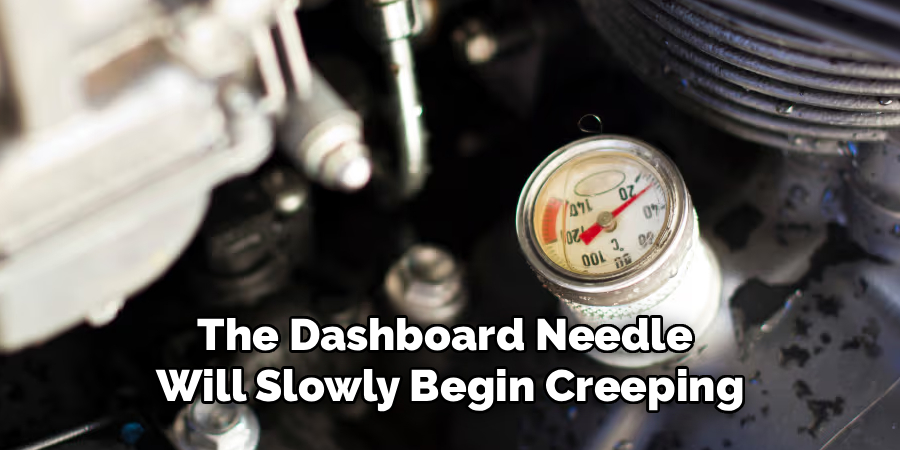
As you begin driving toward your local hardware store, the dashboard needle will slowly begin creeping upward. This steady mechanical movement shows that your engine block is naturally generating normal combustion heat. The liquid coolant absorbs this thermal energy and carries it away from the sensitive internal metal components. Watching the needle rise steadily confirms your entire cooling system functions perfectly. If the needle remains stuck completely at the bottom after twenty minutes of driving, your thermal sensor might be broken. A broken sensor leaves you driving completely blind without any warning of impending mechanical overheating.
Step 4: Recognize the Normal Operating Range
Once your truck fully warms up, the indicator needle should settle firmly near the exact center of the circular dial. This central resting area represents the optimal operating temperature for your internal combustion engine. Most modern automotive manufacturers design their engines to run most efficiently when the metal block is comfortably warm. As long as the needle stays relatively centered, your vehicle can safely haul massive loads of wet spring mulch without any structural problems. Treat this middle zone exactly like the ideal soil temperature required for germinating your expensive heirloom vegetable seeds outdoors.
Step 5: Notice Minor Fluctuations During Travel
While hauling heavy gardening equipment up a steep neighborhood hill, you might notice the needle creeping slightly past the center mark. This minor thermal fluctuation is completely normal and should not cause any immediate panic. Your engine naturally works much harder when towing a heavy mulch trailer, generating additional friction and combustion heat. Once you crest the hill and begin coasting downward, the needle should gradually return to its normal central position. Just like plants drooping slightly under the midday sun, your vehicle experiences minor stress that quickly resolves itself under easier working conditions.
Step 6: Identify the Dangerous Hot Zone
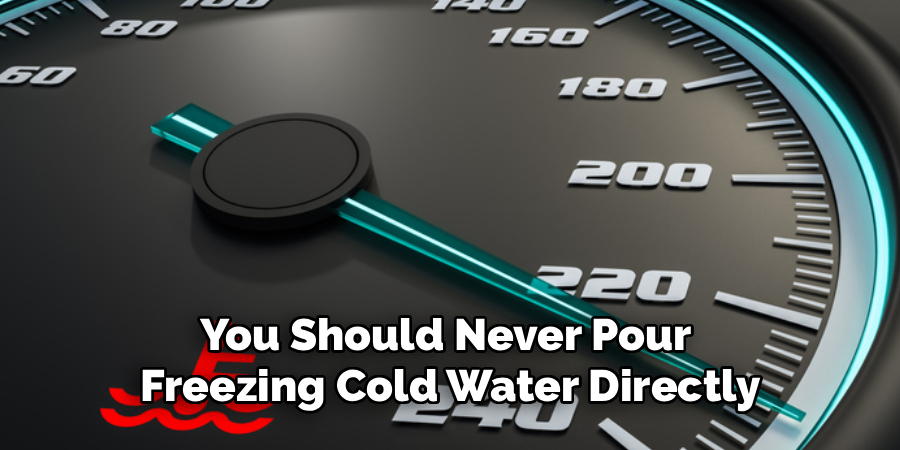
The highest section of the dashboard dial features a prominent letter H or a bright red warning block. This specific area represents the absolute maximum thermal limit your engine can safely endure before suffering catastrophic internal damage. If your needle aggressively enters this red zone, your liquid coolant has likely started boiling violently inside the radiator. Continuing to drive while the needle touches the red area will literally warp the heavy metal engine block. You must treat this bright red warning zone with the exact same urgency as a sudden, unexpected deep winter frost.
Step 7: React Quickly to Warning Lights
Many modern utility vehicles feature a digital dashboard that relies on illuminated warning icons instead of traditional sweeping needles. If your thermal cooling system fails, a bright red thermometer symbol will suddenly flash across your driver display screen. This glowing red icon indicates an immediate, severe overheating emergency that requires your total attention. The vehicle computer will often trigger a loud, repetitive chiming noise to ensure you notice the critical dashboard warning. Never ignore these flashing lights or annoying chimes, as they serve as your final defense against destroying your expensive gardening transport vehicle permanently.

Step 8: Pull Over Safely When Overheating
If your dial hits the red zone or the digital warning light flashes, you must pull off the road immediately. Turn on your hazard flashers and steer your heavy truck onto a safe, flat grassy shoulder away from moving traffic. Turn the ignition key off instantly to stop the engine from generating any more destructive combustion heat. Opening the windows and turning your interior heater to maximum also helps pull excess thermal energy away from the struggling engine block. Taking swift action prevents complete mechanical failure and saves your beloved hauling vehicle from an early grave.
Step 9: Never Open a Hot Radiator Cap
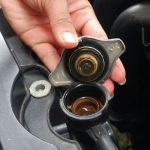
After pulling your overheated truck onto the side of the road, you might feel tempted to inspect the engine bay immediately. You must never attempt to unscrew the metal radiator cap while the engine remains extremely hot. The boiling liquid coolant inside the system sits under massive physical pressure. Removing the protective cap releases this extreme pressure instantly, shooting a violent geyser of scalding chemical steam directly into your face. You must wait at least forty-five minutes for the heavy metal block to cool down naturally before safely checking your liquid fluid levels.
Step 10: Check for Puddles Under the Vehicle
While waiting safely for your engine to cool down, carefully inspect the dry pavement directly underneath your front bumper. Look for large, brightly colored puddles of liquid spreading across the asphalt. Engine coolant typically features a vibrant neon green, bright orange, or deep pink dye to make it easily recognizable. Finding a massive puddle of sweet-smelling liquid confirms a broken rubber hose or a severely cracked radiator housing. Identifying the exact source of this chemical leak helps your local tow truck driver understand exactly why your vehicle broke down on the highway.
Frequently Asked Question
What Causes An Engine To Overheat?
- Several mechanical failures can cause your engine temperature to rise uncontrollably while hauling heavy garden supplies.
- A severe crack in a rubber coolant hose allows vital fluids to leak rapidly onto the highway.
- A broken mechanical water pump fails to push the cooling liquid through the incredibly hot engine block.
- A stuck thermostat valve prevents the coolant from reaching the front radiator for natural air cooling.
- Identifying these broken components quickly prevents complete automotive failure and keeps your vehicle running perfectly.
Can I Add Cold Water To A Hot Engine?
- You should never pour freezing cold water directly into a blistering hot engine radiator system.
- The sudden, massive temperature change causes a severe physical reaction commonly called thermal shock.
- This violent shock can easily crack the heavy cast iron or aluminum engine block completely in half.
- Always allow the metal components to cool down naturally for at least one full hour before adding ambient temperature distilled water to the reservoir.
Is It Safe To Drive With A Broken Gauge?
- Driving your heavy utility truck with a completely broken thermal dial presents a massive safety risk.
- Without a functioning needle, you remain completely blind to your internal engine heat levels as you drive.
- You could easily boil your liquid coolant and destroy your motor without receiving a single warning sign.
- Always hire a professional mechanic to repair a broken dashboard dial before hauling heavy landscaping rocks across town.
How Often Should I Check My Coolant Level?
- Checking your chemical coolant levels should become a highly routine part of your seasonal gardening vehicle maintenance.
- Pop the heavy metal hood and inspect the semi-transparent plastic overflow reservoir at least once every single month.
- Ensure the brightly colored liquid rests perfectly between the designated minimum and maximum fill lines printed on the plastic.
- Topping off low fluid levels prevents unexpected highway overheating and guarantees a remarkably smooth ride to the local nursery.
What Should I Do If My Truck Stalls?
- If your vehicle suddenly stalls from extreme thermal heat, you must prioritize your personal physical safety above all else.
- Guide the rolling vehicle carefully onto the shoulder using your remaining physical momentum and steering control.
- Engage your emergency parking brake immediately to prevent the heavy truck from rolling away on a steep hill.
- Call a professional towing service to transport your broken vehicle directly to a trusted local repair shop.

Conclusion
Maintaining the reliable pickup truck you use to transport heavy gardening supplies requires patience, respect, and excellent daily driving habits. By taking the time to monitor your dashboard dials and recognize critical warning lights, you guarantee a remarkably smooth, trouble-free driving experience. You no longer have to worry about your essential hauling vehicle breaking down on the highway while transporting delicate spring flowers home from the local plant nursery.
Now that you know how to read temperature gauge in car, you possess the exact knowledge required to actively prevent incredibly expensive mechanical mistakes. The noticeable improvement in your vehicle’s lifespan serves as a fantastic reward for your careful, deliberate driving efforts. Wash the rich organic soil off your hands, pack your sturdy gardening tools into the truck bed, and drive confidently toward your next beautiful botanical adventure knowing your engine remains perfectly cool!

About
Ora Hayes is a distinguished figure in the world of DIY Thecarfixes, with over a decade of expertise in automotive diagnostics and high-performance maintenance. Her professional focus lies in merging mechanical precision with modern digital tools, fostering repair solutions that are both cost-effective and highly reliable. As the author of Thecarfixes, Ora Hayes delves into the art and science of automotive restoration, inspiring car owners and hobbyist mechanics alike.
Education
RMIT University (Melbourne, Australia) Associate Degree in Automotive Engineering — Focus on vehicle dynamics, industry-driven repair protocols, and advanced diagnostics. Gained hands-on experience with traditional mechanical tools and modern ECU remapping software.
Nottingham Trent University (United Kingdom) Bachelor’s in Mechanical Design and Automotive Engineering (Honors) — Specialized in automotive systems with a focus on blending technical engineering with everyday usability. Participated in industry projects, working with leading automotive manufacturers to gain real-world insights into vehicle longevity.
Publications and Impact
In Thecarfixes, Ora Hayes shares her insights on troubleshooting complex engine issues, material durability, and strategies for efficient garage setups. Her writing bridges the gap between professional mechanic knowledge and the home enthusiast’s needs, making it a must-read for both everyday drivers and seasoned gearheads.