Partial Zero Emission Vehicles, or PZEVs, represent a significant achievement in automotive engineering. Created to meet strict air quality standards in California, these vehicles offer a unique blend of traditional internal combustion engines and advanced emissions control technology. A PZEV runs on gasoline but has zero evaporative emissions from its fuel system.
Understanding whether a vehicle meets this standard matters for several reasons. It impacts your environmental footprint, can influence your vehicle registration fees, and most importantly, might entitle you to extended warranty coverage on critical emissions components.
This guide on how to tell if car is PZEV will walk you through exactly how to determine if a vehicle holds this special classification.
What Will You Need?
Before you start inspecting your vehicle, gather a few basic tools and pieces of information. Having these items ready will make the identification process smooth and definitive.
- A reliable flashlight
- The Vehicle Identification Number (VIN)
- The owner’s manual
- A smartphone or computer with internet access
- The original window sticker (optional but helpful)
10 Easy Steps on How to Tell if Car is PZEV
Identifying a PZEV requires checking specific labels, documents, and physical characteristics. Follow these ten steps to determine your vehicle’s emissions status.
Step 1: Check the Vehicle Emission Control Information (VECI) Label
The most definitive physical proof of a PZEV classification lives right under your vehicle’s hood. Pop the hood and locate the Vehicle Emission Control Information label. Manufacturers usually stick this white or silver decal on the underside of the hood, the radiator support, or the strut tower. Shine your flashlight on the label and read the fine print. You are looking for specific acronyms. The label will explicitly state the vehicle’s emission standard.
Look for the letters “PZEV” or the phrase “Partial Zero Emission Vehicle.” Sometimes, it might say “SULEV” (Super Ultra Low Emission Vehicle) alongside a note about zero evaporative emissions. If the label explicitly lists these terms, you have successfully identified the car as a PZEV. This label serves as a legal document for state emissions testing facilities, making it the most reliable physical indicator on the car itself.
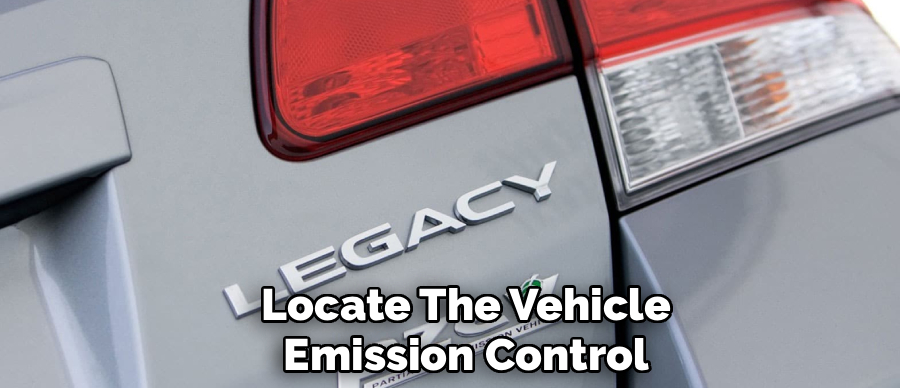
Step 2: Inspect the Rear Badge and Exterior Emblems
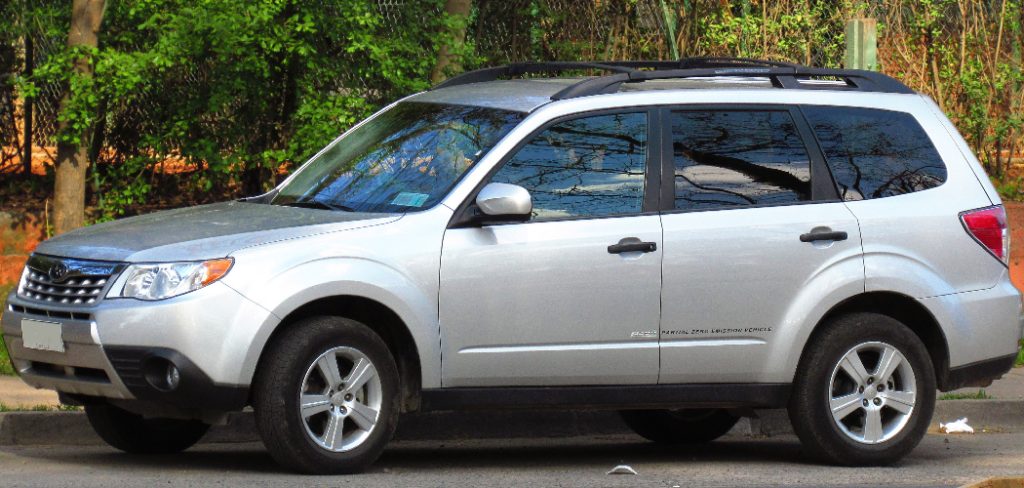
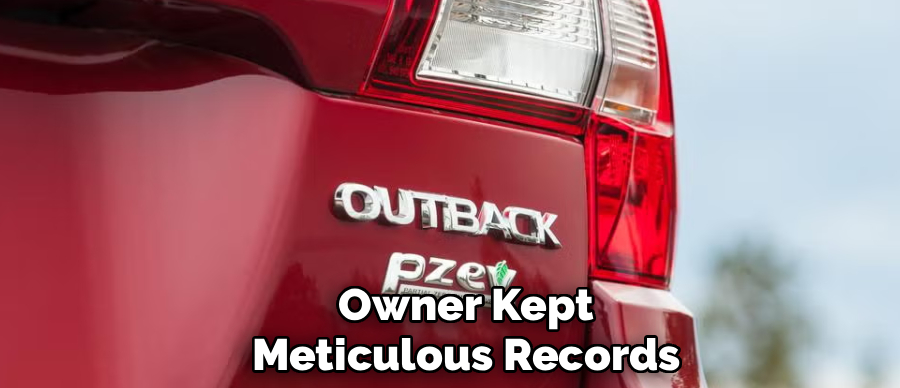
Many automakers proudly advertise their environmentally friendly technology right on the trunk or tailgate. Walk around to the rear of the vehicle and inspect the badging near the model name. Brands like Subaru, Ford, and Hyundai frequently affix a specific “PZEV” emblem to the back of these cars. The badge might feature a green leaf motif or distinct lettering. Keep in mind that badging practices change by year and manufacturer.
A missing badge does not guarantee the car is a standard model, as previous owners might have removed it, or the manufacturer may have chosen a cleaner exterior design for that specific year. However, if the badge is present and looks factory-installed, it provides an excellent immediate clue that you are dealing with a PZEV.
Step 3: Decode the Vehicle Identification Number (VIN)
Your vehicle’s VIN tells the entire story of its manufacturing, including its engine type and emissions equipment. Locate your VIN on the driver’s side dashboard, visible through the windshield, or on the driver’s side door jamb sticker. Write this 17-character alphanumeric code down. The specific engine code is usually embedded in the 4th through 8th digits of the VIN. You can call your local dealership’s parts department and read them the VIN. The parts advisor can run the number through their internal system to see exactly which engine and emissions package the factory installed. Alternatively, you can use online VIN decoders, though dealership databases offer the highest accuracy for emissions-specific queries.
Step 4: Review the Original Window Sticker
If you bought the car new, or if the previous owner kept meticulous records, you might have the original Monroney sticker. This piece of paper sat in the window when the car was on the dealer’s lot. Unfold the sticker and look at the engine specifications and standard equipment list. The manufacturer will clearly list “PZEV Emissions” or “Partial Zero Emission Vehicle Equipment” in either the standard powertrain section or the optional equipment column. The window sticker will also show if the car was originally built for a “CARB state” (California Air Resources Board), which heavily increases the likelihood of it being a PZEV. This document leaves no room for doubt regarding how the vehicle left the assembly line.
Step 5: Consult the Owner’s Manual and Supplements
Automakers provide detailed specifications in the literature that comes with the vehicle. Open your glove box and locate the owner’s manual. Often, manufacturers include a separate emissions or warranty supplement booklet specifically for PZEV models because the warranty terms differ significantly from standard vehicles. Check the index for terms like “Emissions,” “Warranty,” or “PZEV.” If you find a section detailing a 15-year or 150,000-mile emissions warranty, or a specific maintenance schedule dedicated to PZEV components, your car fits the category. Sometimes the manual will list engine codes; you can cross-reference these codes with the VECI label under your hood to confirm the match.
Step 6: Check the California Air Resources Board (CARB) Database
Since the PZEV standard originated with the California Air Resources Board, they maintain comprehensive records of which vehicles meet their strict criteria. You can visit the official CARB website and search through their certification databases. They publish executive orders for every vehicle certified to sell in California. By searching your vehicle’s make, model, year, and engine size, you can find the executive order document. This highly technical document will explicitly state if the engine family qualifies as a PZEV. While this step requires navigating a government website, it provides absolute legal confirmation of the vehicle’s intended emissions classification.
Step 7: Examine the Air Intake and Fuel System Components
PZEVs utilize specialized hardware to eliminate evaporative emissions. While you should not take the engine apart, a visual inspection can reveal unique components. PZEV models often feature a sealed fuel delivery system and a specialized air intake system containing a hydrocarbon trap. This trap, which looks like an extra filter element built into the intake tubing, catches unburned fuel vapors that back up through the intake manifold when the engine shuts off. Additionally, the fuel tank itself is often made of steel rather than plastic to prevent microscopic vapor permeation. If your mechanic notes that your air intake box or fuel tank differs from the standard replacement parts for your model year, you likely have a PZEV.
Step 8: Analyze the Vehicle History Report
A comprehensive vehicle history report from services like Carfax or AutoCheck can provide valuable clues about your car’s emissions status. When you run the VIN through these services, the basic vehicle description at the top of the report often includes trim and engine details. Many reports will list “PZEV” right next to the engine displacement (for example, “2.5L H4 PZEV”). Furthermore, look at the registration history. If the car was initially sold and registered in California, New York, Massachusetts, or other states that adopted CARB standards during the years PZEVs were prevalent, the odds of it carrying that specific emissions hardware increase dramatically.
Step 9: Investigate State Emissions Test Records
If you live in a state that requires biennial or annual emissions testing, your past vehicle inspection reports hold valuable data. Dig out your latest smog check or emissions test receipt. The testing facility inputs your vehicle’s details into the state database, which then communicates with the car’s onboard diagnostic (OBD-II) system. The printed report usually details the emissions standards the vehicle is held to during the test.
Look for the “Emissions Standard” or “Vehicle Type” section on the paperwork. If the state testing equipment recognizes your car as a PZEV, SULEV, or notes a California emissions standard, you have your answer. The state utilizes this classification to determine the acceptable thresholds for your tailpipe sniff test.
Step 10: Call the Manufacturer’s Customer Service Line
When all else fails, go straight to the source. Every major automaker maintains a corporate customer service department. Locate the toll-free number on the manufacturer’s official website or in your owner’s manual. Have your 17-digit VIN ready before you make the call. Explain to the representative that you need to verify the emissions classification of your vehicle for warranty or registration purposes. They can access the factory build sheet, which details every single component installed on the car at the exact time of manufacture. The representative can give you an immediate, definitive “yes” or “no” regarding the PZEV status, providing complete peace of mind without any guesswork.

5 Things You Should Avoid
When trying to identify your vehicle’s emissions status, certain pitfalls can lead to incorrect conclusions.
- Avoid guessing based on fuel economy alone. While PZEVs run clean, their miles-per-gallon rating is often identical to standard models.
- Never assume that a hybrid badge means the car is a PZEV. Hybrids have their own classifications, and not all hybrids meet the zero evaporative emissions standard.
- Do not trust generic online auto parts store databases over the physical under-hood VECI label. Parts catalogs sometimes list multiple parts for a single model year and can create confusion.
- Avoid removing any emissions labels or stickers under the hood. These are legally required and removing them makes future identification nearly impossible.
- Do not assume your car is a PZEV just because it was manufactured recently. Automakers only built these specific configurations for certain markets and model years.
Conclusion
Determining whether your car is a Partial Zero Emission Vehicle takes a few minutes of investigation, but the payoff is substantial.
By checking the under-hood VECI label, decoding the VIN, or consulting your manufacturer, you can unlock valuable information about your vehicle. Knowing your car’s true emissions status ensures you can take full advantage of extended warranties and feel confident about your reduced environmental footprint.
Keep this guide on how to tell if car is PZEV handy next time you purchase a used car or need to replace an emissions component.

About
Ora Hayes is a distinguished figure in the world of DIY Thecarfixes, with over a decade of expertise in automotive diagnostics and high-performance maintenance. Her professional focus lies in merging mechanical precision with modern digital tools, fostering repair solutions that are both cost-effective and highly reliable. As the author of Thecarfixes, Ora Hayes delves into the art and science of automotive restoration, inspiring car owners and hobbyist mechanics alike.
Education
RMIT University (Melbourne, Australia) Associate Degree in Automotive Engineering — Focus on vehicle dynamics, industry-driven repair protocols, and advanced diagnostics. Gained hands-on experience with traditional mechanical tools and modern ECU remapping software.
Nottingham Trent University (United Kingdom) Bachelor’s in Mechanical Design and Automotive Engineering (Honors) — Specialized in automotive systems with a focus on blending technical engineering with everyday usability. Participated in industry projects, working with leading automotive manufacturers to gain real-world insights into vehicle longevity.
Publications and Impact
In Thecarfixes, Ora Hayes shares her insights on troubleshooting complex engine issues, material durability, and strategies for efficient garage setups. Her writing bridges the gap between professional mechanic knowledge and the home enthusiast’s needs, making it a must-read for both everyday drivers and seasoned gearheads.