Diesel Exhaust Fluid (DEF) is a vital component for keeping modern diesel engines running smoothly and cleanly. If you drive a diesel truck manufactured after 2010, you already know that keeping your DEF tank filled is not optional. It is a strict requirement for your vehicle to function.
However, many new diesel owners feel uncertain about the proper procedures, the handling requirements, and the specific steps necessary to refill this system safely.
This guide on how to put DEF in diesel truck provides everything you need to know about managing your diesel exhaust fluid. We will cover the core benefits of the system, the specific tools you need for a clean refill, and outline a detailed, step-by-step process to get you back on the road.

What Will You Need?
Before you begin the refill process, gather the necessary supplies. Being prepared prevents spills and ensures you complete the job quickly and cleanly.
Here is what you need:
- High-Quality DEF: Purchase fluid that meets the ISO 22241 standard. This certification ensures the fluid contains the correct 32.5% urea and 67.5% deionized water ratio.
- A Clean Funnel: If your DEF container does not come with a dedicated pour spout, you need a funnel. Dedicate this funnel strictly for DEF to prevent cross-contamination.
- Microfiber Towels or Rags: Keep these handy to wipe away dust from the tank area before opening it and to clean up any minor drips afterward.
- Protective Gloves: DEF is generally non-toxic, but it can cause mild skin irritation. Nitrile or latex gloves keep your hands clean and safe.
- Warm Water: In case of a spill on your vehicle’s paint, you need water to rinse it off quickly, as dried DEF can leave a corrosive white residue.
10 Easy Steps on How to Put DEF in Diesel Truck
Refilling your fluid is a straightforward process, but you must execute it with care. Follow these 10 detailed steps to ensure a safe, clean, and effective refill.
Step 1: Park on a Level Surface and Turn Off the Engine
Always start by positioning your truck on a completely flat, level surface. Parking on an incline or decline gives a false reading of the fluid level in the tank, increasing the risk of overfilling. Once positioned securely, put the vehicle in park, engage the emergency brake, and turn the engine completely off. Allow the truck to sit for a few minutes. This brief waiting period gives the systems time to power down and ensures safety while you work around the vehicle.

Step 2: Locate the DEF Tank and Cap
Next, you must locate the correct fill port. On most modern heavy-duty pickups and commercial diesel trucks, the DEF fill cap sits right next to the diesel fuel cap behind the primary fuel door. You can easily identify it by its bright blue color and the “DEF” lettering stamped on top. However, on some commercial rigs, older models, or specific European vans, the tank might be located under the hood in the engine bay or lower down on the chassis. Check your owner’s manual if you cannot find the blue cap immediately.
Step 3: Clean the Area Around the Cap
This is a critical, often overlooked step. Before you even touch the blue cap, take a clean rag and thoroughly wipe down the entire surrounding area. Diesel Exhaust Fluid systems are highly sensitive to contamination. Even a tiny amount of dirt, dust, or debris falling into the tank can clog the system’s sensitive filters or damage the injection pump. By taking 30 seconds to wipe away accumulated road grime, you protect the expensive SCR system from entirely preventable mechanical failures.
Step 4: Check the DEF Fluid Level
Before adding new fluid, check your current level. Most modern trucks have a digital gauge on the dashboard instrument cluster specifically dedicated to monitoring this fluid. Turn your key to the accessory position without starting the engine to read the gauge. Knowing exactly how much room remains in the tank prevents accidental overfilling. If your gauge shows you have a half tank remaining, and your tank holds five gallons, you know precisely that you should only add roughly two and a half gallons.

Step 5: Prepare Your DEF Container and Funnel
Now, prepare your tools. If you purchased a standard 2.5-gallon jug from an auto parts store, it likely came with a flexible plastic nozzle. Carefully attach this nozzle to the jug, ensuring the threading is perfectly straight to avoid leaks. If you are using bulk fluid and a separate funnel, ensure the funnel is spotlessly clean. Wash it with deionized water if necessary, but never use tap water or harsh chemical cleaners, as the minerals and chemicals can contaminate the new fluid you are about to pour.
Step 6: Remove the DEF Cap Carefully
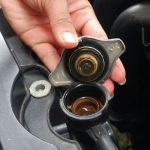
With your fluid ready, slowly unscrew the blue cap. Turn it counter-clockwise until it releases. Place the cap in a clean, secure location where it will not collect dirt or fall onto the ground. The top of the fuel pump or a clean rag on the truck bed rail works well. Do not leave the tank open for longer than necessary, as prolonged exposure to the air can allow airborne contaminants or moisture to enter the system.
Step 7: Pour the DEF Fluid Slowly
Insert the nozzle or funnel securely into the fill port. Begin pouring the fluid slowly and steadily. Do not rush this process. The fill neck on many tanks can be somewhat narrow, and pouring too quickly can cause the fluid to back up and overflow down the side of your truck. Hold the jug with both hands to maintain a steady flow, and listen carefully as the fluid goes down. You can often hear the pitch change as the fluid gets closer to the top of the neck.

Step 8: Monitor the Fill Level to Prevent Overfilling
As you pour, continuously monitor how much fluid you have added relative to your tank’s capacity. Stop pouring periodically to let the fluid settle in the neck. You must never fill the tank to the absolute brim. DEF consists primarily of water, meaning it expands when it freezes in cold weather. If you fill the tank to the top and the temperature drops below freezing, the expanding fluid can crack the plastic tank or damage the internal heater, leading to extremely expensive repairs.
Step 9: Replace and Secure the DEF Cap
Once you have added the appropriate amount of fluid, remove your nozzle or funnel carefully to avoid dripping on the paint. Retrieve your blue cap and thread it back onto the fill port. Turn it clockwise until you feel it click or seat firmly in place. Ensuring a tight seal prevents fluid from sloshing out while driving and keeps environmental contaminants from entering the tank. Wipe down the cap one last time to ensure it is clean.
Step 10: Clean Up Any Spills and Start the Engine
Finally, address any accidental spills immediately. If fluid drips onto the vehicle’s paint, bumper, or tires, wash it away thoroughly with plenty of warm water and wipe it dry with a microfiber towel. Dried DEF leaves a chalky residue that can accelerate corrosion over time. Once the area is clean, start your truck’s engine. Watch the dashboard gauge to ensure it registers the new fluid level. It may take a minute or two of idling for the sensors to update fully.

5 Things You Should Avoid
Handling DEF is safe and straightforward, but certain mistakes can destroy your engine. Avoid these five critical errors at all costs.
1. Never Put DEF in the Diesel Fuel Tank
This is the most catastrophic mistake you can make. The fluid is highly corrosive to engine internals. If you accidentally pour it into your primary diesel tank, do not start the engine. Starting the vehicle will circulate the fluid through the fuel pump and injectors, destroying the fuel system. Have the truck towed immediately and the fuel tank professionally drained and flushed.
2. Avoid Using Old or Expired Fluid
DEF degrades over time, especially when exposed to heat and direct sunlight. It typically has a shelf life of about 12 to 18 months under optimal conditions. Always check the date code on the jug before buying or pouring. Using degraded fluid will trigger warning lights on your dashboard and can damage the SCR catalyst.
3. Never Dilute with Water
Do not attempt to stretch your fluid by mixing it with tap water. The system requires a highly precise 32.5% urea concentration. Tap water contains minerals that will immediately clog the sophisticated injection nozzles and ruin the catalyst. Even purified water throws off the chemical balance, causing the truck’s computer to trigger a low-quality fluid warning and enter limp mode.
4. Stop Ignoring Dashboard Warnings
If your truck alerts you that the fluid level is low, take action. Modern diesel vehicles are programmed to protect the environment by refusing to operate without emissions controls. If you let the tank run completely dry, the truck’s computer will restrict your speed (limp mode) and eventually prevent the engine from starting altogether until you refill the tank.
5. Avoid Using Dirty Funnels
Cross-contamination is a major enemy of the SCR system. Never use a funnel that previously held oil, coolant, or diesel fuel. Even trace amounts of petroleum products will destroy the exhaust fluid’s chemical composition and damage the internal sensors. Always use a dedicated, clean funnel.
Conclusion
How to put DEF in diesel truck is an essential skill for any modern diesel owner.
By grasping the benefits of the system, gathering the right tools, and carefully executing the steps outlined above, you ensure your vehicle runs smoothly and efficiently. Always respect the fluid’s sensitivity to contamination and double-check that you are pouring it into the correct blue-capped tank.
Taking these small precautions protects your investment, keeps your engine out of the repair shop, and ensures your truck remains a reliable workhorse for years to come. Ensure you keep a spare jug in your garage so you are always ready for your next top-off.

About
Ora Hayes is a distinguished figure in the world of DIY Thecarfixes, with over a decade of expertise in automotive diagnostics and high-performance maintenance. Her professional focus lies in merging mechanical precision with modern digital tools, fostering repair solutions that are both cost-effective and highly reliable. As the author of Thecarfixes, Ora Hayes delves into the art and science of automotive restoration, inspiring car owners and hobbyist mechanics alike.
Education
RMIT University (Melbourne, Australia) Associate Degree in Automotive Engineering — Focus on vehicle dynamics, industry-driven repair protocols, and advanced diagnostics. Gained hands-on experience with traditional mechanical tools and modern ECU remapping software.
Nottingham Trent University (United Kingdom) Bachelor’s in Mechanical Design and Automotive Engineering (Honors) — Specialized in automotive systems with a focus on blending technical engineering with everyday usability. Participated in industry projects, working with leading automotive manufacturers to gain real-world insights into vehicle longevity.
Publications and Impact
In Thecarfixes, Ora Hayes shares her insights on troubleshooting complex engine issues, material durability, and strategies for efficient garage setups. Her writing bridges the gap between professional mechanic knowledge and the home enthusiast’s needs, making it a must-read for both everyday drivers and seasoned gearheads.