A car’s ECU controls key engine functions, including fuel delivery, ignition timing, idle speed, and throttle response. When it stores old driving data or reacts to a recent repair, your vehicle may idle poorly, shift strangely, or feel less responsive than usual. That is why many drivers want to learn how to reset ecu without scanner before paying for diagnostic help.
An ECU reset does not repair broken parts, but it can clear learned settings and help the computer relearn fresh information. This guide explains safe, beginner-friendly methods you can try at home, what to expect afterward, and when a mechanic is the better choice.
Why Resetting An ECU Matters
Resetting an ECU can help after battery replacement, throttle body cleaning, sensor replacement, or minor drivability issues. The ECU learns from your driving habits and engine conditions over time. If those conditions change, old stored values may affect idle quality, fuel trims, or throttle response.
A reset gives the system a clean starting point. This can improve smoothness, help the car relearn idle speed, and remove temporary behavior caused by recent repairs. However, it should not be used to hide warning lights or ignore faults. If a real mechanical or electrical problem exists, the issue will return until the cause is fixed.
Step-By-Step Guide To How To Reset Ecu Without Scanner
Step 1: Park Safely And Prepare The Vehicle
Start by parking on a flat surface away from traffic. Turn off the engine, set the parking brake, and remove the key from the ignition. If your vehicle has push-button start, make sure the system is fully off and the key fob is away from the car.
Open the hood and let the engine cool if it has been running. This prevents burns and gives you more room to work safely around the battery. Avoid touching metal tools across battery terminals, because that can cause sparks or damage electrical parts.
Good preparation keeps the reset process simple and safe.
Step 2: Check Your Owner’s Manual First
Before disconnecting anything, read the battery and electronics section in your owner’s manual. Some vehicles have special instructions for battery removal, radio codes, alarm systems, power windows, sunroofs, or electronic steering calibration.
This matters because modern cars store settings in many control modules, not only the ECU. Disconnecting power may erase clock settings, seat memory, or infotainment preferences. On some models, it may also require a relearn procedure afterward.
If the manual warns against battery disconnection, follow the manufacturer’s advice. A few minutes of checking can prevent extra work or avoidable problems later.
Step 3: Disconnect The Negative Battery Cable
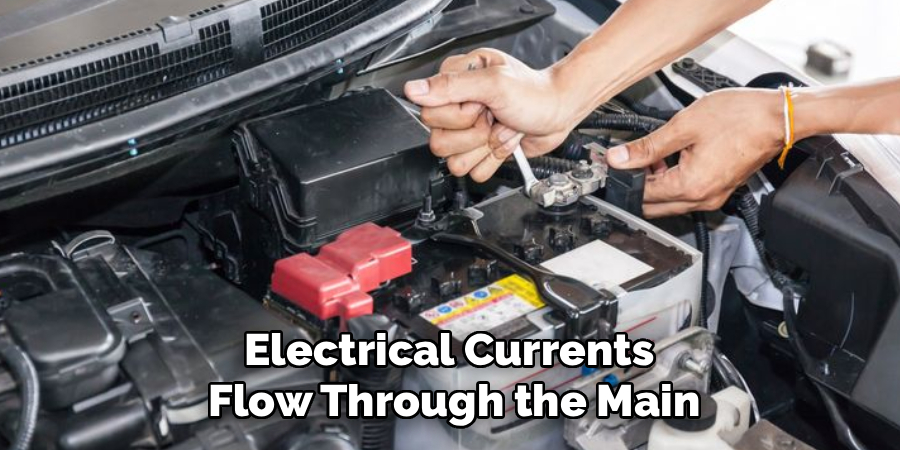
The most common method for how to reset ecu without scanner starts with the negative battery cable. Use the correct wrench or socket to loosen the clamp on the negative terminal, usually marked with a minus sign. Move the cable away from the battery so it cannot spring back and touch the terminal.
Do not disconnect the positive cable first. Removing the negative cable reduces the chance of accidental short circuits while you work. If the terminal is dirty or corroded, avoid forcing it. Gently loosen it and clean the area only if you know how to do so safely.
Step 4: Drain Stored Electrical Power
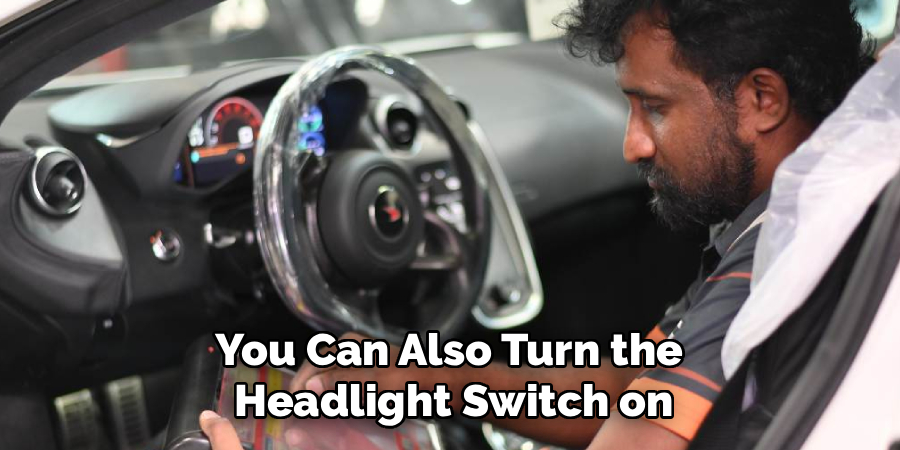
After the negative cable is disconnected, the vehicle may still hold small amounts of stored electrical power. To help clear this, press and hold the horn for several seconds or turn the headlights on for a short time. The horn may not sound, but the action can help discharge remaining power in the system.
Some drivers wait 15 to 30 minutes before reconnecting the battery. This gives capacitors time to drain and allows learned ECU values to clear more fully. Do not rush this step if your goal is a clean reset.
While waiting, keep tools away from both battery terminals.
Step 5: Reconnect The Battery Correctly
Once enough time has passed, reconnect the negative battery cable to the negative terminal. Tighten the clamp until it is secure, but do not overtighten it. A loose connection can cause starting problems, flickering lights, warning messages, or rough running.
Check that the cable does not move easily by hand. If you see heavy corrosion, damaged cables, or a cracked battery case, stop and fix those issues before driving.
This is also a good time to confirm that no tools remain in the engine bay. A careful reconnection helps the ECU and other modules power back up cleanly.
Step 6: Start The Engine And Let It Idle
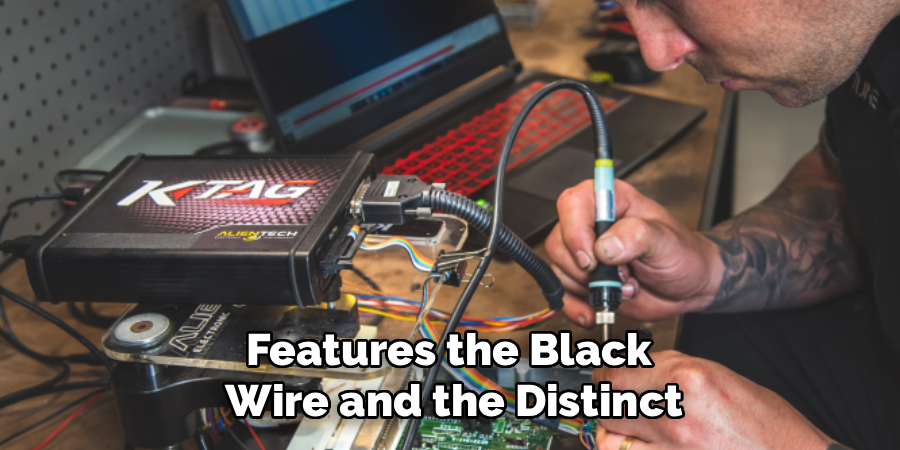
Start the engine without pressing the accelerator. Let the car idle for several minutes so the ECU can begin relearning basic settings. You may notice a slightly rough idle at first, especially if the battery was disconnected for a longer period.
Leave major accessories off during the first few minutes. This includes air conditioning, headlights, heated seats, and the audio system. Keeping the electrical load low helps the ECU focus on idle control.
If the engine stalls once, restart it and allow more time. If it stalls repeatedly, there may be another issue that needs diagnosis.
Step 7: Perform A Gentle Relearn Drive
After the idle settles, take the car for a calm drive. Avoid hard acceleration, sudden braking, and high speeds at first. Use normal city driving, steady cruising, and a few smooth stops so the ECU can collect fresh data.
This step is important because how to reset ecu without scanner is not only about cutting battery power. The ECU also needs time to relearn airflow, fuel trims, throttle position, and driving patterns. Some vehicles improve within minutes, while others need several drive cycles.
If the transmission feels slightly different, drive gently while it adapts.
Step 8: Watch For Warning Lights And Symptoms
After the reset, look for warning lights, rough idle, hesitation, poor shifting, or unusual fuel use. Some lights may appear briefly and then go away. Others may return if the ECU detects a real fault.
Do not keep resetting the ECU to avoid a check engine light. That can delay repairs and may make the problem worse. A reset clears learned values, but it does not replace proper troubleshooting.
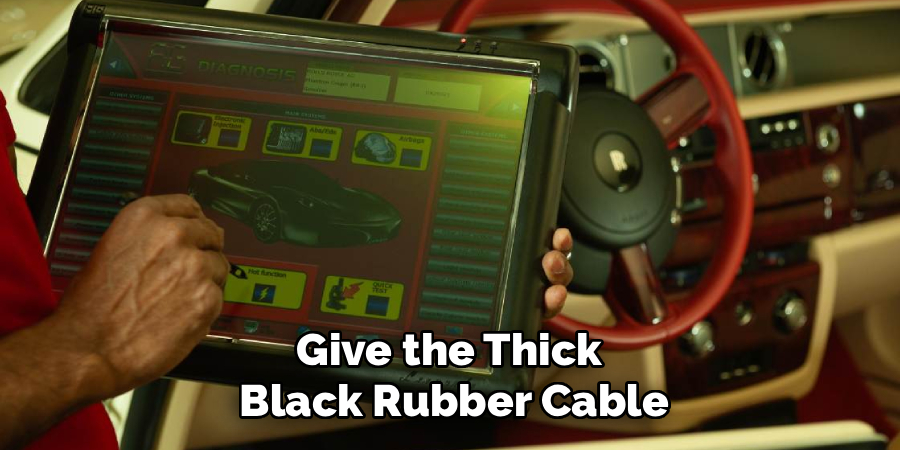
If symptoms return after a short drive, inspect recent repairs, vacuum hoses, battery connections, sensors, and fluids. When in doubt, have the vehicle scanned by a professional.
Frequently Asked Questions
Can Resetting The ECU Fix A Check Engine Light?
Resetting the ECU may turn off a check engine light temporarily, but it does not fix the cause. If a bad sensor, misfire, leak, or wiring issue triggered the light, the warning will likely return after the ECU runs its checks again. Use a reset only after repairs or basic inspections, not as a way to ignore a problem.
How Long Should I Disconnect The Battery To Reset The ECU?
Many drivers disconnect the negative battery cable for 15 to 30 minutes. Some vehicles may reset learned values sooner, while others may need more time. The exact result depends on the vehicle design and stored power in the system. Waiting a little longer is usually harmless, but always follow your owner’s manual if it gives specific instructions.
Will An ECU Reset Improve Fuel Economy?
An ECU reset can help fuel economy if the computer was using poor learned values after repairs, dirty parts, or changing conditions. However, it will not create major savings by itself. Tire pressure, air filter condition, spark plugs, oxygen sensors, driving habits, and fuel quality have a bigger long-term effect. Think of the reset as a fresh start, not a fuel-saving upgrade.
Is It Safe To Reset The ECU At Home?
It is usually safe if you follow basic battery safety and your vehicle does not require special procedures. Always disconnect the negative cable first, keep tools away from both terminals, and avoid working near a hot engine. Some newer vehicles may lose settings or need relearn steps, so checking the owner’s manual first is the smartest move.
Why Does My Car Run Rough After An ECU Reset?
A rough idle after a reset can happen because the ECU has lost learned idle and fuel trim data. It may need time to relearn how much air and fuel the engine needs. Let the car idle, then drive gently through normal conditions. If rough running continues after several trips, inspect for vacuum leaks, dirty throttle parts, weak ignition components, or sensor faults.
Conclusion
Resetting an ECU can be useful after certain repairs, battery work, or minor drivability changes. The safest process is to prepare the vehicle, disconnect the negative battery cable, drain stored power, reconnect carefully, let the engine idle, and complete a gentle relearn drive.
Learning how to reset ecu without scanner gives you a practical starting point, but it is not a replacement for real diagnosis. Try the steps carefully today, then watch how your car behaves over the next few drive cycles.

About
Ora Hayes is a distinguished figure in the world of DIY Thecarfixes, with over a decade of expertise in automotive diagnostics and high-performance maintenance. Her professional focus lies in merging mechanical precision with modern digital tools, fostering repair solutions that are both cost-effective and highly reliable. As the author of Thecarfixes, Ora Hayes delves into the art and science of automotive restoration, inspiring car owners and hobbyist mechanics alike.
Education
RMIT University (Melbourne, Australia) Associate Degree in Automotive Engineering — Focus on vehicle dynamics, industry-driven repair protocols, and advanced diagnostics. Gained hands-on experience with traditional mechanical tools and modern ECU remapping software.
Nottingham Trent University (United Kingdom) Bachelor’s in Mechanical Design and Automotive Engineering (Honors) — Specialized in automotive systems with a focus on blending technical engineering with everyday usability. Participated in industry projects, working with leading automotive manufacturers to gain real-world insights into vehicle longevity.
Publications and Impact
In Thecarfixes, Ora Hayes shares her insights on troubleshooting complex engine issues, material durability, and strategies for efficient garage setups. Her writing bridges the gap between professional mechanic knowledge and the home enthusiast’s needs, making it a must-read for both everyday drivers and seasoned gearheads.